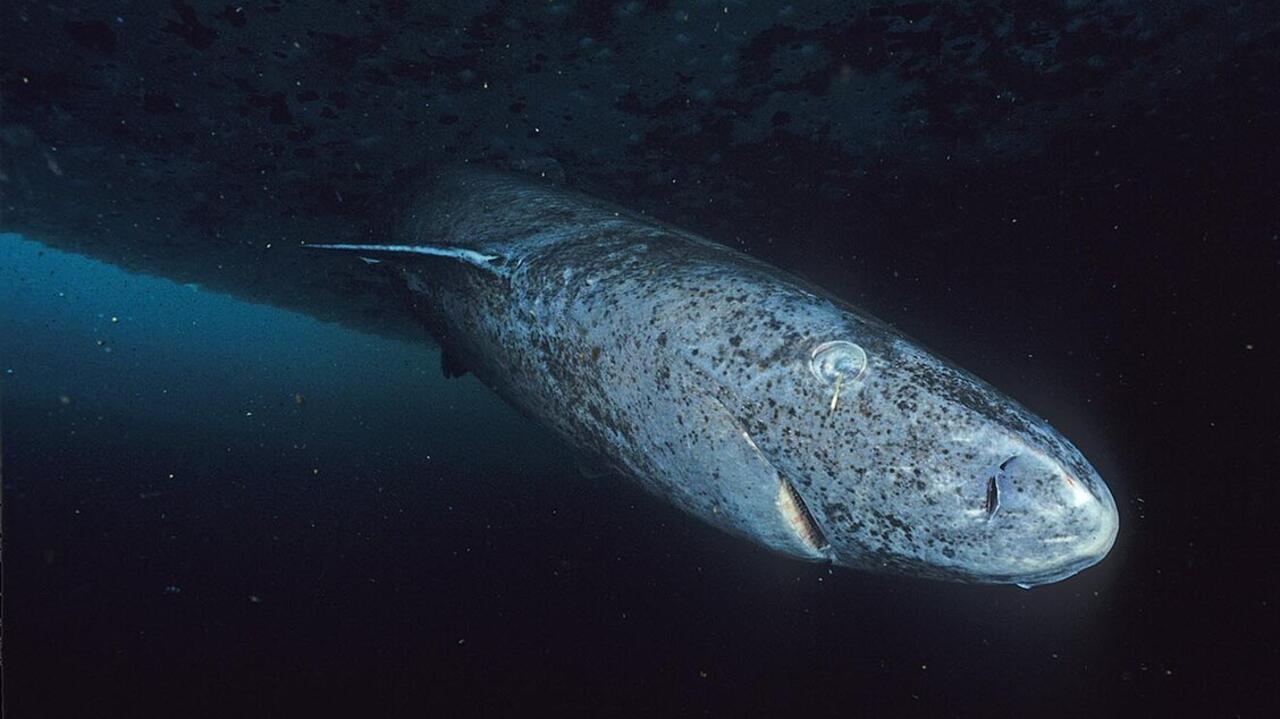
Dorota Skowronska-Krawczyk watches a Greenland shark glide slowly through the dark waters of the Arctic on her computer screen.
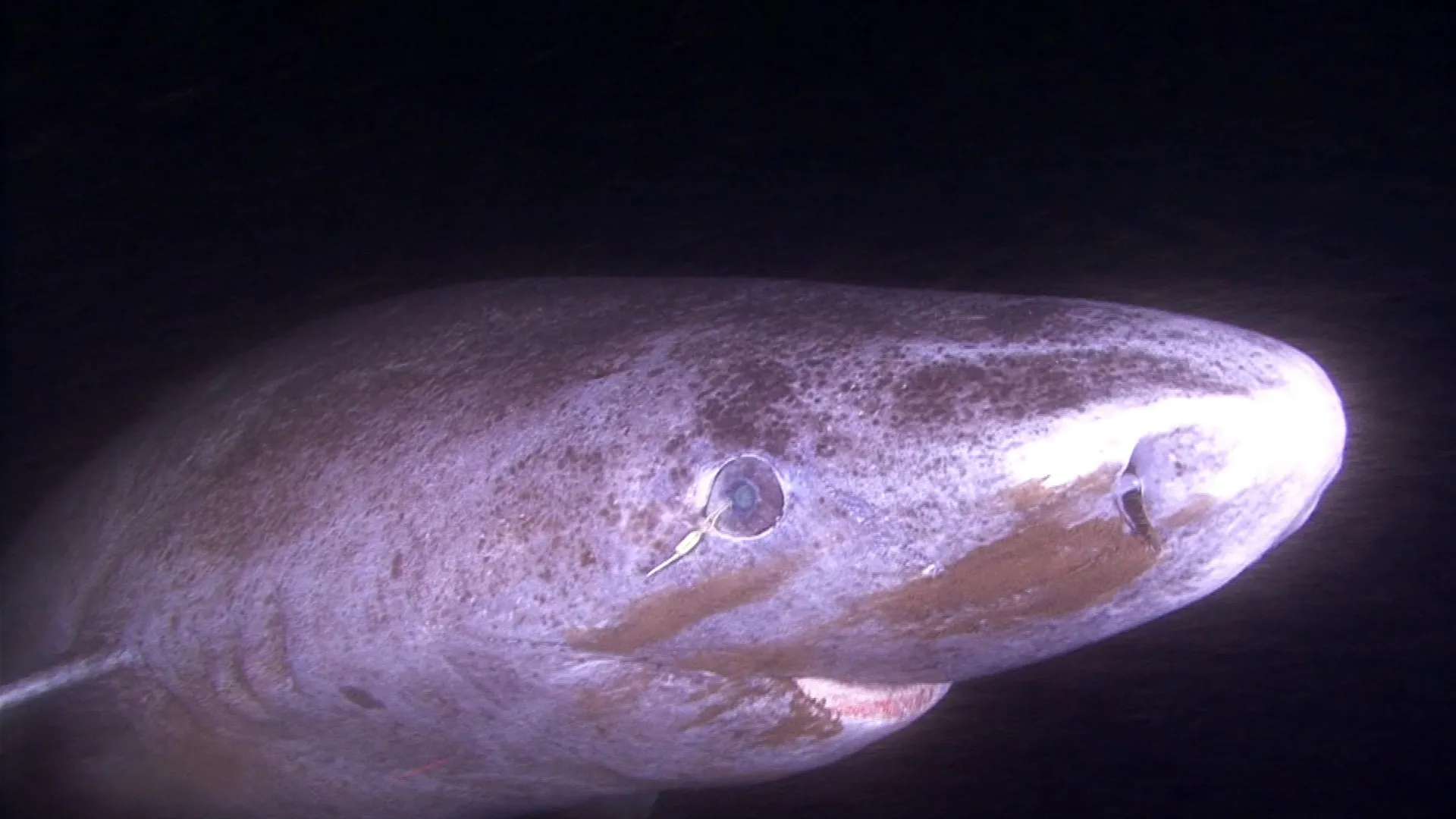
"You see it move its eye," says the University of California, Irvine associate professor of physiology and biophysics, pointing to the footage. "The shark is tracking the light -- it's fascinating."
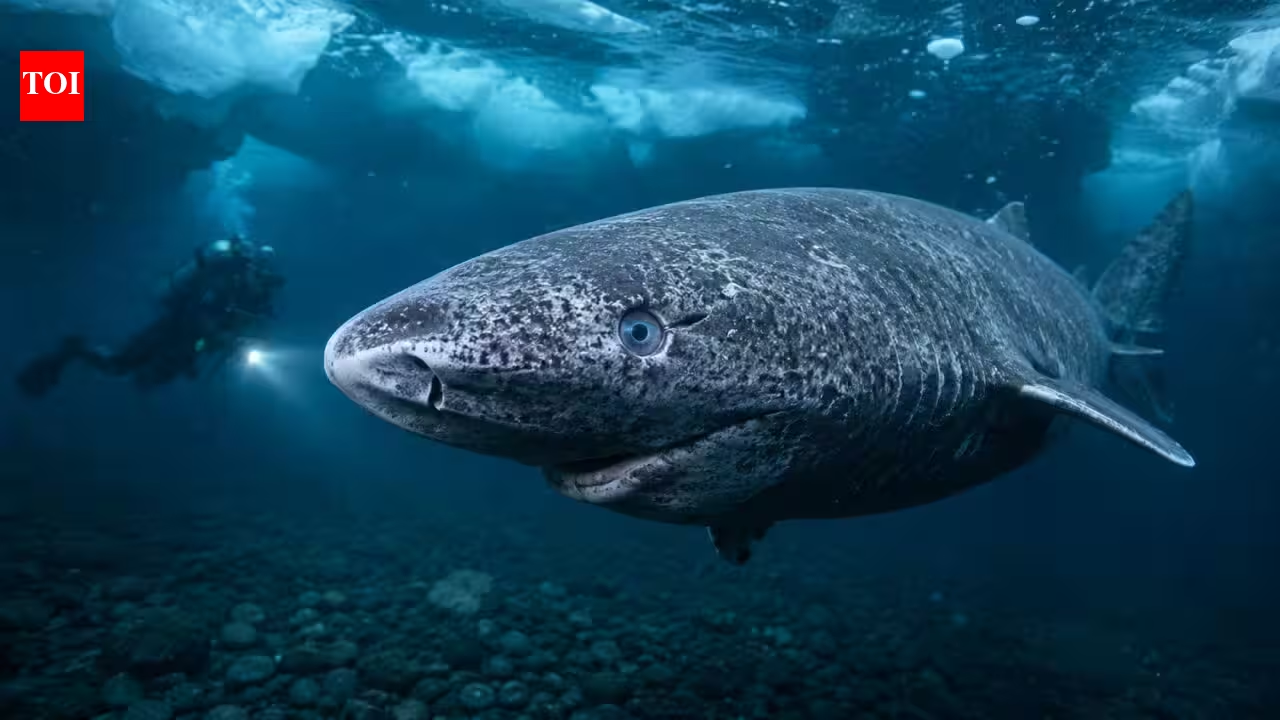
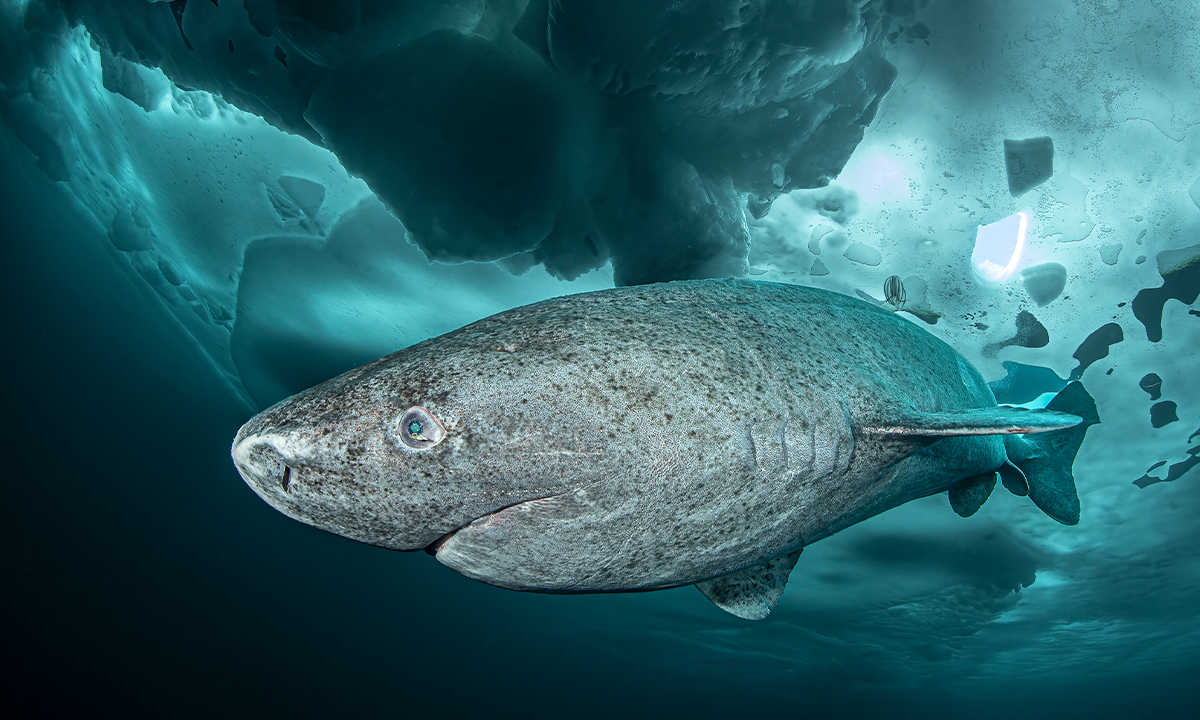
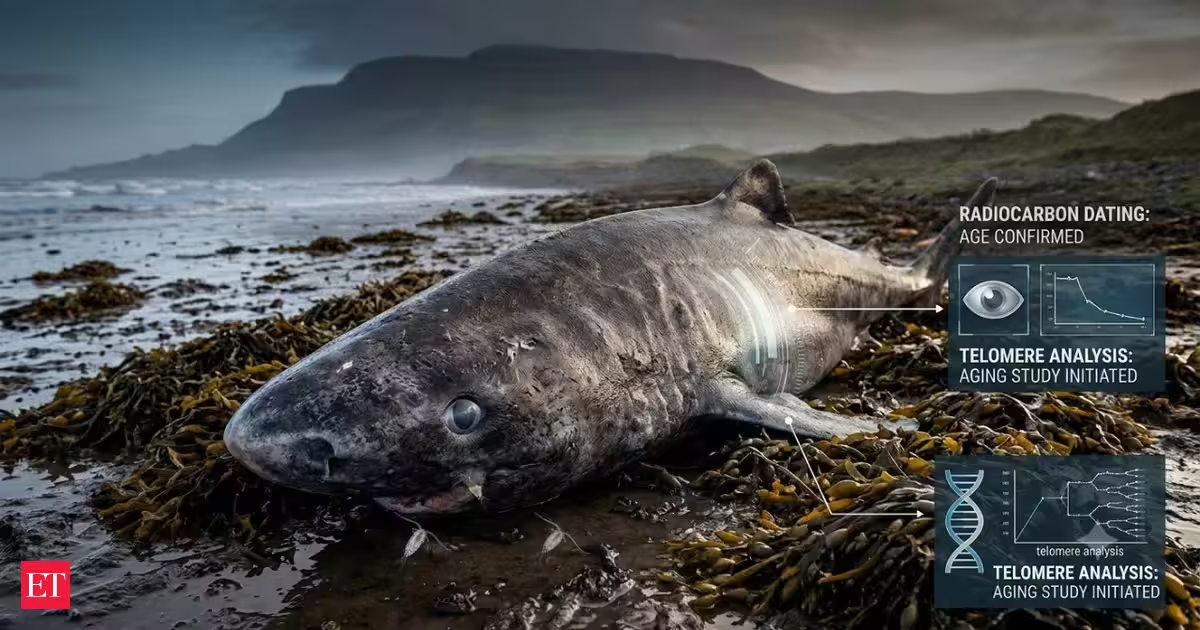
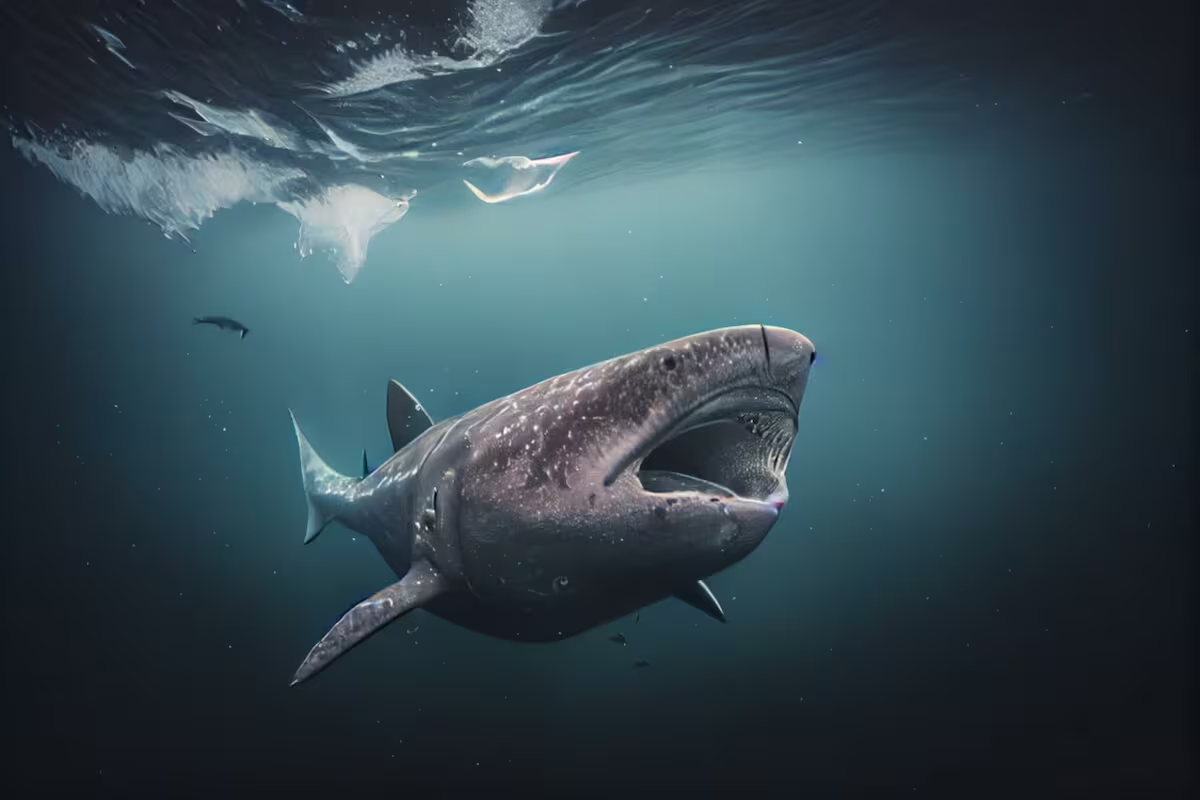
Greenland sharks are the longest-living vertebrates known to science, with some individuals surviving for as long as 400 years. They have thick gray bodies, small heads and short, rounded snouts. Their cloudy-looking eyes can appear almost lifeless, and parasites are often found attached directly to the eyeballs.
Because of those parasites and the extremely dark, murky environment in which the sharks live, scientists have long suspected that Greenland sharks may be functionally blind.
New research led by Skowronska-Krawczyk, however, suggests a very different picture.