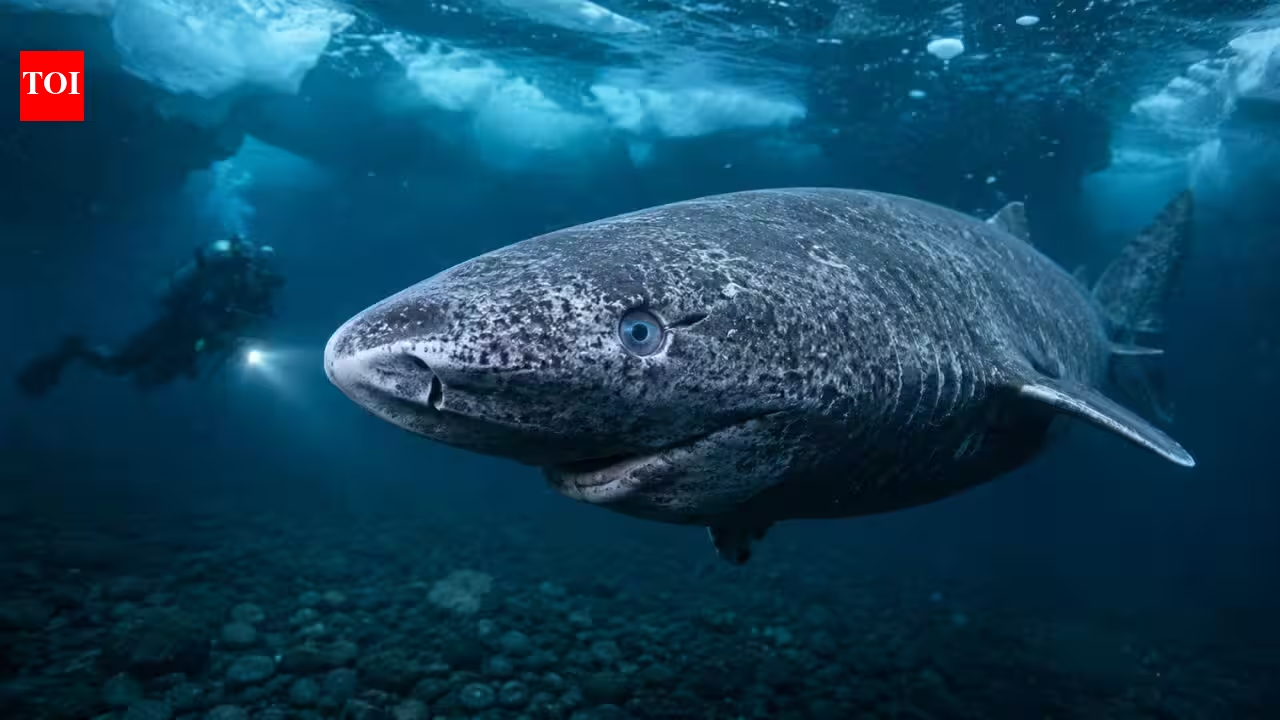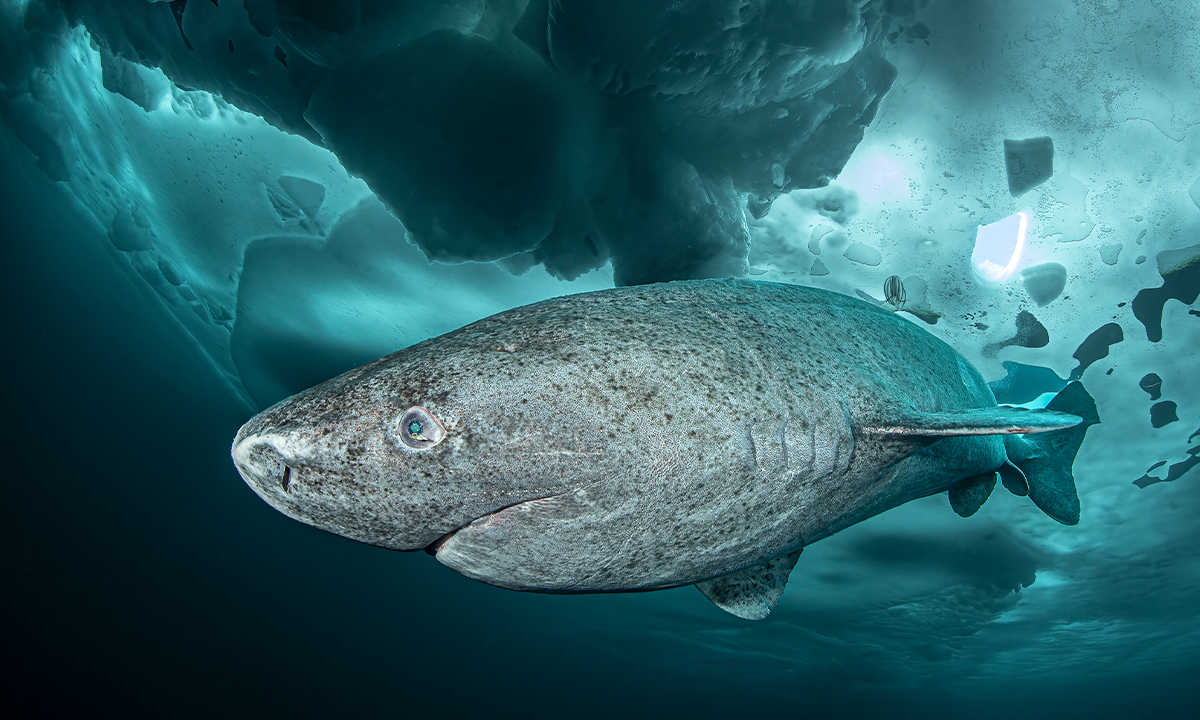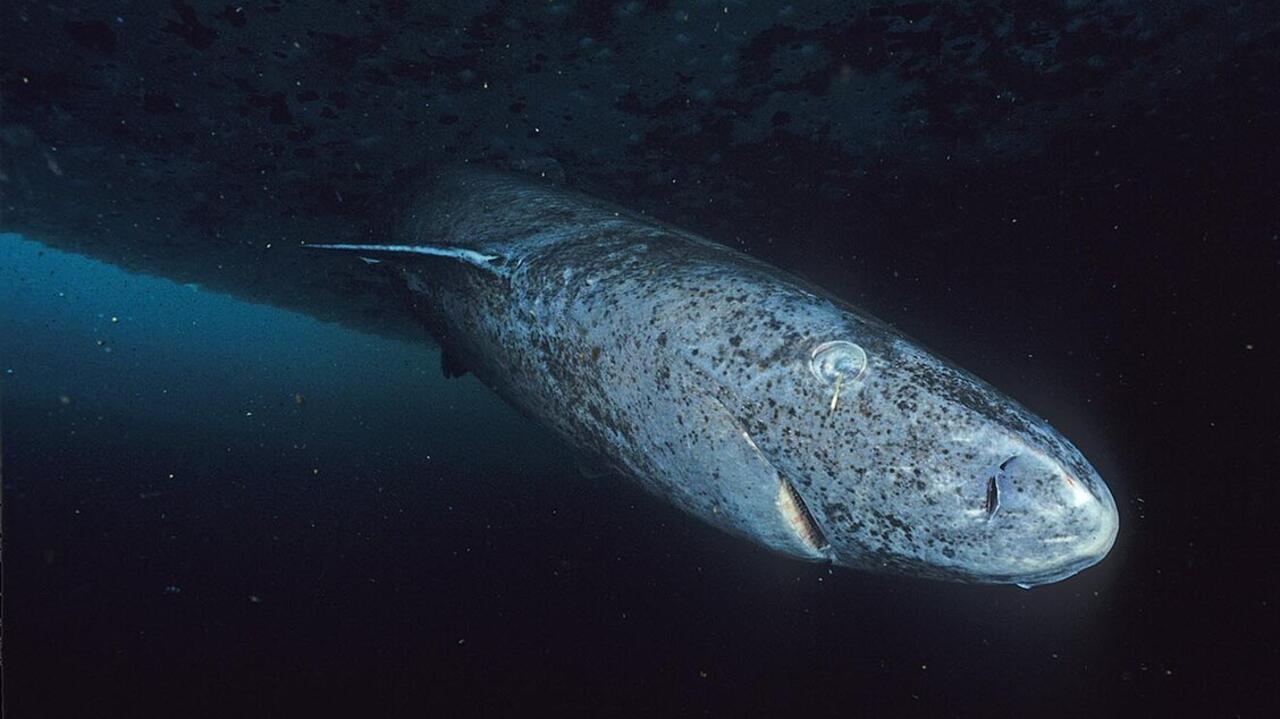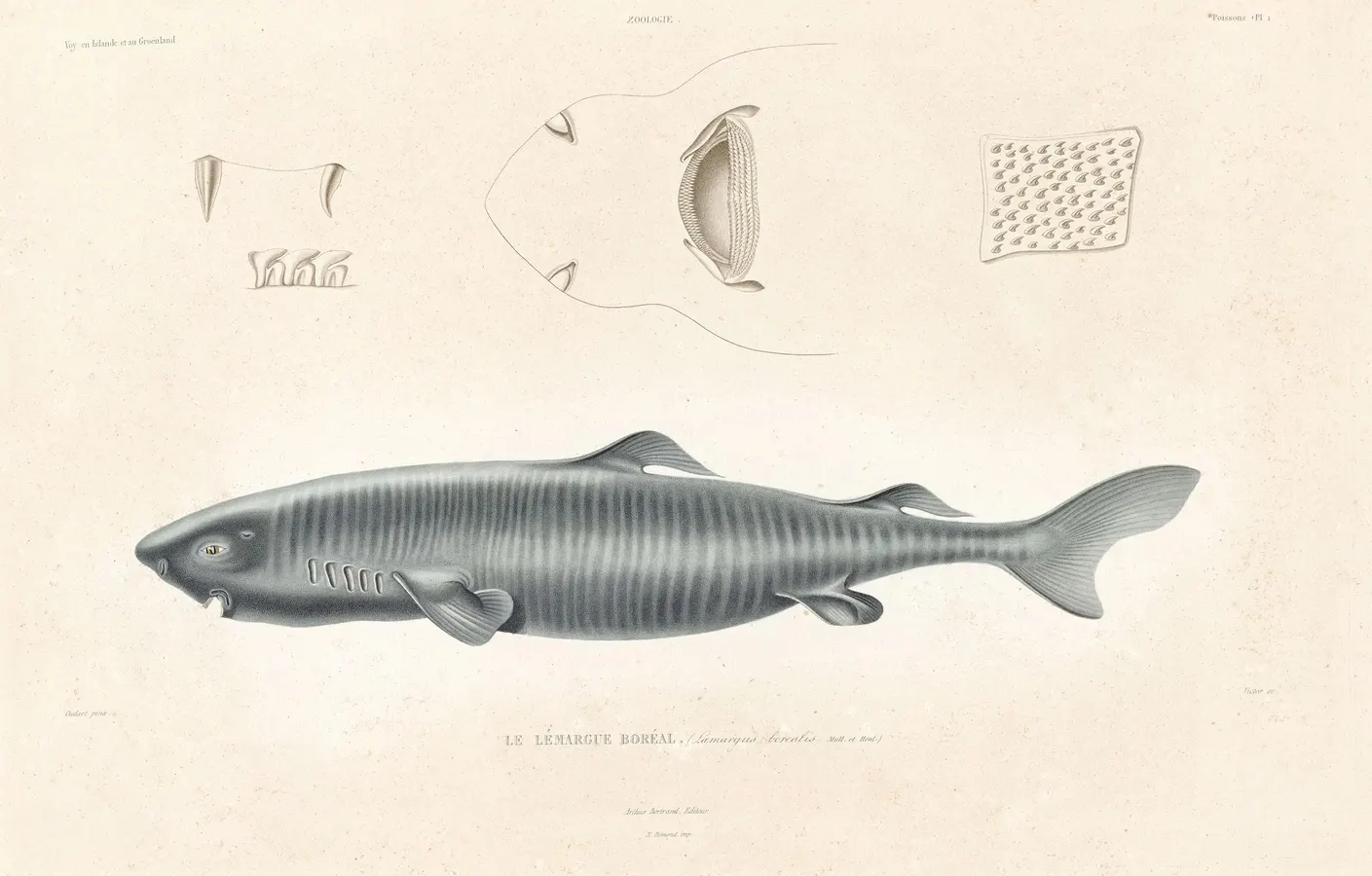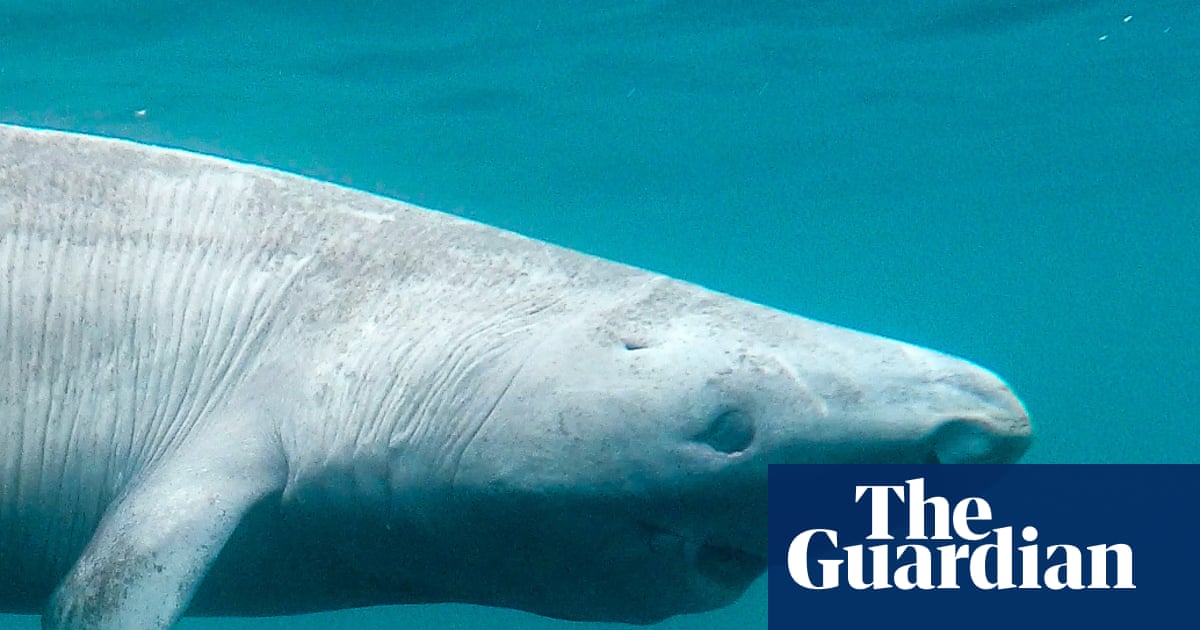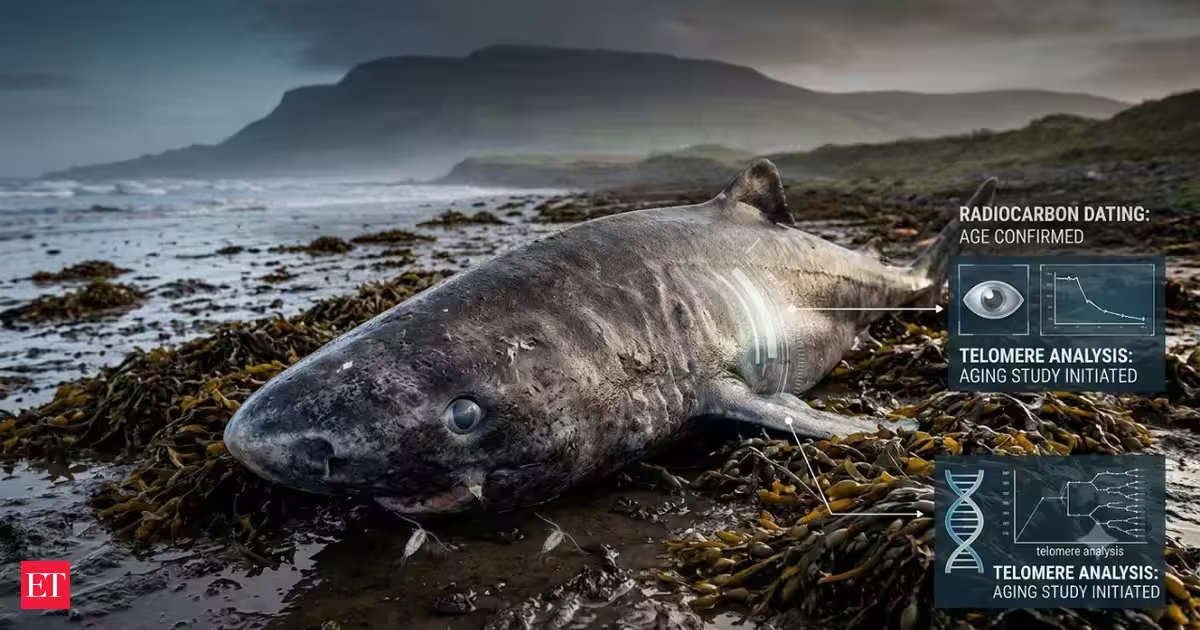
Greenland shark lifespan explained: A rare Greenland shark that washed ashore on Ireland's west coast has given scientists an unusual opportunity to study one of the longest-living vertebrates on Earth and learn more about a species for which many basic questions remain unanswered.The roughly 10-foot shark stranded in County Sligo in April 2026, marking the first recorded Greenland shark stranding in Ireland, as per a report. Weighing more than 440 pounds, researchers estimated it was between 150 and 200 years old. Although that sounds exceptionally old, scientists say the shark may only recently have reached the age at which it could reproduce.A rare stranding gave researchers a unique opportunityMarine biologist Emilie De Loose of the Irish Whale and Dolphin Group described the discovery as both astonishing and sad.She said, "This specimen took 150 years to reach the point where it could have reproduced," as quoted by Eco News.The shark was not fully grown, as Greenland sharks can reach around 16 feet in length. Recovering the animal from the marshy shoreline required volunteers, a crane and a truck.You Might Also Like:Scientists carefully examined one of the world's longest-living vertebratesAfter volunteers covered the carcass with seaweed to protect it from scavengers, the National Museum of Ireland supervised its recovery to a regional veterinary laboratory for a necropsy.Researchers wore protective clothing, gloves and masks while examining the animal. Jasmine Stavenow Jerremalm, a marine ecology doctoral researcher at University College Cork, said a centuries-old animal had to be handled carefully because nobody knew what diseases or microbes it might carry, as reported by Eco News.During the examination, scientists measured, weighed, examined and sampled every major organ. The shark's liver weighed about 110 pounds, while its heart weighed roughly 75 pounds.The shark offered new clues about aging and longevityGreenland sharks live in the North Atlantic and Arctic near Greenland, Canada and Iceland. They are slow, solitary swimmers that feed on carcasses but can also capture living prey such as seals.You Might Also Like:The shark's stomach was empty, although part of its intestine suggested it had recently digested food. Researchers noted that the species' slow metabolism may help it survive long periods when food is scarce in Arctic waters.The shark's eyes also challenged long-held assumptions. Greenland sharks have often been described as almost blind because small parasites attach to the front of their eyes. However, a 2026 study found their eyes and retinas remained intact and were adapted to extremely low-light conditions, even in sharks more than a century old.Researchers also found strong activity in genes involved in repairing damaged DNA. Since DNA damage is closely connected to aging, they suggested this repair system may help explain how the sharks maintain healthy vision for so long.Recent research on Greenland shark hearts also found tissue scarring and other signs commonly associated with aging. Despite this, the animals appeared healthy, suggesting they may continue functioning despite wear accumulated over centuries.You Might Also Like:Researchers hope the specimen will answer more questionsScientists removed the shark's eye lenses for radiocarbon dating to estimate its age and collected muscle samples for studies of telomeres, protective structures at the ends of DNA that tend to shorten with age and environmental stress.Researchers say many basic questions about Greenland sharks remain unanswered, including where they mate, where females give birth, how often they reproduce and how many young they produce.The Sligo shark showed no obvious injuries linked to fishing gear, so further testing may be needed to determine what caused its death.The National Museum of Ireland hopes the specimen can eventually be preserved for public display, while its skin, organs, eyes and tissue samples continue helping scientists answer questions about one of the world's longest-living vertebrates.
A rare Greenland shark found in Ireland gave scientists new clues about how it lives for centuries
Greenland shark lifespan explained: A rare Greenland shark found washed ashore in Ireland offers scientists a unique opportunity to investigate the mysteries of one of the oldest living vertebrates, providing insights into its longevity and biology.
611 words~3 min read