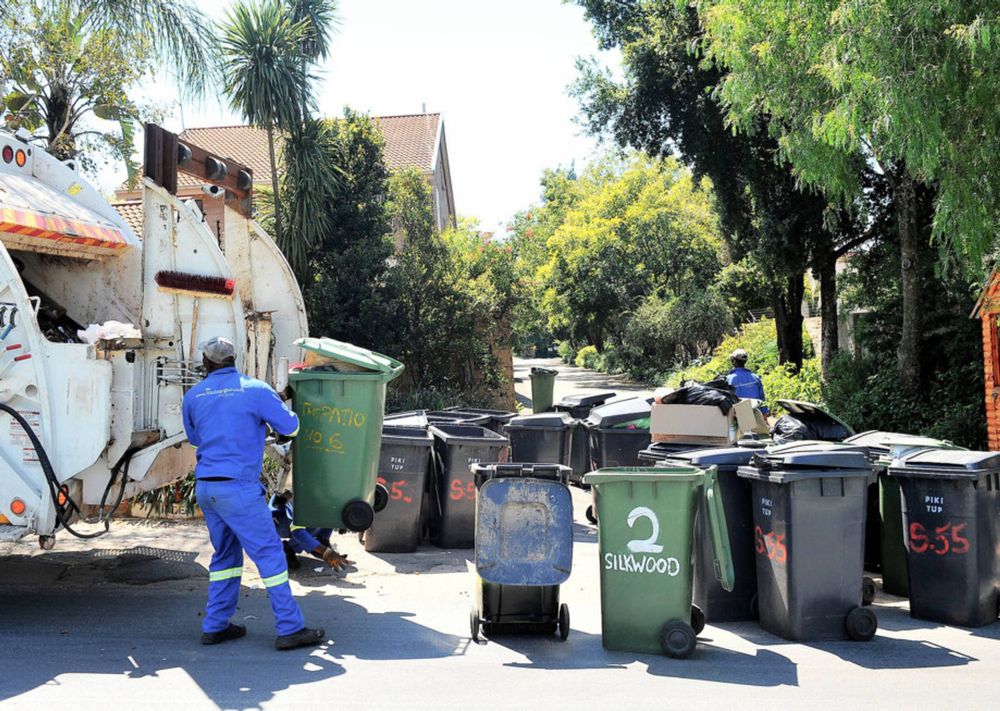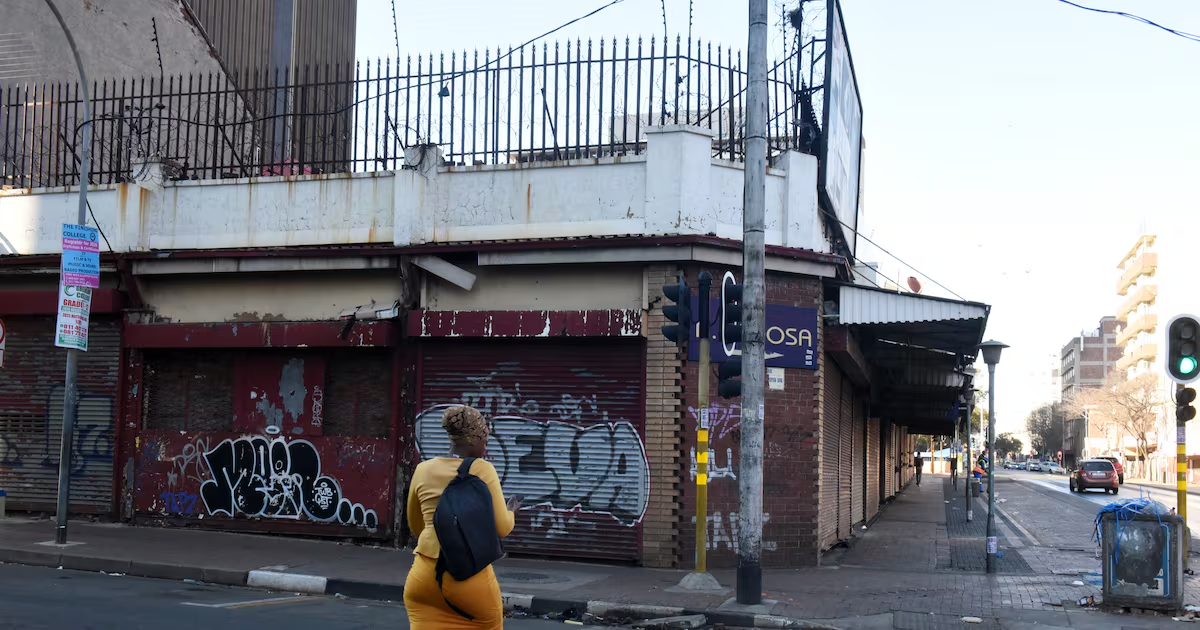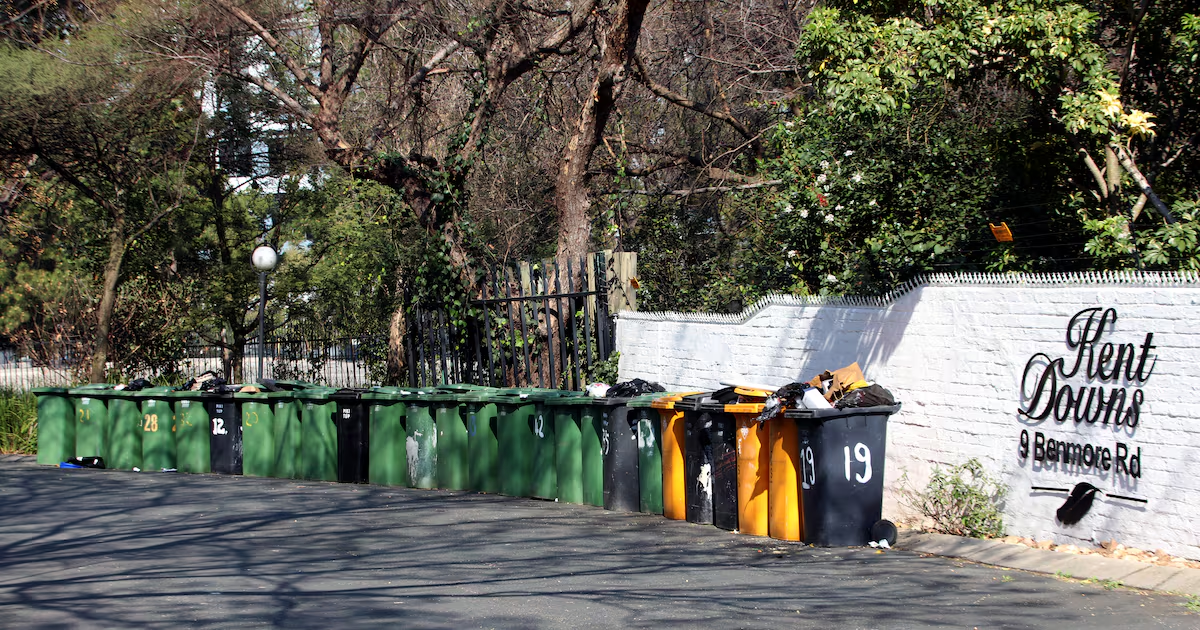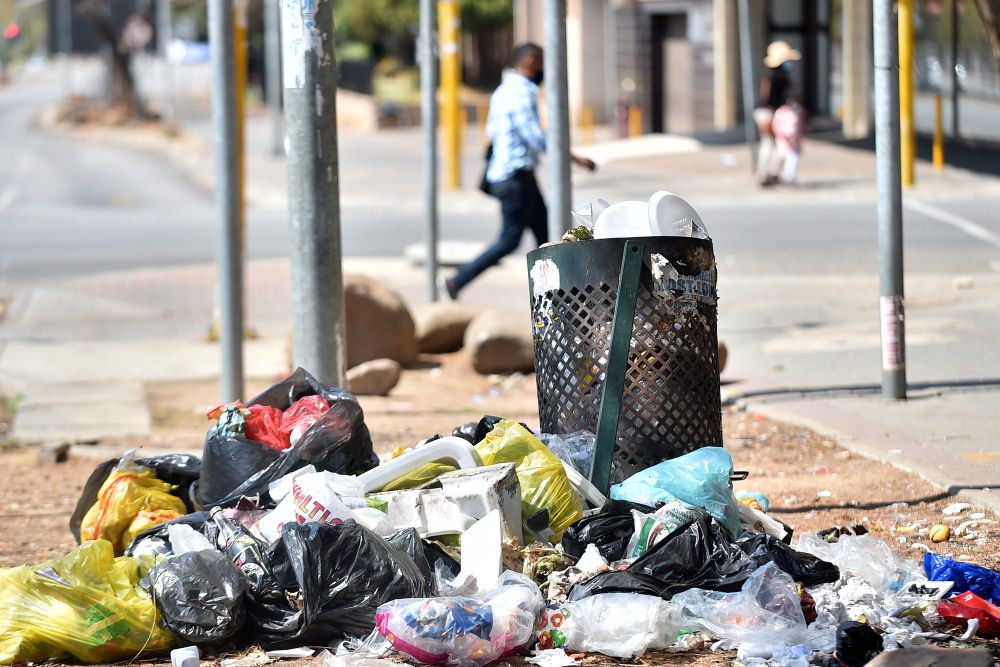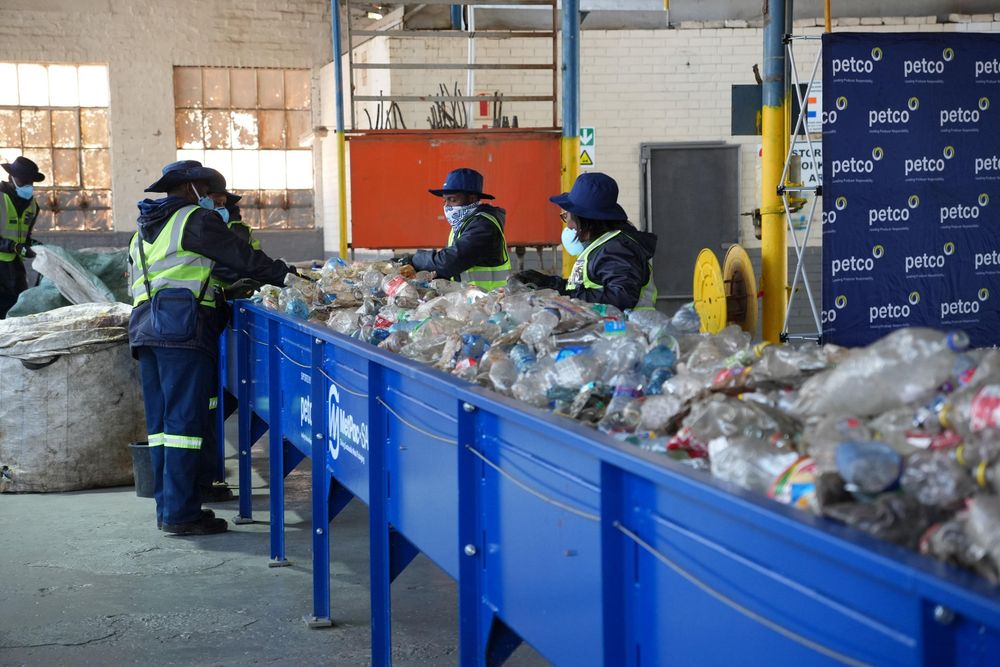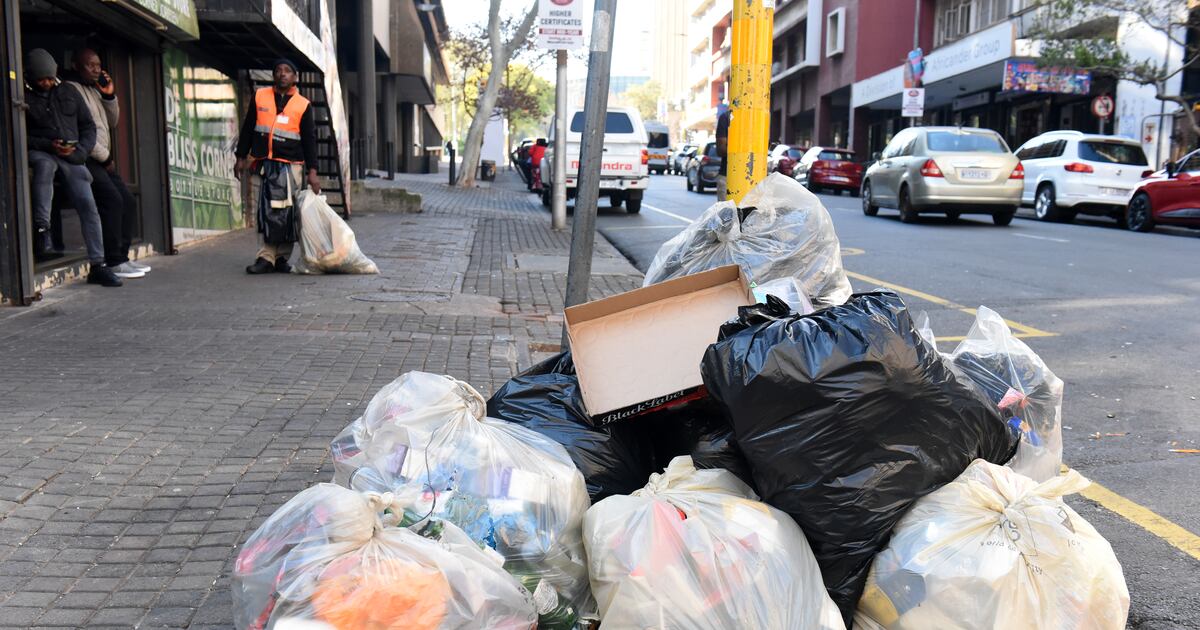
It feels like we are constantly writing about Johannesburg’s governance failures — another broken utility, another financial emergency, another essential service allowed to slide until the crisis is the only language left. This month it is refuse collection.Pikitup, the city-owned entity responsible for refuse collection, has too few functioning trucks, struggles with staff shortages, and is under acute financial pressure. The result is a mounting waste-collection collapse, with missed collections and refuse accumulating across parts of the city.This is not a mere refuse-collection hiccup but a symptom of a service-delivery model that has been allowed to rot from the core outwards. In Johannesburg, the waste is no longer confined to the streets; it is increasingly evident in the institutional machinery meant to keep the city functioning.Pikitup’s distress follows a familiar municipal pattern: weak revenue collection, rising costs, deferred maintenance, administrative incapacity and suppliers left unpaid. Eventually financial failure becomes physical — fewer trucks, irregular collections, dumped refuse and residents forced to pay privately for services their rates should already fund.That is the hidden economic tax of municipal deterioration. Businesses pay more to operate, households pay twice for basic services, and property owners contend with declining precinct quality, higher operating costs and weaker rental and valuation prospects. A business district with unreliable waste collection is more expensive to run and harder to market to tenants, customers and employees.For Gauteng, this cannot be treated as a local inconvenience. The province generates roughly a third of South Africa’s GDP and remains the country’s commercial centre of gravity. Failure in Johannesburg therefore raises the cost of doing business across the economy’s most important urban region. It weakens the city’s ability to attract investment, retain skilled workers and support the formal businesses on which its own revenue base depends.There is a self-reinforcing logic to the decline ... Weaker finances mean worse collections, and worse collections mean fewer people willing to pay their rates.There is a self-reinforcing logic to the decline. Poor services degrade neighbourhoods and commercial precincts. Property values weaken, investment is delayed and payment discipline deteriorates. That erodes the rates base, leaving the municipality with less revenue to maintain infrastructure or restore services. Weaker finances mean worse collections, and worse collections mean fewer people willing to pay their rates.The policy response increasingly proposed is greater private-sector participation in municipal services. That is likely necessary. Private operators can bring fleet capacity, technical expertise and operational discipline to waste, water and infrastructure services. However, it will not fix a broken municipal balance sheet.Private capital needs bankable contracts, credible revenue collection and a municipality capable of honouring payment obligations. It cannot be asked to accept open-ended political and credit risk because public systems have failed. Private participation works best alongside a stable governance framework, credible revenue collection and enforceable municipal contracts.For investors, the most immediate exposure is in Gauteng property and businesses that depend on well-functioning urban precincts. Municipal deterioration is a slow-moving valuation risk: it raises costs, weakens tenant demand and damages the quality of assets long before formal property valuations fully adjust. There will be opportunities for private operators in areas such as waste and fleet management, but need alone does not create an investable market. The opportunity becomes real only when the contractual and fiscal framework is credible.Pikitup’s crisis is a warning about the state at the level where citizens and companies experience it most directly. Local government determines whether the basics work: waste collection, water, roads and public spaces.Voters should remember that when they go to the polls in November. National politics may command the headlines, but local elections decide whether a city functions — or whether its failures continue to pile up and rot in plain sight. • Sprake is a market analyst at AG Capital.
CASEY SPRAKE | Garbage on the streets, garbage in governance
Joburg’s waste collection crisis is emblematic of a deeper problem that is undermining the city’s economic performance — and Gauteng’s, writes Casey Sprake
624 words~3 min read