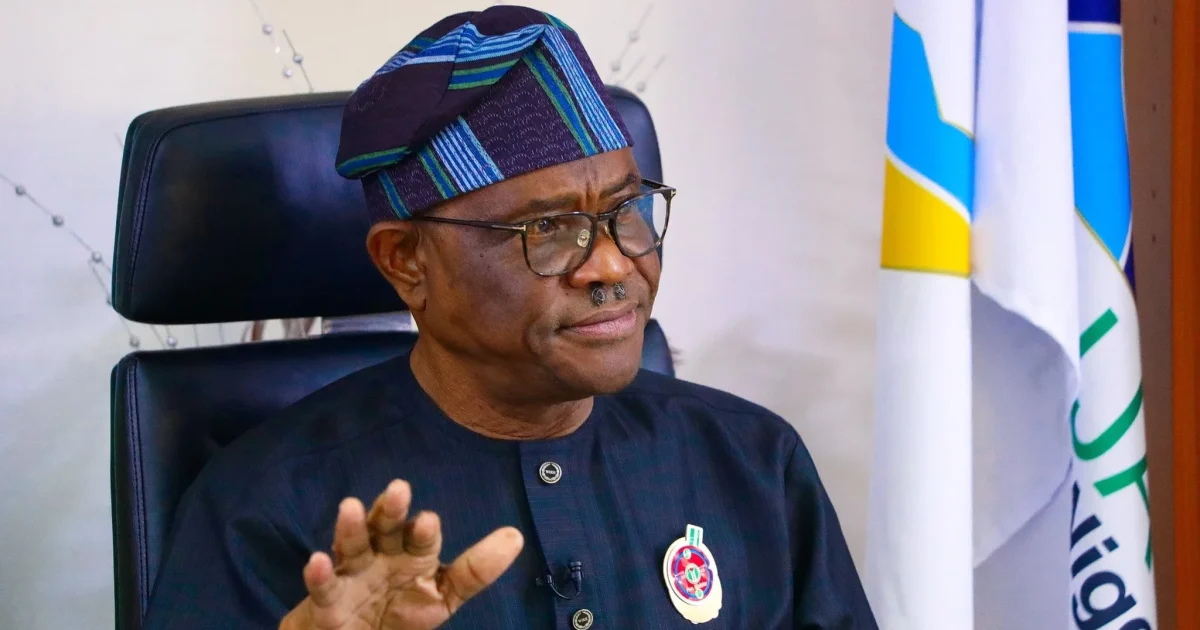
In July last year, an investigation alleged that Wike had signed off on more than 2,000 hectares of prime Abuja real estate for his son, alongside dozens of further allocations to relatives and associates, including a plot handed to his own father in the well-heeled Guzape II district.
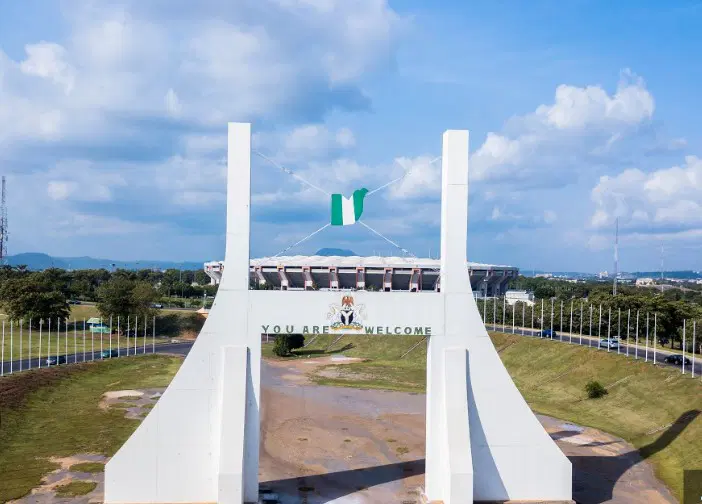
For years, the warnings arrived like clockwork and were dismissed with the same rhythm. Environmental activists said the sale of Abuja's green belts and waterway buffers to developers would eventually flood the city centre. Investigative journalists documented, in granular detail, who was receiving those plots and how. And each time, the response from the Federal Capital Territory Administration amounted to a shrug — until Saturday, 15 August, when the rain fell as it always does in August, and Nigeria's capital went under water anyway.
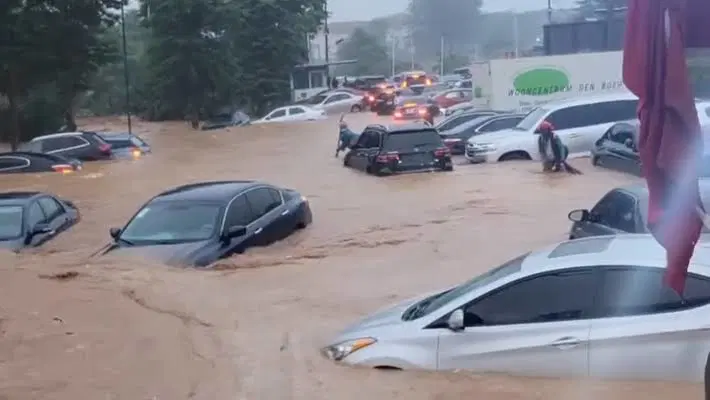
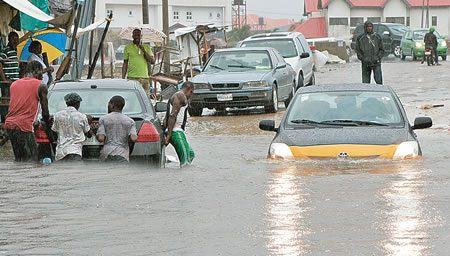
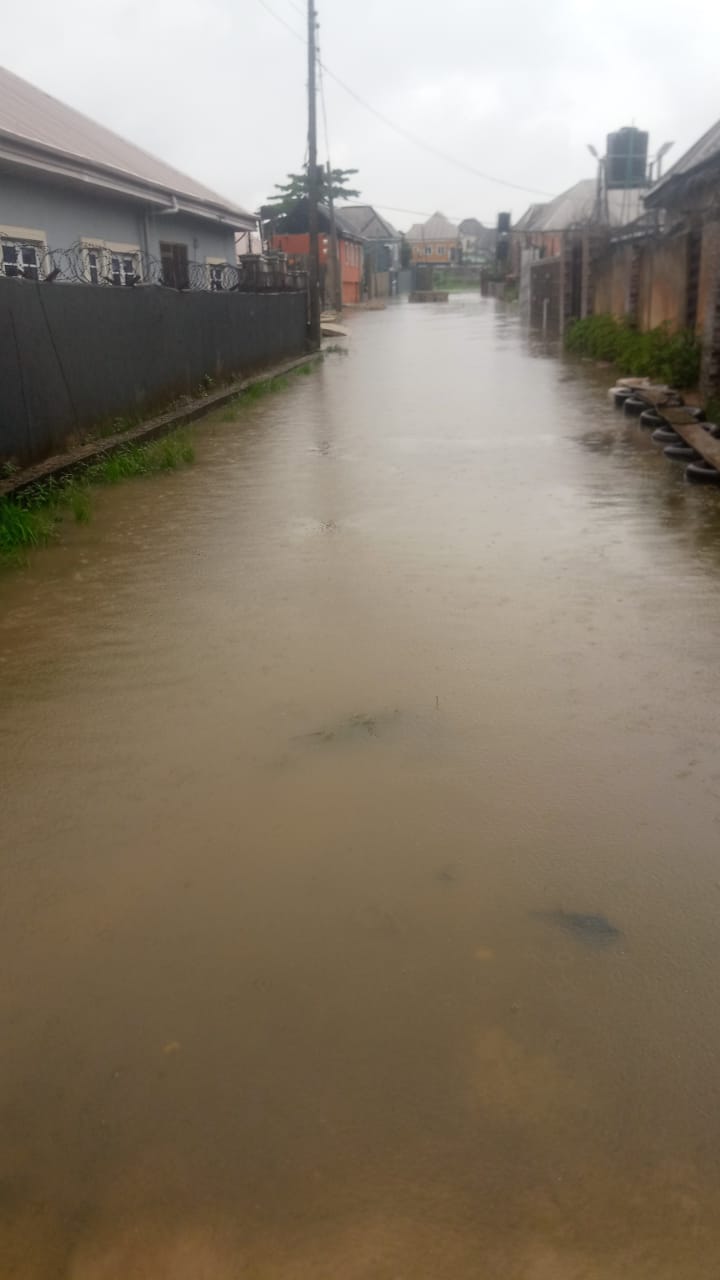
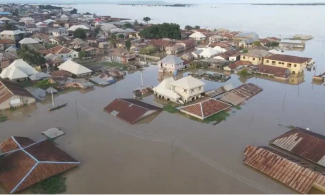
This time it was not the usual story of Lokogoma or Trademore Estate, the low-lying settlements on Abuja's fringes that have flooded so often the disaster barely makes the news. Floodwater surged through Wuse 1 and Wuse 2, Adetokunbo Ademola Crescent, Garki, Katampe, Gudu, Durumi and Gaduwa the manicured heart of the city, the districts where ministers live and diplomats are chauffeured. Cars were swallowed outside event centres. A bridge disappeared beneath brown water. Motorists sat marooned for hours. Abuja's elite discovered, rather suddenly, that the drainage crisis they had spent years explaining away as somebody else's problem was in fact their own.