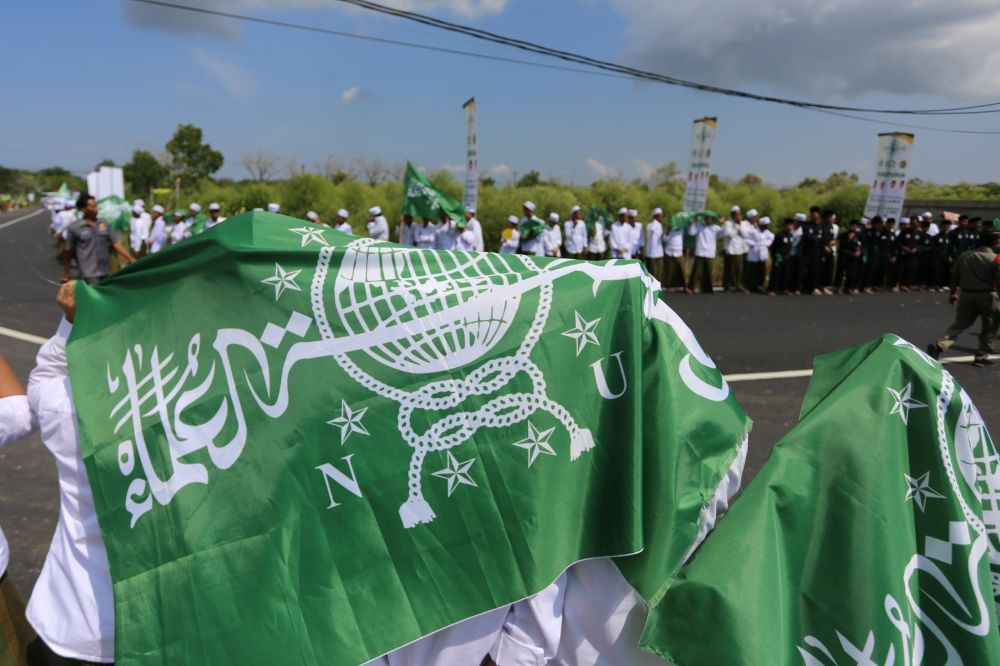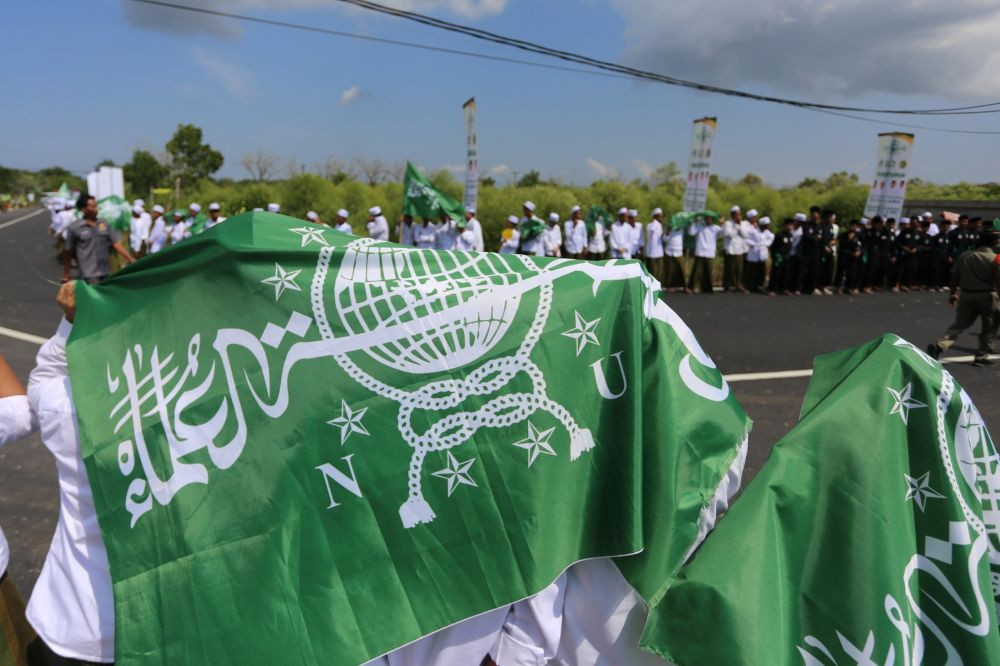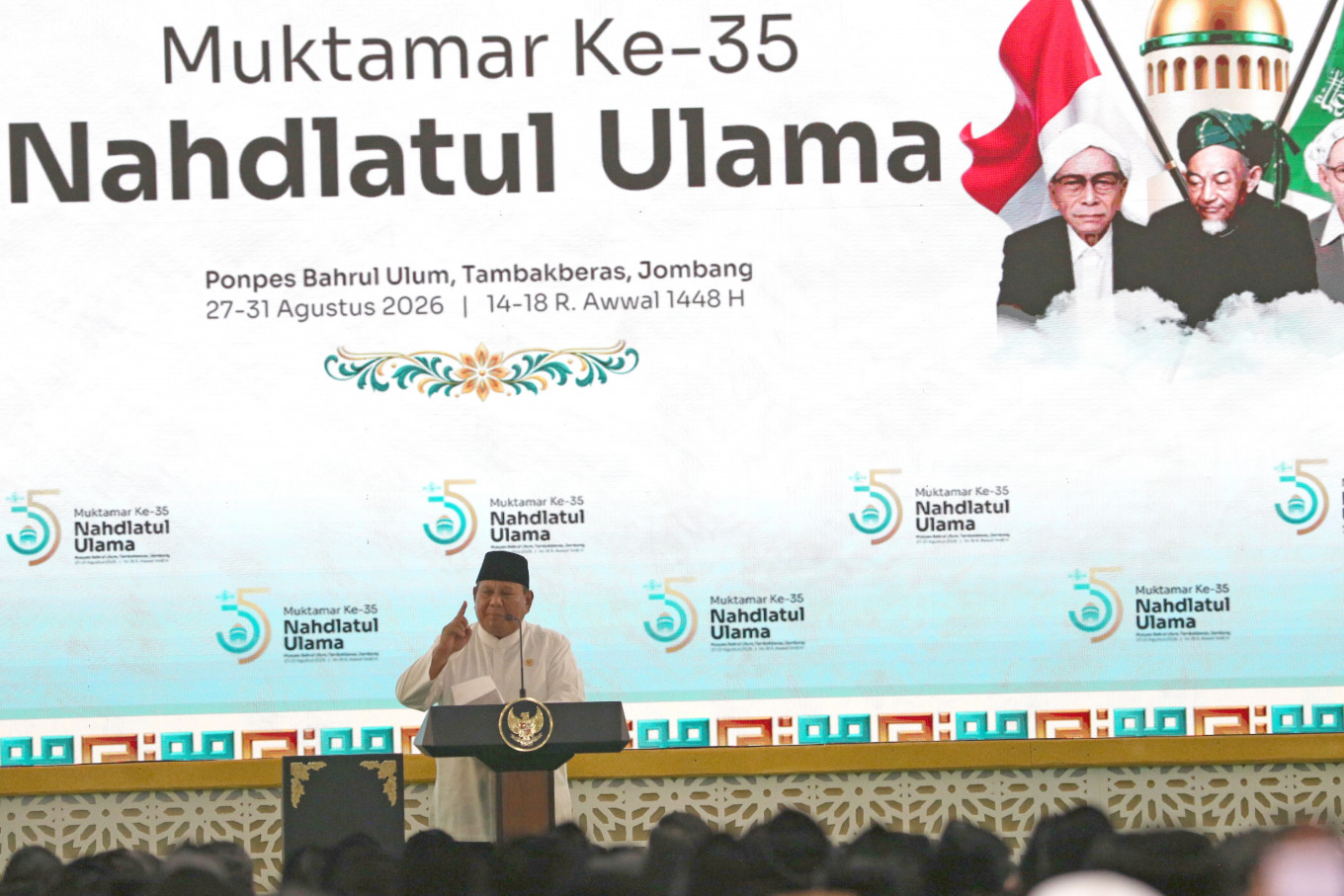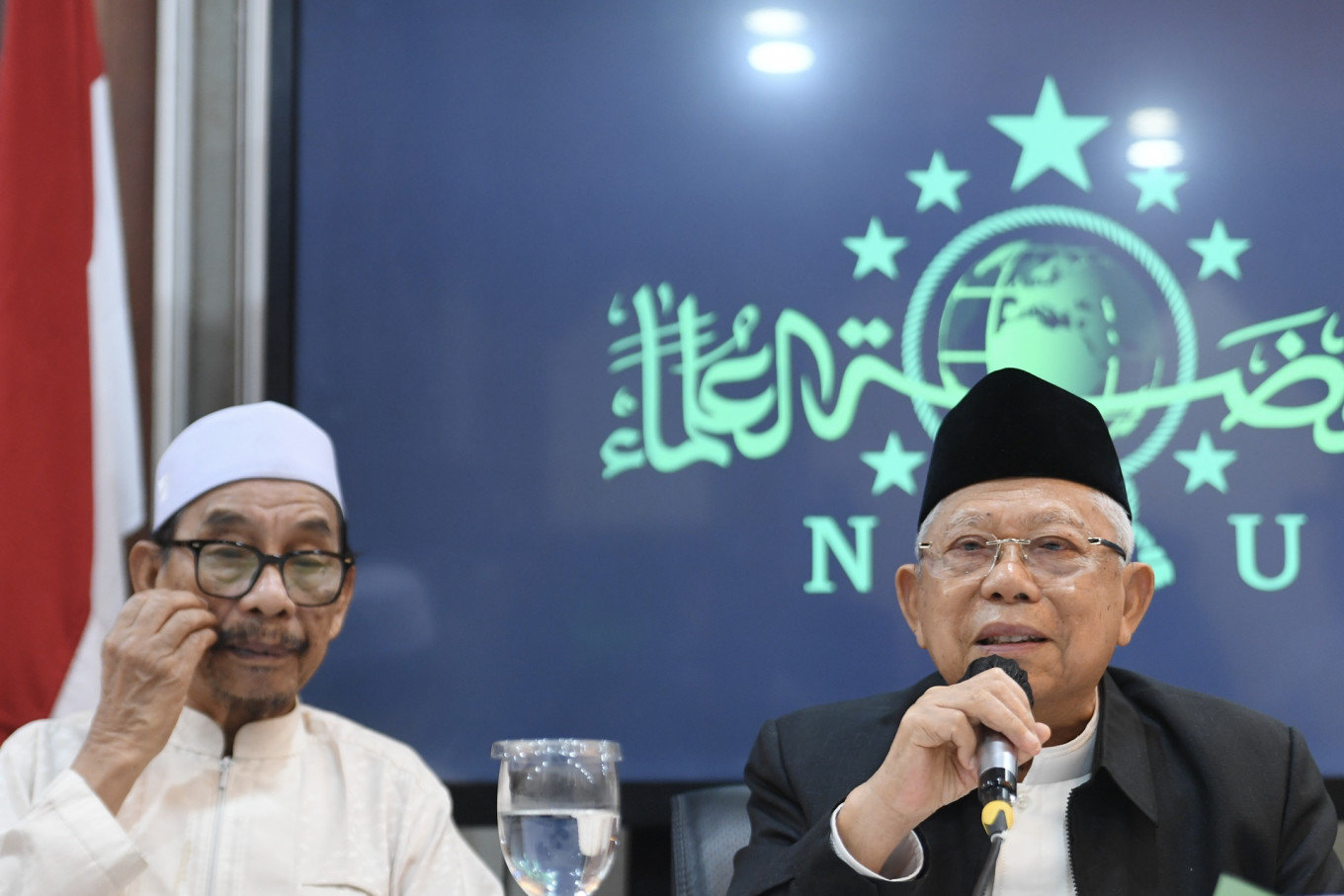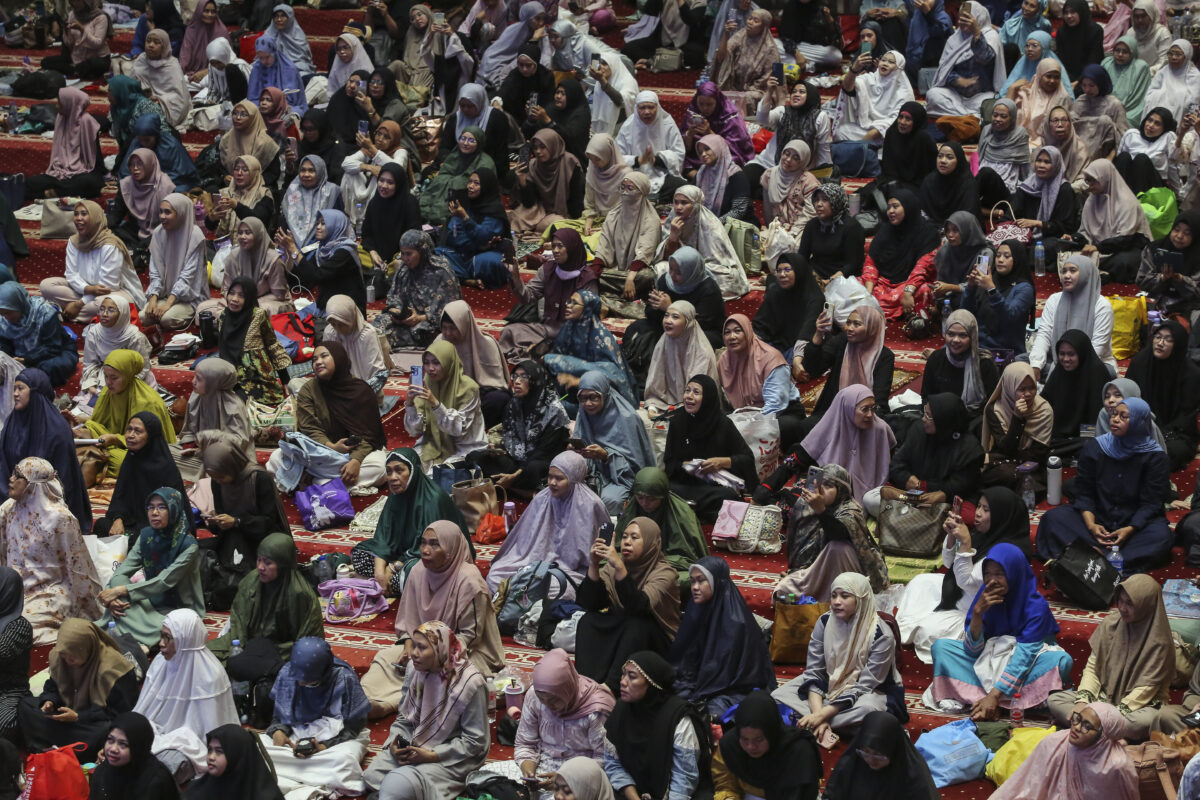
Nahdlatul Ulama (NU) — the largest Islamic organisation in both Indonesia and the world with over 40 million members — commemorated its 100th anniversary in January 2026. This milestone should have been a time to celebrate the organisation’s promotion of a moderate and inclusivist interpretation of Islam and long-standing involvement in religious and public discourse. But the organisation faces serious political challenges that will likely determine its future.
Much of NU’s authority as an autonomous civil society organisation was earned during the tenure of former NU general chairman Abdurrahman Wahid from 1984 to 1999. But NU’s ability to express critical views and speak truth to power has since eroded as its clerics and activists increasingly engage in transactional politics, receiving ministerial and other political appointments as well as other forms of state patronage. These decisions have tarnished NU’s reputation and that of its national leadership.
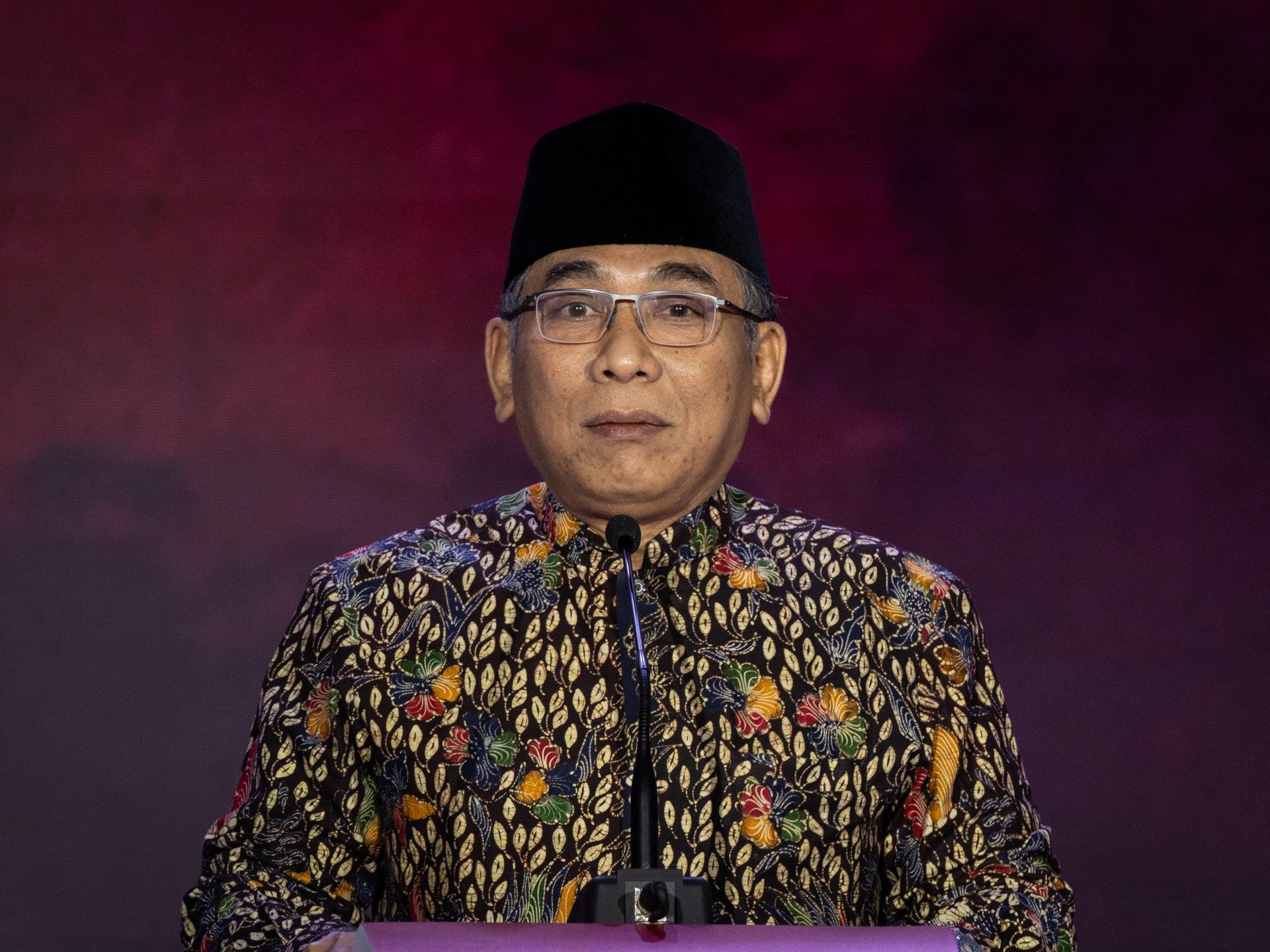
NU Chairman Yahya Staquf was elected after pledging to continue Wahid’s moderate, pluralist vision of Islam. Yet Yahya’s chairmanship has been marred by a series of controversies and scandals. The managerial reforms he introduced within NU led to accusations that he was promoting a top-down, heavy-handed and autocratic leadership style.