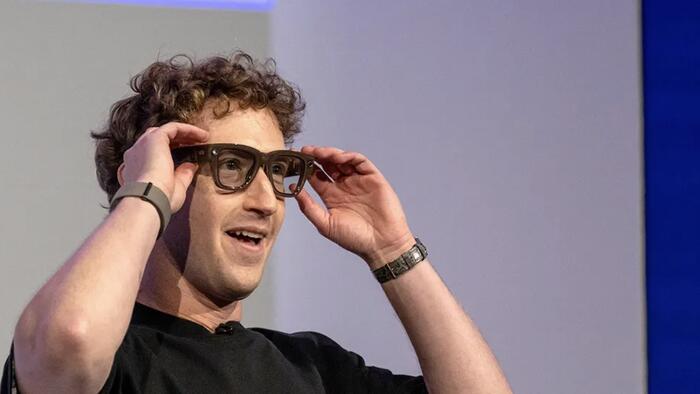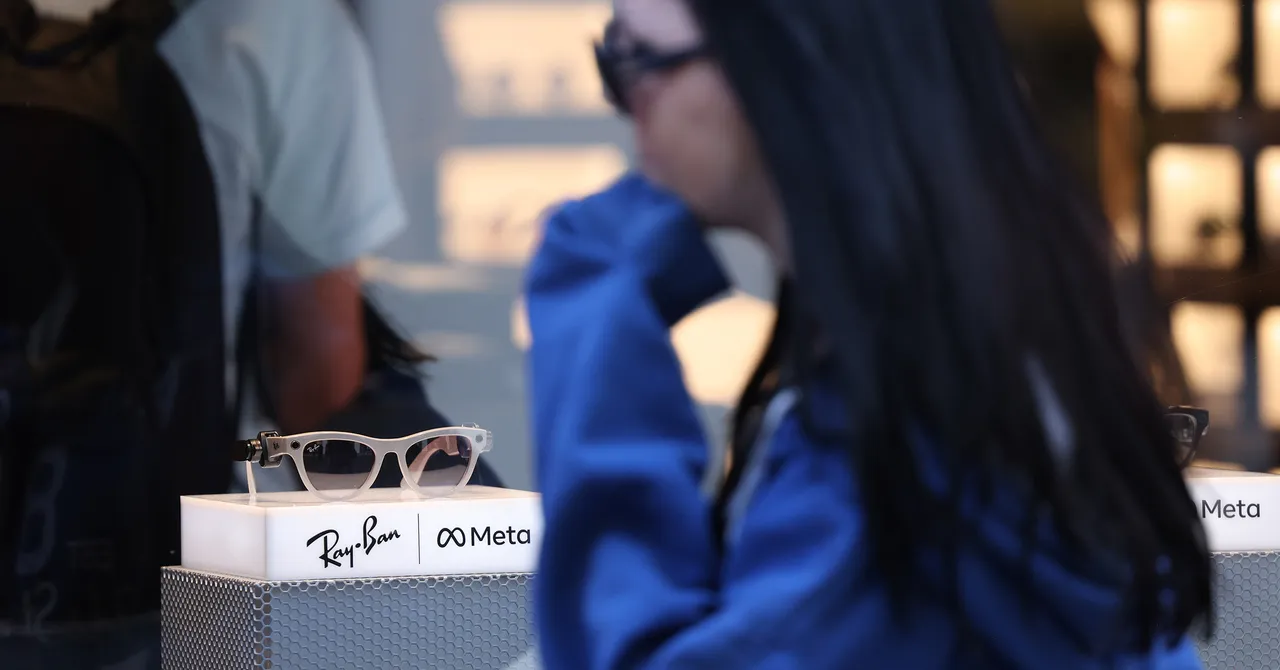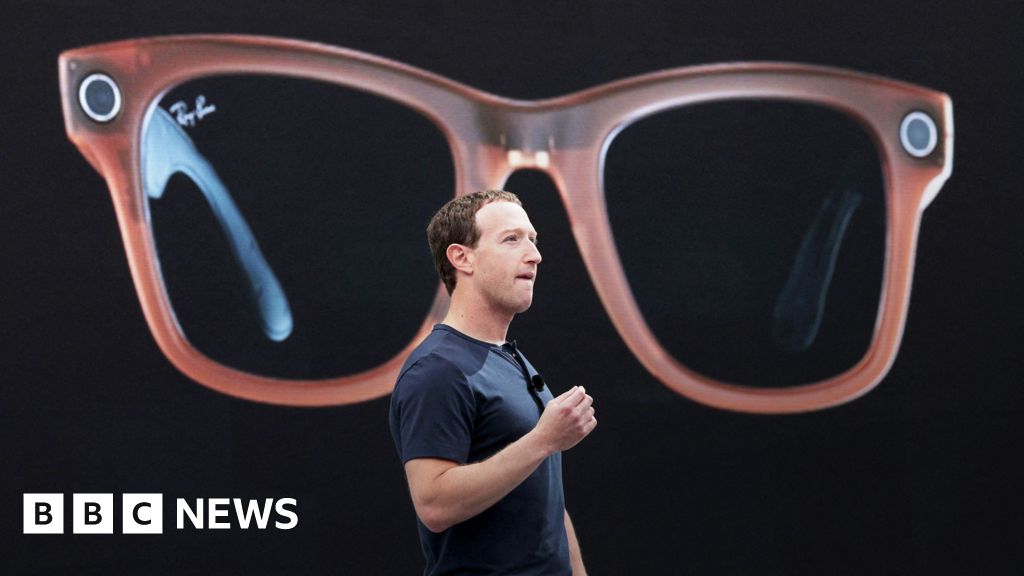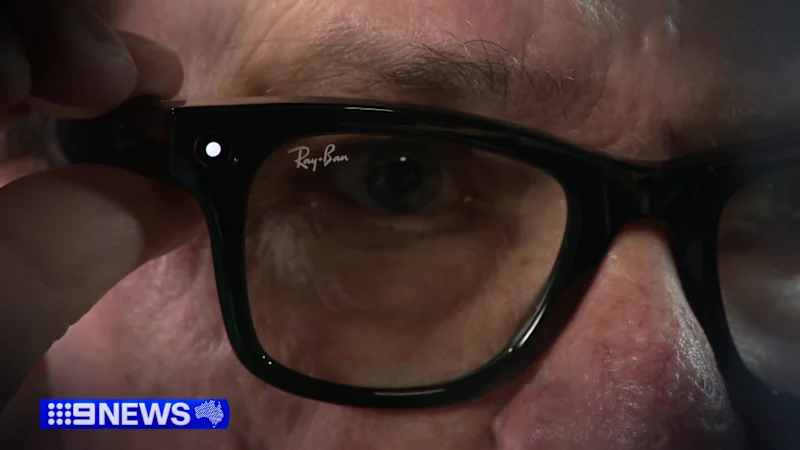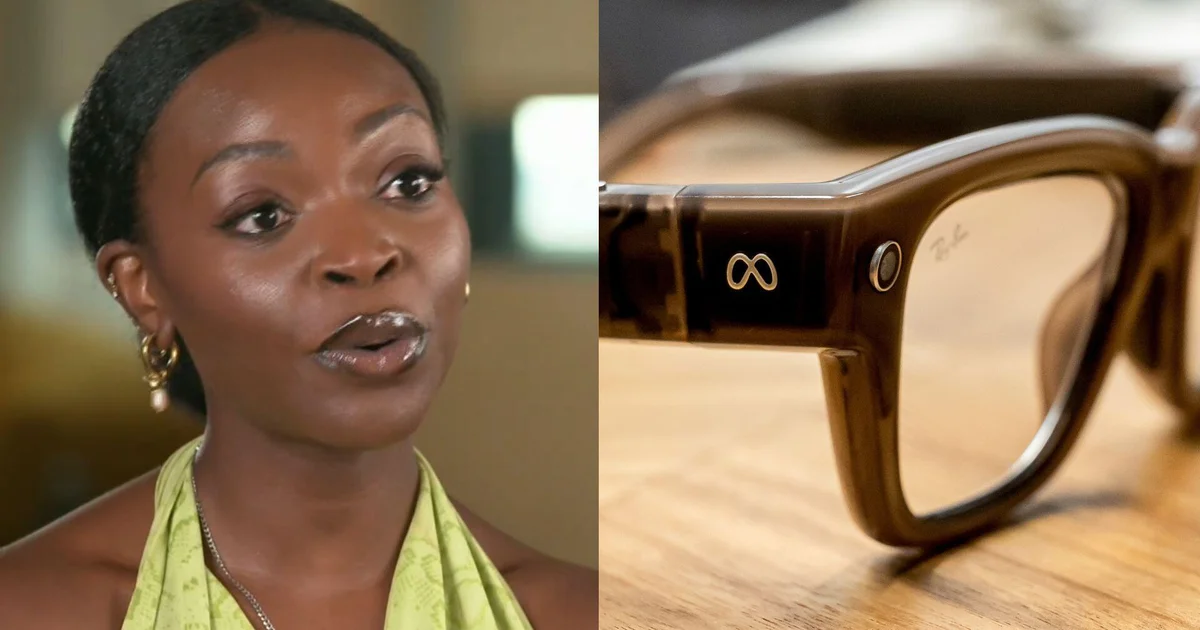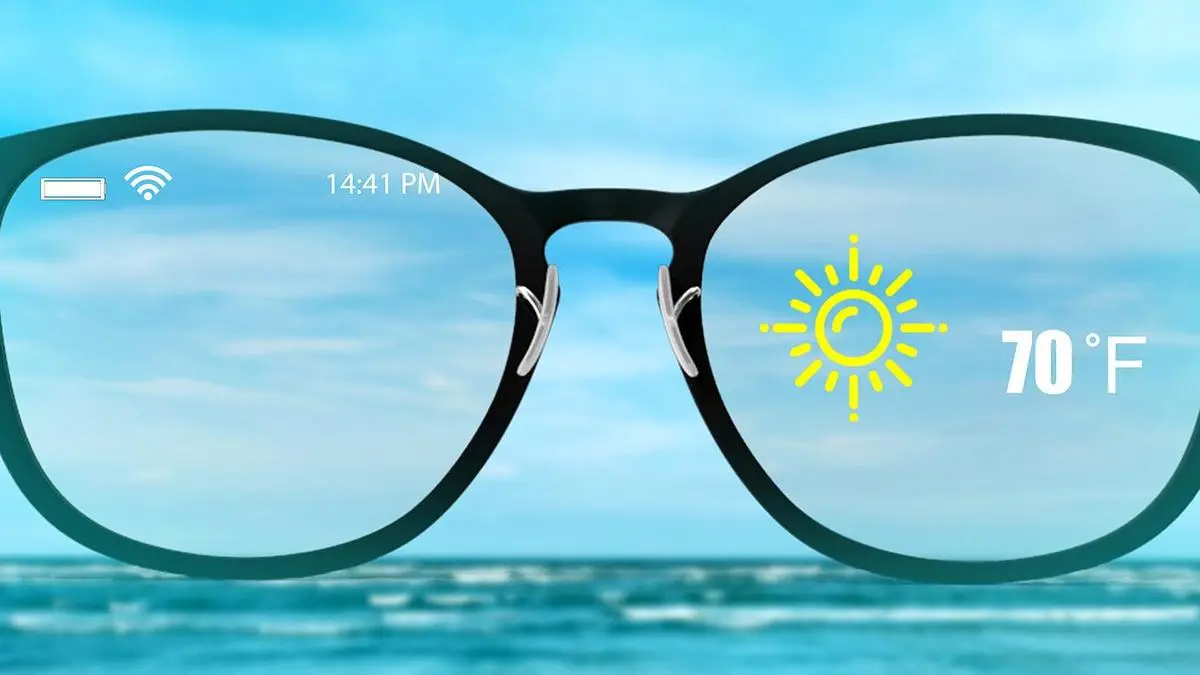
When Shaili Lodariya realised she had been recorded without her consent by someone wearing smart glasses, what had seemed like an impressive piece of wearable technology suddenly became unsettling.“As a woman, the thought of someone being able to record me without my knowledge or consent is deeply invasive,” said Lodariya, a PR professional from Gujarat.Smart glasses are rapidly moving from novelty gadgets to mainstream consumer technology, combining cameras, speakers and AI assistants in a hands-free form factor. But as the devices become more popular, their ability to record people who are not wearing them--and may not even realise they are being recorded--is raising questions around consent, surveillance and the limits of privacy in public spaces.“I know enough about the technology to recognise when the glasses are recording. But my grandma or even my 10-year-old cousin probably wouldn’t. That tiny light is easy to miss if you don’t already know what you’re looking for,” she said.The issue is also being reported at the street level. A public service announcement by Bengaluru-based activist group St. Broseph warned of reports of men wearing camera-equipped glasses approaching women in crowded areas, engaging them in conversation and allegedly recording the interactions without their knowledge.The problem, experts say, goes beyond whether a small indicator light is visible. Once footage has been captured, questions arise over where it goes, how long it is stored, whether AI systems analyse it, whether faces can be identified and whether people’s behaviour or movements can be profiled.“The person wearing the glasses has chosen the device, but everyone around them can become part of the data without making that choice,” said Atul Rai, CEO and co-founder of Staqu Technologies.He said that the industry is still thinking about privacy more reactively than it should. Currently, smart glasses are largely being driven by consumer excitement, better hardware and smaller form factors. Privacy often comes later.Siddhant Aggarwal, founder of Luxid Tech, said unrestricted visual capture should not be treated as an inevitable feature of augmented reality devices.“Intrusive surveillance begins when devices capture identifiable people or private spaces without knowledge or consent, especially when that footage is transmitted for AI training. Reading a barcode or RFID tag and overlaying authorised data stays on the right side of the line. Continuously recording bystanders in public or private spaces does not,” Aggarwal explained.The technology becomes more problematic when recording is persistent, people are identified or information collected for one purpose is subsequently used for another.The development illustrates a fundamental problem with wearable cameras: consent from the person operating the device does not necessarily extend to everyone in its field of view.“The biggest issue is the bystander,” Rai said. “The person wearing the glasses may have agreed to the manufacturer’s terms, but the person sitting next to them on a train has agreed to nothing. Yet their face, voice and behaviour could potentially be captured and processed.”That raises questions about whether existing privacy laws are sufficient for devices that can capture visual information continuously and discreetly.Lagna Panda, partner at AP & Partners, said smart-glass recording can be treated similarly to recording with a camera or mobile phone, with individuals relying on the personal-use exemption under India’s Digital Personal Data Protection (DPDP) Act. But she said recordings used for AI processing raise different questions, depending on how the recordings are obtained and the purposes for which they are processed.Meanwhile, Aggarwal said existing frameworks such as the GDPR and India’s DPDP Act provide principles around consent, data minimisation and purpose limitation, but wearable cameras present practical enforcement challenges.“Clearer sector-specific guidance on wearable cameras, mandatory recording indicators, and stricter rules on human review of user-generated video would strengthen the existing regime,” he said.Technology companies could also reduce the risk through product design rather than relying solely on privacy policies after deployment.Rai advocated processing video on the device wherever possible, limiting retention and putting stronger controls around identity-related capabilities such as facial recognition.“Before building a feature, engineering teams should ask some basic questions. What does the camera need to capture? Does that information need to leave the device? Can the required intelligence be generated locally? Does the original video need to be stored at all? Who can access it, and when should it automatically disappear? Companies should actively test how their technology could be misused. If engineers can turn a feature into a stalking or identification tool, somebody outside the company will eventually try to do the same,” he said.Aggarwal similarly said cameras should default to being off or require “clear, visible activation with unmistakable indicators”, while data should remain local or under enterprise control wherever possible.Published on August 22, 2026
As smart glasses go mainstream, privacy concerns follow
As smart glasses gain popularity, privacy concerns rise over unauthorized recording and the implications for consent in public spaces.
768 words~3 min read