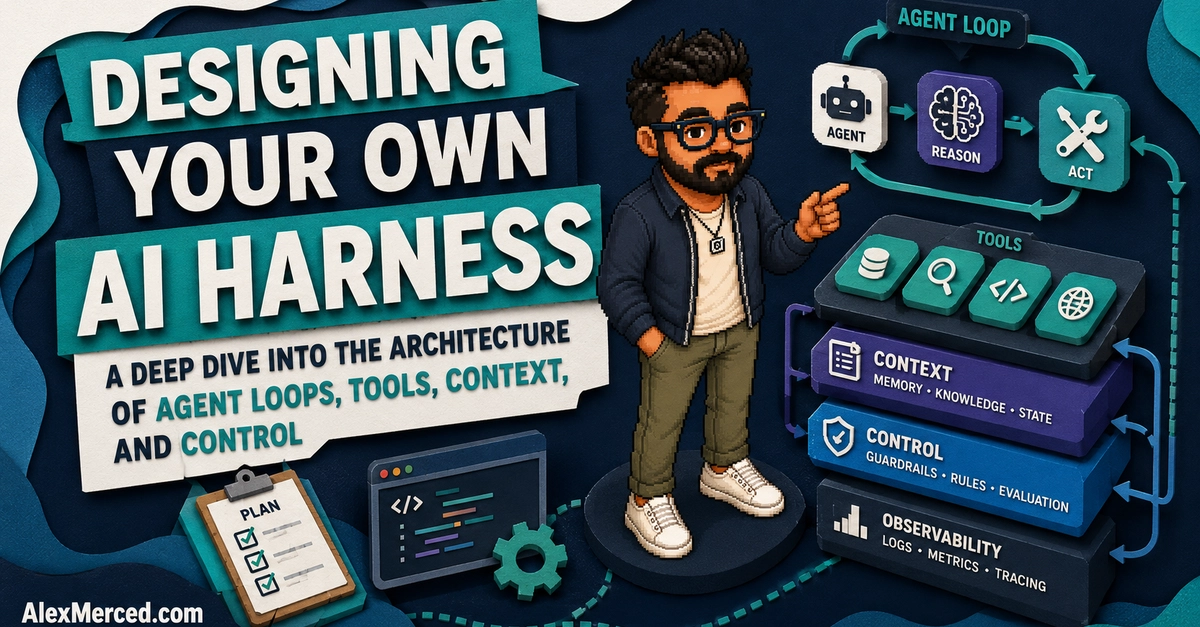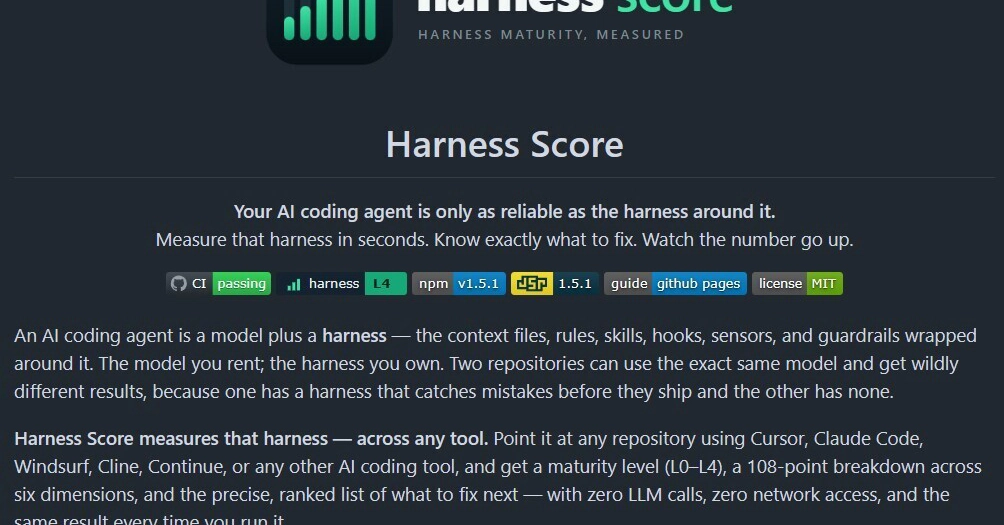
Most teams treat ‘which model’ as the important decision. The harness engineering literature keeps pointing somewhere else. In LangChain’s Terminal-Bench experiment, changing only the harness—same model throughout—moved a coding agent from roughly 30th place into the top 5.
That result reframes the question. If the harness decides quality, then how you run the loop becomes an architecture decision, not a deployment detail. Paul Iusztin’s open-source course Building a Coding Agent From Scratch builds a Python agent called Decode. Published through Decoding AI, it separates three run modes. Each mode has a different latency profile. Each one therefore wants a different inference provider.
One headless core, three shapes
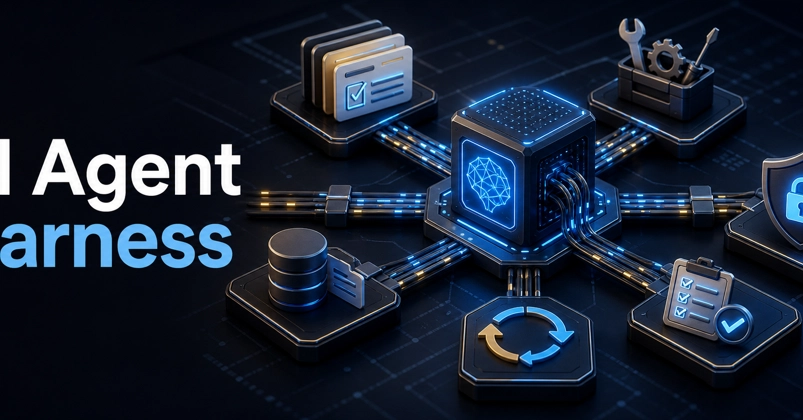
The center of the system is a headless harness with no interface of its own. Inside it runs the agent loop every harness shares: the LLM picks an action, a tool executes, the observation feeds back. Everything reads from and writes to the context window.
The agent itself is small. In Decode it is a ~20-line Pydantic AI definition composing a model, tools, and an output type. In Claude Code’s leaked source, the core loop is roughly 150 lines. Everything else—memory, skills, sandbox, permissions, LSP feedback, compaction—is harness.