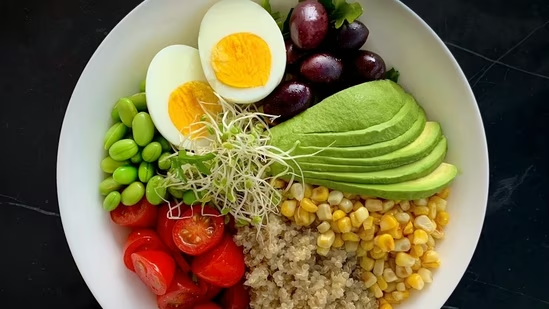
One of the supermarket's most popular items is now protein. The term is written on everything from cereal and popcorn to drinks and snack bars in practically every shopping aisle. However, obtaining adequate protein does not always need purchasing goods made specifically to supply it. In reality, foods that many individuals already have at home are among the simplest ways to improve protein intake. A small amount of Greek yogurt in mashed potatoes, beans in a soup, or tofu in a smoothie can significantly alter the dish without altering it entirely. As we grow older, paying attention to protein becomes increasingly important.Why Do We Need More Protein as We Age?Sarcopenia is the term for the natural loss of muscle mass that occurs as people age. Maintaining muscle can affect daily independence, from carrying groceries and climbing stairs to performing home duties. It's not only about looking good. The Mindful Chow's founder, registered dietitian Janice Chow, told Prevention that as we age, our bodies also lose some of their ability to use protein. Anabolic resistance is the term for this. According to research cited by Prevention, older persons may require 1.0 to 1.2 grams of protein per kilogram of body weight daily; however, highly active individuals may require more. Rather than trying to squeeze most of that protein into dinner, adding smaller amounts throughout the day can make the target easier to reach.Start With Your BreakfastThere are several options for breakfast without grabbing a protein smoothie. Try incorporating silken tofu or Greek yoghurt into your morning smoothie regimen. Depending on the type, a half-cup of Greek yoghurt may provide at least 10 grams of protein. Additionally, oatmeal has more uses than you might imagine. Instead of using water to cook oats, use dairy or unsweetened soy milk, and think about adding pasteurised egg whites or peanut butter powder. You can even improve scrambled eggs. Stirring ricotta or cottage cheese into eggs makes them creamier and provides protein.Make Your Salad More FillingA basic salad can be made more substantial by adding beans, edamame, or hemp seeds. For instance, according to data provided by Prevention, half a cup of edamame contains about 9 grams of protein. Another option is the dressing. Chow recommends mixing silken tofu with salad dressing so that its subtle flavour blends in with the other elements. Another simple substitution suggested by registered nutritionist Matthew Kadey is to replace mayonnaise in tuna, chicken, egg, or potato salads with Greek yoghurt. You add significantly more protein without sacrificing the creamy mouthfeel.Give Dinner a Quiet Protein BoostInstead of using normal water, bone broth can be used to cook rice, quinoa, and other grains. The product will determine the precise amount of protein provided. Even simpler are soups. Beans, split peas, and lentils can be used straight in a variety of cuisines. If you want a smooth texture, you can also blend white beans into creamy soups. Keri Gans, a registered dietitian, advises coating chicken, fish, or tofu with finely chopped almonds or almond flour. Along with protein and unsaturated fats, it adds crispness. Even pasta sauce can be given an upgrade. Blending cottage cheese into tomato sauce creates a creamy sauce while quietly adding extra protein.You Don't Have to Completely Change Your DietOver the course of a day, minor adjustments to the meals you already eat can add up. Having lentils for dinner, beans for lunch, and Greek yoghurt for breakfast could seem much more doable than abruptly switching to a whole different diet. Individuals with unique dietary needs or medical conditions should consult a doctor or qualified nutritionist. Protein demands vary depending on age, body weight, activity level, and health. For everyone else, the takeaway is refreshingly simple: before changing what you eat, look at what you already eat; there may be an easy way to make it work a little harder.
Think you need protein bars and shakes? These everyday foods can help you reach your protein goals
As we age, it's crucial for older adults to increase their protein intake to preserve muscle mass and ensure independence. By simply adding foods like Greek yogurt and beans to meals, one can effectively enhance protein levels without overhauling their diet. Making these small adjustments, such as including protein in breakfast and salads, can significantly assist in meeting nutritional needs during later years.
641 words~3 min read