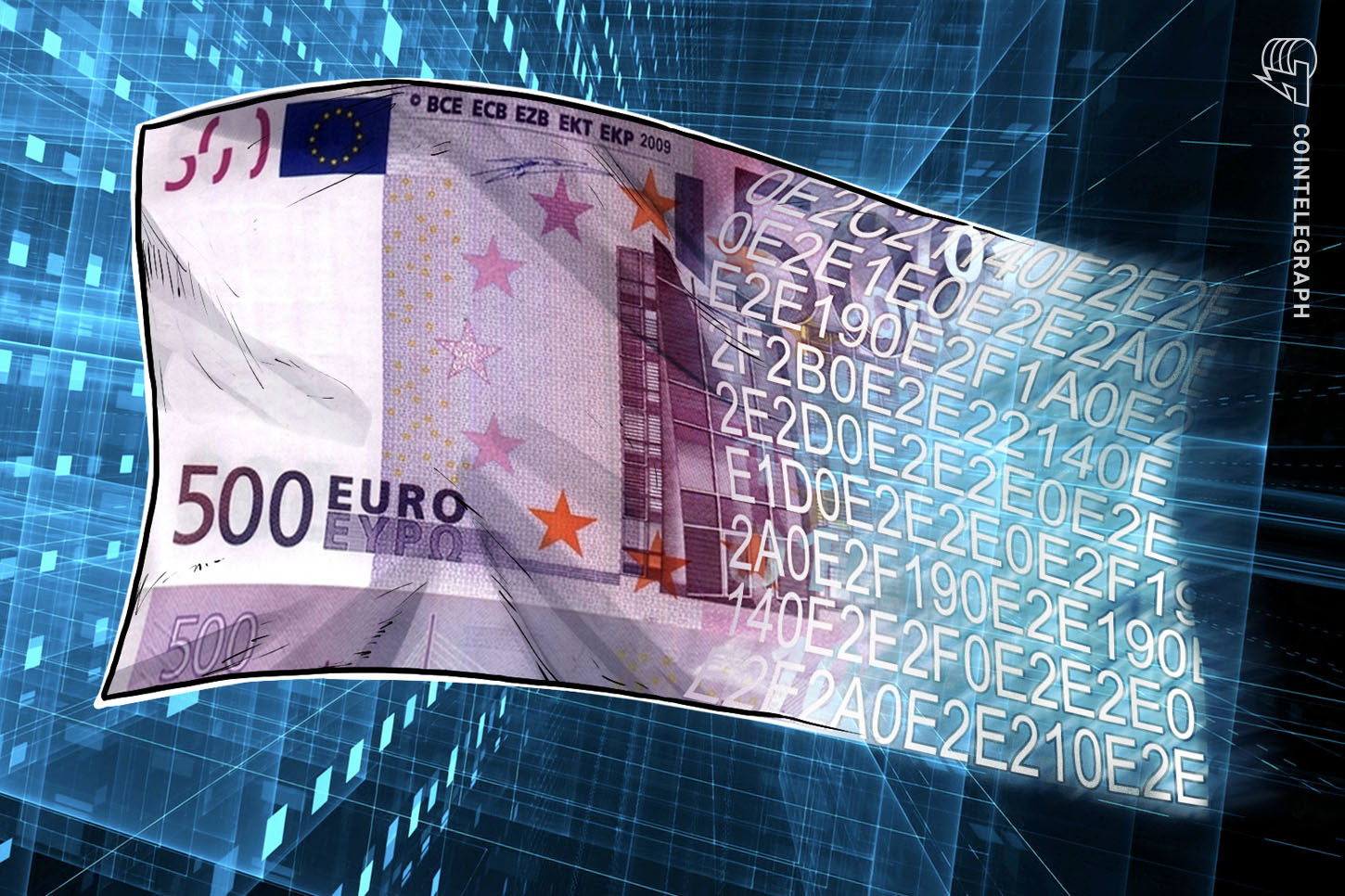
Algorand added $840,800 in euro stablecoin market cap over the week ending August 22, making it the third-largest blockchain for euro-pegged stablecoin growth during that stretch. The increase comes as euro stablecoins collectively grew by roughly $17 million over the same period, pushing the sector’s total market cap to nearly $674 million by mid-2026. That’s a 128% year-over-year jump for euro-denominated tokens.
What’s actually living on Algorand
Algorand’s largest euro token is Quantoz EURQ, sitting at approximately $768,000 in market cap. Stasis Euro (EURS) trails at around $78,000, and Monerium EURE rounds out the pack at roughly $6,000. Nearly all of the $840,800 weekly increase flowed into EURQ, which now dominates Algorand’s euro stablecoin landscape. Algorand’s total stablecoin market cap sits at about $34.4 million, with USDC doing most of the heavy lifting. The broader stablecoin market hovers around $308 billion, making Algorand’s entire stablecoin footprint roughly 0.01% of that.
The MiCA effect
The uptick appears to be a downstream consequence of the EU’s Markets in Crypto-Assets (MiCA) regulatory framework, which has been reshaping how stablecoins operate across European markets. The growth was not linked to any Algorand-specific catalyst — no new protocol launch, no partnership announcement, no technical upgrade. MiCA created a rulebook for issuing and managing stablecoins within the EU, giving euro-denominated token issuers regulatory clarity to operate. The result has been a broad-based increase in euro stablecoin activity across multiple chains, not just Algorand. Chains that support compliant euro tokens, whether through partnerships with regulated issuers like Quantoz or through native infrastructure, are seeing inflows as European users and institutions gain access to on-chain euro liquidity.