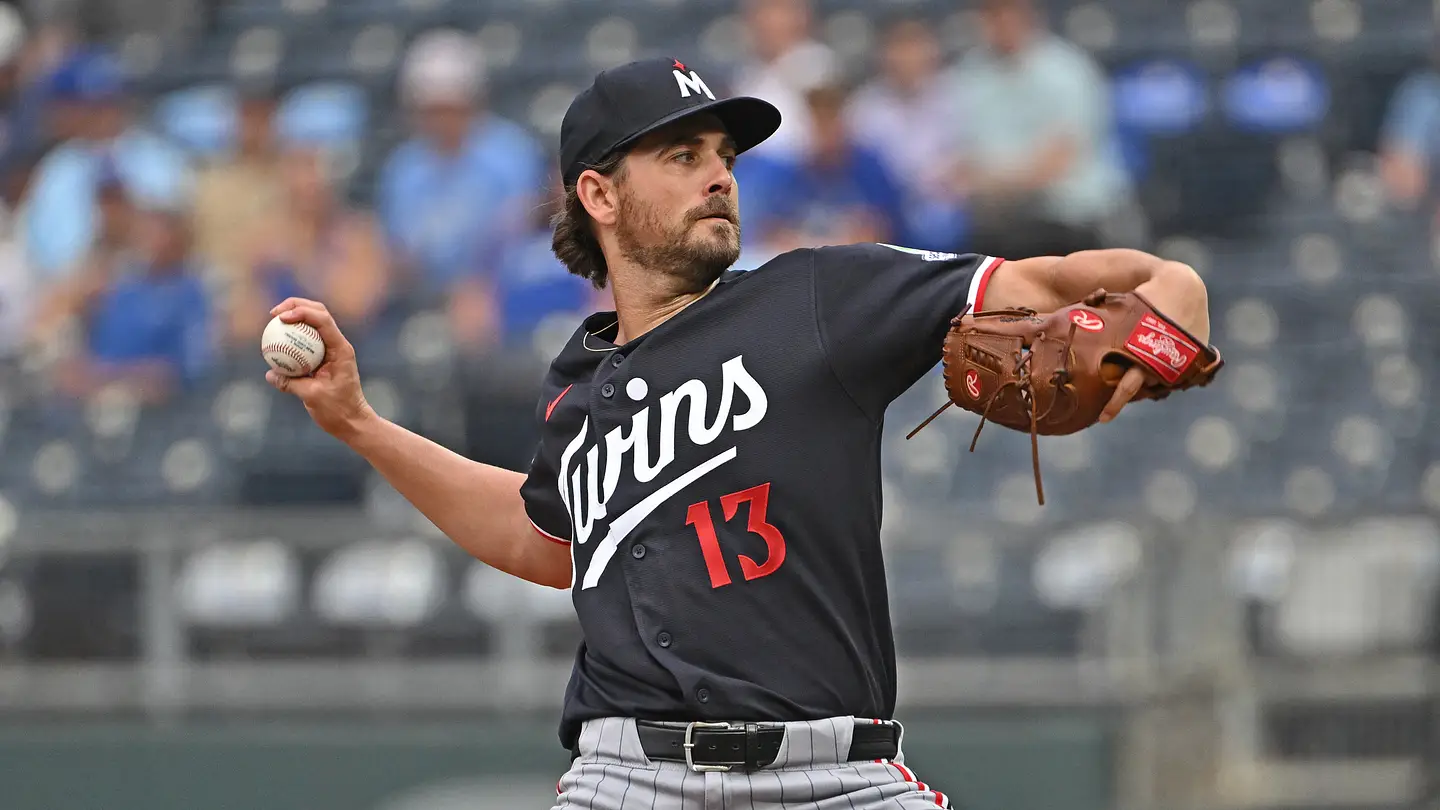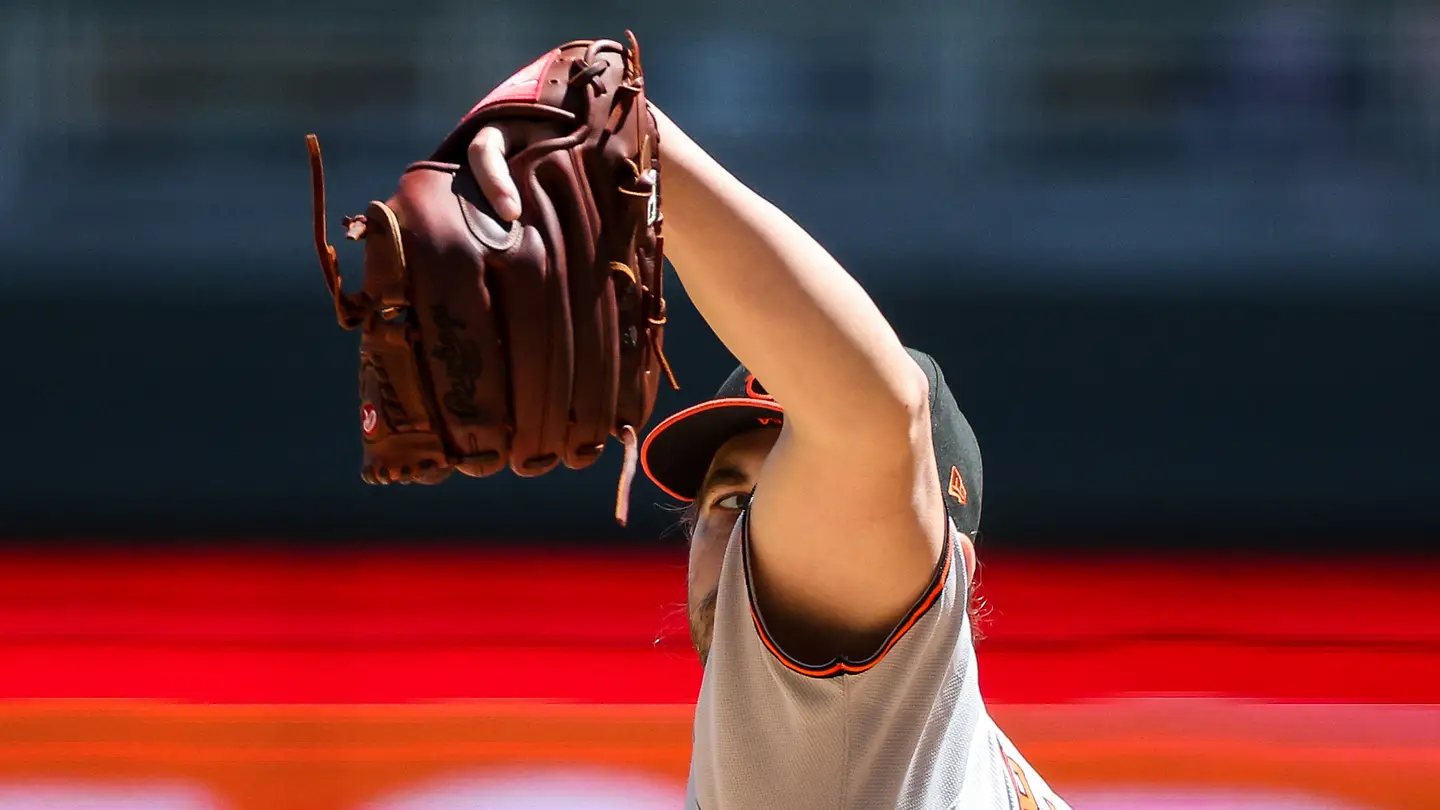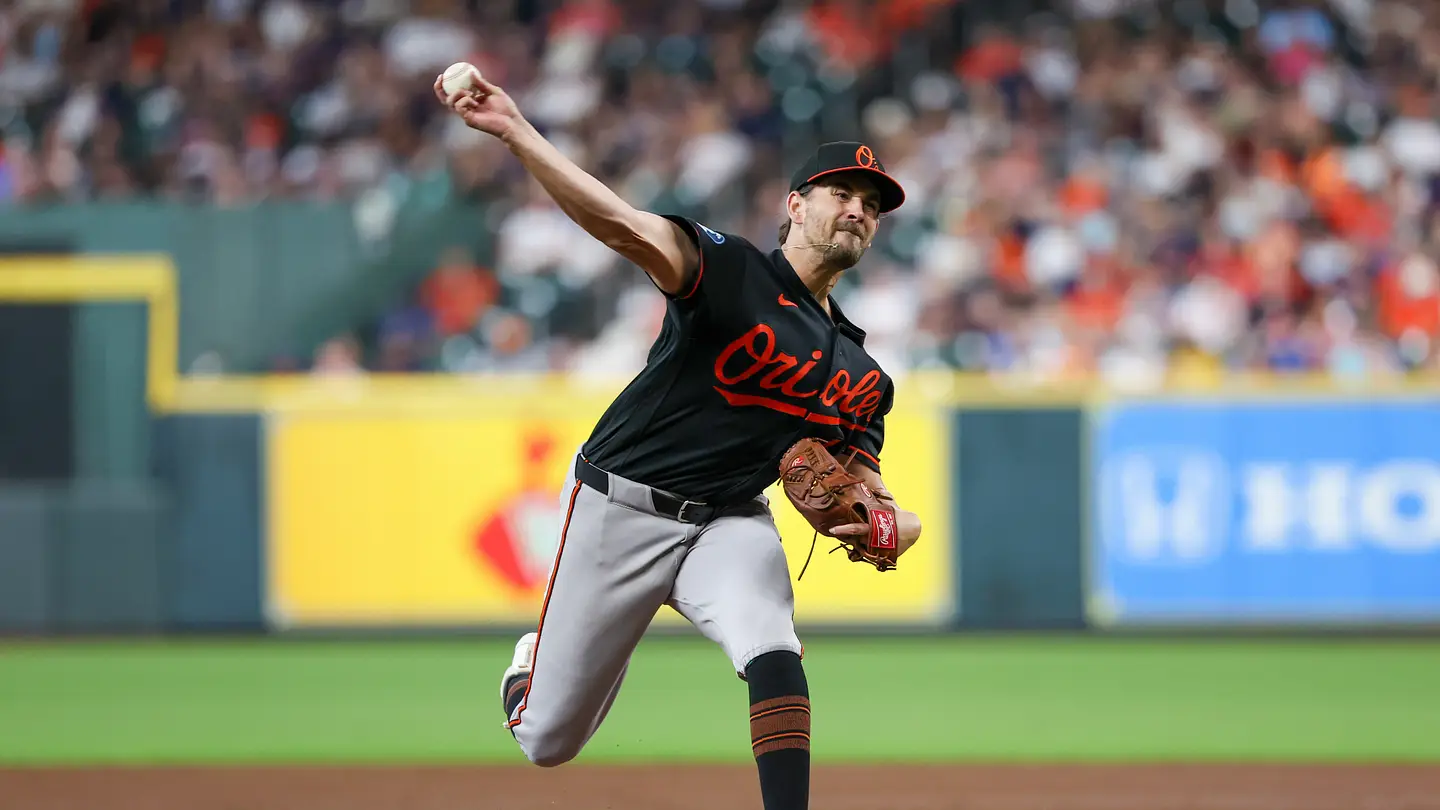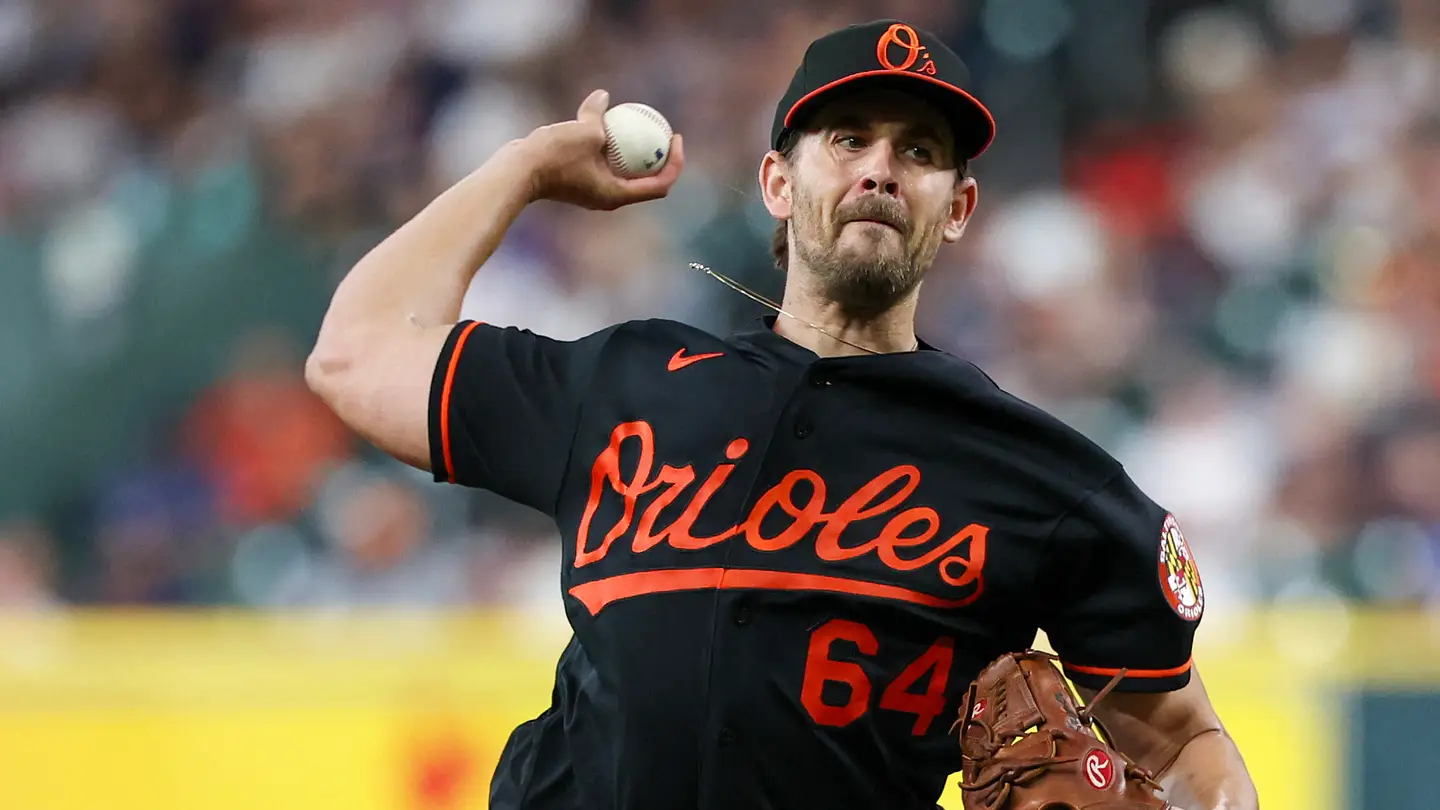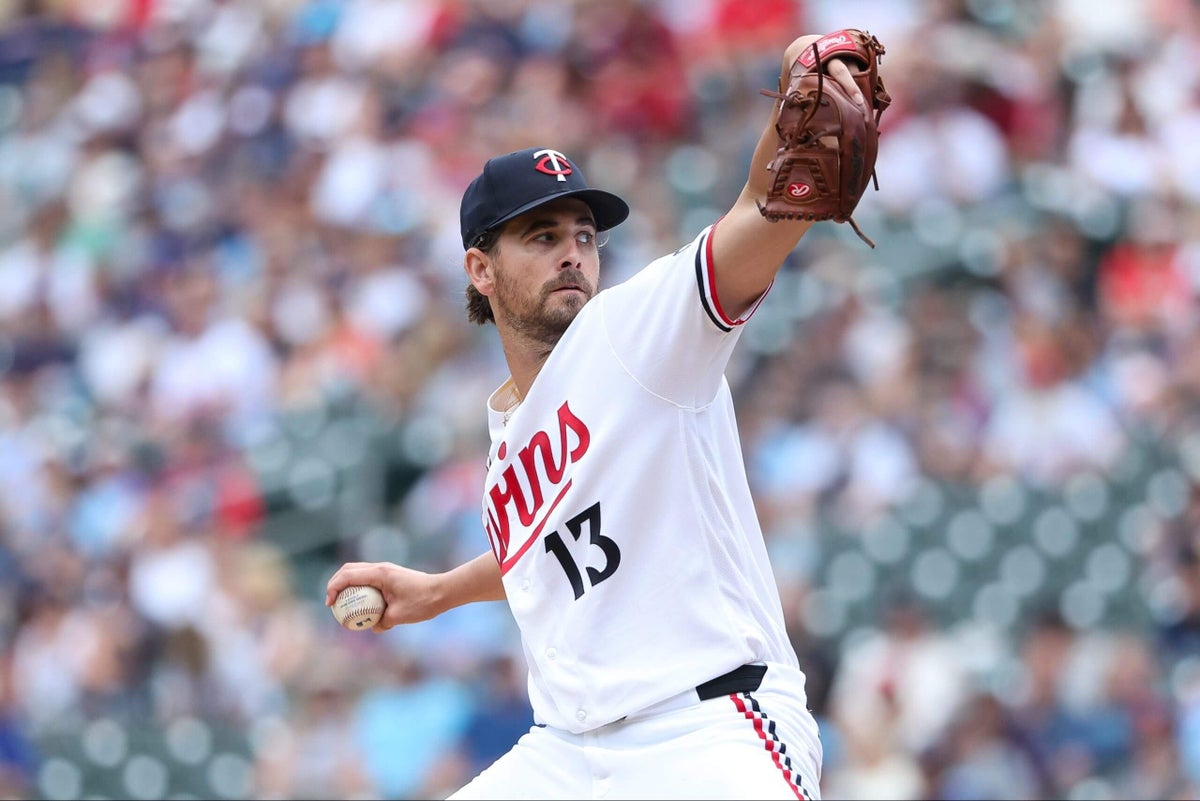
SAN DIEGO — When Dean Kremer was acquired last month, the Minnesota Twins believed they were trading for an established, solid pitcher who, at minimum, would provide what they needed and perhaps even more.Though Twins fans were dismayed the team had traded a top-20 prospect for a pitcher who carried a 6.50 ERA, the front office saw a veteran with a steady baseline performance who offered starting pitching depth and possibly much more in the way of potential upside.Slowly but surely, Kremer and the Twins incorporated several changes, the byproduct of a free exchange of ideas about how they should proceed with their new relationship. From an adjustment in the right-hander’s pitch usage to a higher slot for his delivery, Kremer’s slight makeover is underway, and he’s off to the kind of start the Twins hoped for.Through three games, Kremer, who pitches again Saturday night against the San Diego Padres at Petco Park, is 1-0 with a 3.12 ERA and 15 strikeouts in 17 1/3 innings.Dean Kremer discusses trade to TwinsDan Hayes“We’re always looking for guys we think could take a step forward with us,” Twins general manager Jeremy Zoll said.The Twins’ pro personnel group spent months preparing to buy at the Aug. 3 trade deadline. If the club was a buyer, Zoll’s front office wanted to be ready to move on potential trade targets.Approximately 30 people are involved in the process, including scouts, analysts, biomechanics experts and club executives. They assemble a database of players they’re interested in acquiring, and their files include possible alterations the team could ask a player to make.Then Zoll and his cohorts evaluate the trade market to see which of those players might be available. But even when a trade is completed, the Twins know it’s a fine line in terms of what changes they can reasonably ask a player to make.With less than two months remaining in the regular season, only so many ideas can be presented and executed. New pitches and drastic mechanical changes are likelier to be handled in the offseason.“Are we even going to be able to implement a ton of change?” Twins pitching coach Pete Maki said. “No, it is just, like, picking a couple things. What’s the lowest-hanging fruit? What produces the most yield for the work we put in? We can’t ask them to do eight different things.”Time isn’t the only factor that can disrupt the process. The human element is critical, too.Consider that Kremer learned he had been traded at 11:30 p.m. on July 31. He’d spent the previous eight years with the Baltimore Orioles, after coming over in a July 2018 trade that sent Manny Machado to the Los Angeles Dodgers.In an instant, he was on the move.Before most of his teammates arrived at Oriole Park at Camden Yards the next morning, Kremer was packed and boarding a flight to Seattle to join the Twins. He arrived in Seattle late Saturday and joined his new teammates Sunday morning. Then he headed to the bullpen for an ease-in session with Pete Maki and the pitching group.“It was a very quick 72 hours, whether emotional, physical, mental, all of it,” Kremer said.As eager as they were to get started, the Twins wanted to let Kremer catch his breath before the work began.“We’re dealing with human beings,” Twins manager Derek Shelton said. “Their world gets turned upside down very quickly, especially at the deadline. You’re there. We’re in Seattle. … But when you are going to start to talk about things that we feel organizationally are important, having that work time is vital.”When Kremer pitched for the Orioles, he was in line to start Tuesday, Aug. 4, with a bullpen scheduled for Saturday. Kremer’s bullpen was moved to Sunday, and his start was pushed back to Aug. 5 at the Kansas City Royals.Though the Twins had changes in mind, they wanted Kremer’s insights, too.To prepare for his new starter, Maki called Baltimore pitching coach Drew French for a scouting report and insight into what Kremer had been working on.But rather than having a huge sit-down with graphs, pie charts and the like, Maki and Kremer started engaging in a series of discussions.“It’s gonna be an ongoing thing,” Kremer said. “It’s not, like, between one start specifically. It’s chipping away at things that they value versus what I value. They learn me, and I learn them.”During one discussion, Maki learned Kremer was already considering adjusting his arm slot, the result of an alteration to the positioning of his glove hand. Kremer had previously positioned his glove hand the way he is now with the Twins, but he hadn’t been consistent with it.“Sometimes, I just get away from it,” Kremer said. “I realized this works for me, so don’t go away from it.”The Twins liked Kremer’s idea. With his glove arm repositioned, Kremer is throwing from a higher arm angle. The change is about 5 degrees from where he was previously throwing.The other adjustment has been to Kremer’s pitch mix.Mainly, the Twins like the characteristics of Kremer’s four-seam fastball and have asked him to throw it more. Whereas he threw his four-seamer 25.2 percent of the time this season with the Orioles, he has increased it to 33.5 percent with the Twins. Kremer’s splitter usage is down about 3 percentage points with the Twins, and he’s using his two-seam fastball only 10 percent of the time after throwing it about 15 percent of the time in Baltimore.Maki likes how the two are interacting.“There’s varying degrees of who’s open to what,” Maki said. “When you’re a player who gets to a new organization, you’re inherently curious about what these new people have to think about what you do.”The Twins appreciated what Kremer produced in the American League East from 2020 to 2025.He went 41-40 with a 4.26 ERA in 671 2/3 career innings. Kremer’s performance dipped with Baltimore this season, as he posted a 6.50 ERA in just seven starts. But the Twins believe his poor results were a combination of bad home run luck, limited innings and a pitcher adjusting after being sidelined by a right quadriceps strain in April.At the very least, the Twins believed they were trading for a pitcher who was a quality innings eater. If the ideas floated were effectively employed, the Twins thought Kremer possessed upside.“It’s valuable to assess the player as is to understand what your floor or expected outcome is in a worst-case scenario,” Zoll said. “Do you see upside from there? We know it’s not going to be 100 percent. … But that spread, or gap, is the opportunity we see in the acquisition. If it doesn’t come together, what baseline talent or quality of player impact do we have? You’re trying to balance and factor all those things in.”Shelton knows pitching isn’t his area of expertise. But when the club acquires a new arm, he wants to know if the Twins plan to have the pitcher operate the same as before or if there’s a plan to incorporate new ideas.“The biggest component is building trust with the player, to be able to articulate those (ideas) and then make them actionable,” Shelton said.Shortly after throwing his bullpen session in Seattle, Kremer said the exchange of ideas hadn’t begun yet, as he was only getting to know everyone. But Kremer looked at the situation with an open mind, eager to hear a series of new ideas.So far, so good.“It’s been a natural kind of conversation,” Kremer said. “(Maki) has points that he wants to push across. I have ideas that I want to push across or use as a soundboard or a backboard. … Everything is kind of fluid.”
Twins saw upside in Dean Kremer at the deadline. Now he’s showing promise
From an adjustment in Kremer's pitch usage to a higher slot for his delivery, the right-hander's slight makeover is underway.
1,276 words~6 min read