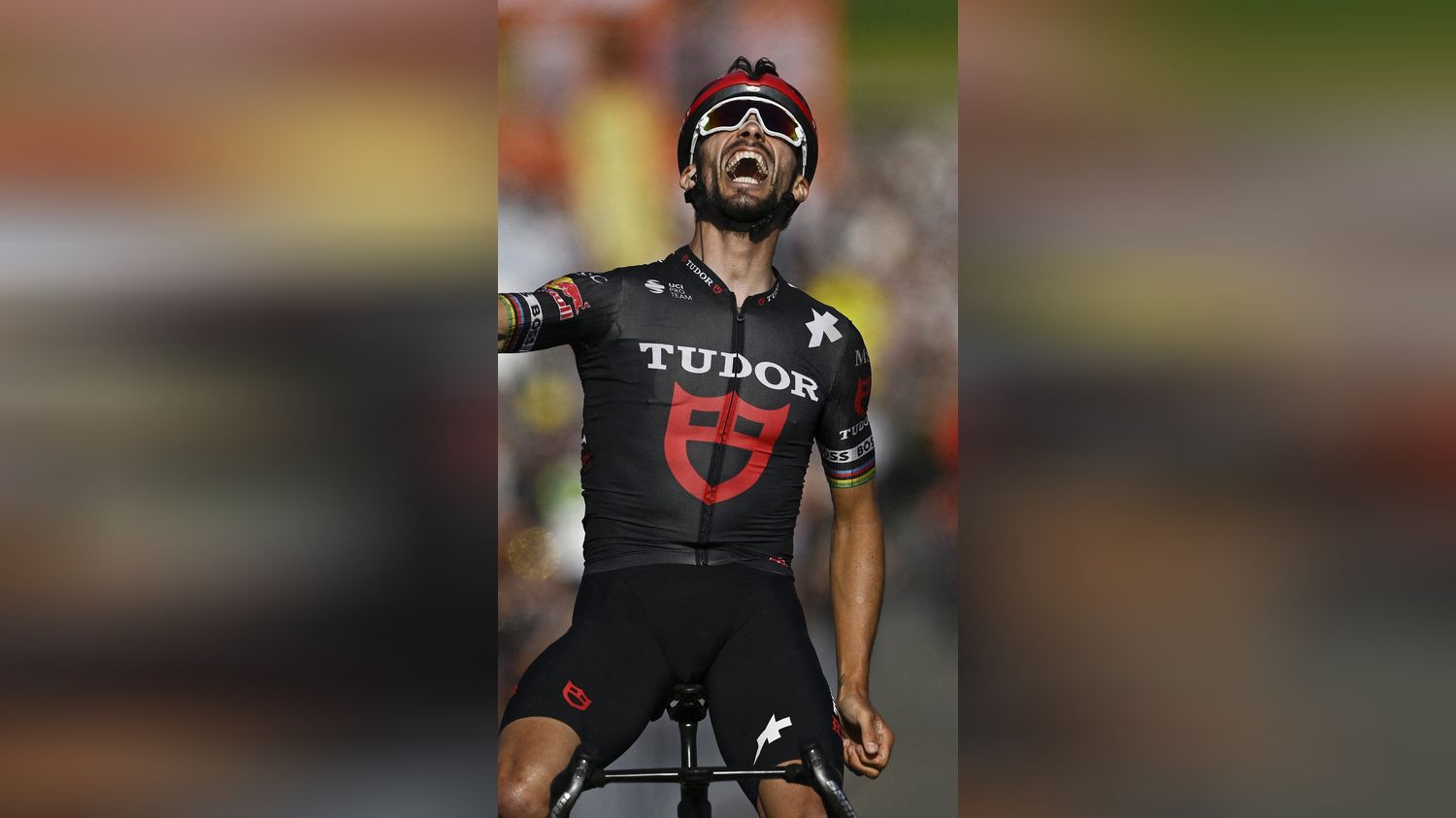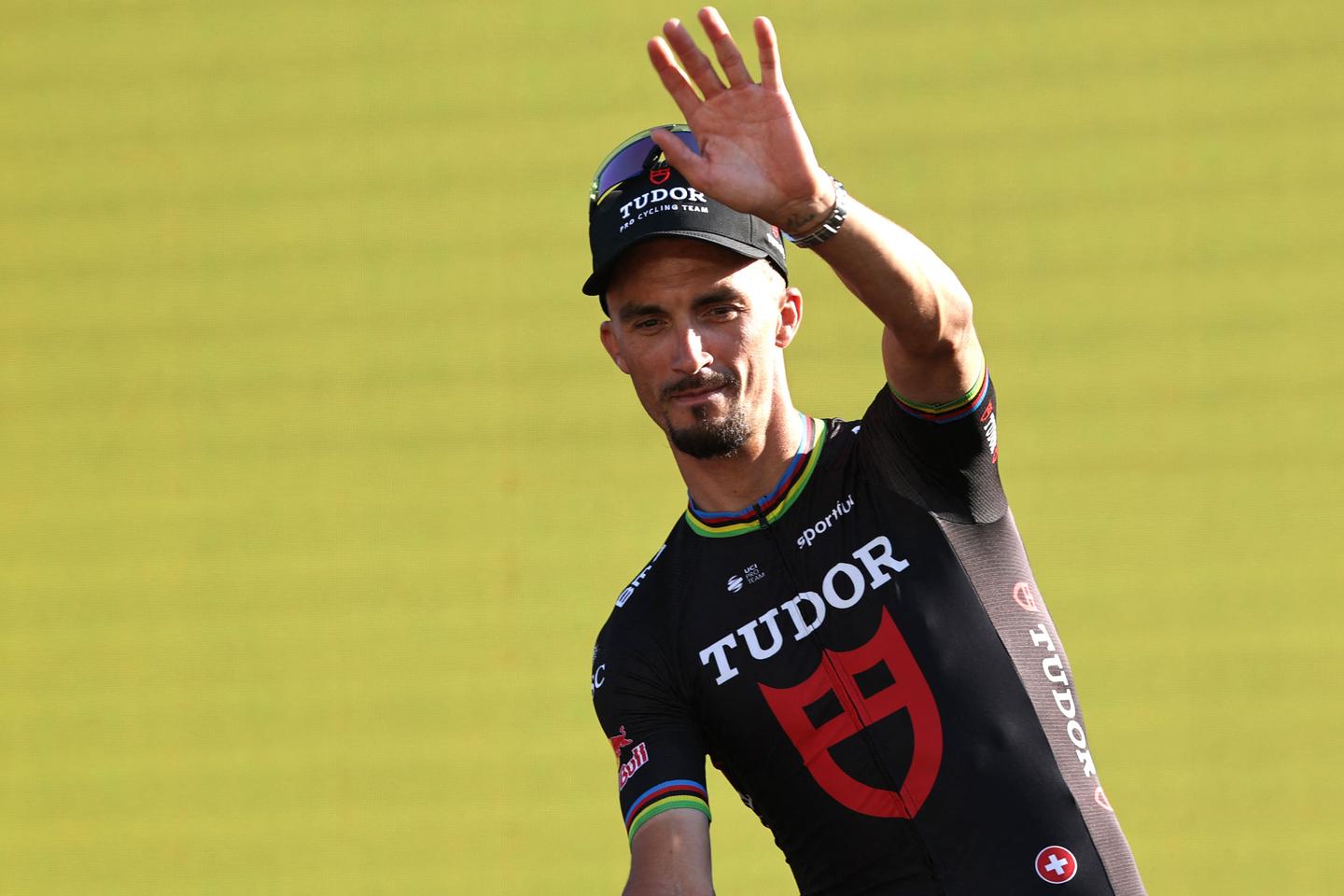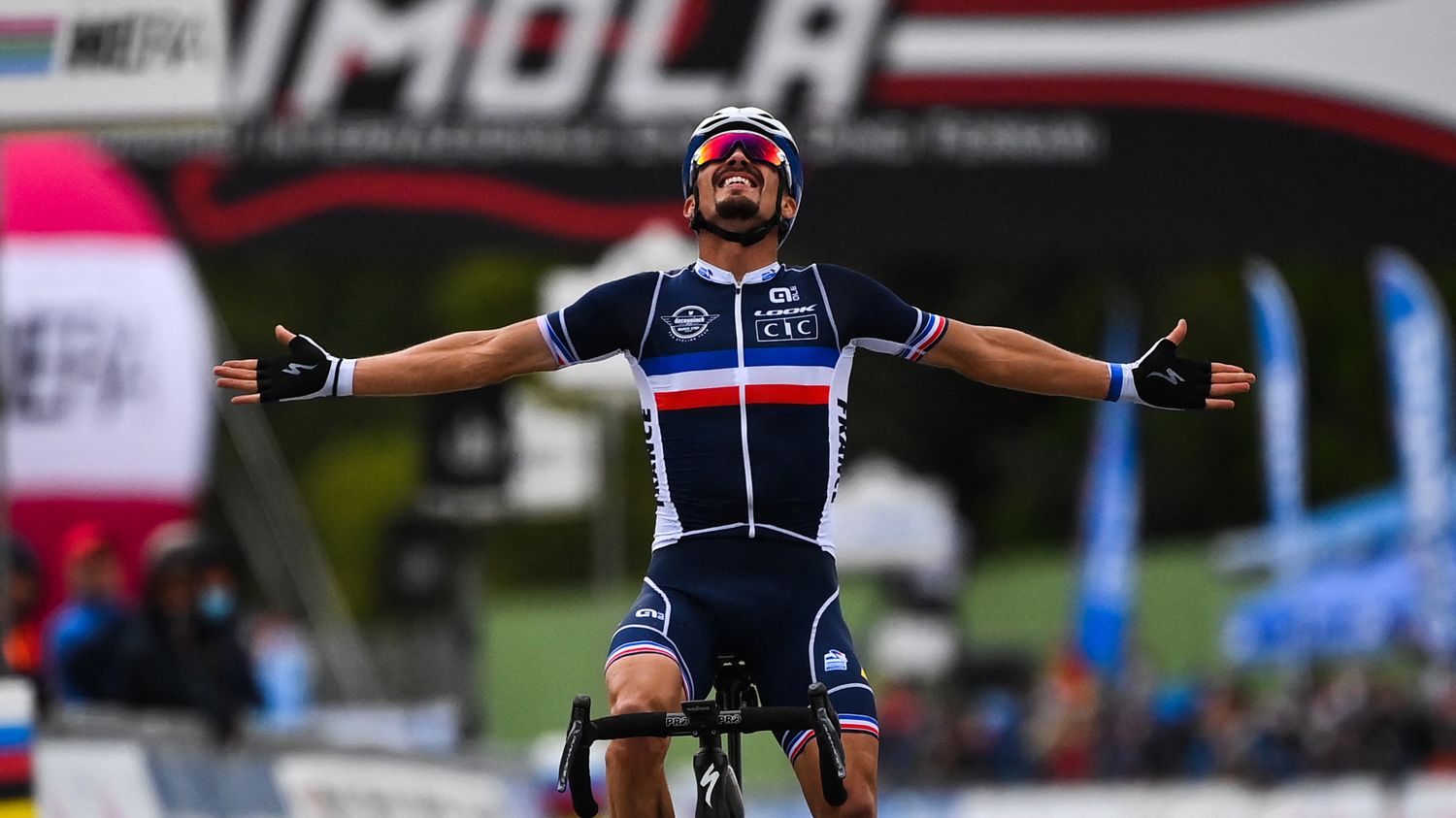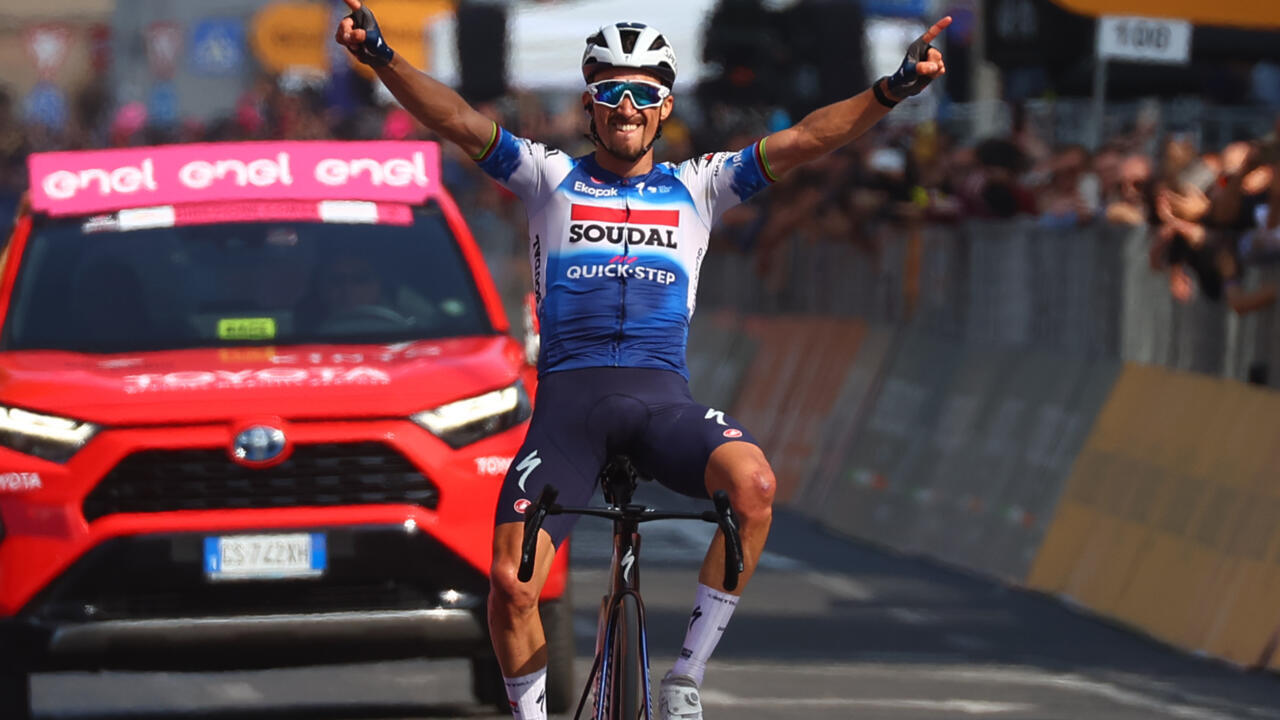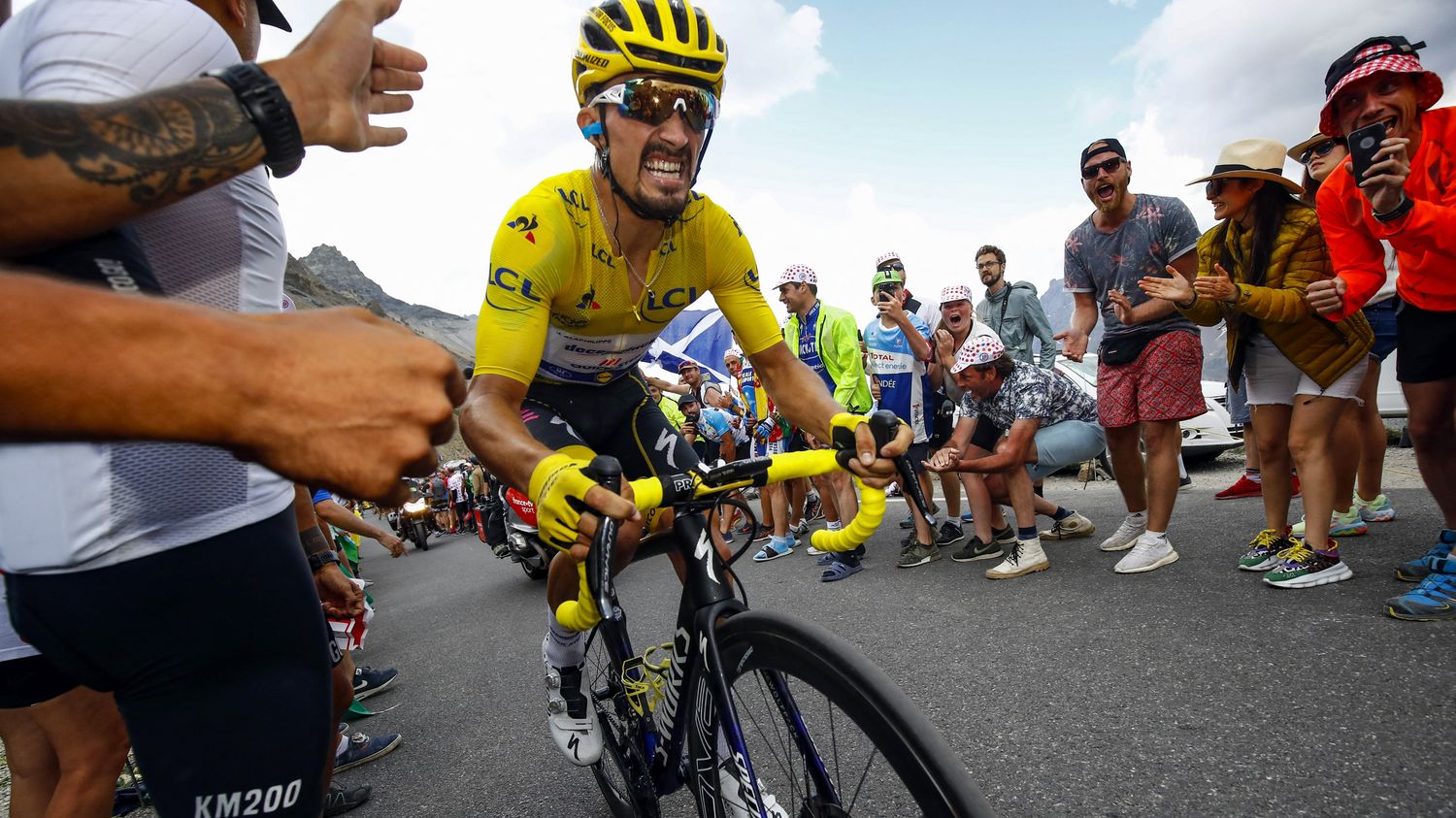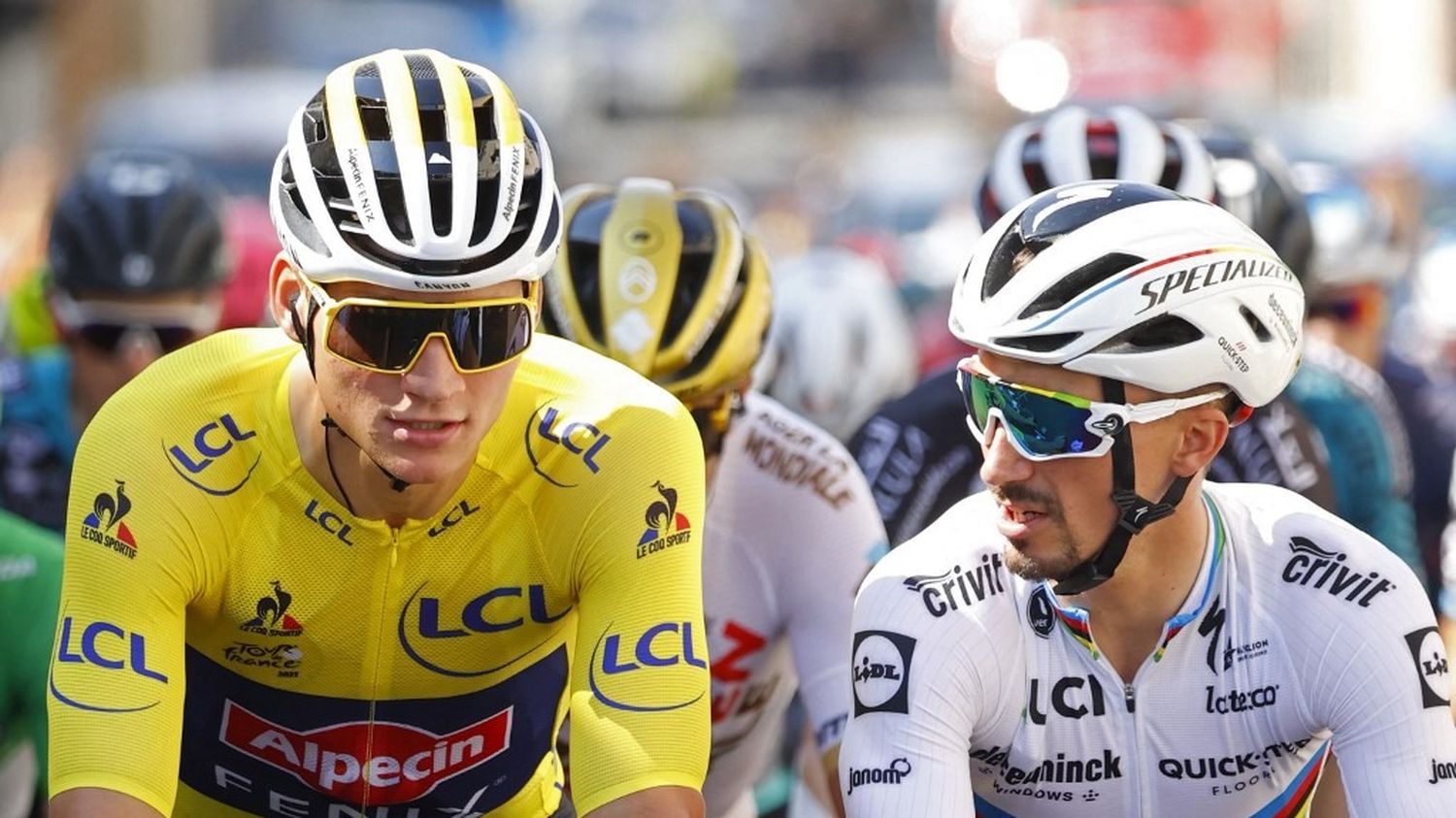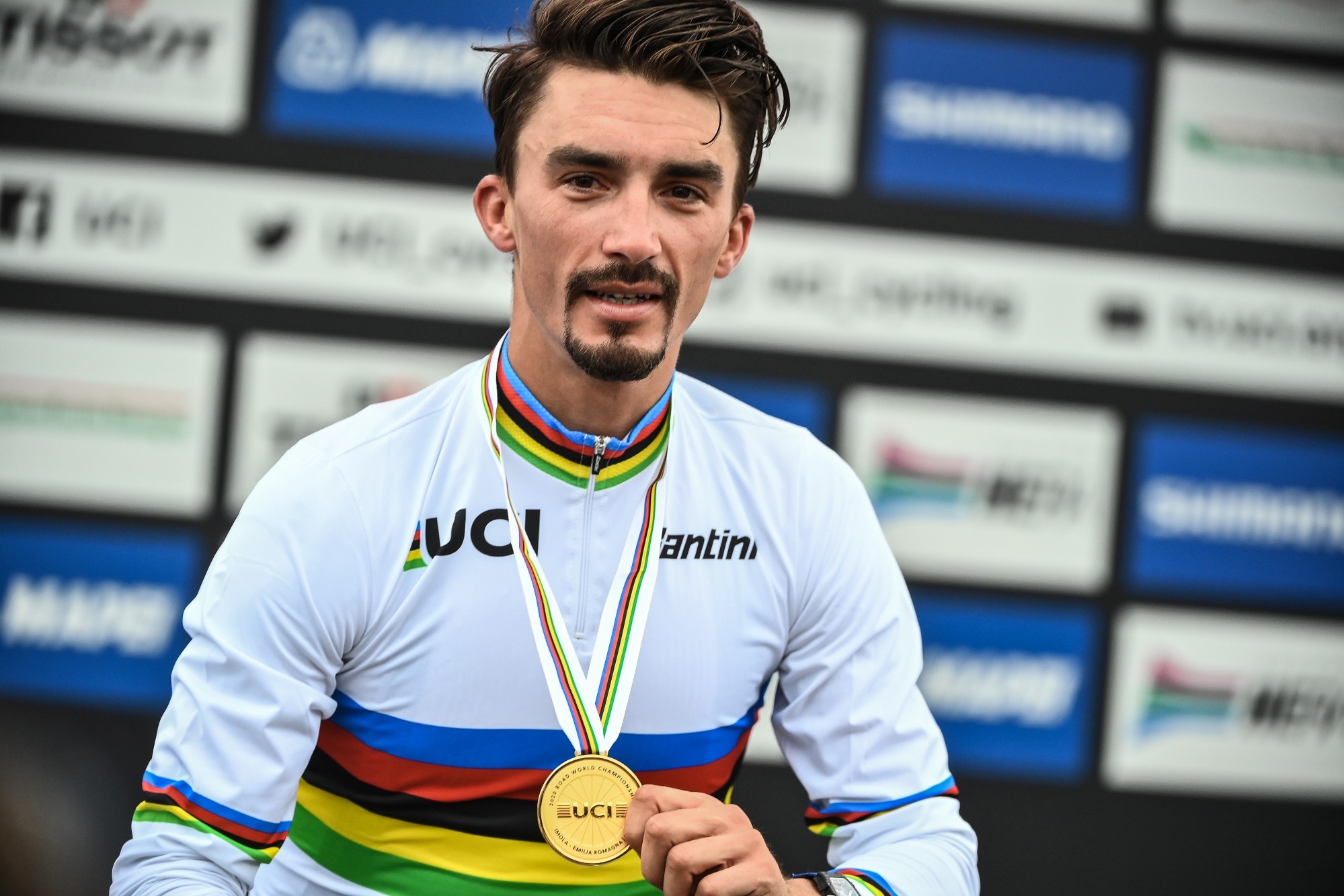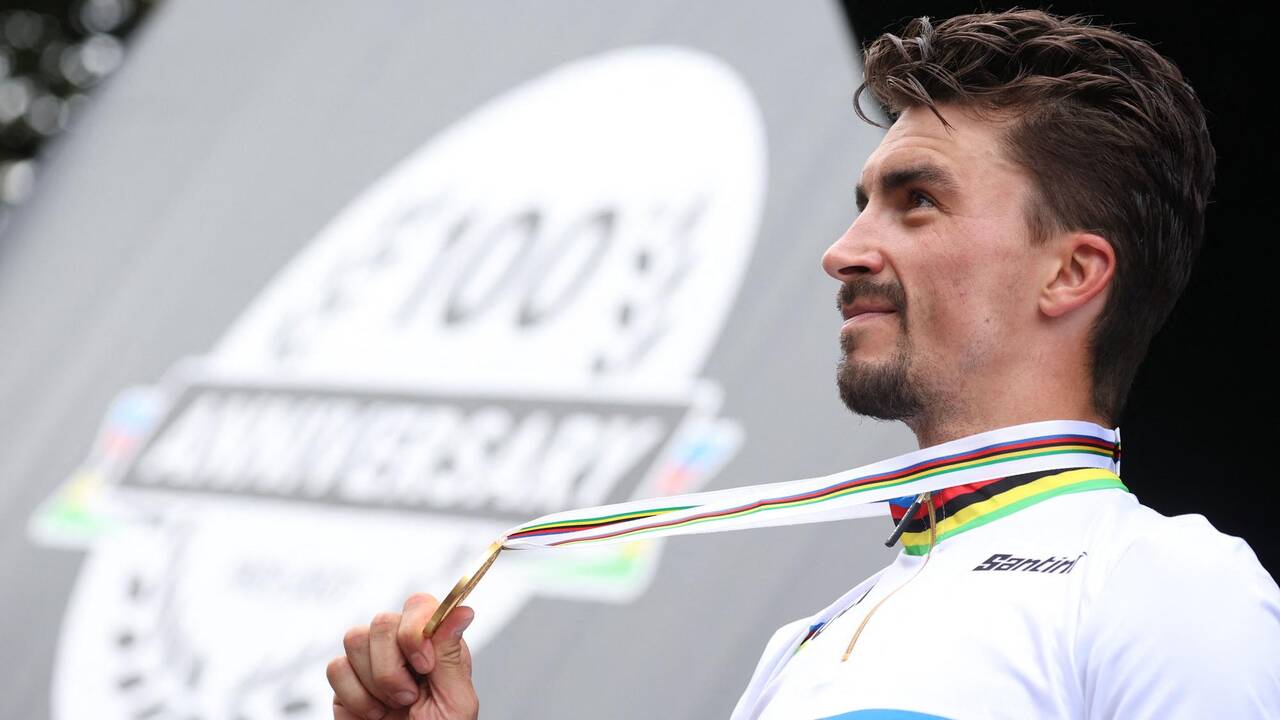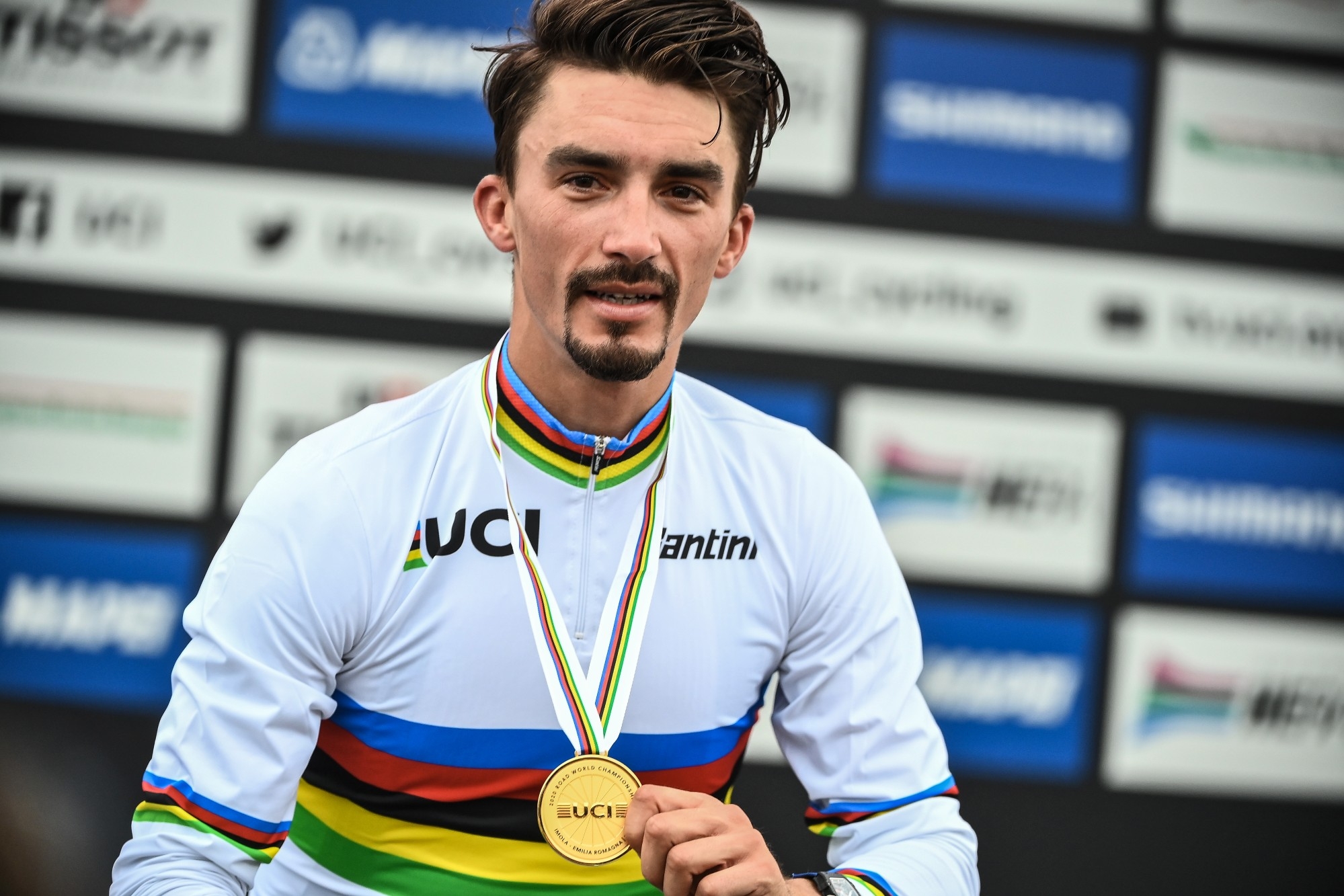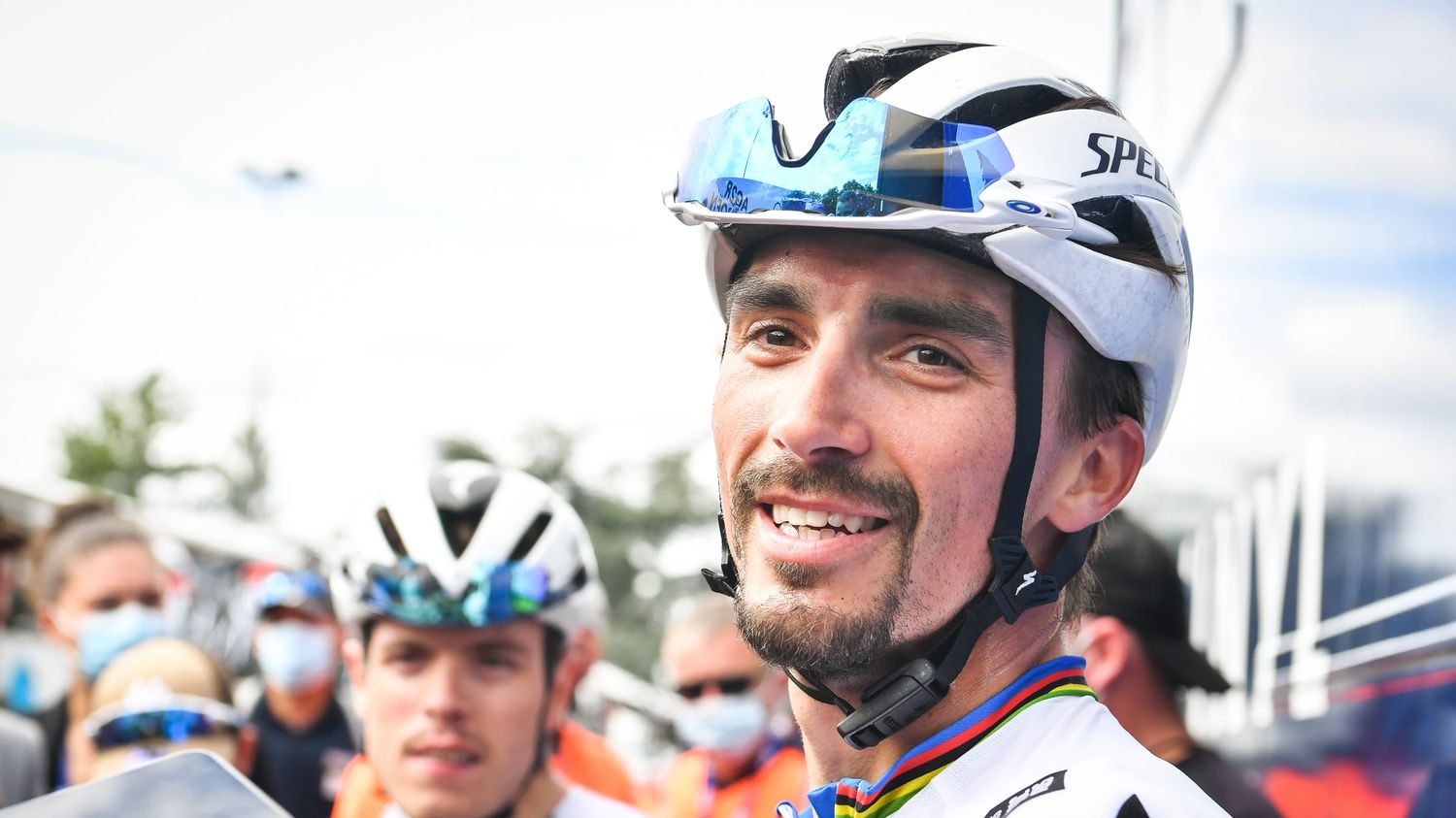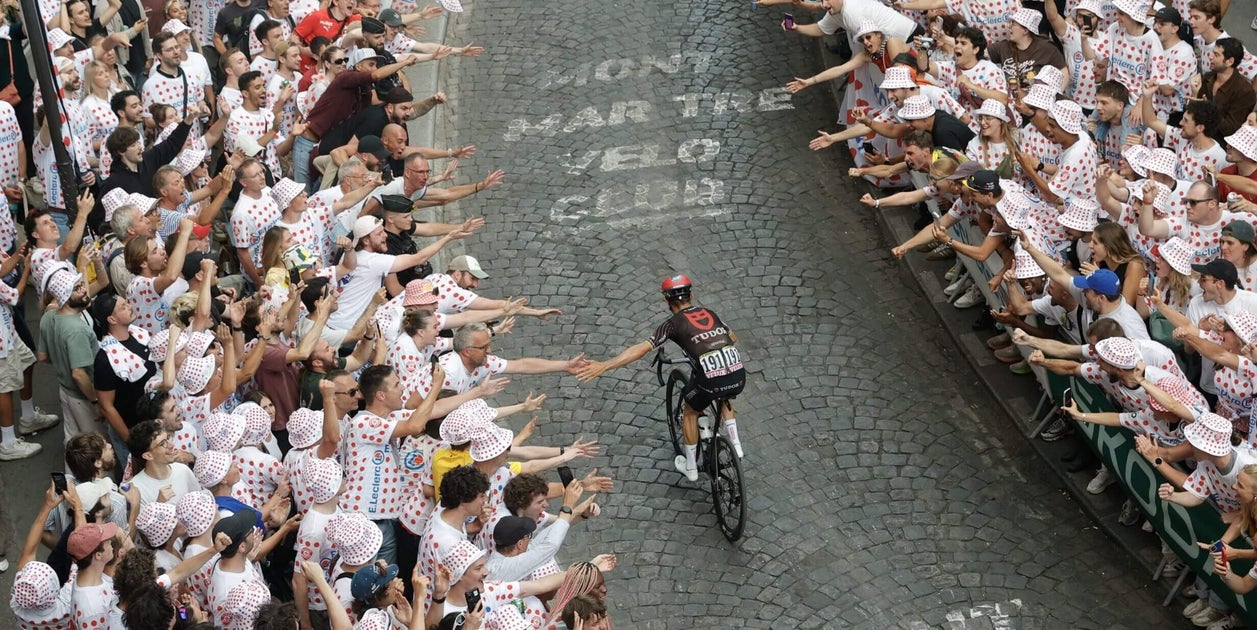
And so it is right that Julian Alaphilippe finished among his people.The final image of the 34-year-old career will be his ascent of Montmartre on the 21st stage of this year’s Tour de France, teeth bared, sunglasses on, right arm raised.At the summit, the basilica of Sacré-Cœur, sacred heart, and it is that which Alaphilippe has epitomised for French cycling. Born in Saint-Amand-Montrond, the geographic centre of mainland France, place a pin on the country’s axis and it marks the spot.He was meant to be a moped mechanic in rural Allier; now, after announcing his retirement from professional cycling on Friday, Alaphilippe ends his career as one of his era’s defining riders. LouLou: a musketeer, a romantic, an irrepressible dancer on the pedals.The Frenchman entered cycling in the mid-2010s, during the the peak of Team Sky’s clinical and oppressive control of the peloton. Suddenly, a tyro punched a hole through that conservatism like a meteor; an instinctive thrower of the first punch who won or lost with tears in his eyes.Contemporaries included Romain Bardet, Thibaut Pinot, and Warren Barguil, but Alaphilippe’s palmares outstrips that trio combined. A puncheur, in theory, but so much more than that, he claimed two world championships, Milan-Sanremo, Strade Bianche, three editions of Flèche Wallonne, and stages of all three Grand Tours, including, chief of all, his 18 days in the Tour’s yellow jersey.
Farewell to the intoxicating Julian Alaphilippe, a cycling sonnet in a world of numbers
The two-time world champion's retirement brings an end to one of the most remarkable careers of the last decade
917 words~4 min read