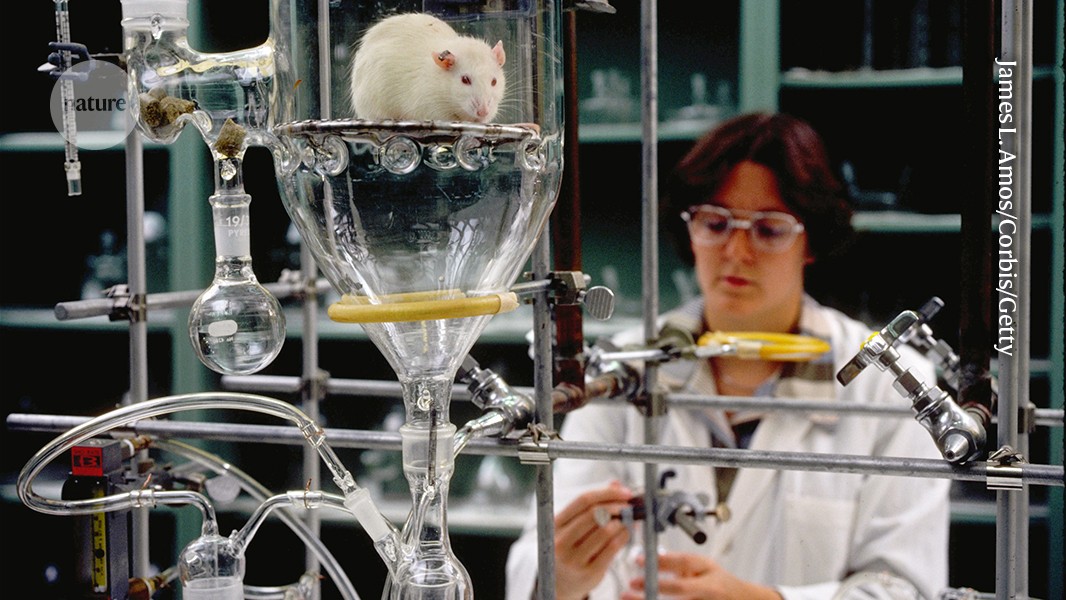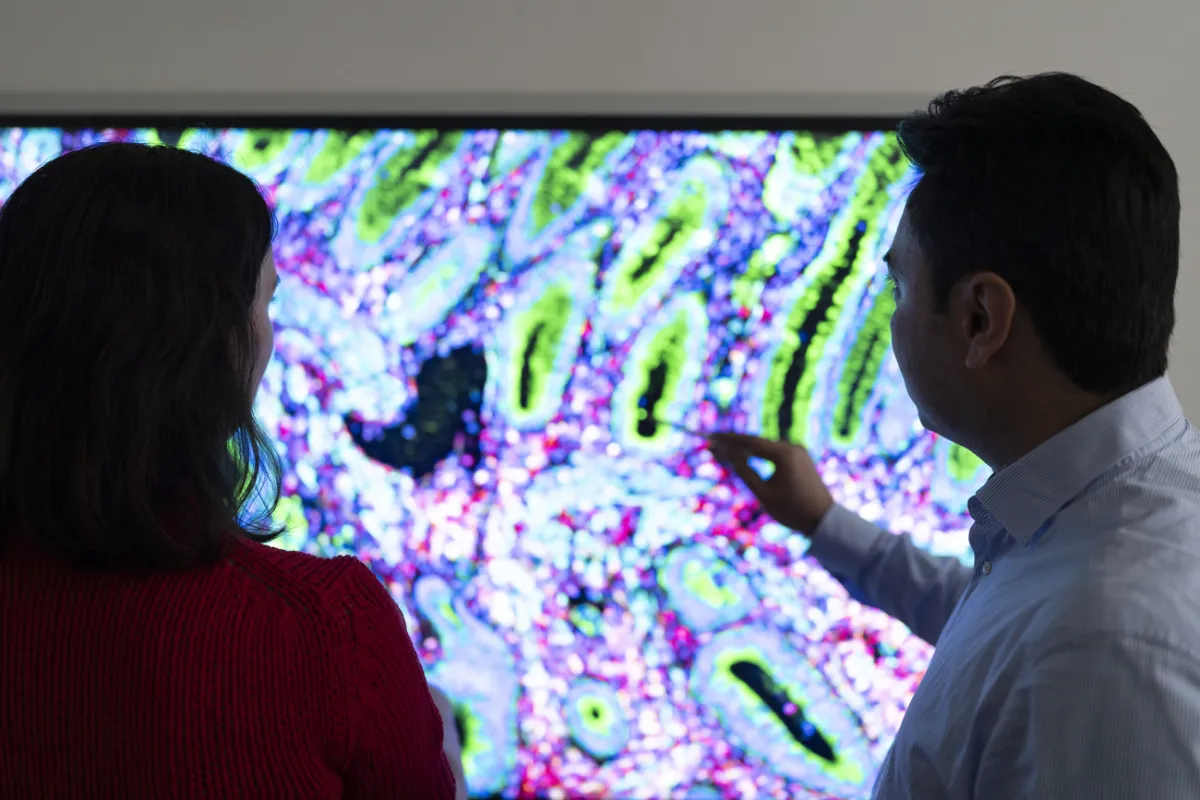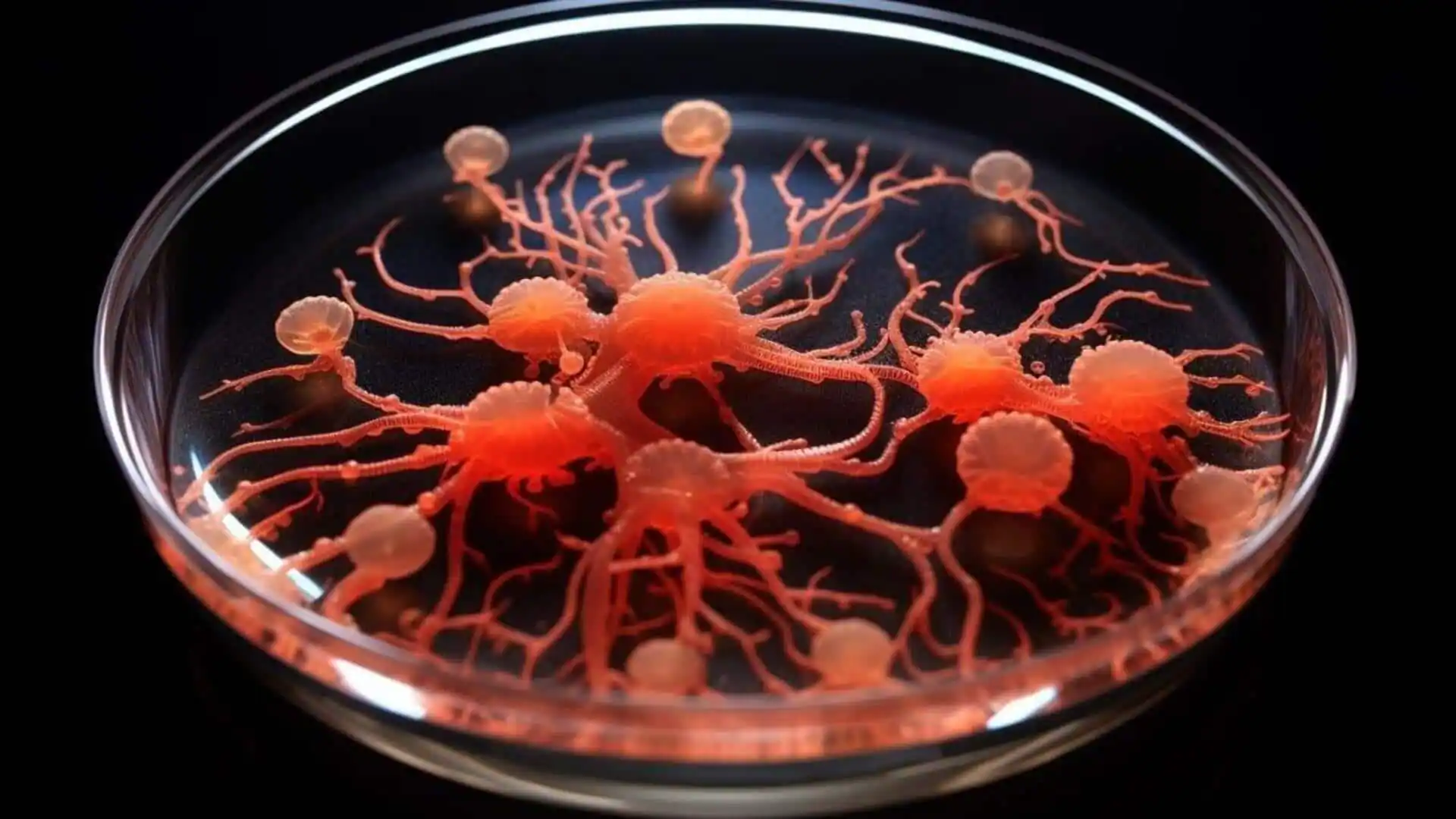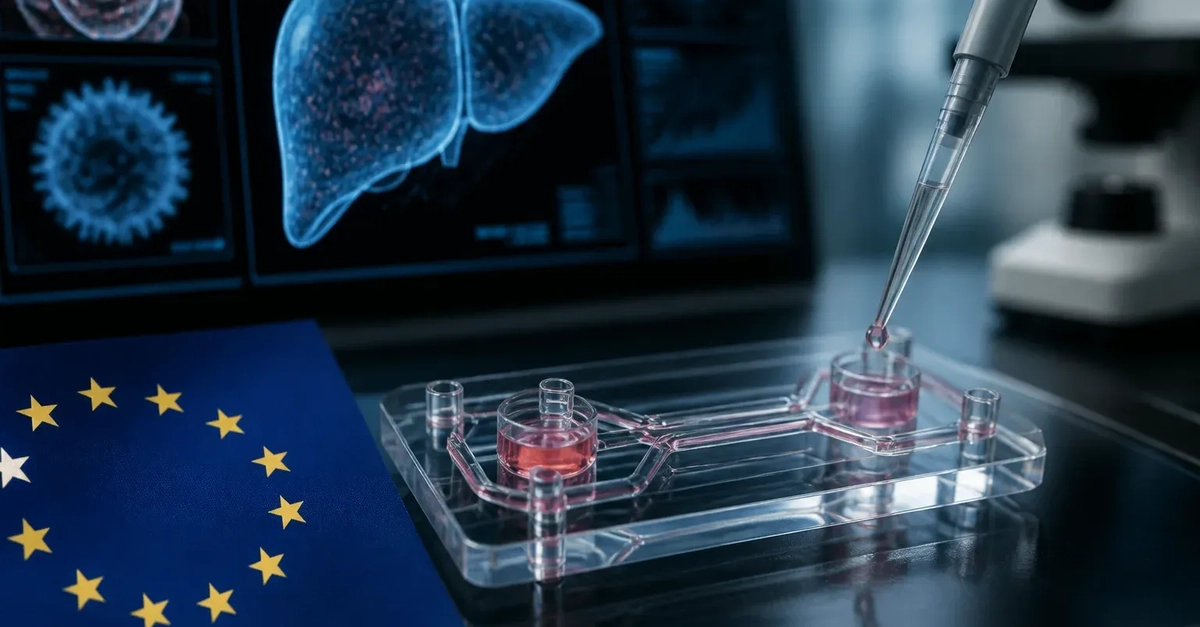
European researchers are building a more human-relevant approach to chemical safety testing by combining artificial intelligence, human cells and organ-on-chip models. The EU-backed work aims to improve predictions of how chemicals may affect people while reducing dependence on animal experiments. It does not promise an immediate end to animal testing, but it marks a coordinated attempt to make non-animal evidence more useful in toxicology and regulatory decision-making.
The work is organised through the ASPIS cluster, an approximately €60 million group of projects focused on next-generation chemical safety testing. As outlined in the European Commission's Horizon Magazine report on AI and animal testing, the cluster brings together complementary methods: AI-supported toxicity prediction, cross-species testing and the integration of laboratory findings with exposure data from the real world.
This matters because chemical safety assessment is not simply a laboratory challenge. For a non-animal method to influence formal decisions, its results must be dependable, interpretable and usable across organisations. The research therefore has implications beyond biotech. It highlights the data governance, validation and interoperability requirements that enterprises will face as AI becomes part of regulated scientific workflows.