People are exposed to thousands of chemicals every day—through the products they use, the food they eat and the environments they live in—but only a fraction of those chemicals have been fully tested for safety.
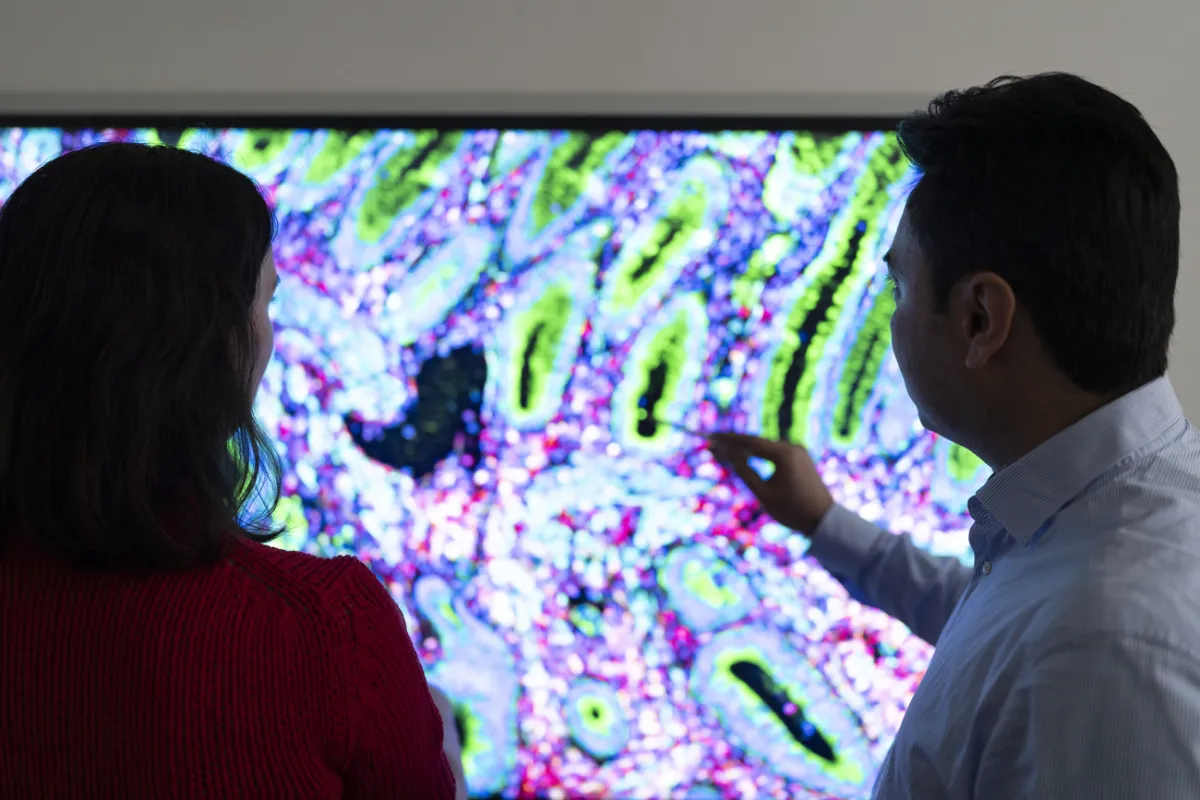
Researchers at the Texas A&M College of Veterinary Medicine and Biomedical Sciences (VMBS) are turning to artificial intelligence to help close that gap, using new tools to predict chemical toxicity and determine how much those predictions can be trusted.
The work builds on a recent study published in Nature Communications that explores how artificial intelligence can predict chemical toxicity while also estimating how reliable those predictions are.
Dr. Weihsueh Chiu, a professor in VMBS' Department of Veterinary Physiology and Pharmacology, is leading efforts to advance these tools and apply them to better understand chemical safety and risk.
"With the artificial intelligence tools we're developing, we now have a way to estimate which exposure levels are unlikely to cause harm," Chiu said. "These tools could play a key role in regulatory decision-making, helping regulators identify which substances require further testing, stricter regulation or removal from the market."