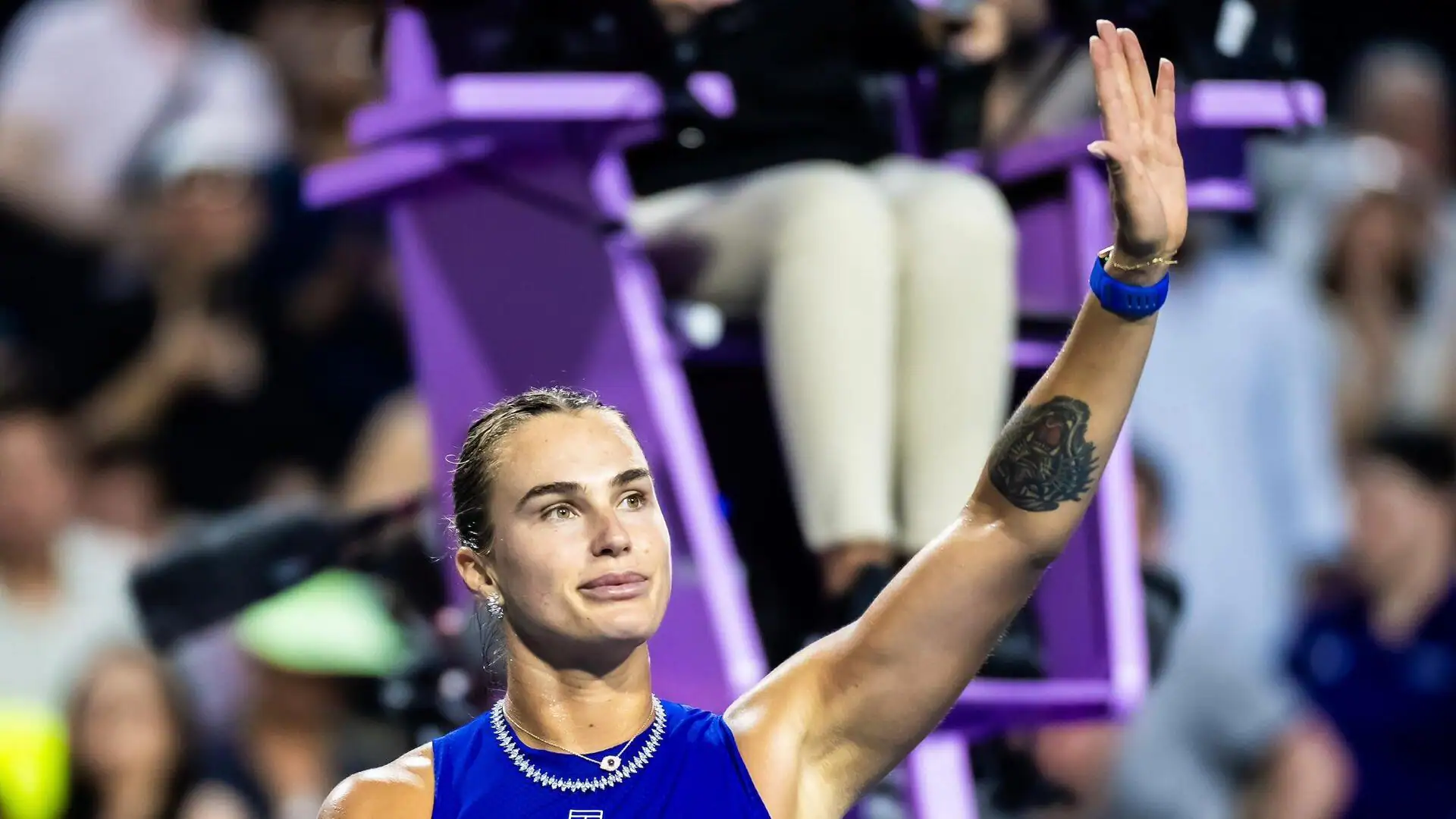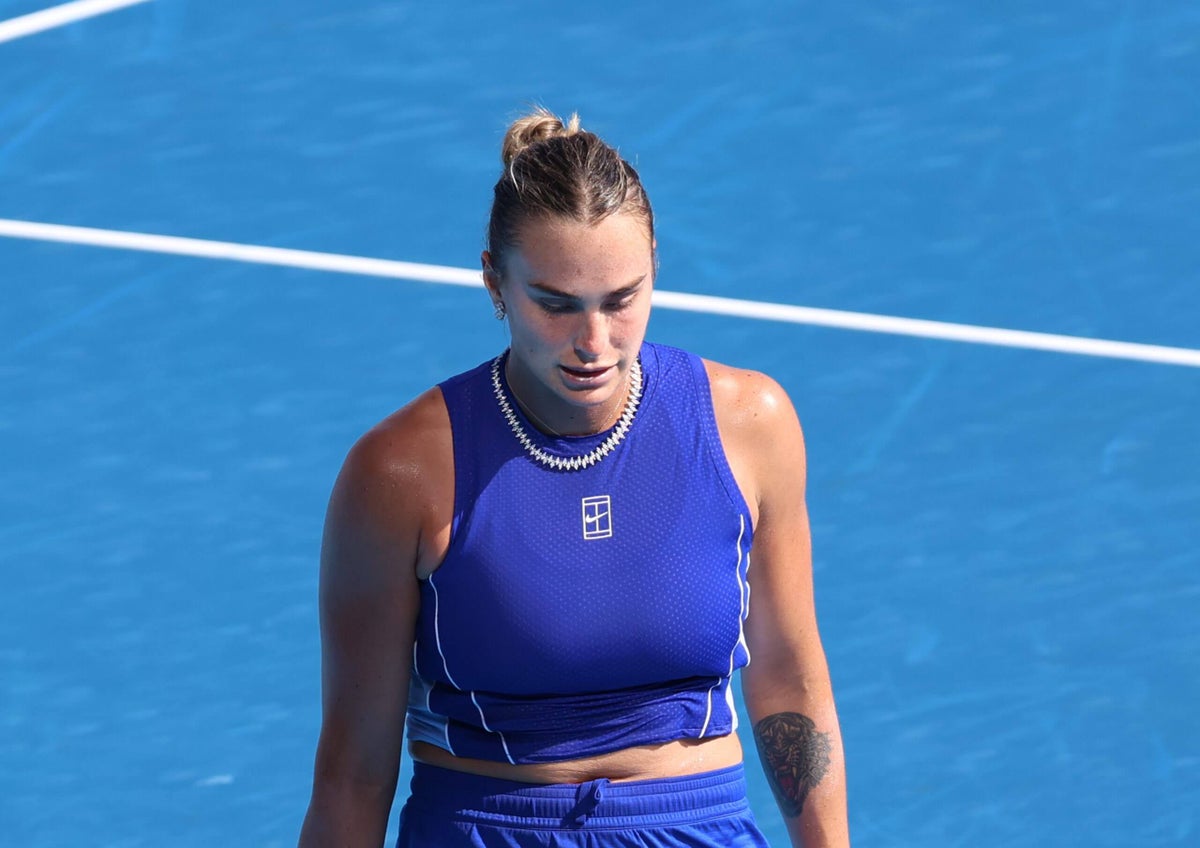
Aryna Sabalenka, the wonen’s world No. 1 and two-time defending U.S. Open champion, was at a roundtable with a handful of journalists last week when someone asked her about the glut of power at the top of the women’s game, mentioning Sabalenka, Coco Gauff and Iga Świątek.Sabalenka cut them off right there, and reminded them that they had forgotten Elena Rybakina, the world No. 2, and in her view, maybe the best player in the world this season. Sabalenka, 28, who has been the dominant player on the WTA the past two years, recognized that she is in the middle of her most mortal stretch of form in that time.Since winning the Sunshine Double of the BNP Paribas Open at Indian Wells and the Miami Open, she has made one semifinal in seven tournaments. But just as Rybakina seemed poised to overtake Sabalenka at the top of the world rankings, the Australian Open champion aggravated an Achilles injury and retired against Świątek in the Cincinnati Open quarterfinals. Whether she plays the U.S. Open, her best chance to get past Sabalenka, remains in flux.Earlier this year, after succumbing to a combination of cramps, heat exhaustion and illness in the second round of the French Open in Paris, men’s world No. 1 Jannik Sinner, who had been on a 30-match winning streak that included five ATP Masters 1000 titles, hit on a theme that ties into all this.“We’re not robots,” he said.Carlos Alcaraz, Sinner’s great rival at the top of the sport, hadn’t even made it to Paris to defend his title. He had already missed more than a month with a right wrist injury by then, and he will return at the U.S. Open having missed three more. The crucible of five-set tennis, and the shaking off of plenty of rust, await as he tries to defend his singles title.Jannik Sinner withdraws from U.S. Open with right knee injuryAva WallaceGiven how his season has gone, it’s fitting that Alcaraz, 23, had already signaled the precariousness of his seemingly inevitable success, which has looked mostly effortless during his wildly successful six-year career.“We’re touching wood and praying that nothing’s going to happen to my body,” Alcaraz had said at the Monte Carlo Masters, when asked whether he intended to skip any clay-court tournaments after losing to Sinner in the final.“I don’t know how it’s going to be, the matches, if I’m going to win matches, if I’m going to lose in the first rounds, if the matches are going to be super-demanding physically or not.“So I don’t know how it’s going to be, but what I can tell right now is I will hear my body much better this year than last year.”A few days later, he would hear it a little too loudly. He felt a shooting pain in his wrist during his opening match at the Barcelona Open. Scans showed he was suffering from tenosynovitis, an injury in which fluid accumulates in the sheath that protects a key tendon in the wrist.
Tennis in 2026 is a reminder of what Williams, Federer, Nadal and Djokovic made the sport forget
The dominant players that came before the current stars of tennis made the extraordinary appear routine. It's not so easy.
1,348 words~6 min read