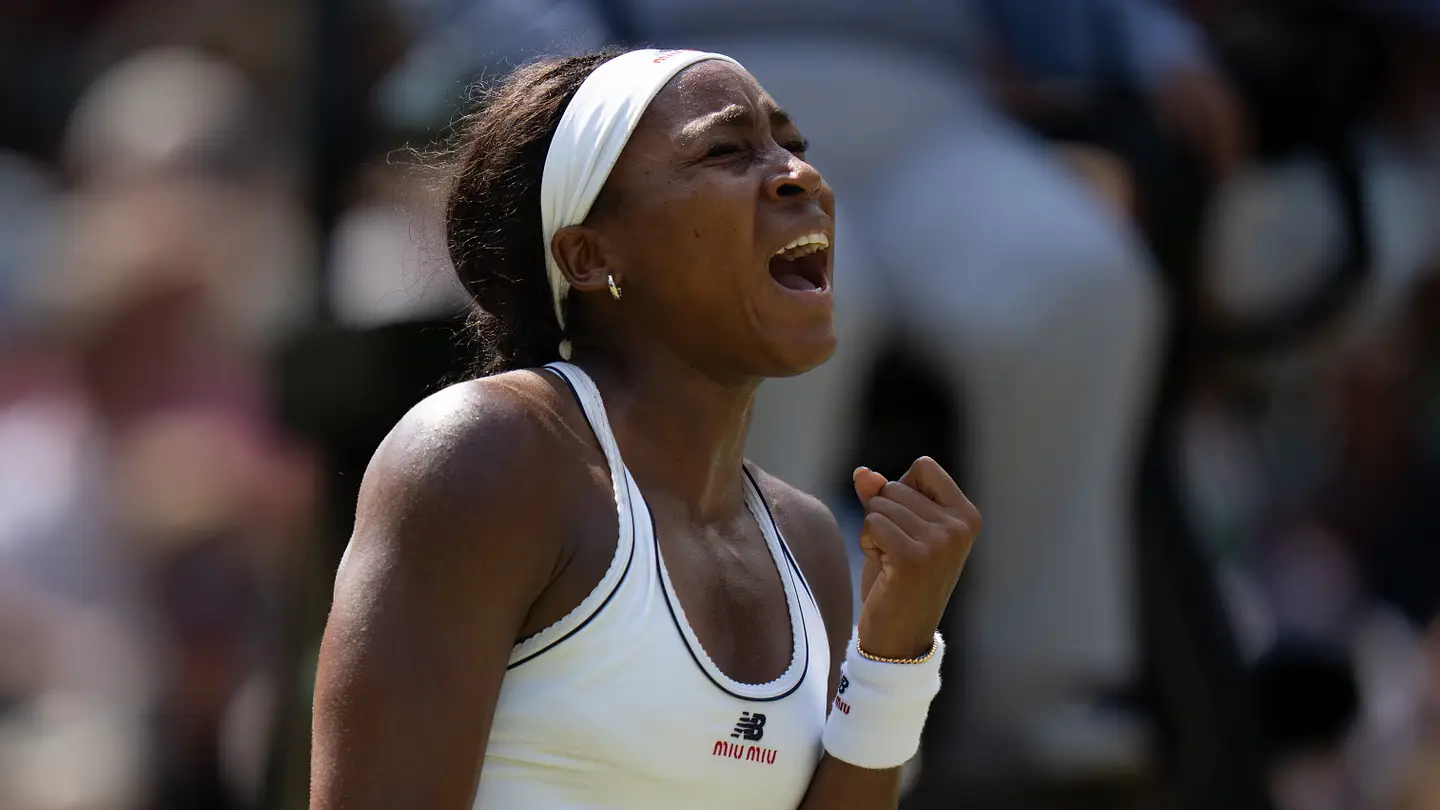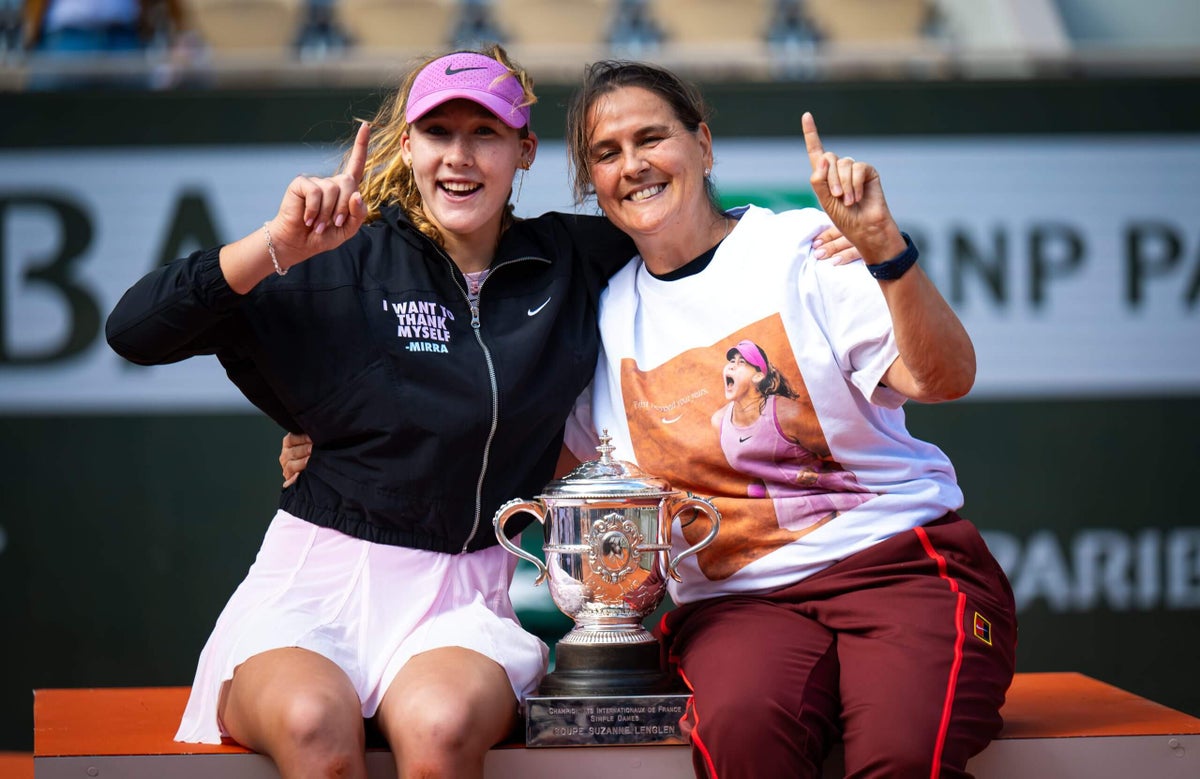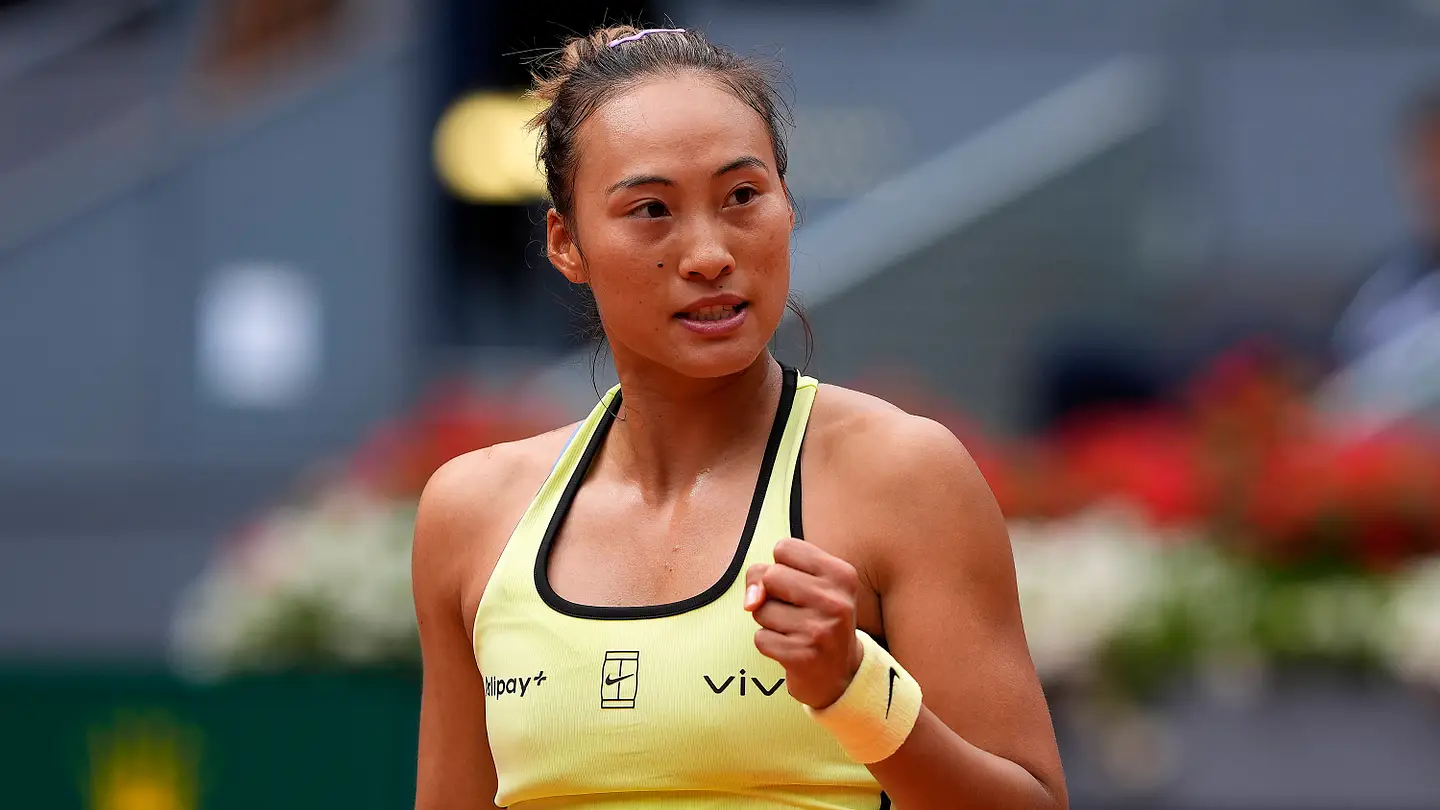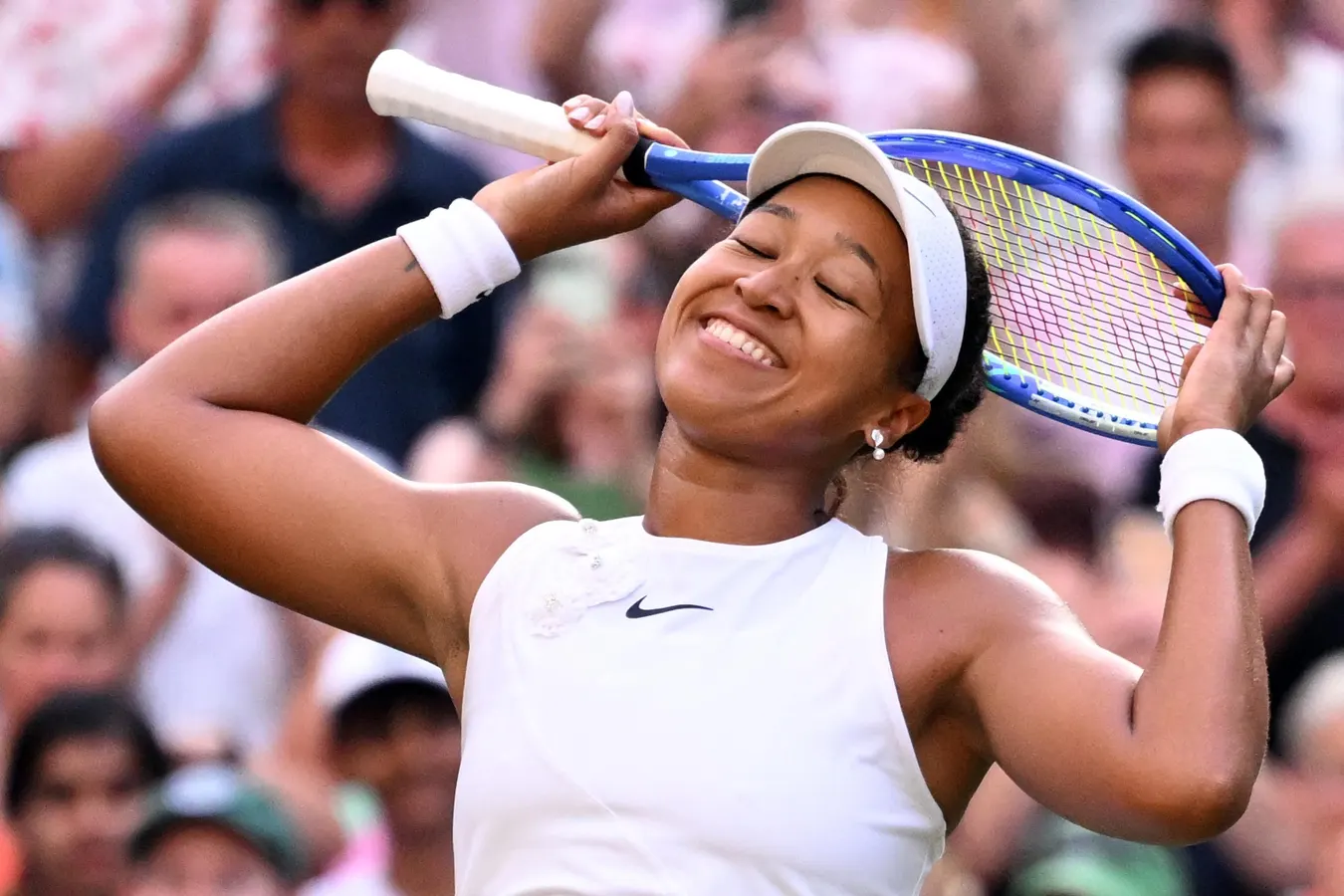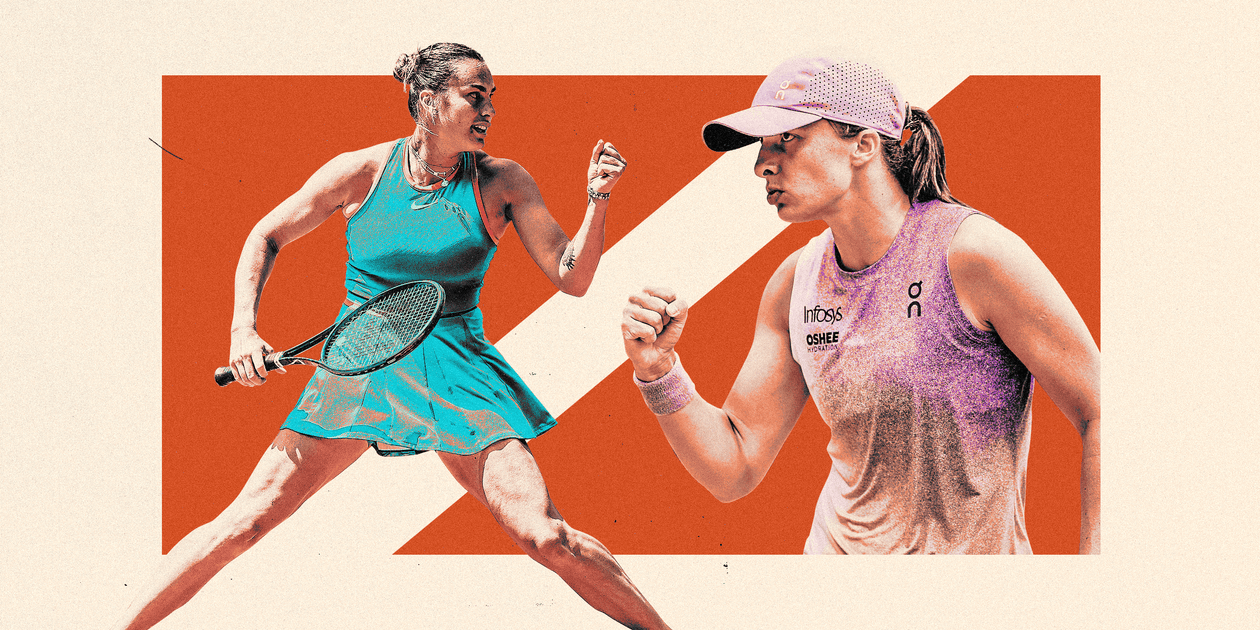
THE ALL ENGLAND CLUB, London — A few months ago, it seemed pretty clear that the dominant characters of the past few years in women’s tennis were still on their thrones.Aryna Sabalenka, Iga Świątek, Elena Rybakina and Coco Gauff had won the past four Grand Slams. Sabalenka had swept the Sunshine Double of the BNP Paribas Open at Indian Wells, Calif. and the Miami Open.The world No. 1 beat Rybakina in the Indian Wells final. She beat Gauff in the Miami final. Both matches went three sets and turned on just a couple of points. As the hard courts gave way to clay and then grass, Gauff and Świątek, the defending French Open and Wimbledon champions, were waiting for Sabalenka, still hunting an organic major title, and Rybakina, who had surged through the first months of the year to have a realistic shot at grabbing the world No. 1 ranking, to snap at their heels.Someone appears to have forgotten to give that memo to the rest of tennis.Three months later, as women’s tennis swings round to hard courts again, it also has two new Grand Slam champions, who land as relative newcomers to casual fans, even though they have far more experience and pedigree than their ages might suggest.Linda Nosková, 21, captured the Wimbledon title five weeks after Mirra Andreeva, 19, won the French Open.Nosková and Andreeva were too good not to win a major title before long. Nosková, from the Czech Republic, broke into the top 40 in 2023 and has risen steadily ever since; Andreeva announced herself to the tour when she was just 15 and won two WTA 1000 titles, the rung below the Grand Slams, last year. For a time, she was the only teenager in the top 100, an inversion of the recent past in women’s tennis.Mirra Andreeva, 19, was the youngest French Open women’s champion since Monica Seles in 1992. (Thibault Camus / Associated Press)They are also useful foils for understanding the way their games propelled them to those titles. They both have a killer serve — Nosková’s is a true buzzsaw — which is more important for winning at the highest level than it used to be. Nosková’s groundstrokes are similarly incisive, while Andreeva’s are more probing, though she can crack her backhand down the line as well as just about anyone.Most importantly, they both play multi-dimensional tennis. Nosková’s drop shots, slices and low, quick steps are just as crucial as her more powerful weapons. Andreeva’s defense and touch are just as crucial as her serve. And players up and down the tour who want to succeed — and in some cases, have already done just about everything there is to do in tennis — are embracing this line of thinking.Świątek has sought to emphasize the controlled part of the controlled aggressiveness that made her an all-conquering world No. 1; Sabalenka has added deftness and dexterity to what was an all-power game. Pure baseline power can still run hot, but point-and-shoot tennis has less room for error if groundstrokes start to spray. Having tools to lean on when plan A is not working is now a requirement rather than a nice-to-have.
What two new Grand Slam champions could mean for the top of women’s tennis
Pure aggressiveness has become a less viable way to win on the WTA Tour the past few years. Two new champions only add to that.
1,163 words~5 min read