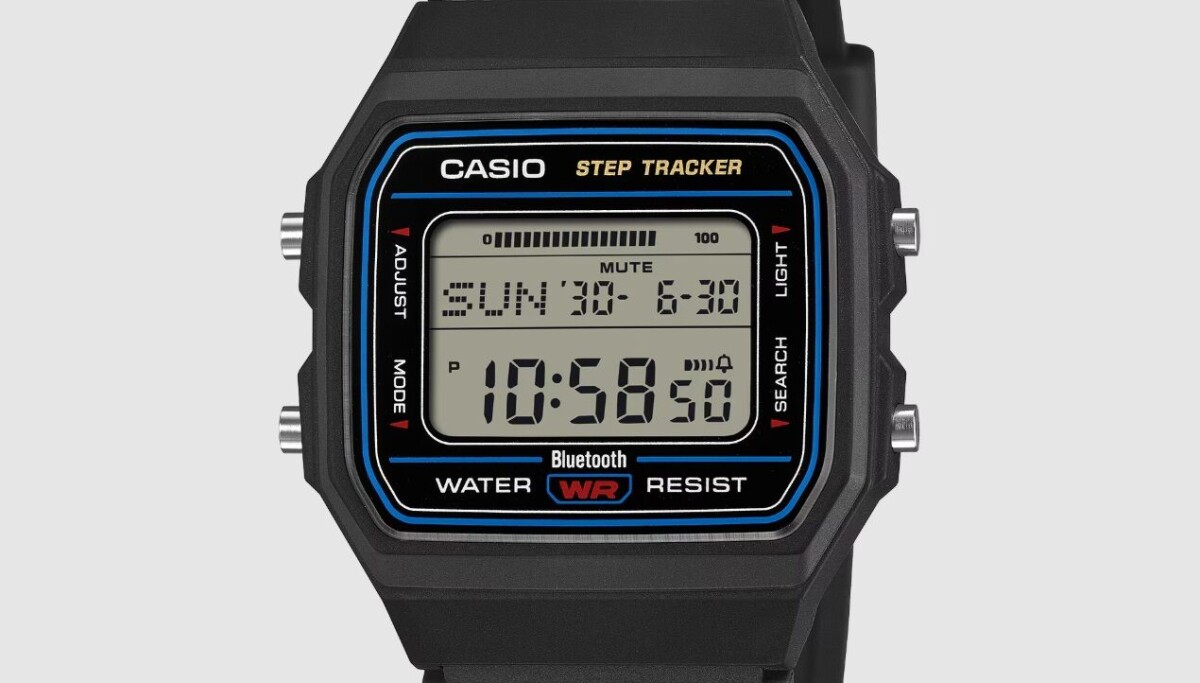
F-B100W adds Bluetooth and step tracking while keeping a two-year battery
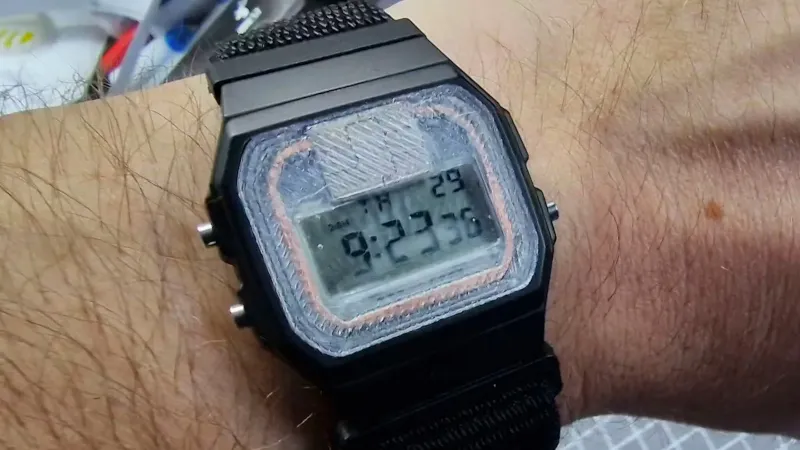
Casio has added Bluetooth and step tracking to a £55 digital watch without turning it into a smartwatch or sacrificing replaceable-battery convenience.The snappily named F-B100W pairs with Casio's smartphone app to record activity, adjust settings, and keep its clock accurate. Despite the additional electronics, Casio claims approximately two years of operation from a replaceable CR2016 battery.It is very much not a smartwatch. There is no touchscreen, app store, or stream of notifications – just a conventional digital watch with a step counter and a little Bluetooth connectivity. That combination has nevertheless attracted attention on Hacker News and Reddit.
We admit it: this ape-descended life form is so astoundingly primitive that he still thinks digital watches are a pretty neat idea.
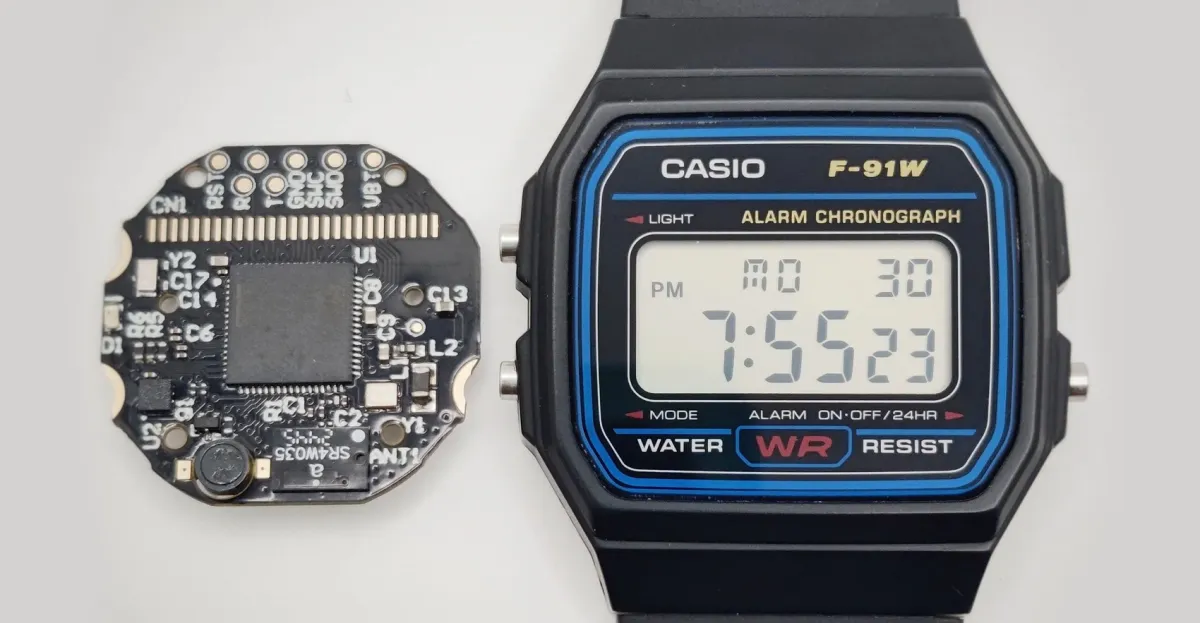
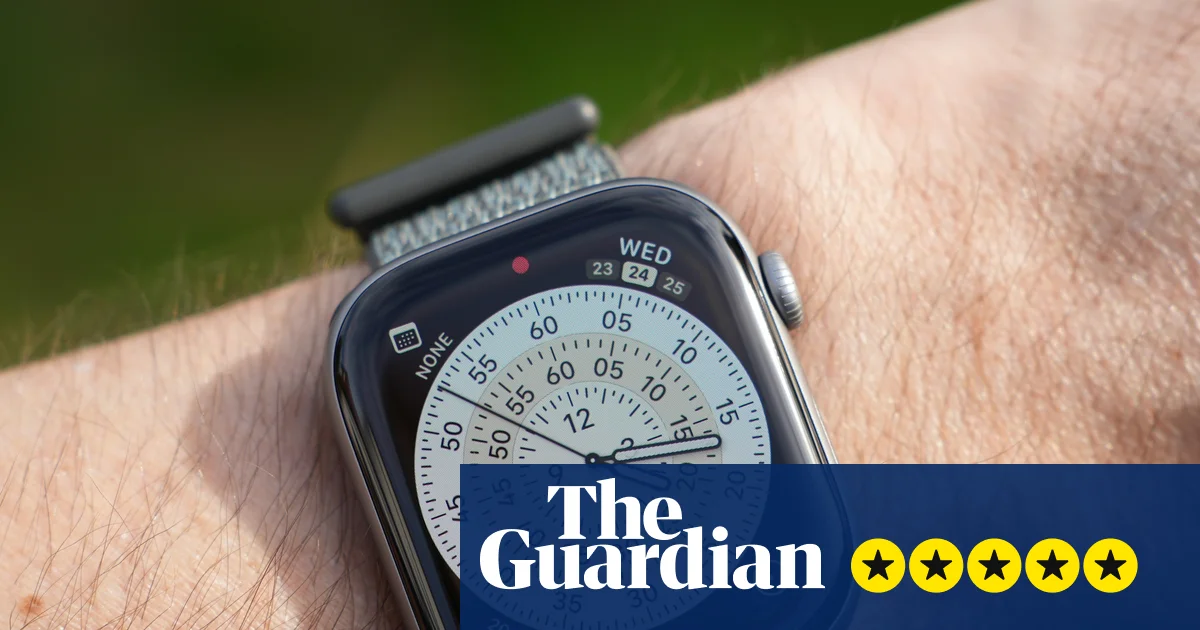
Douglas Adams first mocked humans' fondness for digital watches when the original Hitchhiker's Guide to the Galaxy was broadcast in 1978 – nearly half a century ago. The Casio F-91W is only a decade younger. This strangely ubiquitous watch, once labeled a supposed "sign of al-Qaida," is widely regarded as the classic quartz digital watch and has been described as the bestselling watch of all time. One reason is that it's only £20 ($30) new. Another is that if you bought one of the first batch, it's probably only on its third or fourth battery by now: they are rated for seven years, but often last longer.The F-91W is very simple and very cheap. Its main rival for all-time bestselling watch is the reverse: the Apple Watch has also shifted about 300 million units.This is not a radical innovation for Casio. The existing ABL-100 does much the same, but costs over 25 percent more and weighs more than twice as much. What is interesting is that Casio has brought the functionality to a smaller, cheaper, and lighter watch – and possibly a more robust one. It's also retained an impressive battery life. These Bluetooth-enabled models should still run for two years or more on a single, replaceable, CR2016 lithium button cell. Since those only cost a buck or so, that sounds good to us.The Reg FOSS desk has a fondness for inexpensive technology that performs a modest set of tasks well. Our first budget smartwatch was an Amazfit Bip, bought new for about £60 ($80). It had an always-on, daylight-readable color display, lasted a month and a half on a charge, and did everything we asked of it. After five years of daily use, its battery stopped holding a charge. We replaced it with the then-latest Bip 5, only to find that the newer model lacked its ancestor's always-on display and offered less than a quarter of its battery life.