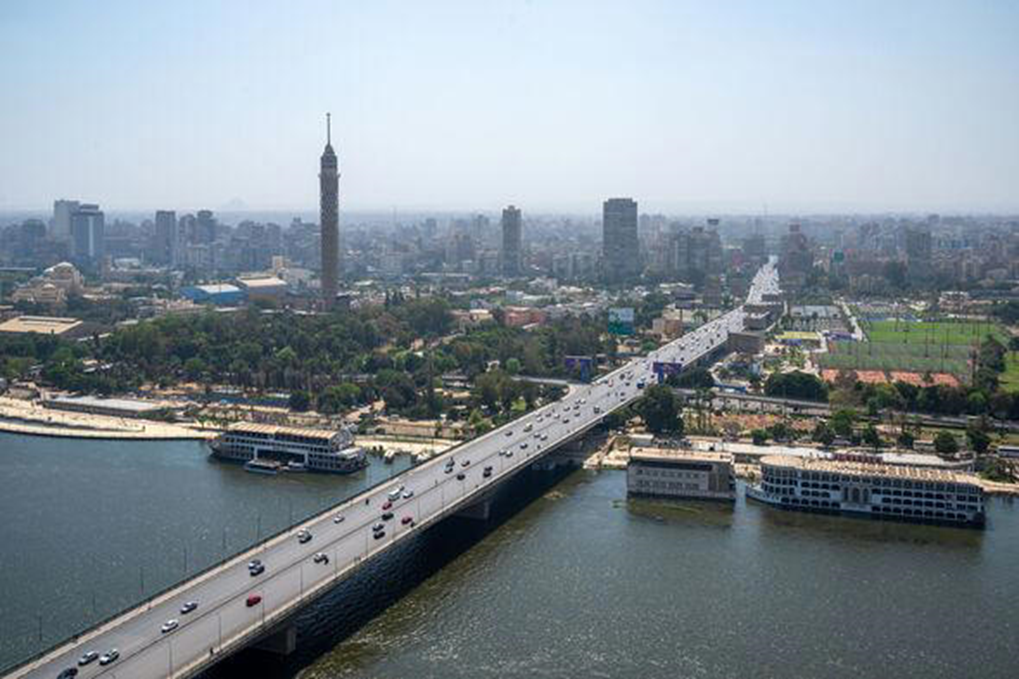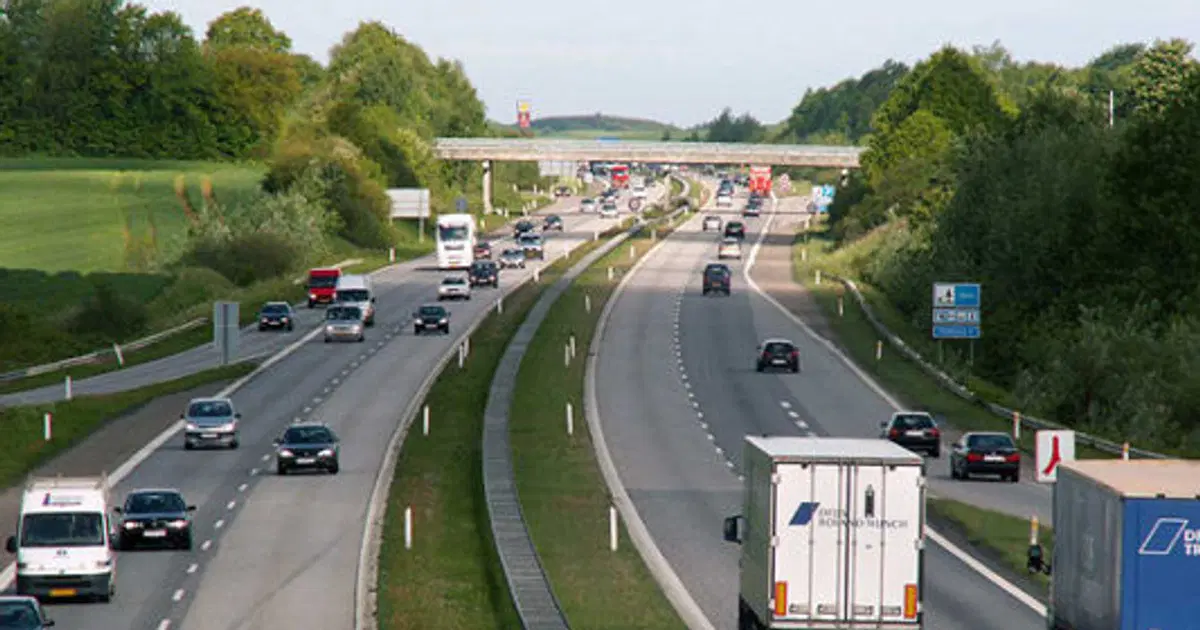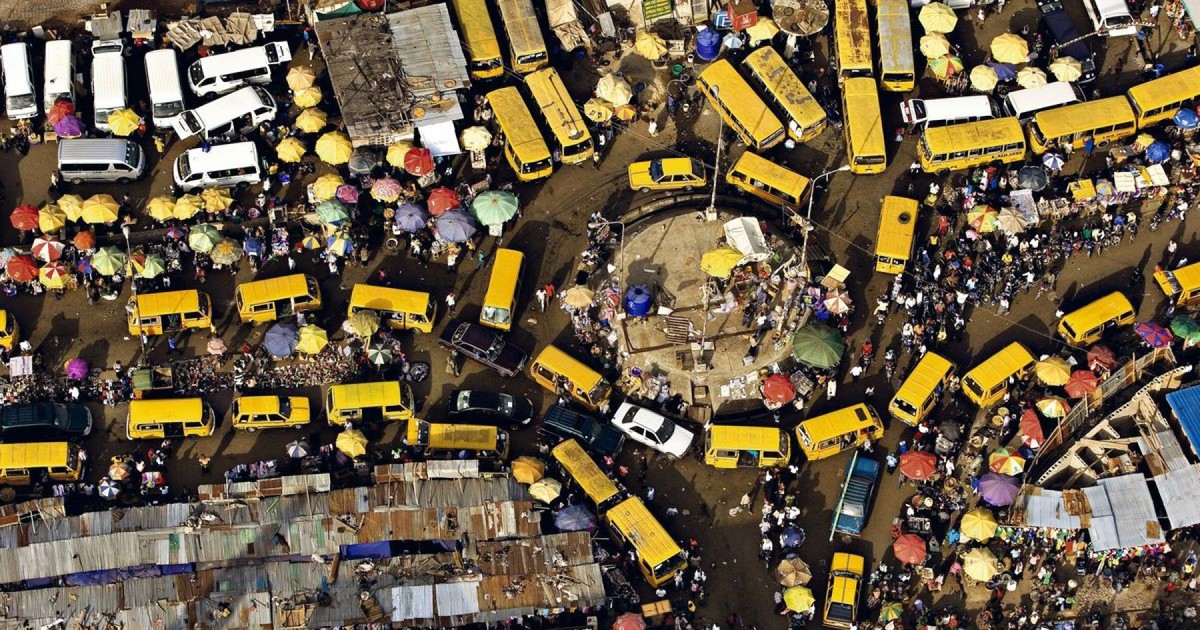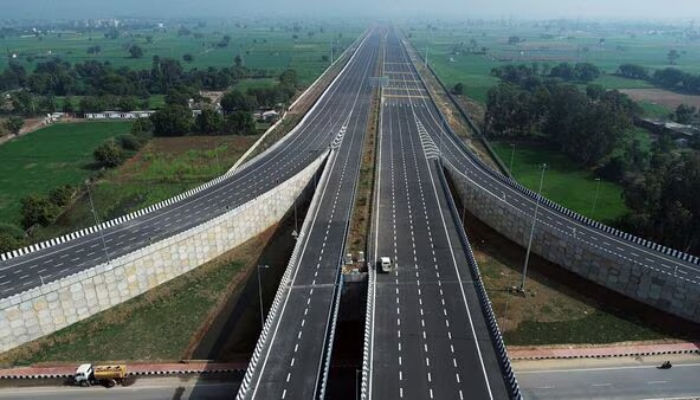
Roads remain a key part of transport infrastructure across Africa, connecting cities, communities, markets and economic centres.
In many parts of the continent, rail networks do not cover enough areas to meet passenger and freight transport needs. This leaves roads as the main means of moving people, agricultural produce, manufactured goods and other commodities.
Road networks also affect access to healthcare, education and public services. For rural communities, a road connection can determine how easily people reach schools, hospitals, markets and employment opportunities.
Road infrastructure is also linked to trade. As African countries work to increase cross-border commerce under the African Continental Free Trade Area (AfCFTA), road connections will remain important for moving goods between producers, markets and neighbouring countries.
Read also: Beyond roadmaps: Why modern product management is about solving customer problems