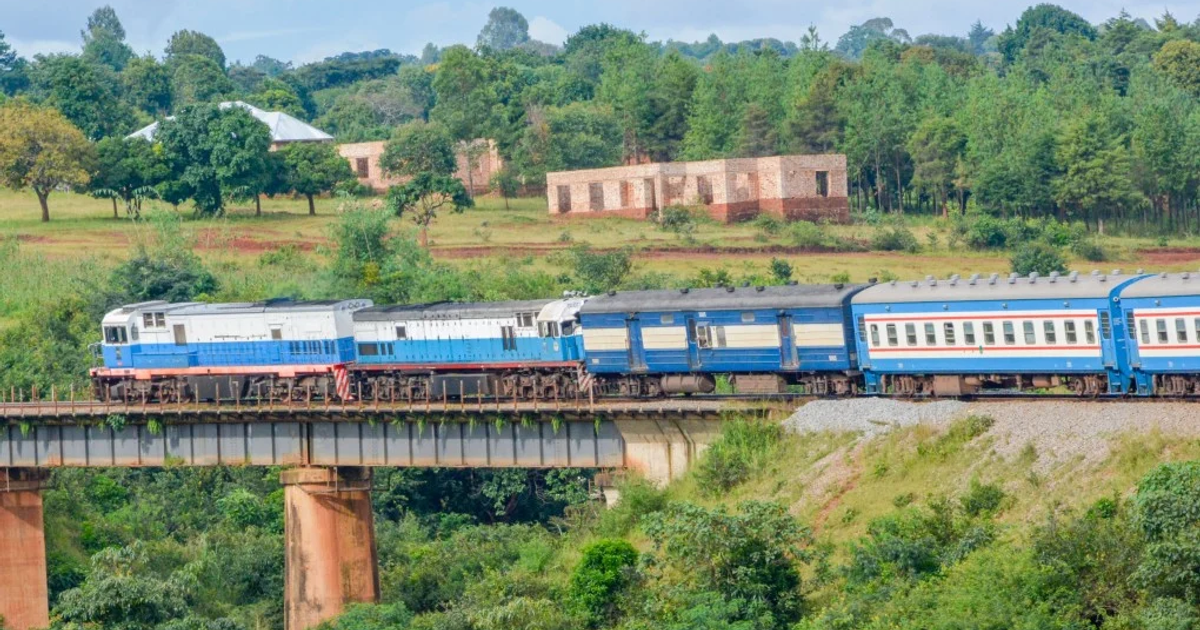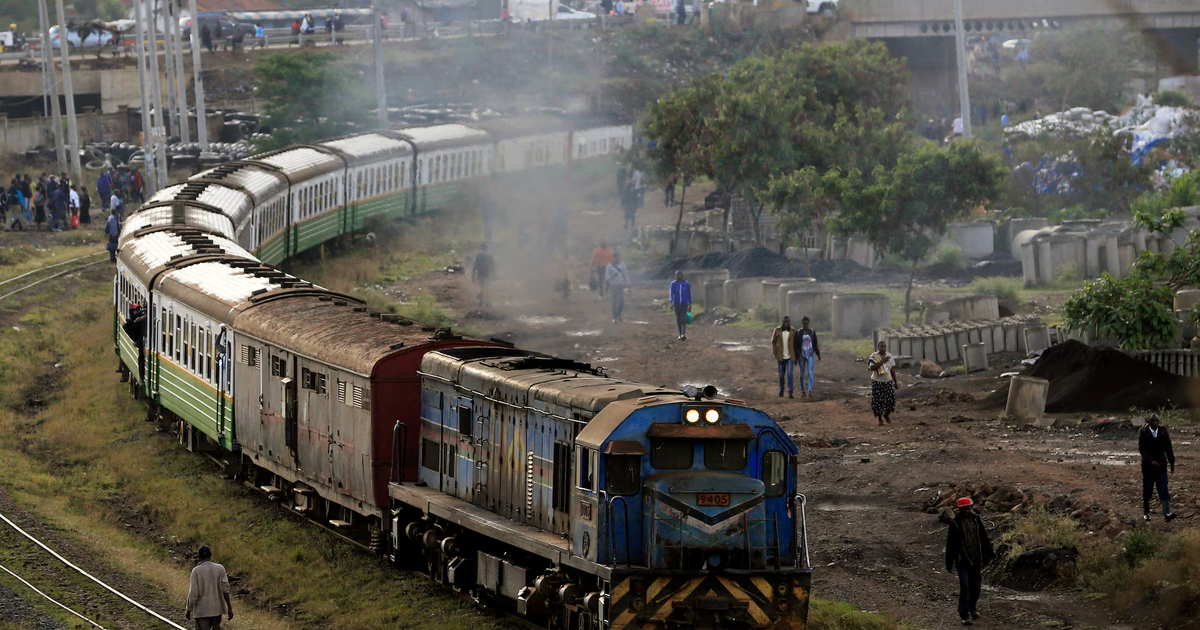
Poor railway infrastructure may provide substantial economic, logistical, and strategic issues for African countries, impeding their capacity to industrialize, grow commerce, and respond effectively to national crises.
According to Global Firepower, railway networks give critical tactical flexibility in both peace and conflict.
They assist the transfer of heavy equipment, goods, and workers while also serving as a measure of a country's infrastructure maturity.
When rail coverage is weak or undeveloped, countries frequently lose many of these benefits.
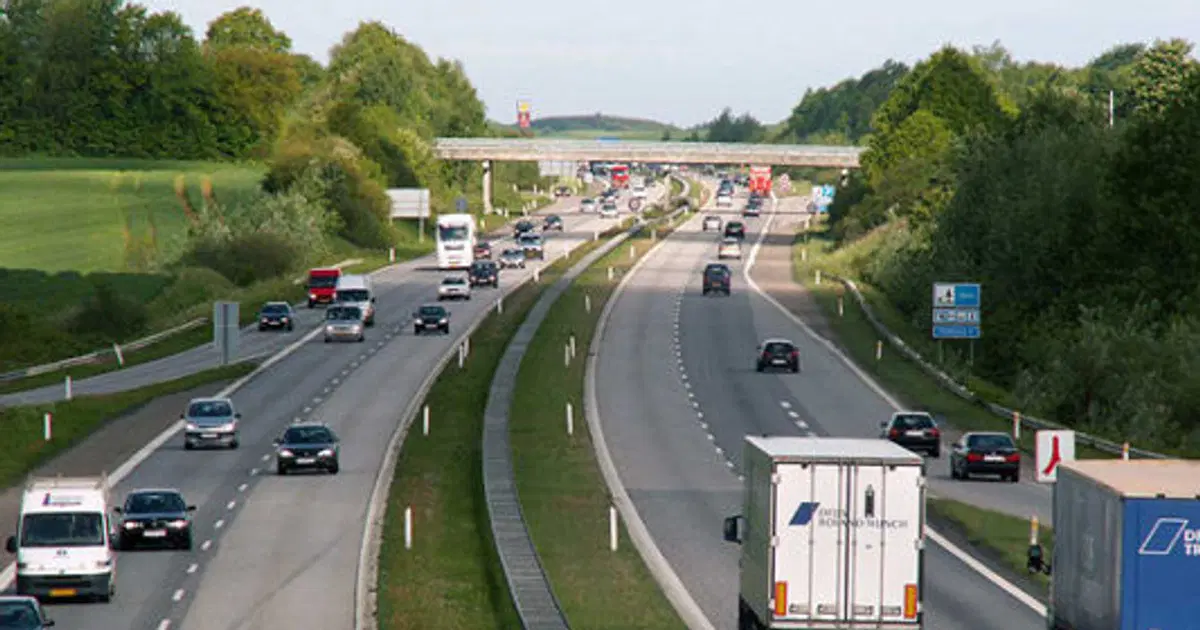
One of the most obvious implications of inadequate rail infrastructure is increased transportation costs. Without adequate rail networks, firms must rely mainly on road transport, which is typically more expensive for transporting big amounts of commodities across long distances.