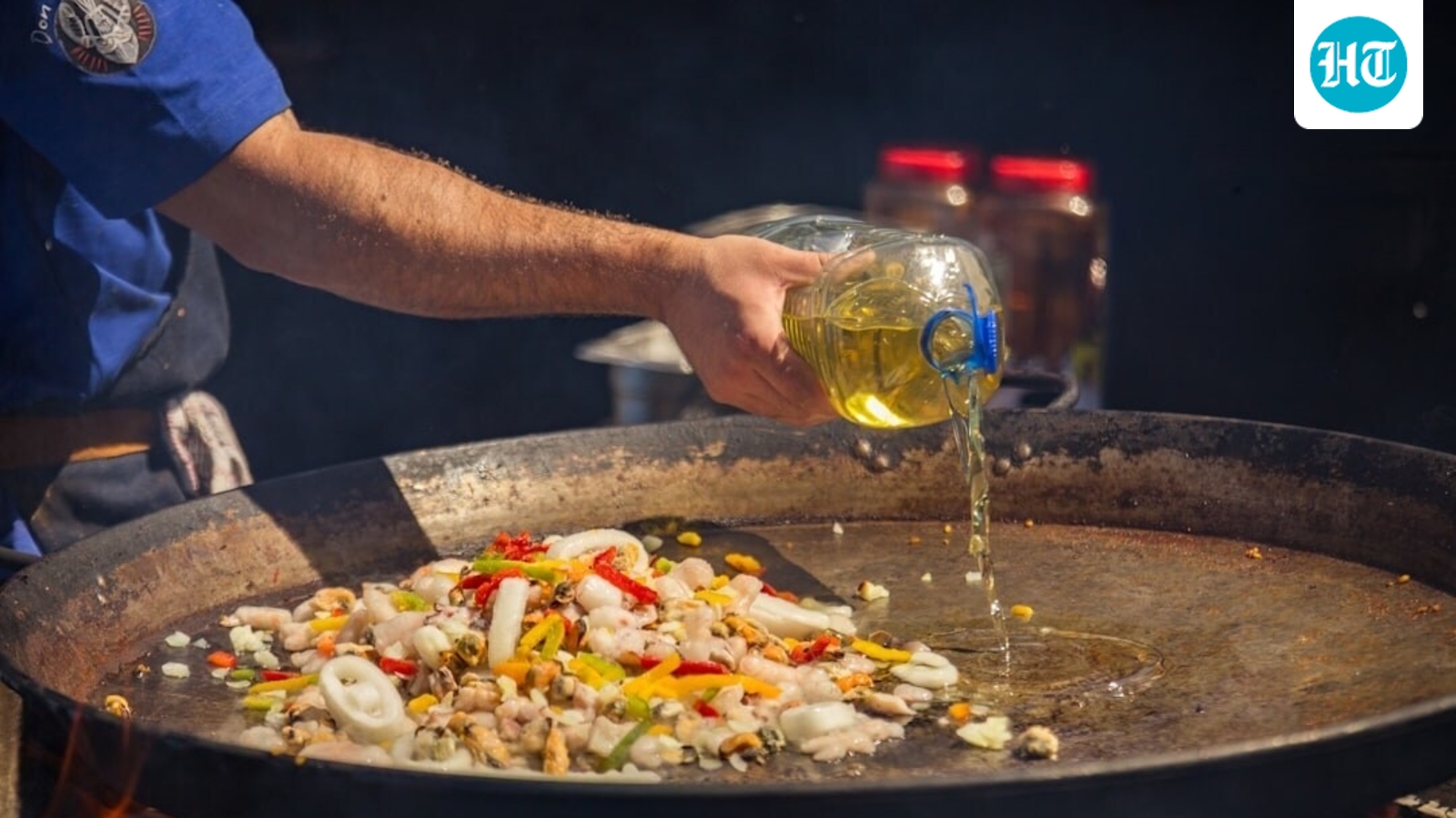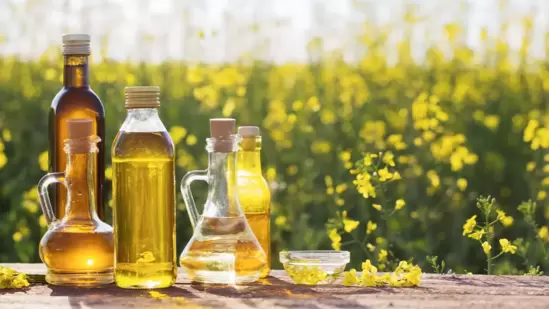
Cooking oil is something most of us use every day, whether it is for sautéing vegetables, making dal, preparing a curry, or dressing a salad. But when you have high cholesterol, the type of oil you choose matters. Some oils are rich in heart-healthy unsaturated fats, while others contain higher amounts of saturated fat that can raise LDL, or 'bad', cholesterol, when consumed in excess. However, you do not have to stop using oil altogether. Instead, choosing the right variety and using it in moderation can help make your overall diet more heart-friendly.Nutritionist Pooja Kedia shares nine cooking oils that can be better choices for people looking to manage cholesterol, with HealthShots.1. Extra virgin olive oilExtra virgin olive oil is rich in monounsaturated fats and polyphenols. "These fight inflammation and improve heart health," says Kedia. Research published in Evidence-Based Complementary and Alternative Medicine in 2015 also found that olive oil may help improve cholesterol levels. Use it for salads, vegetables, and light sautéing.2. Avocado oilAvocado oil is another source of heart-friendly monounsaturated fats and vitamin E. It may help lower LDL cholesterol while supporting HDL, or "good" cholesterol. Its neutral flavor makes it useful for sautéing, roasting, stir-frying, baking, and salad dressings.3. Flaxseed oilMade from cold-pressed flaxseeds, this oil is rich in alpha-linolenic acid (ALA), a plant-based omega-3 fatty acid. According to Kedia, it supports heart health and cholesterol metabolism. However, do not use flaxseed oil for high-heat cooking. Drizzle it over cooked food or use it in dressings instead.4. Walnut oilWalnut oil contains omega-3 fatty acids and polyphenols, along with antioxidants such as ellagic acid. It can be a useful addition to a heart-friendly diet. Try it in salad dressings, dips, or other dishes that do not require high-heat cooking.5. Canola oilCanola oil is relatively low in saturated fat and contains monounsaturated fats and omega-3 fatty acids. It may help lower LDL cholesterol and can be used for everyday cooking, sautéing, baking, and grilling.6. Sesame oilSesame oil contains antioxidants such as sesamol and sesamin, which may support healthy cholesterol levels and protect LDL particles from oxidative damage. Use it in dressings, dips, or dishes where its distinctive flavor works well.7. Coconut oilCoconut oil needs a little more caution. While its medium-chain triglycerides are metabolized relatively quickly and it may increase HDL cholesterol, it is also high in saturated fat and can raise LDL cholesterol. So, Kedia recommends using it in moderation, rather than as your primary cooking oil.8. Peanut oilPeanut oil is rich in monounsaturated fats and vitamin E. A 2010 study published in the Journal of Food Science found that peanut oil had cardiovascular-protective properties and could reduce total and LDL cholesterol without lowering HDL. It works well for sautéing, grilling, and stir-frying.9. Sunflower oilHigh-oleic sunflower oil contains more monounsaturated fat and may be a better choice than oils high in saturated fat. Research published in the Journal of the American Dietetic Association found that replacing saturated-fat-rich oils with sunflower oil could help lower LDL cholesterol and triglycerides. However, avoid repeatedly heating or reusing any cooking oil.(Disclaimer: This article is for informational purposes only and is not a substitute for professional medical advice. Always seek the advice of your doctor with any questions about a medical condition.)
Have high cholesterol? Nutritionist lists 9 heart-friendly cooking oil options
High cholesterol does not mean you have to give up cooking oil. But the oil you use every day can affect your heart health. Here are 9 types to consider. | Health
539 words~2 min read