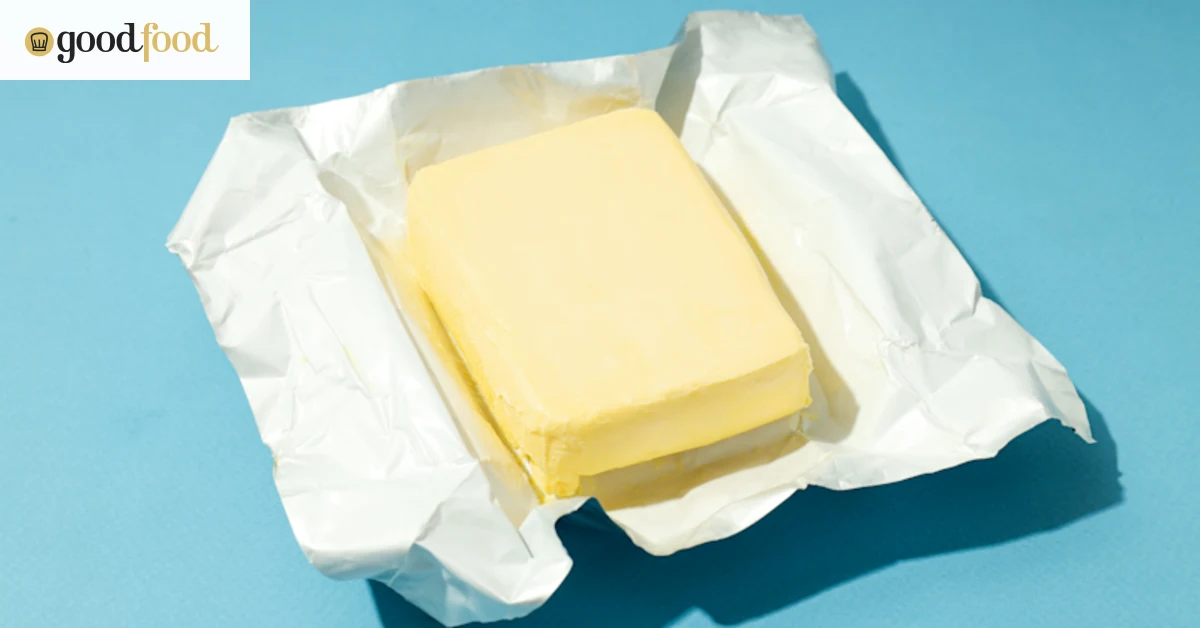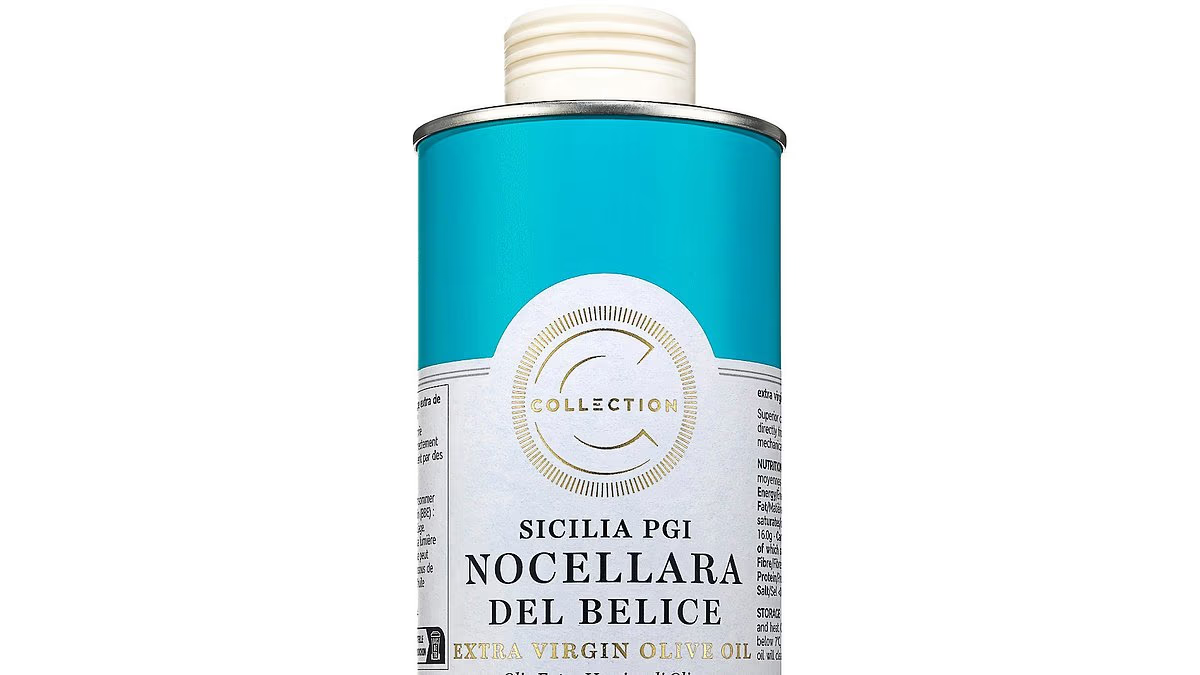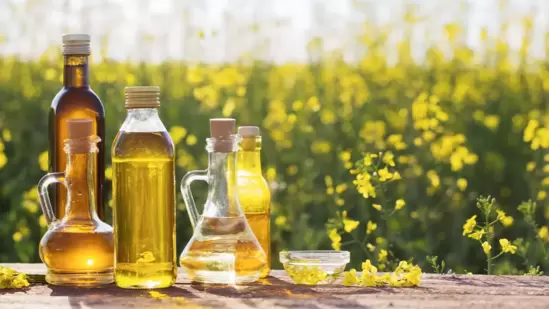
Which cooking oil is healthiest? Surgical oncologist Dr Arrjun Sankaran ranks popular oils from best to worst, revealing which to choose and which to avoid. Cooking oil is one of the most commonly used ingredients in every kitchen, but not all oils offer the same nutritional benefits or perform equally well at different cooking temperatures. While some oils are rich in heart-healthy fats and antioxidants, others may lose their nutritional value when heated or contain compounds that are best consumed sparingly. (Also read: C-section mom reveals how she lost 32 kg in 11 months with easy exercises and breathing techniques. Watch )Dr Sankaran evaluates various cooking oils for their nutritional profiles and cooking applications. (Pixabay)To help consumers make healthier choices, Hyderabad-based surgical oncologist Dr Arrjun Sankaran, in his Instagram post, rated some of the most commonly used cooking oils on a scale of 10, taking into account their nutritional profile, heat stability, antioxidant content and suitability for different styles of cooking."Not all oils are equal. Some support your health, while others may do more harm than you think. Heat stability matters, fat quality matters, and how often you use it matters. One oil on this list might shock you, and one 'healthy' option didn't score as high as expected. It's not about avoiding oil, it's about choosing the right one, the right way," he wrote in the caption.Here's a closer look at how Dr Sankaran rated popular cooking oils and the reasons behind each score.1. Refined sunflower oil — 0/10Dr Sankaran gave refined sunflower oil the lowest possible rating, advising that it should be consumed sparingly. “Refined sunflower oils, this is a big zero. They should be used only in moderation and in very minimal amounts.”2. Butter — 6/10While acknowledging butter’s taste, Dr Sankaran said it is best reserved for quick cooking because of its low heat tolerance. “Butter tastes very good. I would give it a six out of 10, but it should be used only for speed cooking because it burns really quickly.”3. Ghee — 9/10Ghee was among Dr Sankaran’s top recommendations due to its high heat tolerance. “Ghee gets a nine out of 10. It’s high in saturated fats and has a high heat tolerance as well. It can be used for sautéing or mild frying.”4. Mustard oil — 8/10Dr Sankaran rated mustard oil highly for its omega-3 content and cooking applications. “It has a very strong flavour and is rich in omega-3 fatty acids as well. It can be used for tadka at the end of your cooking session.”5. Cold-pressed sesame oil — 8.5/10According to Dr Sankaran, cold-pressed sesame oil is rich in antioxidants and works well across different cuisines. “It contains a lot of antioxidants and is excellent for all styles of Indian cooking.”6. Avocado oil — 10/10Avocado oil earned a perfect score despite its higher price. “It is really expensive, but it has got a lot of antioxidants and is excellent for all styles of Indian cooking.”7. Cold-pressed groundnut oil — 8/10Dr Sankaran described cold-pressed groundnut oil as a versatile option with a pleasant flavour. “It has a slightly nutty flavour, which many people end up liking, and it is suitable for all styles of Indian cooking as well.”8. Virgin coconut oil — 8/10Virgin coconut oil also received a high rating for its flavour and versatility. “Predominantly used in South India, it has a really good flavour and is suitable for all styles of Indian cooking.”9. Olive oil- 8/10Dr Sankaran emphasised that the way olive oil is used depends on its variety. “Refined olive oil can be used for deep frying. On the other hand, extra virgin olive oil should not be used for deep frying but should only be used for drizzling on salads.”10. Vanaspati, Dalda and palm oil — 0/10Dr Sankaran advised avoiding these fats altogether. “Vanaspati, Dalda and palm oil get a zero out of 10. They are extremely unhealthy and are not to be used at all.”Note to readers: This article is for informational purposes only and not a substitute for professional medical advice. Always seek the advice of your doctor with any questions about a medical condition.This report is based on user-generated content from social media. HT.com has not independently verified the claims and does not endorse them.Akanksha Agnihotri is a lifestyle journalist with over 3 years of experience. She is a psychology graduate and holds a postgraduate diploma in Radio and Television Journalism from the Indian Institute of Mass Communication, Delhi, where she graduated as a gold medalist. Originally from Bhopal, the beautiful capital of Madhya Pradesh, she draws inspiration from the city’s rich cultural heritage and layered storytelling traditions that subtly shape her narrative voice.
Best and worst cooking oils revealed: Hyderabad oncologist gives ghee 9/10, refined sunflower oil gets a ‘big zero’
Which cooking oil is healthiest? Surgical oncologist Dr Arrjun Sankaran ranks popular oils from best to worst, revealing which to choose and which to avoid. | Health
1,002 words~5 min read