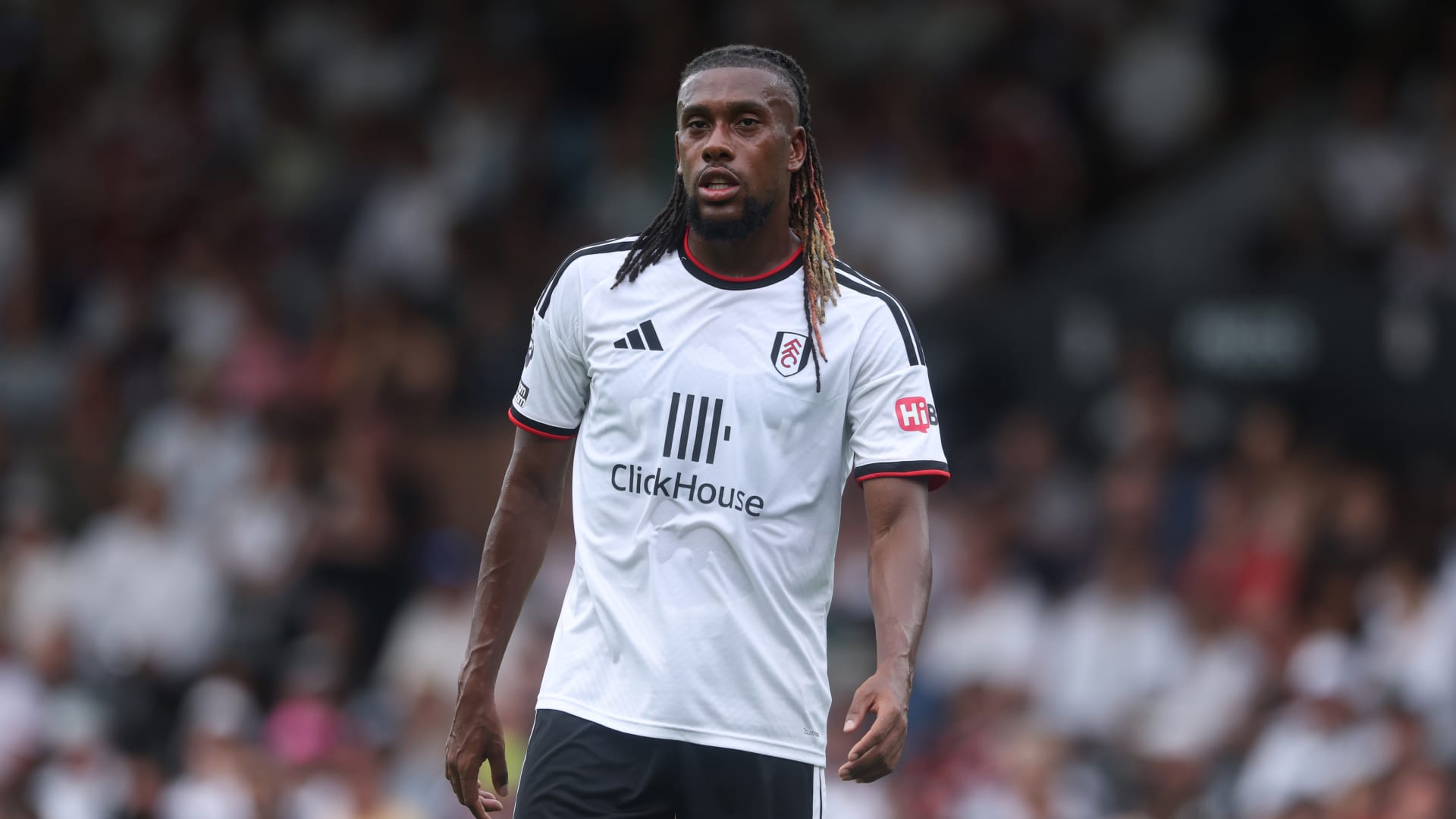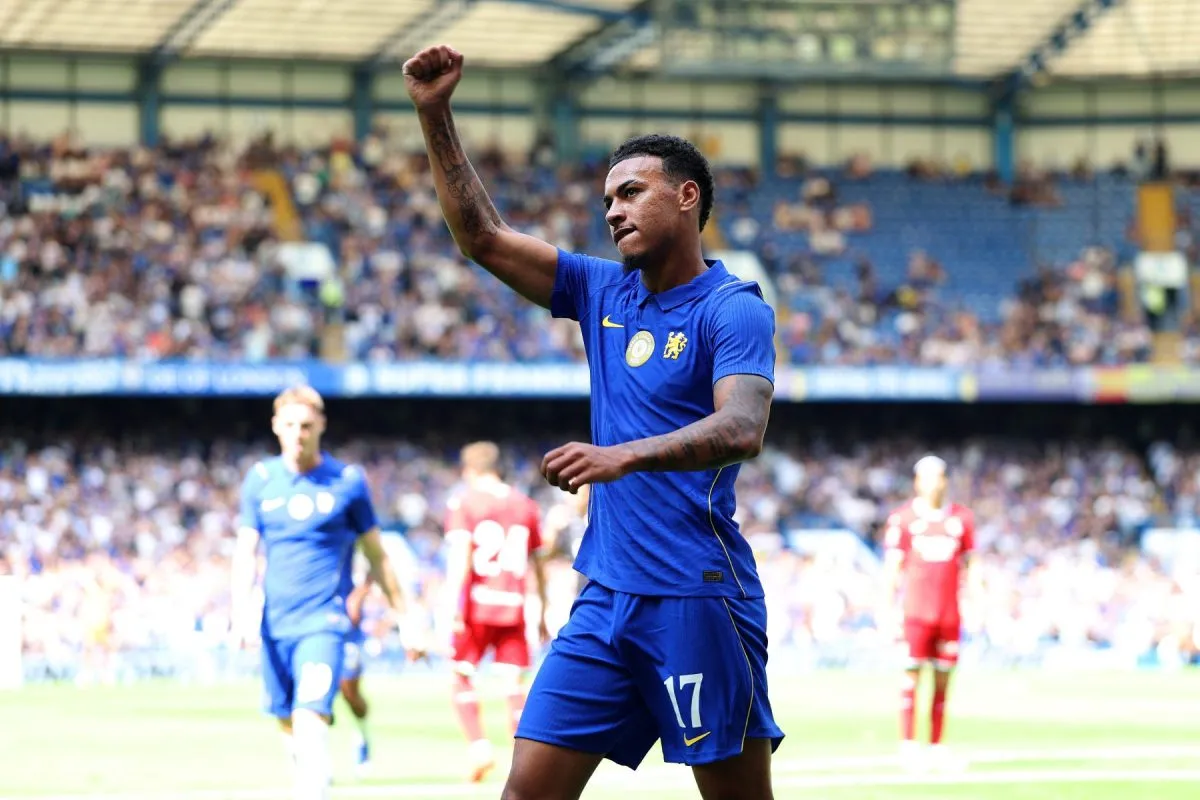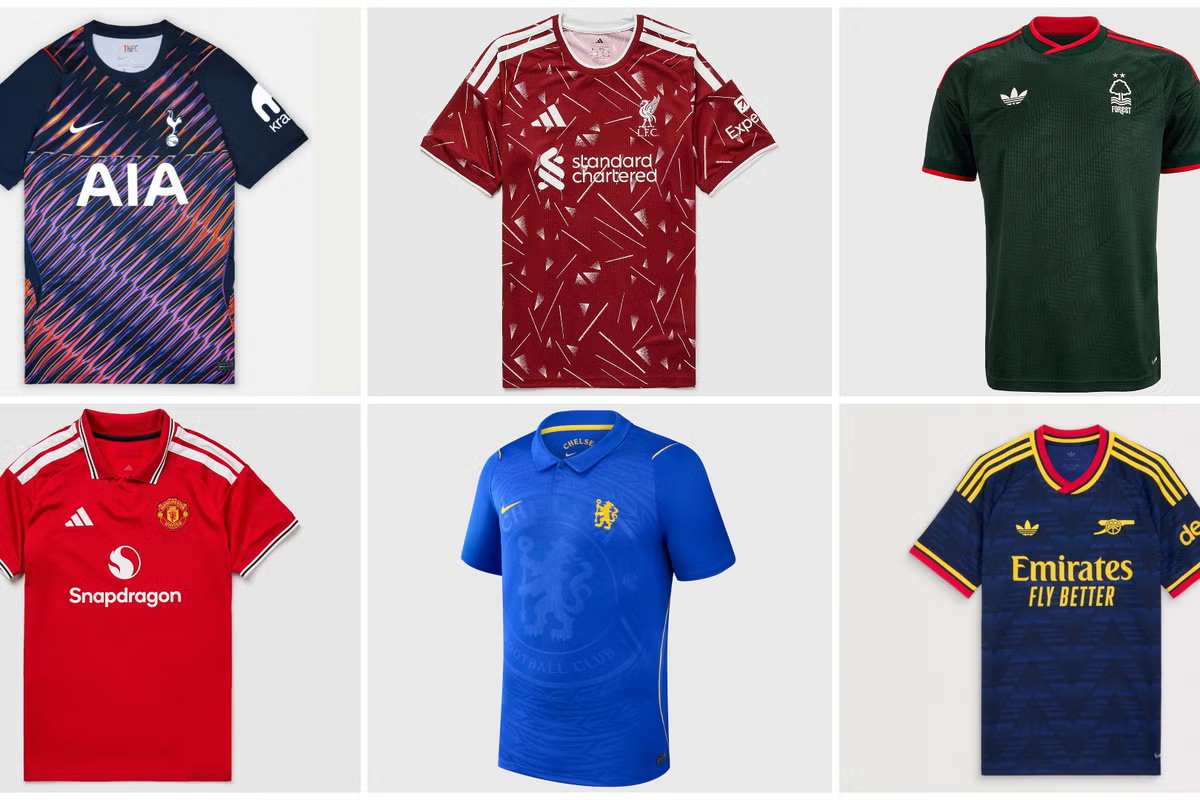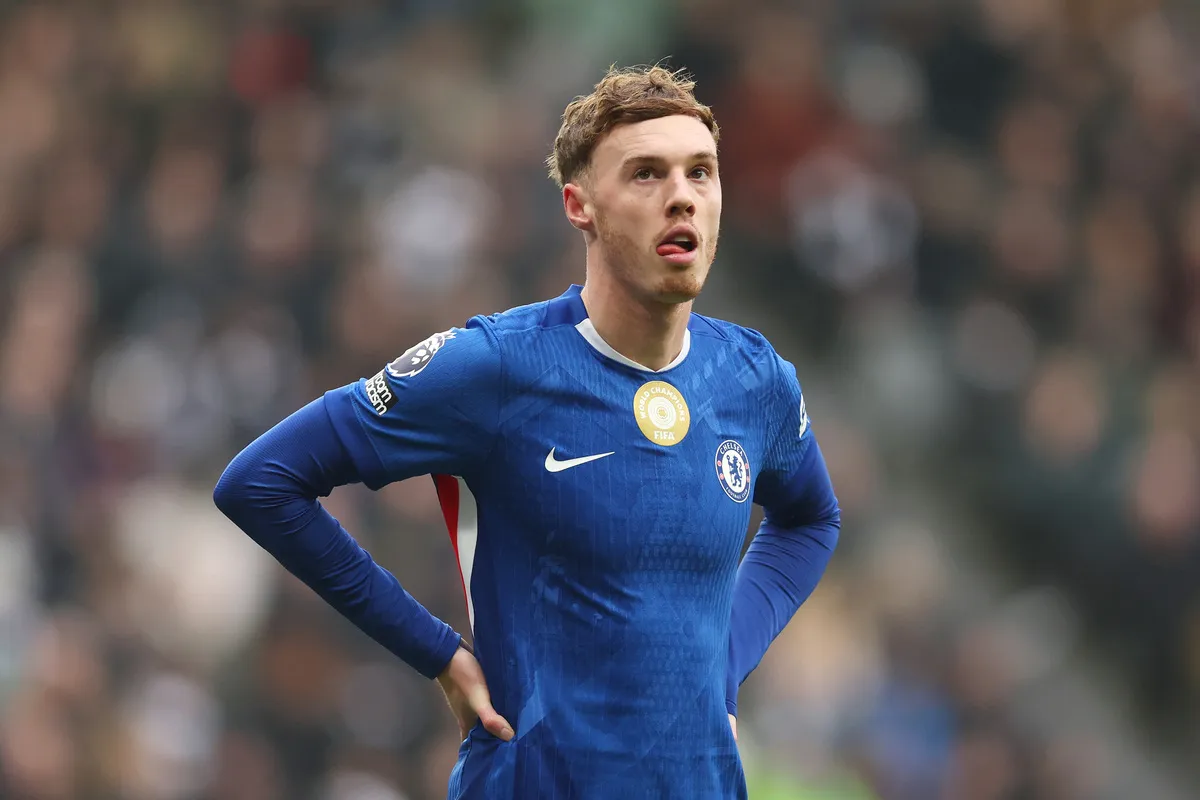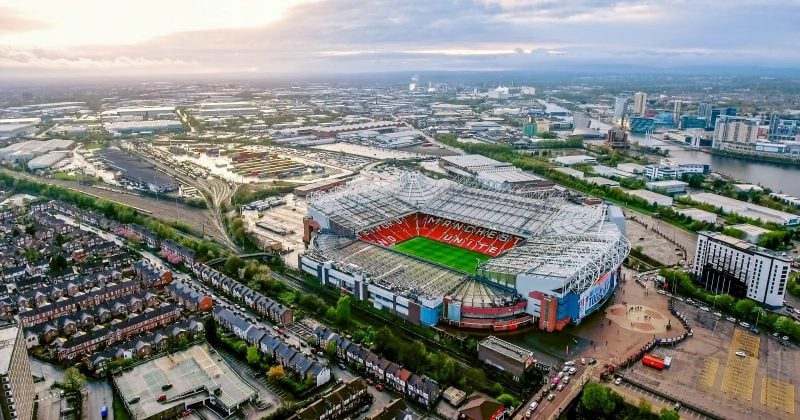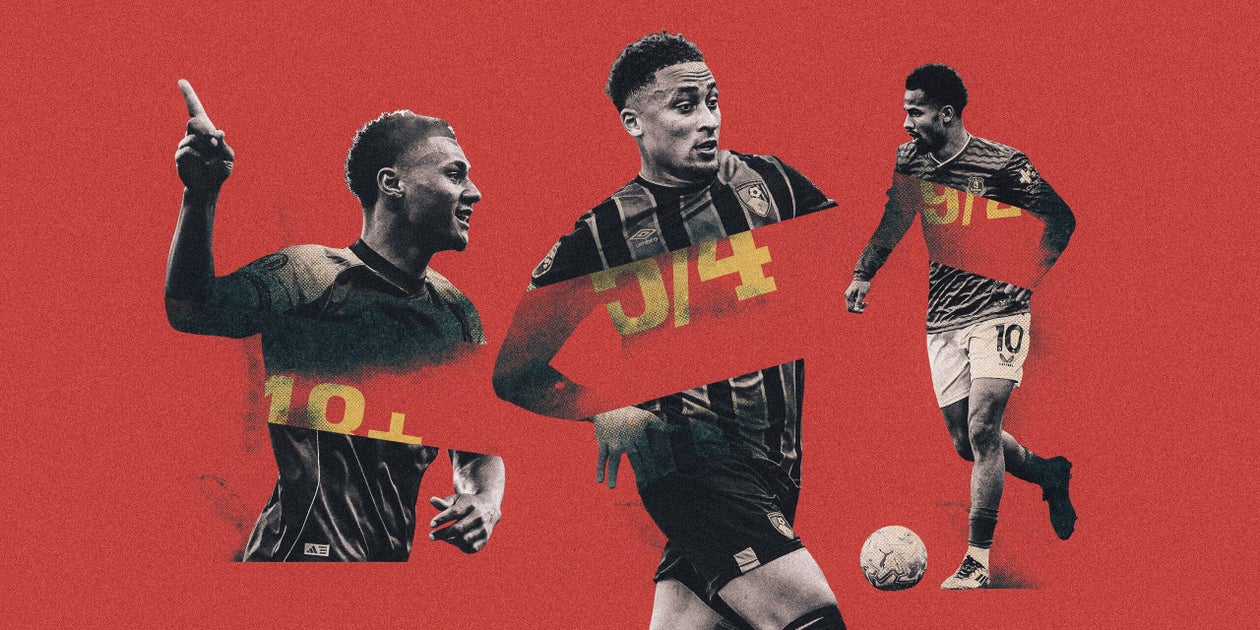
The Premier League, as always, promises to look a little different this season. Nine of the 20 clubs will start the campaign with new managers, all on top of a flood of signings made in the annual pursuit of advancement.The replica kits worn will also carry marked alterations. For the first time since 2003-04, there will not be a betting company on the front of any shirt worn in the Premier League this opening weekend.A voluntary ban voted through by the 20 clubs in 2023 has come into play for this season and resulted in half of the division spending their summer weeks looking for a new primary partner.The end of a commercial era propped up by the gambling industry has proved challenging. Six clubs launched replica kits without a sponsor in place, and only this week have Nottingham Forest secured an alternative to the betting brand they wore last season. That leaves Chelsea and Sunderland as the only two clubs to begin a campaign with a blank chest.(Ryan Pierse/Getty Images)A marketplace without gambling companies has tested commercial teams outside of the Premier League’s Big Six, but new sectors have moved to fill the void. This is now the Premier League’s finance, tech and software era.Six clubs are now sponsored by financial service providers after Everton partnered with CMC Markets and Forest teamed up with Marex this week. Both newcomers are finance platforms, joining Standard Chartered (Liverpool), AIA (Tottenham Hotspur), American Express (Brighton & Hove Albion) and Monzo (Coventry City) to create a new boom that replaces betting.There has also been a very modern move made by the tech and AI industry. ClickHouse, who specialise in data analytics and AI, have become Fulham’s new primary sponsor in the same summer that Temporal, a software platform that powers AI tech, has joined Crystal Palace. Both of those two clubs had been to the gambling well time and again but have pivoted to new multi-year deals.More unusual, perhaps, have been the partnerships with African nations. Visit Rwanda, once the sleeve sponsor of Arsenal, will carry their branding on the front of Aston Villa’s shirts, while Sunderland have been in lengthy talks with Visit Ghana. The latter arrangement is yet to be confirmed, but both deals underline the ongoing international appeal of the Premier League.“You’ve got the Big Six, minus Chelsea, who have had outstanding front-of-shirt sponsor strategies. They’re all very strong, continuing existing relationships,” says Russ Yershon, director at Connecting Brands, a firm that specialises in sport sponsorships.“Outside of that it’s been chop and change. The teams have known for a number of years that the voluntary ban was coming and they’ve been trying to navigate through this.“Some deals will have reduced. That will have depended on the performance of the team and how they’ve grown socially, so it does vary. But because the Premier League has this global audience that continues to grow, clubs can still demand a significant fee and get some good numbers for other partners.”(Lewis Storey/Getty Images)The exit of the gambling industry from the front-of-shirt market forced the biggest shake-up of the Premier League’s commercial world in 20 years this summer.Eleven of last season’s 20 clubs carried a betting brand on their chests, bringing in a combined sum of up to £100million. Even the lowest deals with betting partners, often those newly promoted clubs, tended to be worth £6m per year. As the late timing of so many deals has underlined, replacing that income has not been straightforward in a competitive market.“I feel as though the clubs will be fairly happy with how they’ve been able to transition away from betting,” says Joe Williams, director at WH Sports, a London-based sports sponsorship agency.“We were forecasting a 20 per cent net loss. We thought training wear and sleeve deals would be higher to compensate for the front-of-shirt deals being lower. I don’t think the loss to clubs has been huge and a lot of these deals have been signed at a fairly good level. That might be less than the previous betting deals, but I don’t see any that will have dropped drastically lower as yet.”The big winners of the summer, financially at least, have been Villa. They have capitalised on a return to the Champions League by partnering with Visit Rwanda, who formerly were sleeve sponsors of Arsenal. The Athletic has reported the deal with Visit Rwanda to be worth £17m a year, with bonuses potentially taking that as high as £20m.Villa previously collected £14m a year from Betano, the betting firm that has switched to sleeve sponsor on a three-year deal also known to be worth more than the previous asset holder, Trade Nation.The Visit Rwanda partnership has nevertheless brought criticisms to Villa’s door. Campaigners have accused the African nation of “using sportswashing to deflect attention from its terrible human rights record” in becoming Villa’s sponsor. “Aston Villa should be well aware that Rwanda is seeking to leverage this partnership to create positive PR,” said Felix Jakens, Amnesty International UK’s head of campaigns.Villa’s lucrative and controversial deal places them broadly on a par with Newcastle United below the Big Six, with Knox Hydrate paying £60m over three years to replace Sela as the front-of-shirt sponsor.Newcastle’s partnership with Knox has underlined perhaps the clearest strategy of commercial teams this summer: upselling.The South African beverage company had already been announced as the sponsors of Newcastle’s training ground in April on a £ 6m-a-year deal but were then elevated to become front-of-shirt sponsors three months later. The same approach was used by Bournemouth, who upsold their stadium sponsors Vitality, the insurance provider, to become shirt sponsors for this season, and Brentford, who expanded their existing deal with Indeed, training wear backers since 2025, to become their primary partner.Those three deals struck by Newcastle, Bournemouth and Brentford were all ‘multi-year’ agreements but illustrative of a limited market this summer.(Stu Forster/Getty Images)“That’s been the winning formula so far, where an existing sponsor of the club moves across,” adds Williams. “And in Aston Villa’s case, they’ve taken a big sponsor that separated from another big club and maximised that opportunity when they wouldn’t have a presence in the Premier League.“Look at the teams coming up, too. Hull have retained their front of shirt (Corendon Airlines), the same with Ipswich (Software company Halo) and Coventry. That’s helped those clubs. If there were betting companies still around, newly promoted clubs might have been looking at perhaps double what they can now receive, but they’re all with really great brands from last season.”Both Ipswich and Coventry have previously dismissed the idea of teaming up with betting brands under their current owners, but those lucrative partnerships have not fully disappeared from English football.The EFL chose not to follow the Premier League’s ban on betting sponsors on the front of shirts, allowing seven Championship clubs to partner with a gambling firm this season. Midnite, the online bookmaker, sponsors Sheffield United, Middlesbrough and Wolverhampton Wanderers, while West Ham United, relegated from the Premier League in May, have been able to retain Boylesports as their leading partner.Three Premier League clubs, Villa (Betano), Everton (Stake) and Bournemouth (MrQ), have retained the presence of a betting company on their shirts via a sleeve sponsor, while Manchester United announced a multi-year partnership with Betway this summer that sees them sponsoring training wear. Tottenham also struck the same arrangement with Betano this summer on a three-year deal.(Jess Hornby/Getty Images)The saviour to the Premier League’s commercial teams, though, has been the growing interest from finance and tech sectors. Companies not considered well-known brands have taken the plunge in an attempt to grow their profile.“We’ve seen tech and AI be pretty heavy, finance as well, whether that’s FX or just general finance,” says Yershon. “That industry is pretty solid, so it’s no wonder we’ve seen a couple of extra finance brands come into the market. They’ve had a strong association with Premier League clubs for a while.“Most clubs have had an FX or finance partner now. We saw Scope Markets with West Ham as a sleeve sponsor; we saw Trade Nation with Aston Villa for a few years too. The money has been there for that sector to take it to the next level.”This summer of upheaval will not be repeated next year given the weight of multi-year deals signed in recent weeks. Arsenal, the Premier League champions, confirmed their deal with Emirates Airlines has been extended through to 2033, while AIA are also in place with Tottenham until 2032. Liverpool's main sponsor will be the one to watch in the coming months as their existing deal with Standard Chartered expires at the end of the season.Chelsea remain the outlier, without a long-term sponsor since breaking with the telecommunications brand Three in 2023. No partner has yet been found willing to meet their valuation for a front-of-shirt asset, ensuring they will begin a fourth consecutive season with blank shirts. Newcastle United, Hull City, Aston Villa and Nottingham Forest also launched their new kits without a sponsor, before eventually striking multi-million-pound deals.“The Premier League remains a hugely popular space for brands,” says Williams. “Formula 1 has stolen a march with some of the big blue-chip global brands, but the Premier League is still very attractive.”
How Premier League clubs found new front of shirt sponsors after the ban on betting sponsors
The exit of gambling companies as front-of-shirt sponsors forced the biggest shake-up of the Premier League’s commercial world in 20 years
1,538 words~7 min read