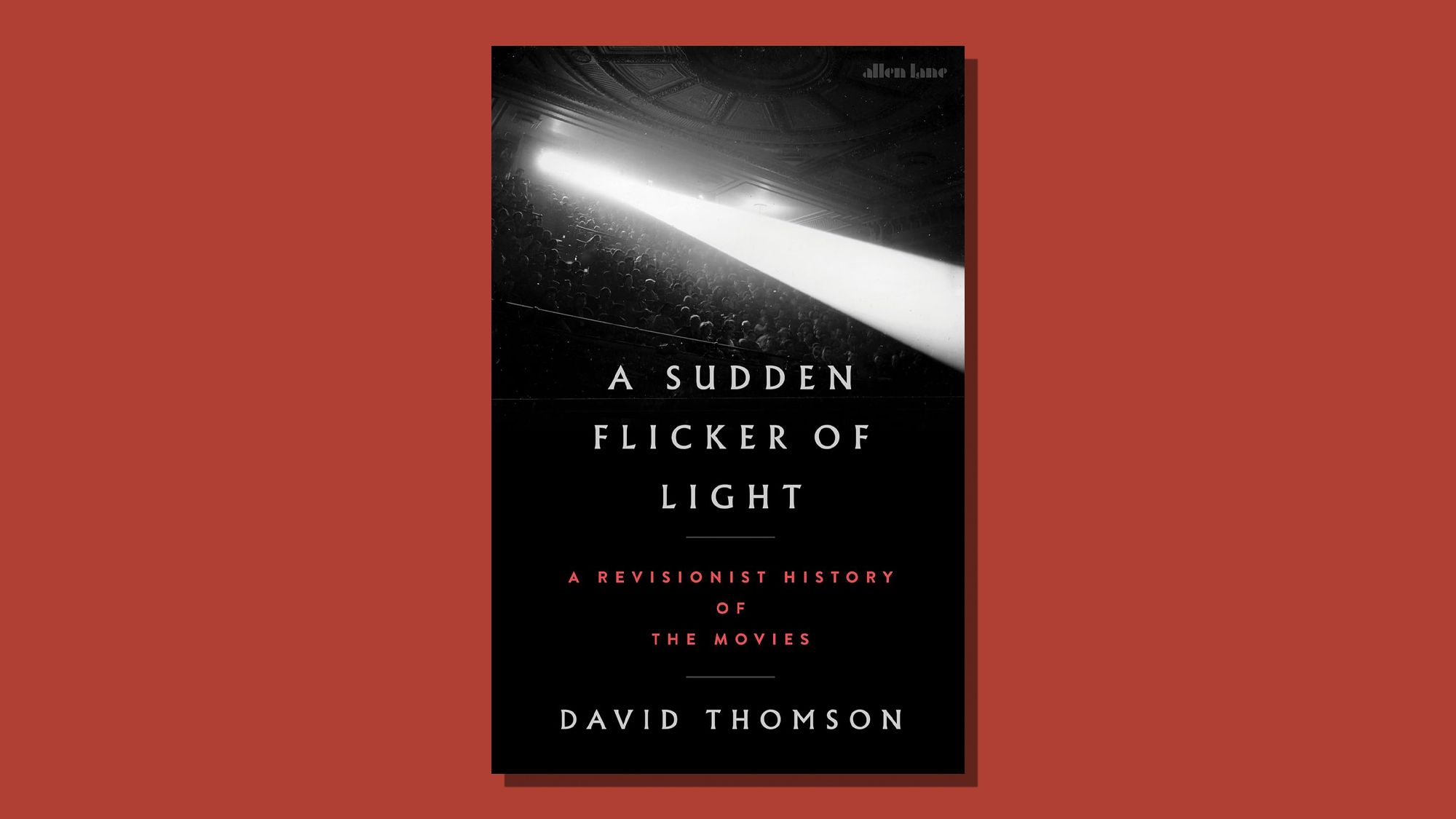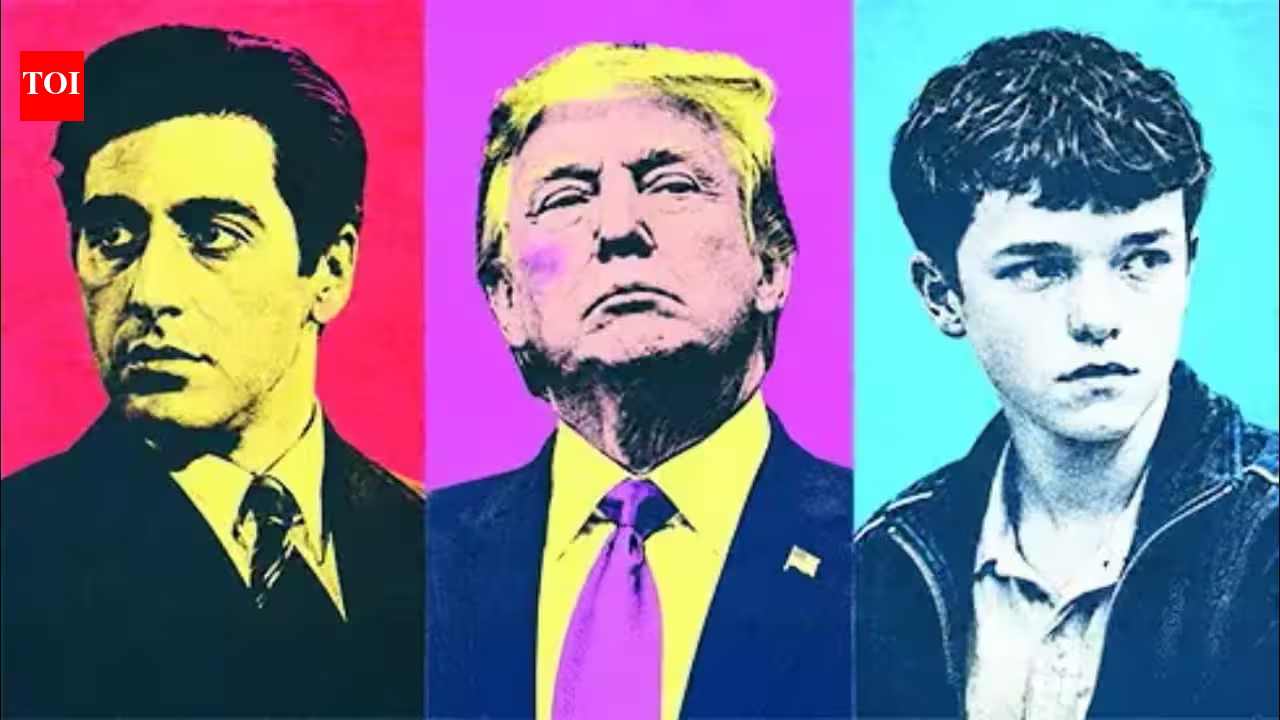
TOI MindfieldHas the medium made us cruel, stupid, indifferent?David Thomson is feted as the world’s greatest living film critic and historian. The book that originated this reputation and remains a staple of university film courses, The New Biographical Dictionary of Film, is half a century old. Now, in A Sudden Flicker of Light: A Revisionist History of the Movies, Thomson has a mournful new take on the activity that’s preoccupied him from age 4 to 84.This “enterprise of darkness and light” has been valued as if it honoured society and history. But what if all that the “lifelike” has done is distract us from life? Withdrawn the facts, and filled all the empty space with fantasy? If in time fantasy overwhelms law and politics, is the bitter energy of disappointed dreaming all we have left? Once we used to at least watch movies with thousands of others. Now, for kids like Jamie in Adolescence, “the only screen is the pulsing wound in their hand.”Instead of full movies, we replay the highlights. There’s the moment in When Harry Met Sally when the medium allowed that sex was an act, but what else of the movie do we remember? The book itself mimics this disordered experience, diving into a century of cinema with bite, but without continuity.Has the medium made us cruel, stupid, indifferent?Voyeur beware. The atrocities that “I like to watch” excuses travel out of the screen. Yes, Coppola and Pacino and De Niro are outstanding. We adore their brotherhood of the gang. But Thomson threads the macho fantasies enacted in The Godfather all the way to Trump telling a female journalist, “Quiet, piggy.”He’s what Americans got when they fell in love with the lifelike. He’s their movie man. That thrill when Michael says, “You can kill anyone,” is us accepting, well, sure, these are very bad guys, but aren’t they fun to be with?And it’s a man’s world, being abusive to women is part of the formula. Diane Keaton’s Kay is code for women being kept in their place. “It is in the iniquity of that placement that US has become a hard place for breathing.”Even in Adolescence, it’s telling how little we know about the girl Jamie has killed. “It is in loving acting that we become brothers with murderers.” Sure, it’s all part of entertainment. But to be capable of watching anything may also be a perversion of our intelligence.Alternatives do exist. Thomson appreciates Ozu’s detached camera style, the calm of his gaze, his interest in ordinary people, and common domestic experiences. Here’s a filmmaker who is actually appreciating that “cinema is not as important as the stories it is telling.”Auteurs who have occupied Thomson for a lifetime now get solid slag. George Lucas? “He has never really thought to advance on his or our teenage attitudes.” Hitchcock? “He believed in life less than he did in its presentation.” The Schindler’s List guy? “What confronts us in the career of Steven Spielberg is the possibility that the cinema does not just bowdlerise our deepest feelings. It betrays them.”But just like it’s woeful misdirection to blame it all on Trump, so is it to say this film, not that one, this director, not that one – we don’t see that the problem is that all of life has become a movie. Watching has made us, Thomson says, indifferent. Baby, we just don’t care.
The terrible thing about movies
Has the medium made us cruel, stupid, indifferent?
564 words~3 min read