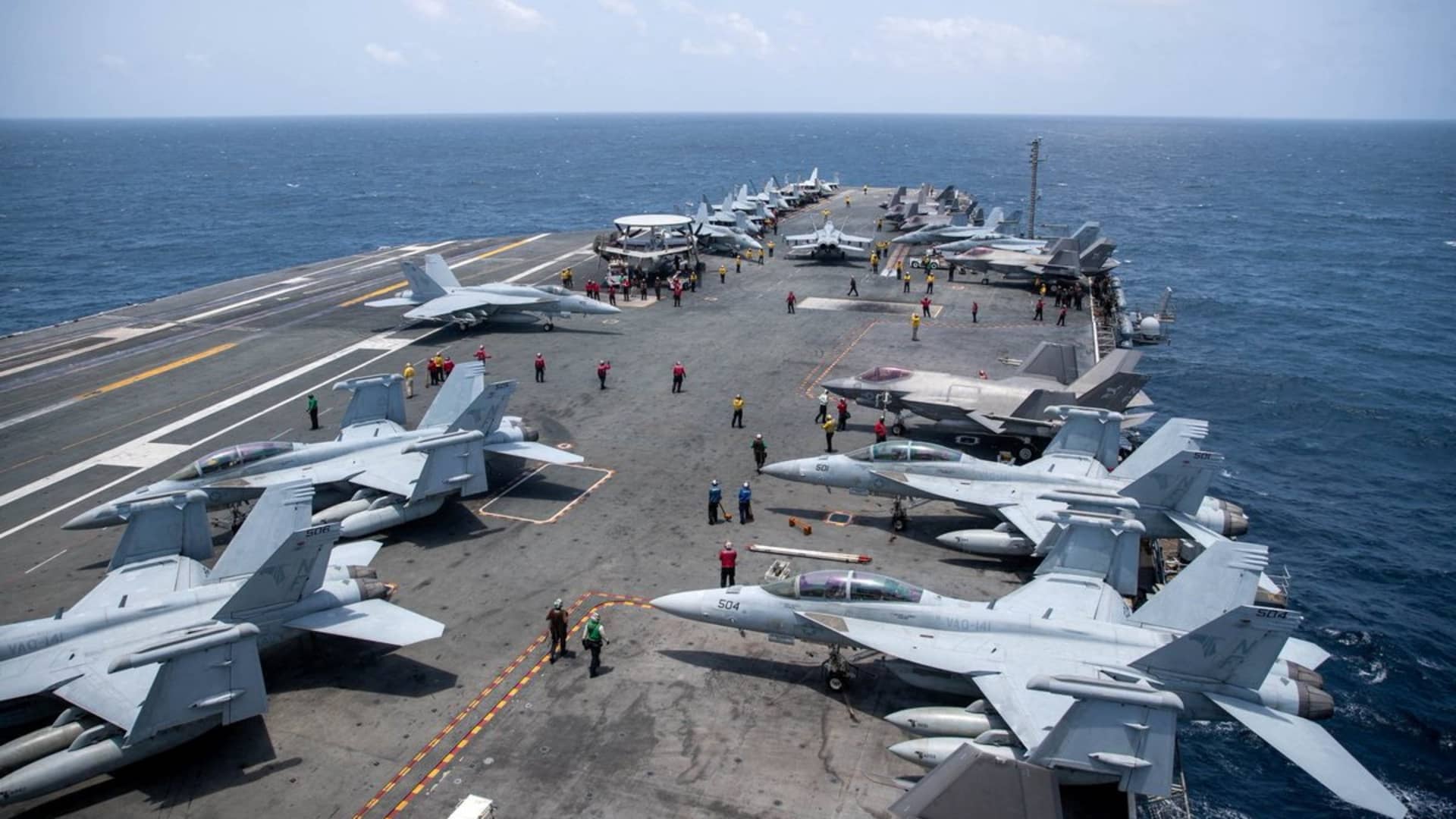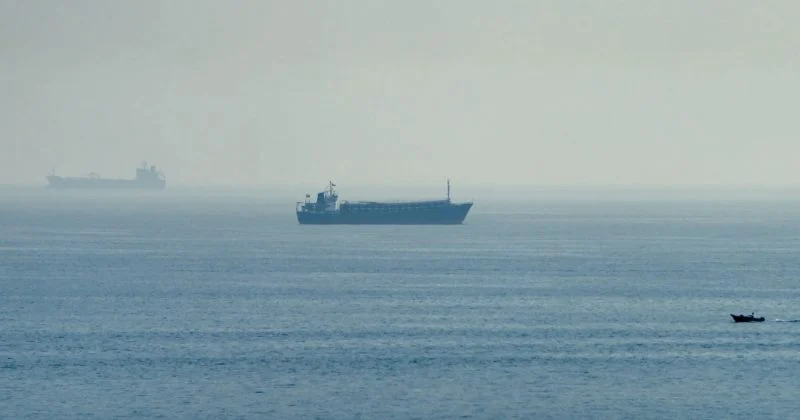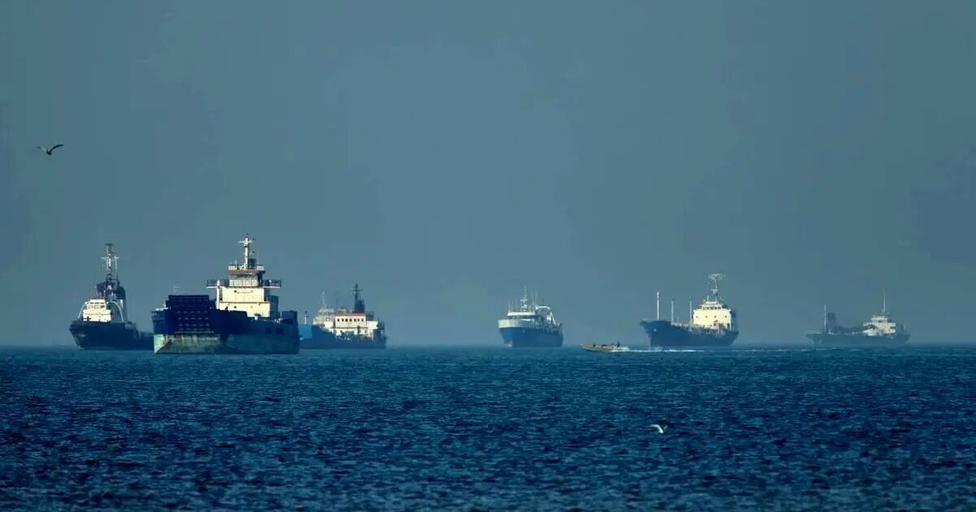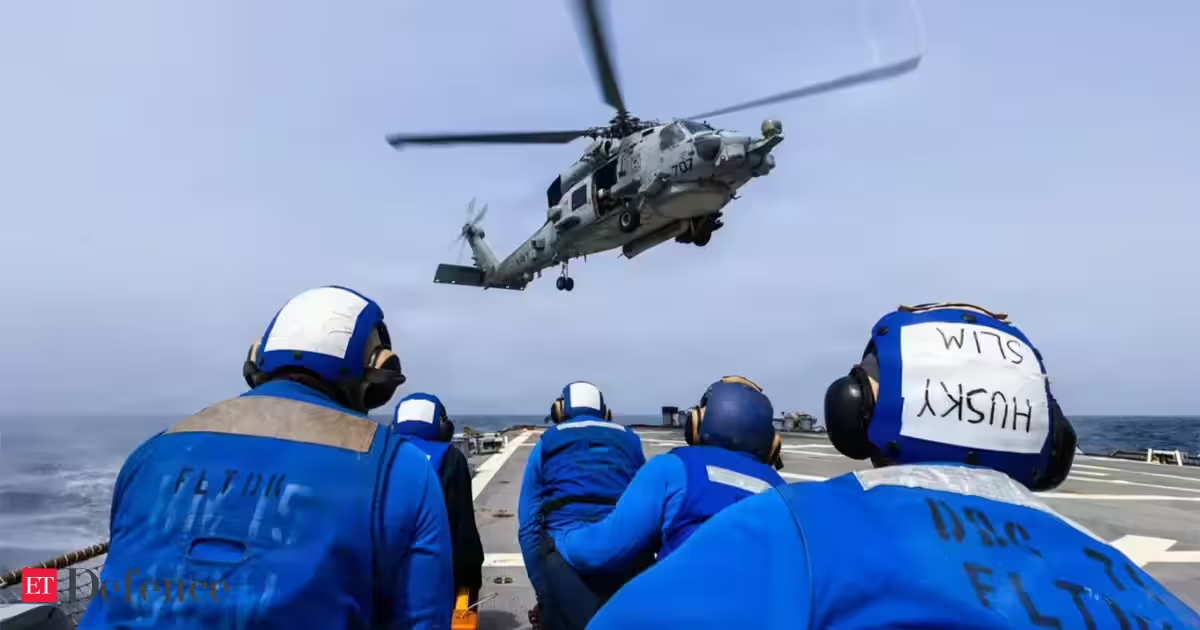
CentCom says 660 million barrels moved via protected southern corridor since MayLast updated: August 22, 2026 | 07:053 MIN READA military helicopter approaches USS Milius (DDG 69), a guided-missile destroyer patroling regional waters in support of the US blockade operations against Iran. As of Aug. 21, 2026, a total of 1,300 commercial vessels have trasited Hormuz (since May) even as the US Navy continues to redirect Iran-related ships to comply with the blockade.@CentCom | XUS forces have assisted approximately 1,300 commercial vessels in transiting the Strait of Hormuz since early May 2026, enabling the movement of more than 660 million barrels of crude oil, the Central Command (CentCom) reported on Friday.Recent activity implies an average of roughly 7 million barrels per day (bpd) over the past three weeks (approximately 160 million barrels since the previous CentCom update of ~500 million barrels as of late July). This remains well below pre-war levels of about 20 million bpd of crude oil and petroleum products that historically passed through the strait.US Navy Captain Tim Hawkins, a CentCom spokesperson, stated: “Multiple routes remain free and open for commercial transit.”Get it: Fast, verified news for FREE ... download the Gulf News app — simply click here CentCom has issued progressive updates on assisted traffic (e.g., ~800 vessels / 380 million barrels by early July; ~1,000 vessels / 500 million barrels by late July).The latest figures continue this trend of gradual recovery in escorted volumes.Disruptions to oil tradeThe current situation stems from a major regional conflict that escalated in late February 2026 following US-Israeli strikes on Iran. Iran responded with attacks on commercial shipping and U.S. interests, effectively disrupting normal traffic through the Strait of Hormuz — a critical chokepoint that previously handled roughly one-fifth of global oil supply. In response:The United States has enforced a naval blockade targeting Iranian ports while prioritizing freedom of navigation for non-Iranian commercial traffic.US forces have conducted escort and protection operations primarily along the southern corridor near the Omani coast (rather than the Iranian-controlled northern side). Vessels often transit at night, sometimes with transponders disabled, under protection from US warships, aircraft, helicopters, and interceptors against Iranian drones, missiles, and small boats.At least some ships have still been hit despite these efforts. Supporting data and differing estimates
1,300 commercial vessels transited Strait of Hormuz since May 2026: CentCom
CentCom says US forces have helped 1,300 vessels move 660 million barrels of oil through the Strait of Hormuz since May, easing disruption from the Iran conflict.
679 words~3 min read