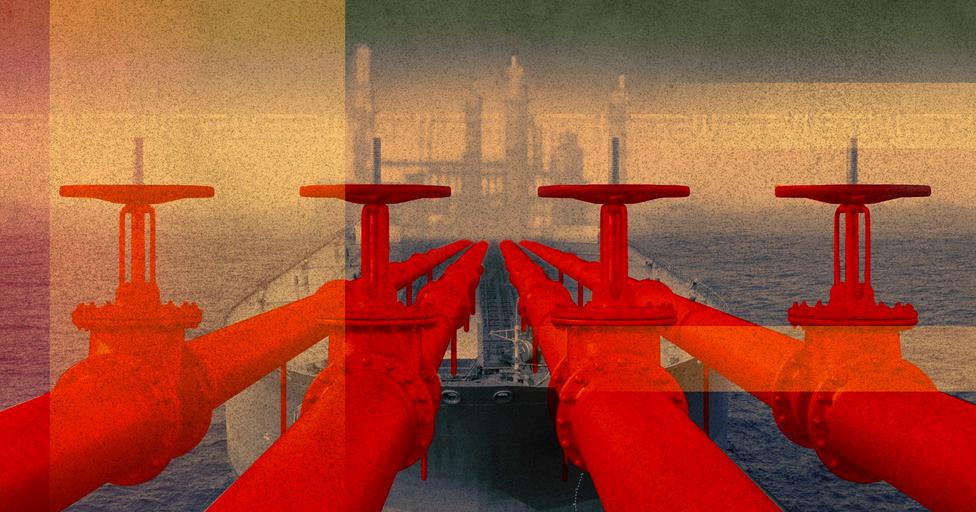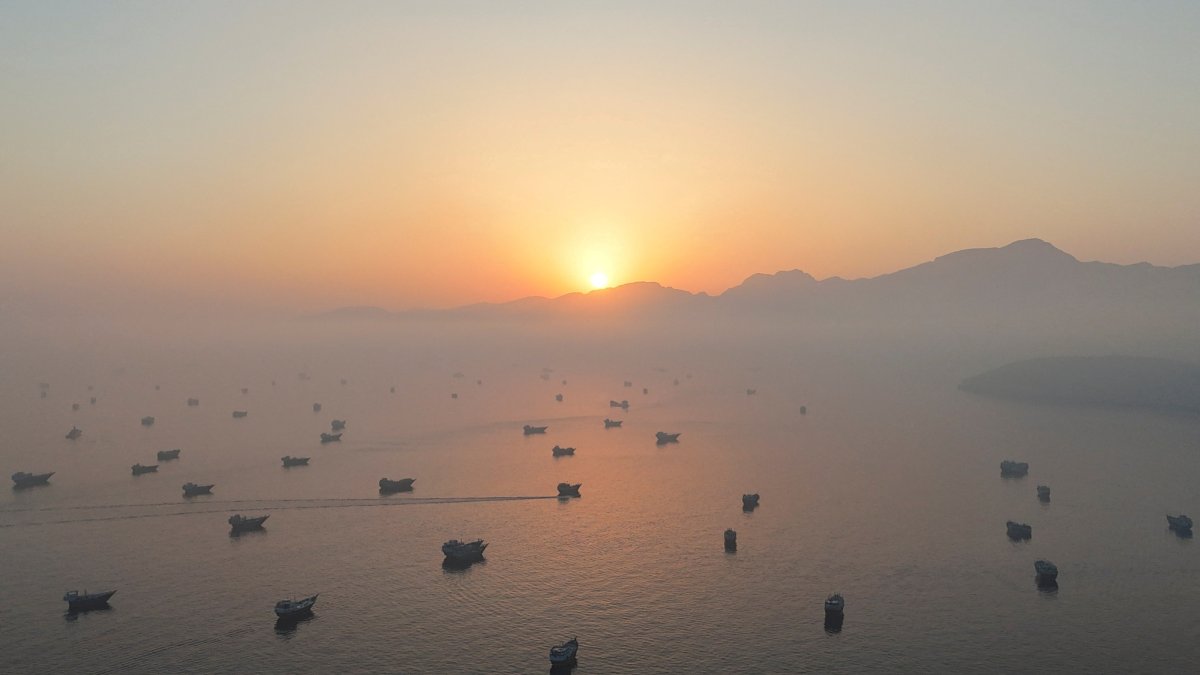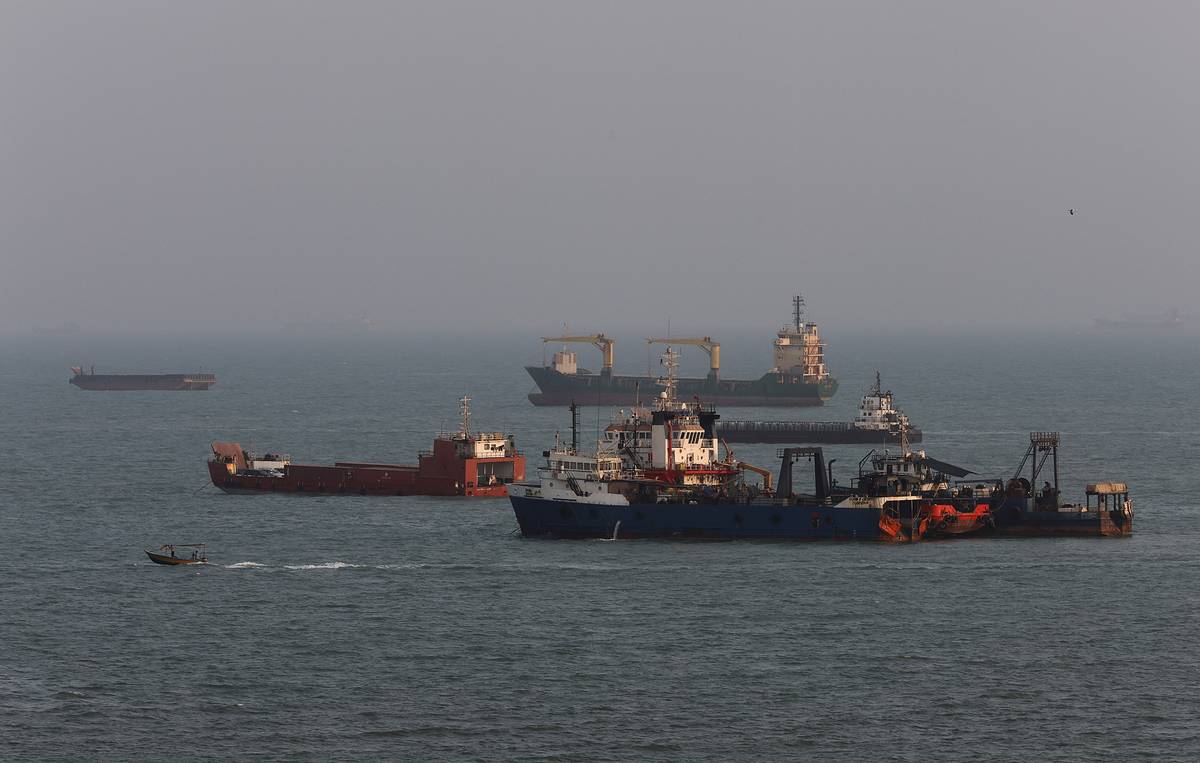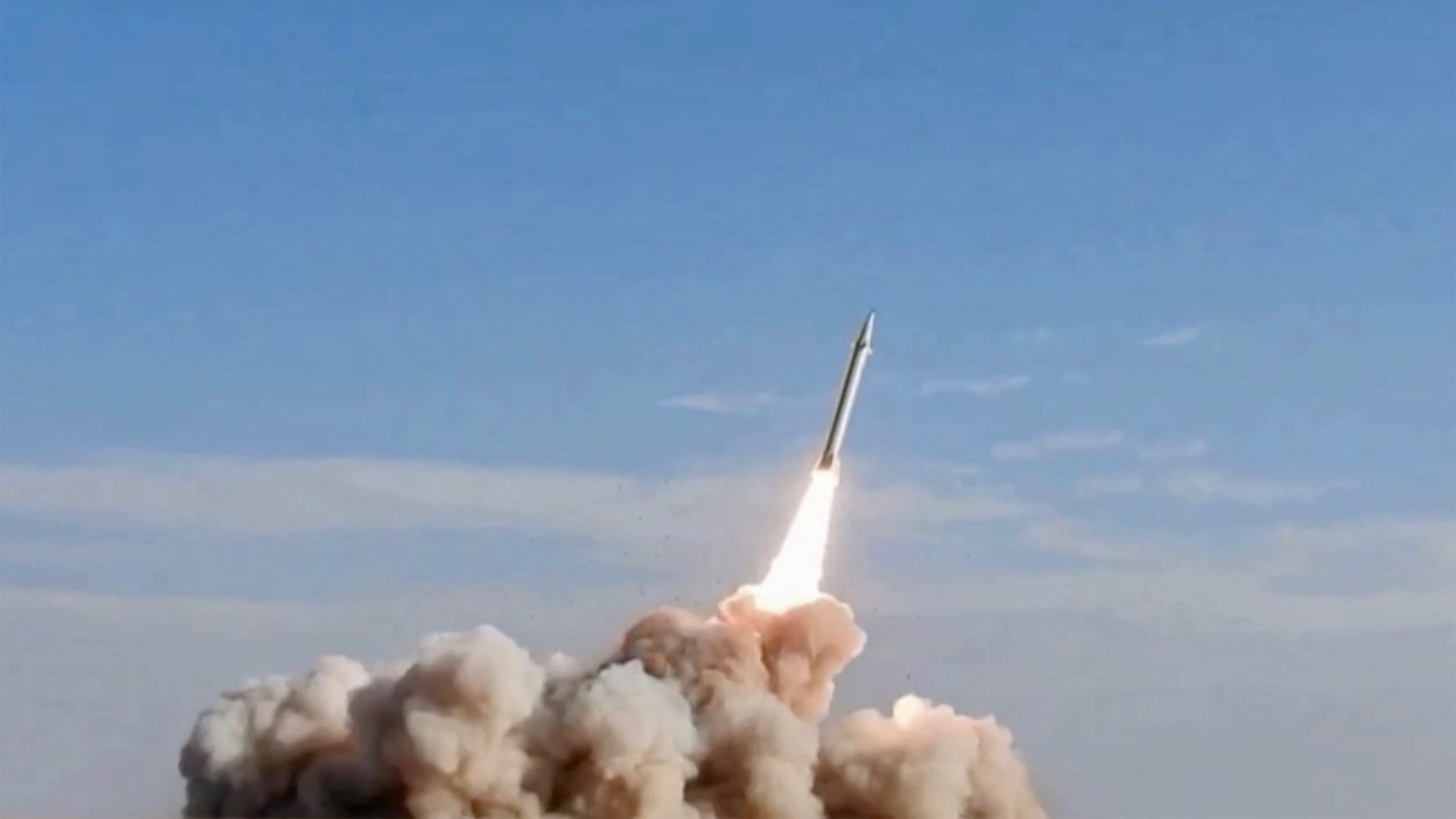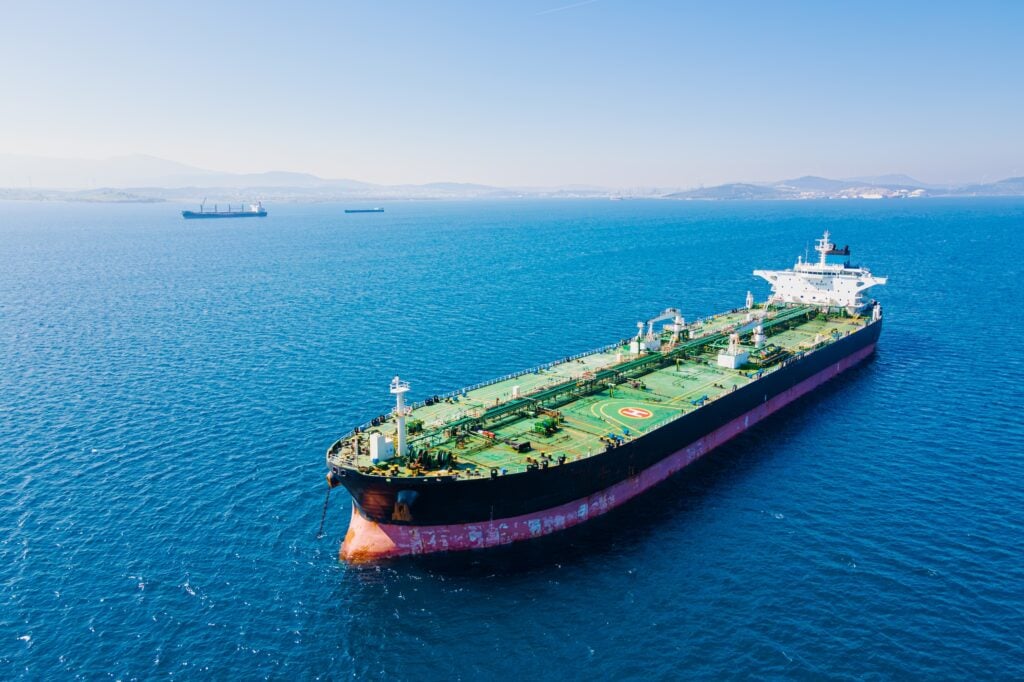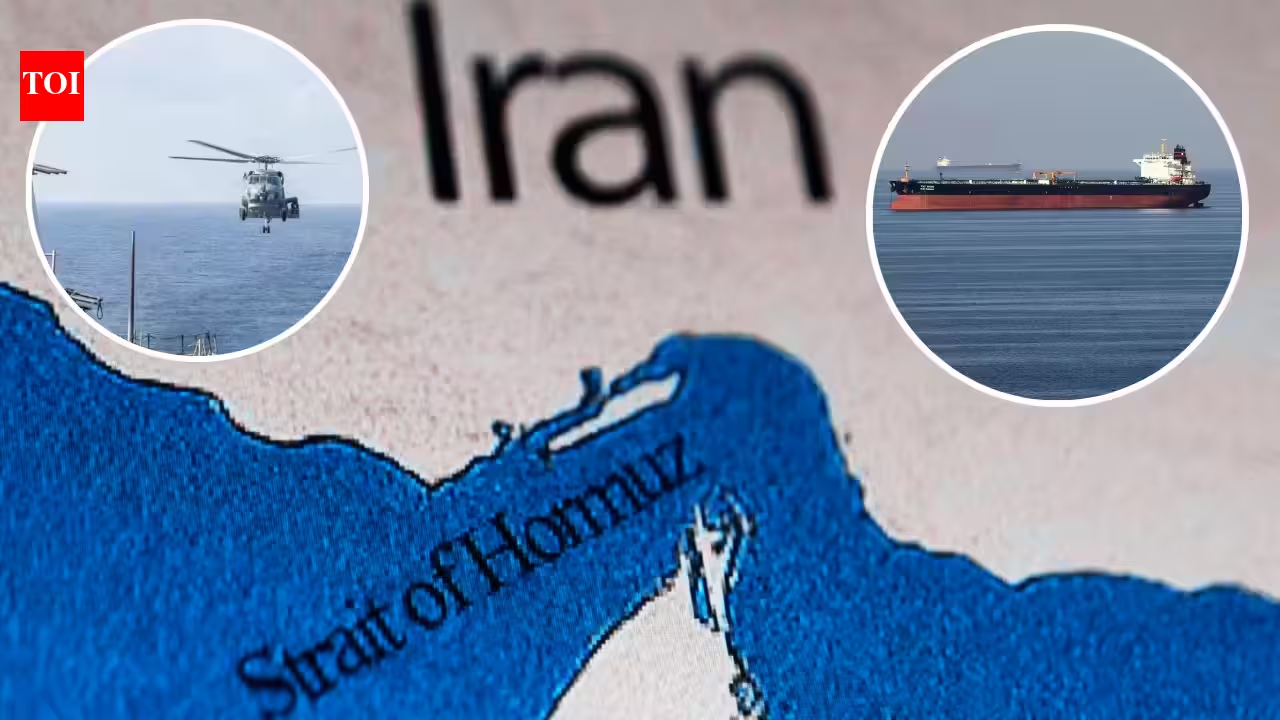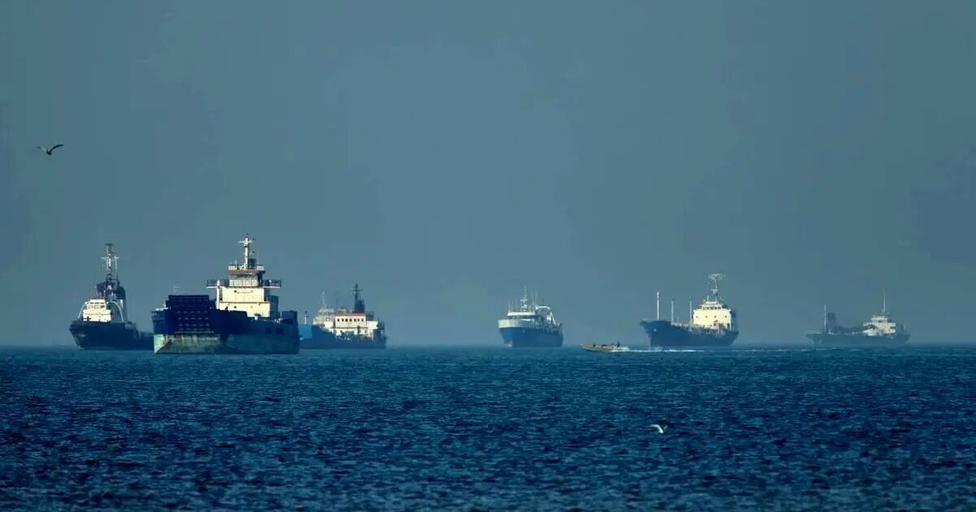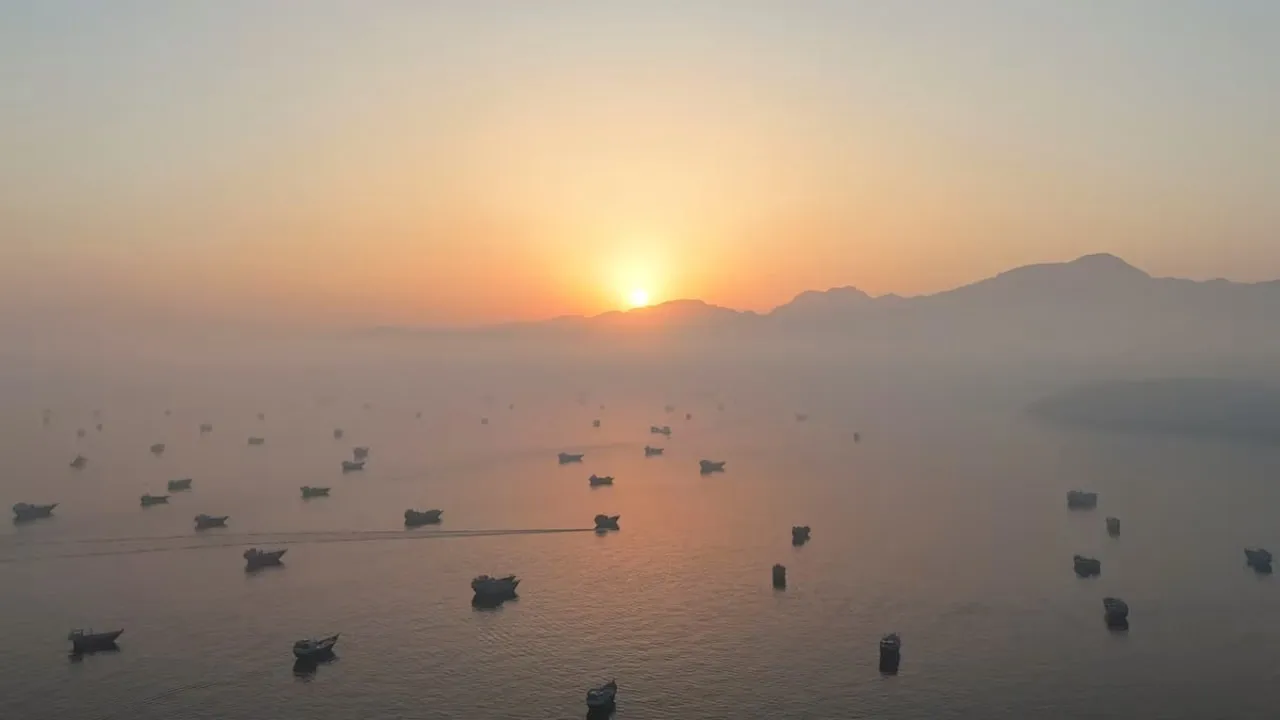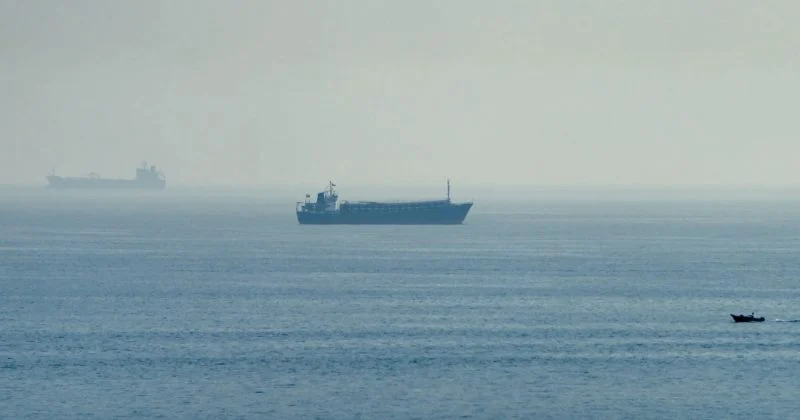
The US military has been quietly running a protected shipping lane through the Strait of Hormuz for several weeks, escorting commercial oil tankers along a southern corridor near Oman as part of an initiative called Project Freedom. The operation, which CENTCOM has been scaling up since early May 2026, has facilitated the movement of approximately 500 million barrels of crude oil through one of the world’s most critical maritime chokepoints.
That sounds like a lot of oil. And it is. But it’s also a fraction of what normally flows through the strait, which historically handles somewhere between 15 and 20 million barrels per day. Current US-protected flows have reached roughly 5 million barrels per day as of July 2026, meaning the corridor is operating at about a quarter to a third of the strait’s normal capacity.
What Project Freedom actually looks like
President Trump publicly announced Project Freedom in early May 2026, framing it as an effort to keep global oil markets functioning despite escalating tensions with Iran. The operational mechanics involve aerial and drone surveillance coordinated by CENTCOM, with commercial vessels turning off their transponders and receiving specific routing guidance through the southern corridor.