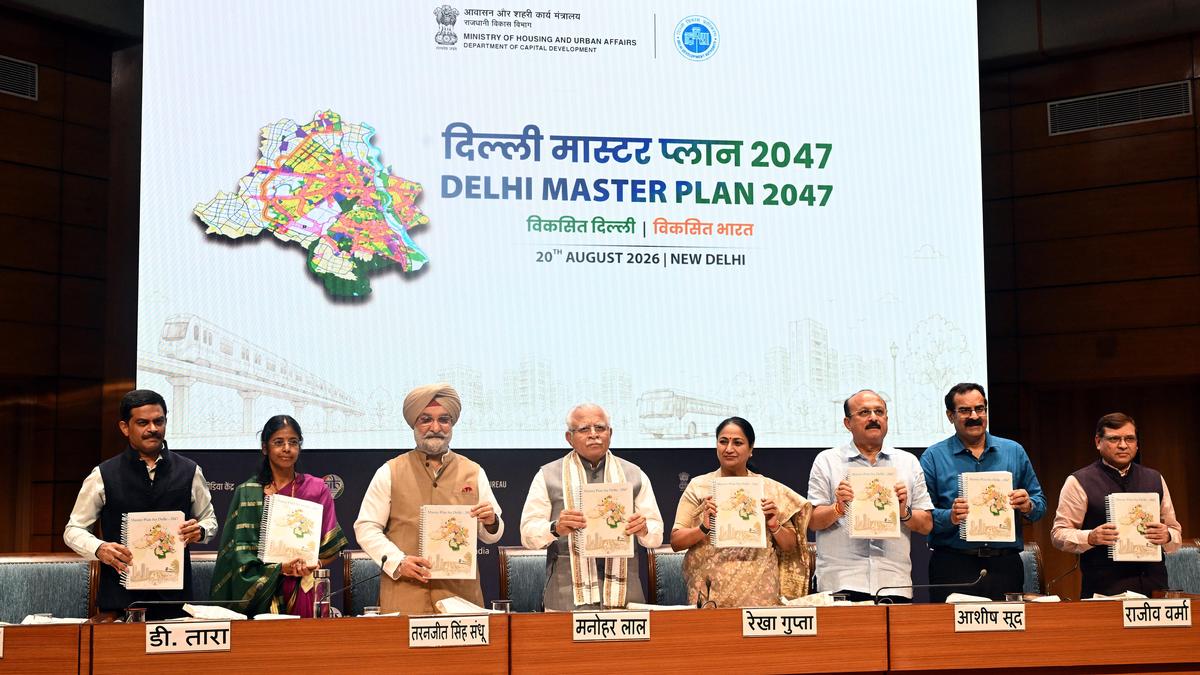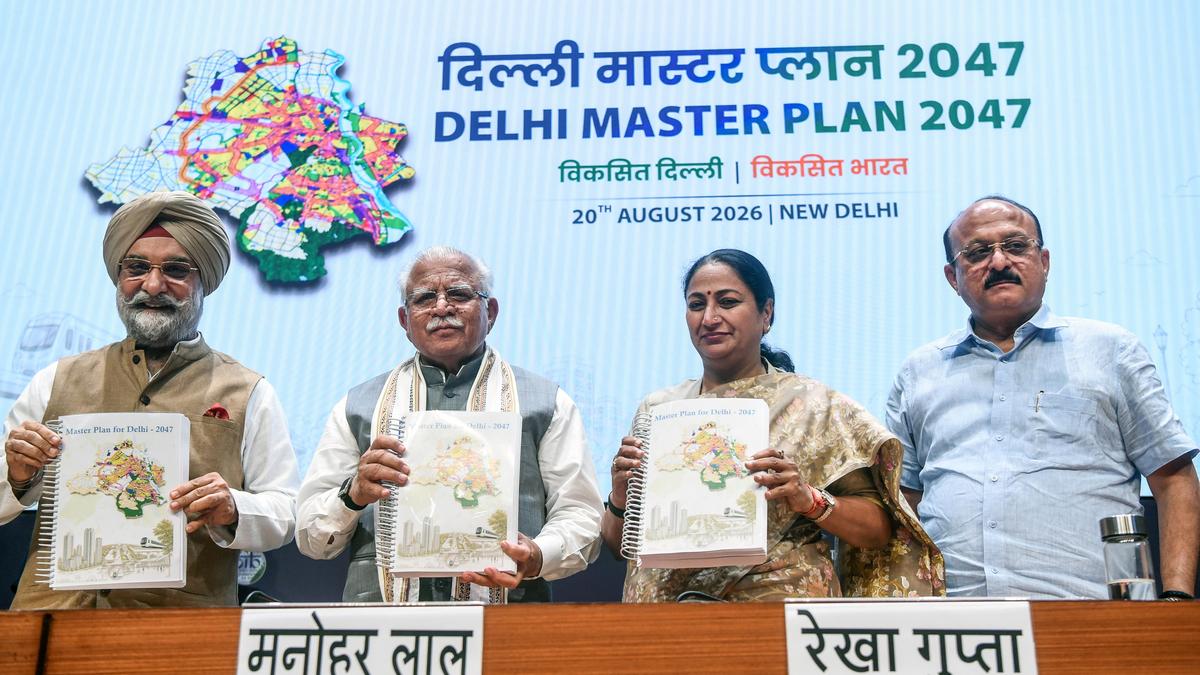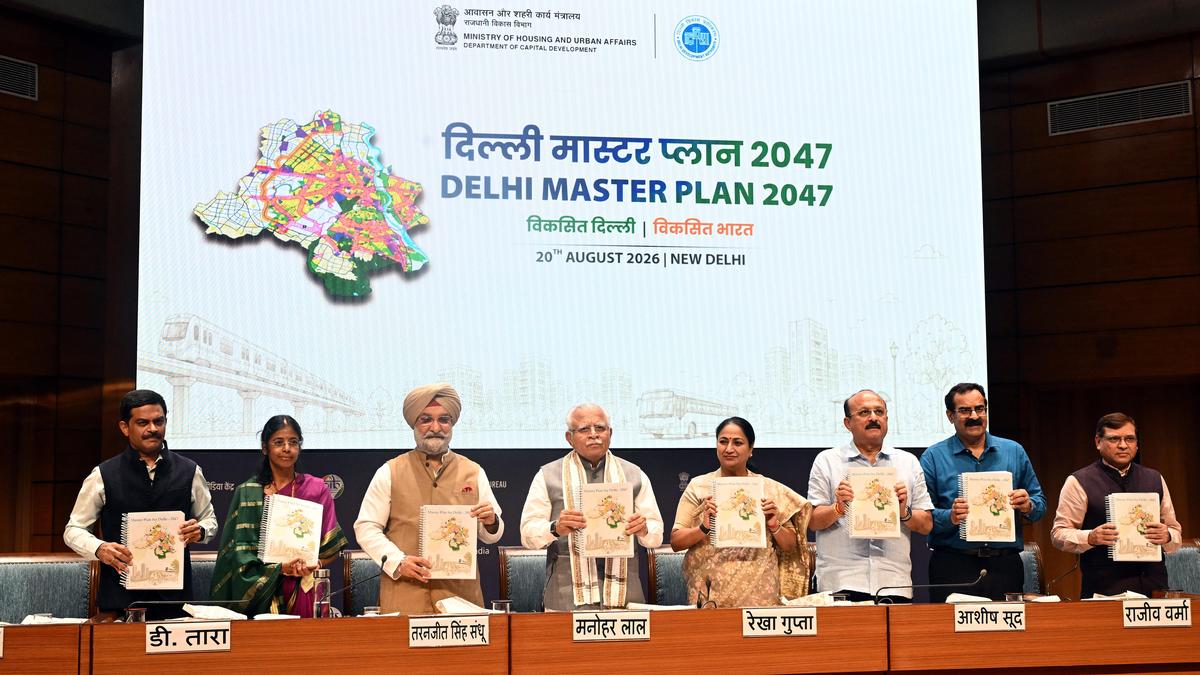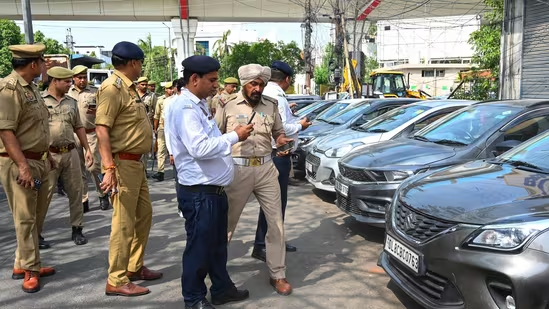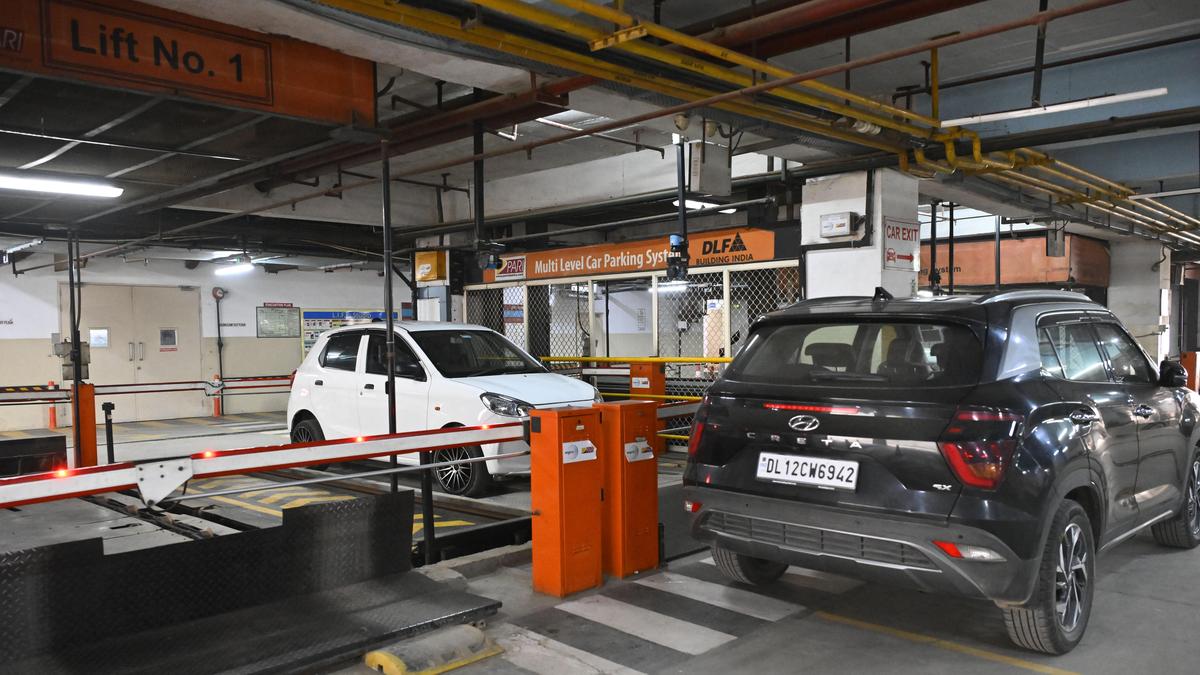
Delhi’s new master plan has proposed a shift from expanding parking capacity to managing demand, with parking facilities across the Capital set to be brought under a unified planning and regulatory framework, officials said on Friday.The Delhi Master Plan-2047, notified by the Centre on Thursday, states that parking demand in the city has traditionally been addressed by increasing parking supply. However, it notes that this approach has contributed to greater use of private modes of transport and resulted in non-optimal utilisation of land.“Parking shall be planned and managed through a unified parking planning framework to promote efficient utilization of parking spaces, improve accessibility, and support sustainable urban mobility,” the plan states.DDA officials said a unified parking management body will soon be established to oversee on-street, off-street, surface and multi-level parking facilities across Delhi. They said the multiplicity of agencies and duplication of responsibilities had contributed to fragmented and haphazard parking management, and the new system would seek to establish clearer accountability.“One of the good things in this plan is that we are moving towards fixing accountability and naming responsible agencies for specific tasks. Even in case of parking, the plan proposes making a unified body that will be responsible for managing parking sites of all categories across the city,” said DDA vice chairman N Sarvana Kumar.The plan’s parking strategy begins with two broad objectives of “rationalised parking norms” and “optimised utilisation of existing parking facilities through demand management”. It proposes comprehensive area-based plans for the supply and management of parking, with local bodies identifying areas where parking congestion is particularly high.Under the framework, local bodies can designate “Parking Management Areas” (PMAs), including markets and commercial hubs with high traffic and parking pressure. Detailed Parking Management Area Plans will then be prepared, covering measures such as demand management, regulation of existing spaces, identification of no-parking zones and dynamic parking charges.For residential areas, the plan proposes a phased system to regulate on-street parking. This could include leasing parking spaces through permits and linking registration of new vehicles with the availability of parking space.Additionally, MPD states that on-street parking for private vehicles will be discouraged within 500 metres of an existing multi-level parking facility and will be priced higher than off-street parking to encourage motorists to use the latter. The plan also says multi-level parking facilities may include parking for intermediate public transport and taxis, as well as public bicycle-sharing facilities.Bus parking is another focus area. The plan notes an “acute shortage” of bus parking facilities in Delhi and calls for comprehensive planning of depot and terminal capacity. Depot land is to be planned in coordination with DTC and cluster-bus routes to reduce dead mileage, while multi-level parking for buses is to be prioritised for optimum land utilisation. As far as possible, bus depots are also to function as terminals.The plan further allows large public parking facilities, spaces underneath flyovers, wide arterial roads and underused areas to be used during off-peak hours for public and private buses and commercial vehicles, subject to appropriate charges. It also calls for planning parking and logistics facilities for private buses, commercial vehicles and trucks at Delhi’s periphery.
Delhi Master Plan: Unified parking body planned, strategy to shift to managing demand
Delhi’s new master plan has proposed a shift from expanding parking capacity to managing demand, with parking facilities across the Capital set to be brought under a unified planning and regulatory framework, officials said on Friday | Latest News Delhi
520 words~2 min read