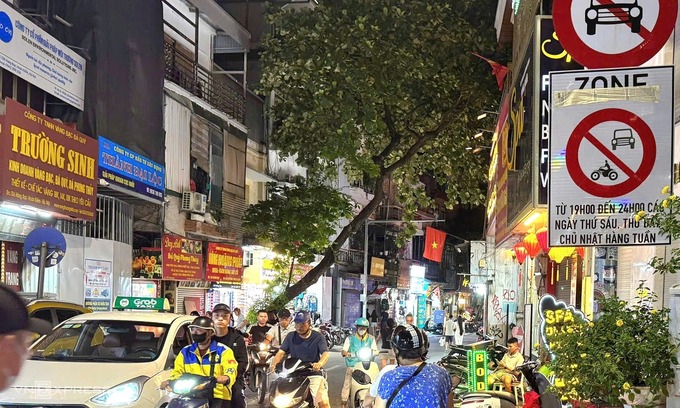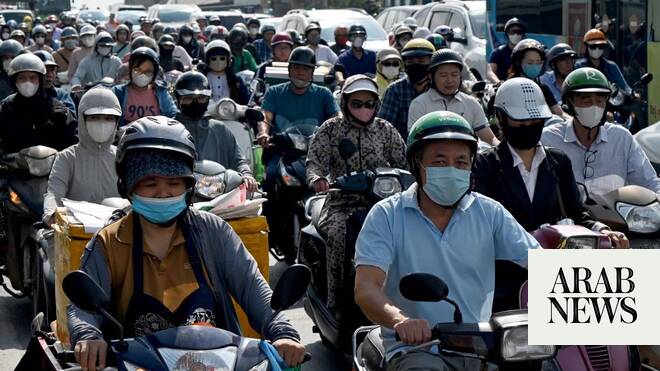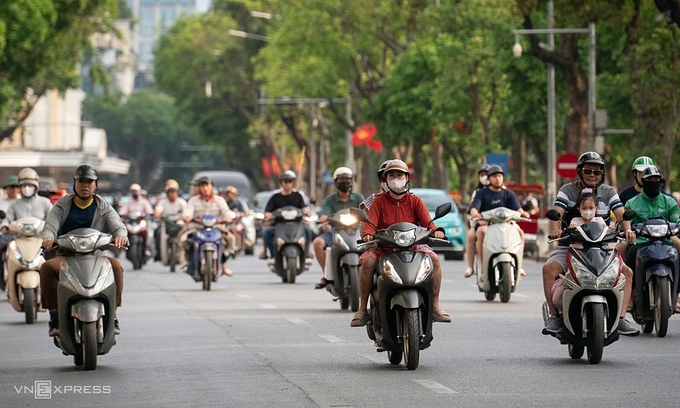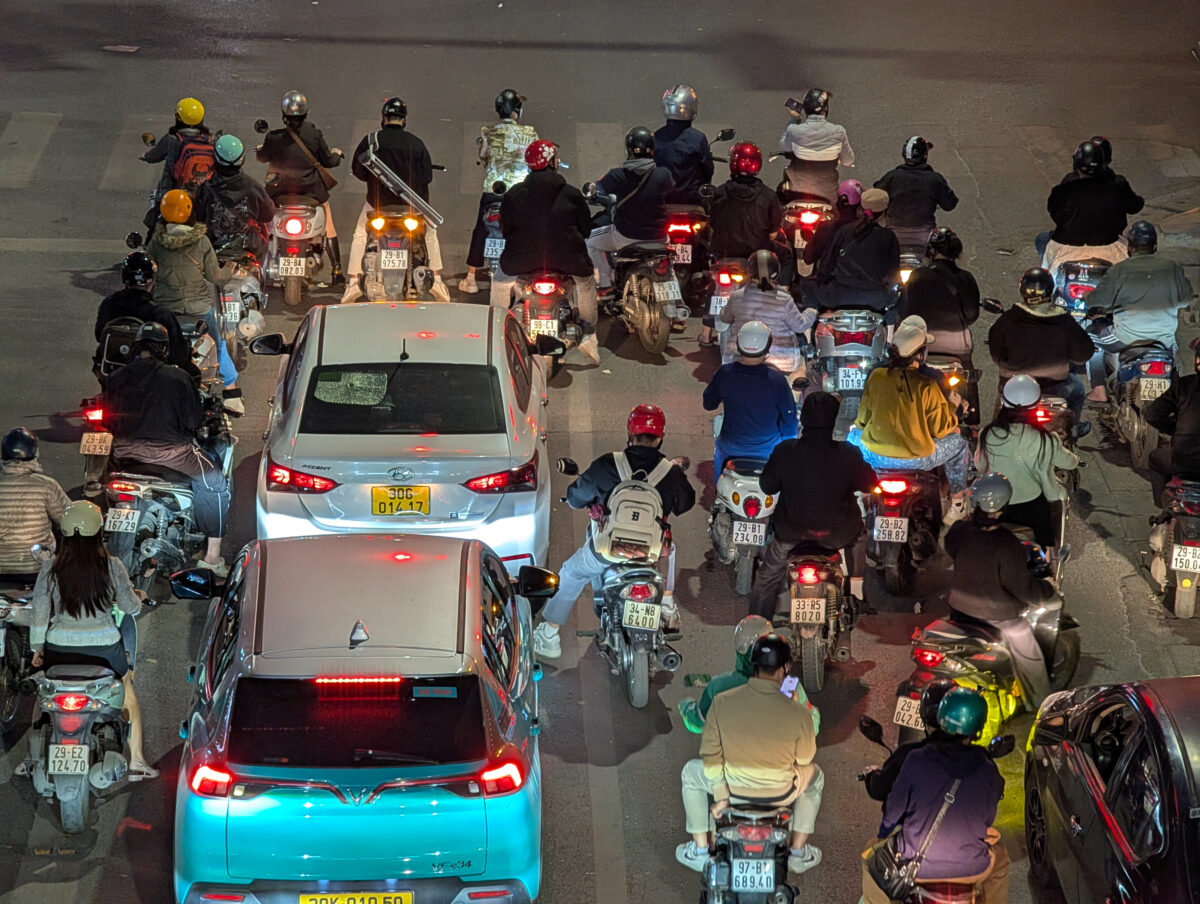
On 1 July 2026, Vietnam began piloting its first low-emission zone (LEZ) in the Hoan Kiem district of Hanoi. The LEZ is a filter rather than a blanket ban, with restrictions by area, time and vehicle type, eventually encompassing all of Ring Road 1 by 2028.
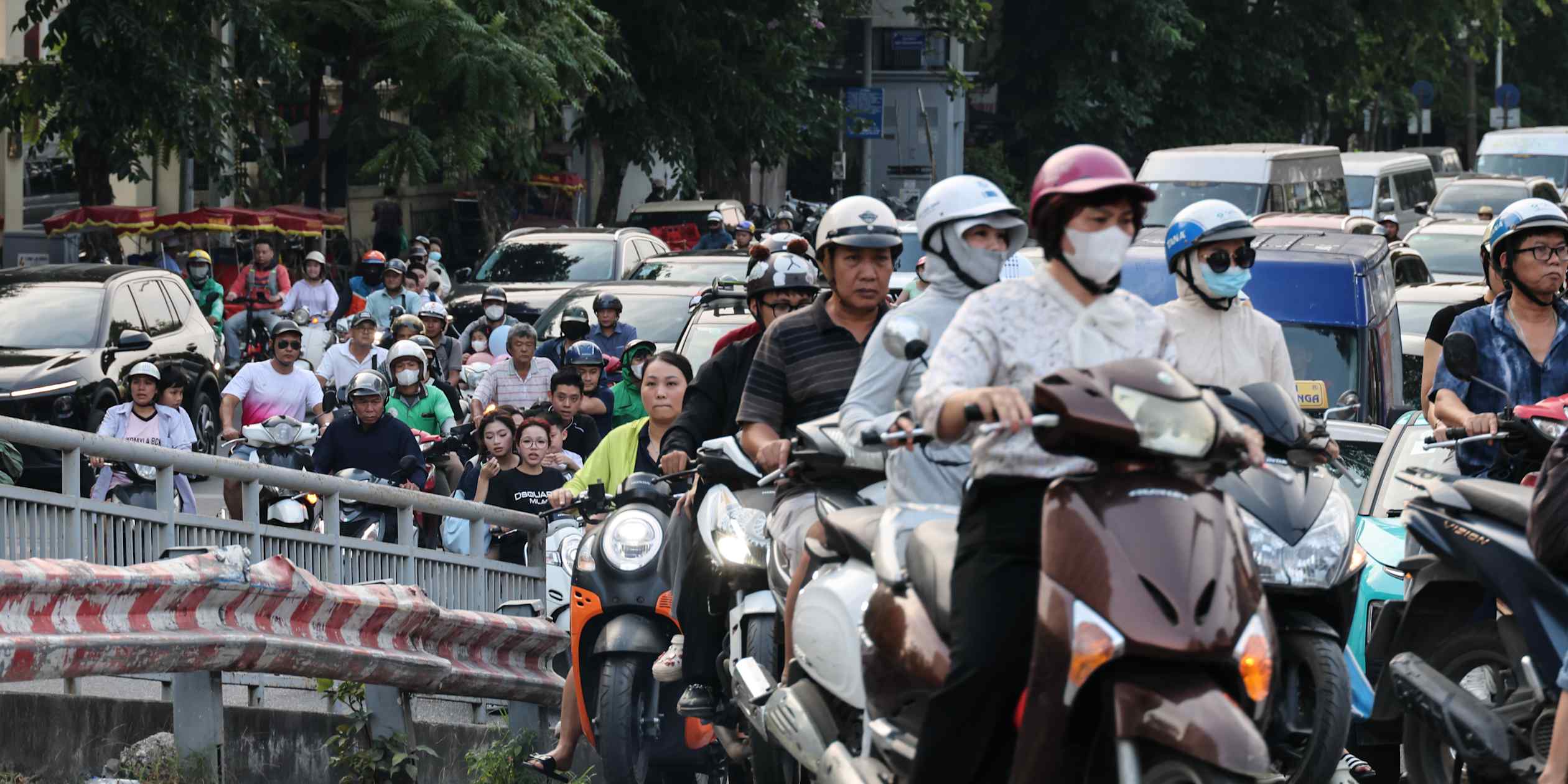
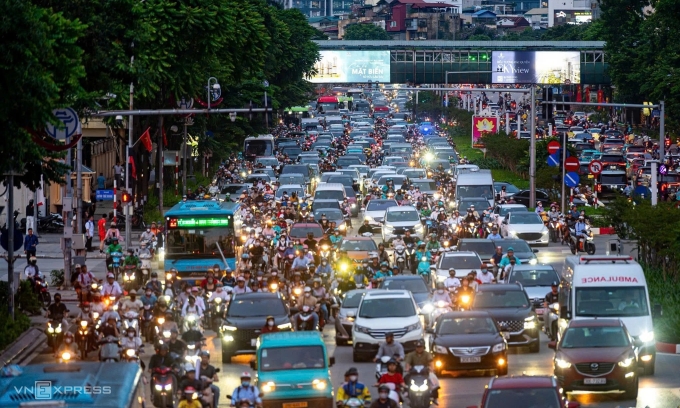
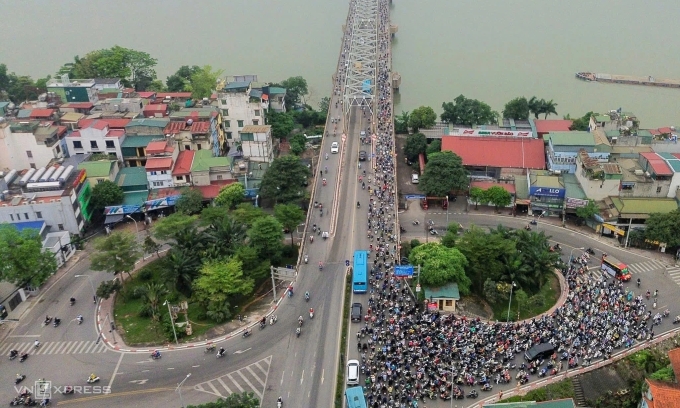
The introduction of LEZs in Hanoi is part of a broader green vehicle campaign in Vietnam. In 2024, Hanoi’s annual fine particulate concentration was measured at nine times the World Health Organization’s guidelines and source apportionment studies identify road transport as a substantial local contributor.
The first phase of the LEZ in Hanoi is modest and partly intended as an initial step, so immediate effects are likely to be small. But the adopted schedule does move towards enforceable emissions thresholds, wider coverage and increased support for public transport from 2027, though its significance will ultimately depend on enforcement. An LEZ is a spatial instrument for cutting exposure where traffic and people concentrate, not a substitute for better public transport, cleaner power or vehicle taxation.
Public debate has so far focused on the Hanoi LEZ’s boundary. But the greater problem, which has received much less attention, is the question of what happens to a non-compliant vehicle. International experience suggests that vehicles rarely disappear and are instead likely to be exported elsewhere. The UN Environment Programme counted some 14 million used light-duty vehicles exported from Europe, Japan and the United States between 2015 and 2018, most of which were bound for low- and middle-income countries because they no longer met the exporting country’s standards. Vietnam has long been on the receiving end of such used vehicle exports.