It is interesting to note that even while these tram lines were being laid, T. Namberumal Chetty was barrelling ahead with a monorail tramway system for the city. Drawn from the Ewing patent monorail design, the founder of which was an engineer based in Madras, a total of six lines, chiefly connecting the harbour with different parts of the city, was proposed.
| Photo Credit: The Hindu Archives
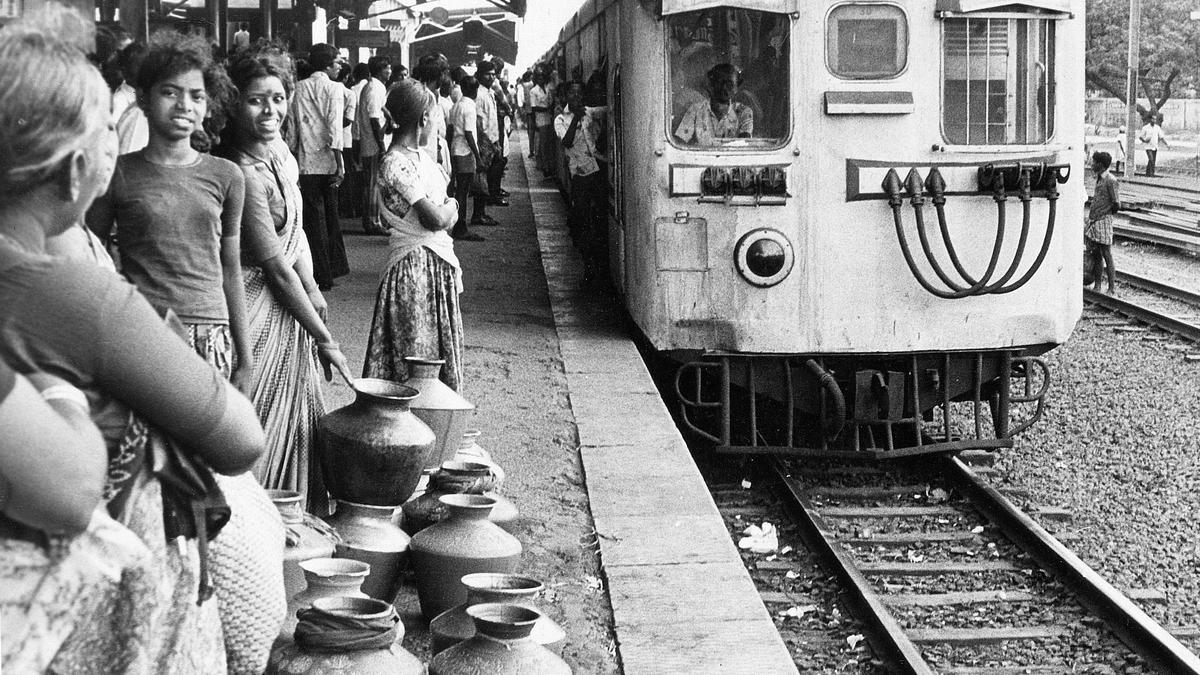
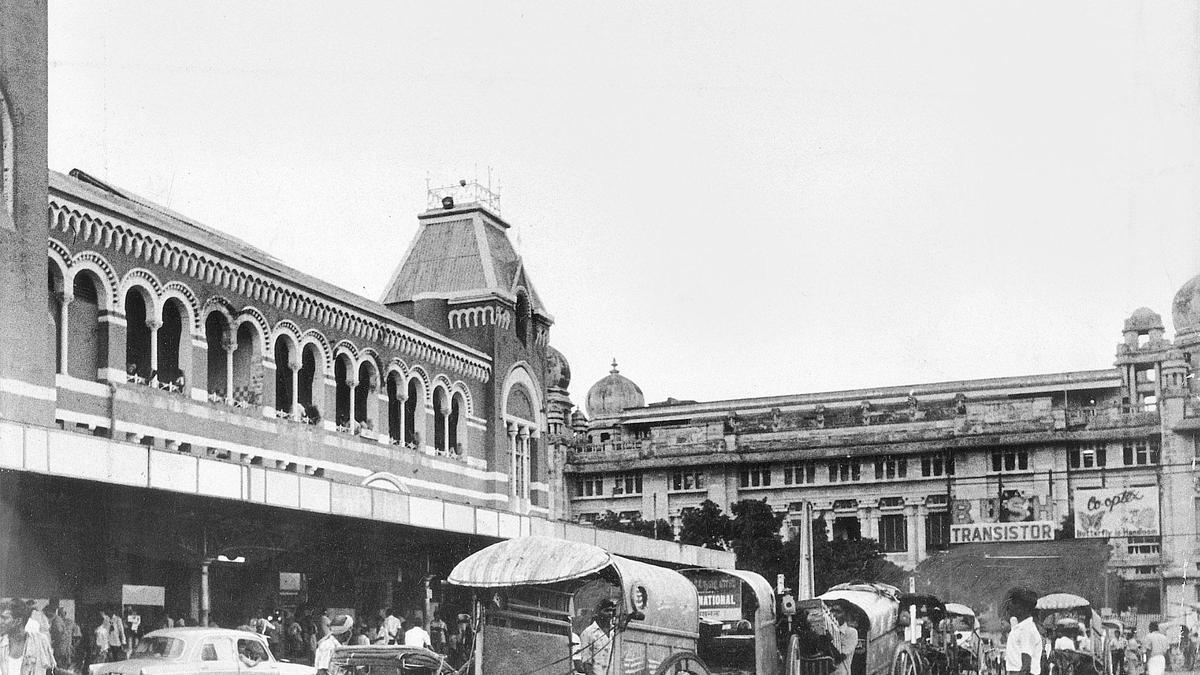
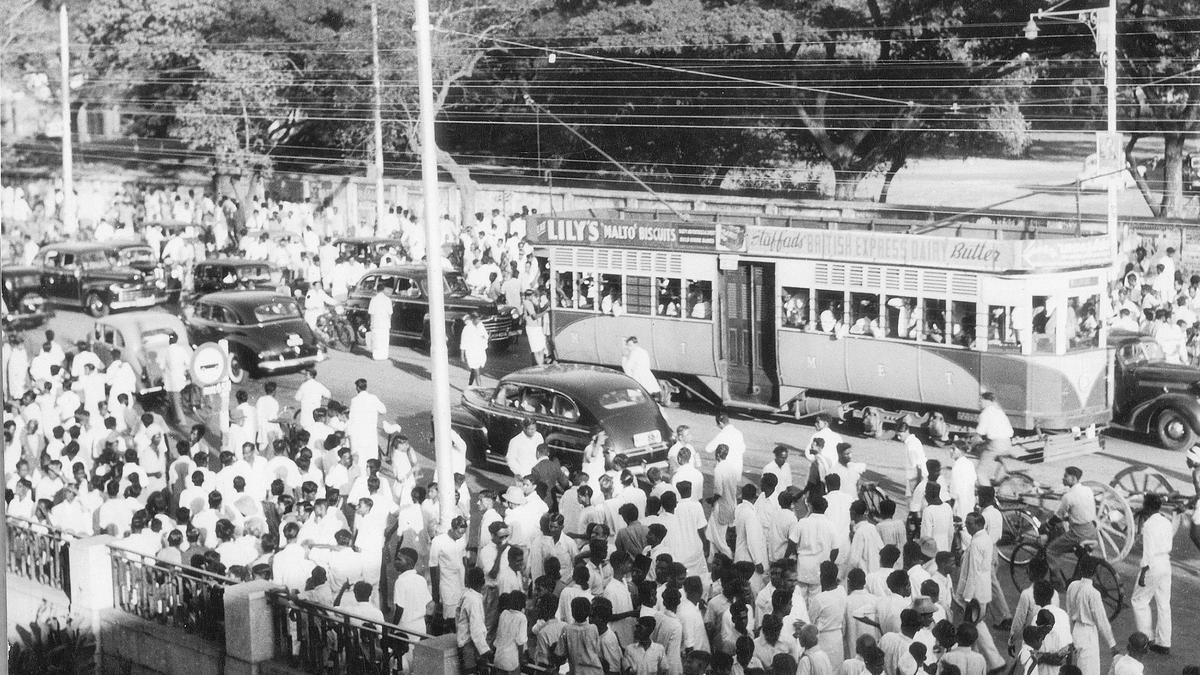
Given that the trams in Madras originated from horse carriages, moved on to monorail, and then became electricity driven, I am convinced that had they survived, they would be battery powered today.Sadly, the Madras tram never made a profit in its operation. In today’s world of public transport, this would have never been a major consideration but not so then when even as a service it was expected to generate a surplus. It was therefore doomed to failure and after a remarkably long tenure shut shop early in the 1950s leaving behind only memories.The first tramway in the city was drawn by horses. This was in the 1870s, and there is not much detail about what happened to it. We do know, however, that in 1895, Madras got its electric tramway system going, much before any other city in the country.Evidently there was much heartburn in Calcutta for the magazine Indian Engineering, which was published there, criticised the choice of Madras and declared that the hot and humid climate in our city made it completely unsuitable for a system of transport based on electricity. Alternatively, it recommended that steam power be used, sourced from stationary boilers installed en route. This was dismissed by the Street Railway Review, published in England, which said the article was driven by a ‘Calcutta jealousy’ towards Madras. Understandable, given that Calcutta has roughly the same weather.