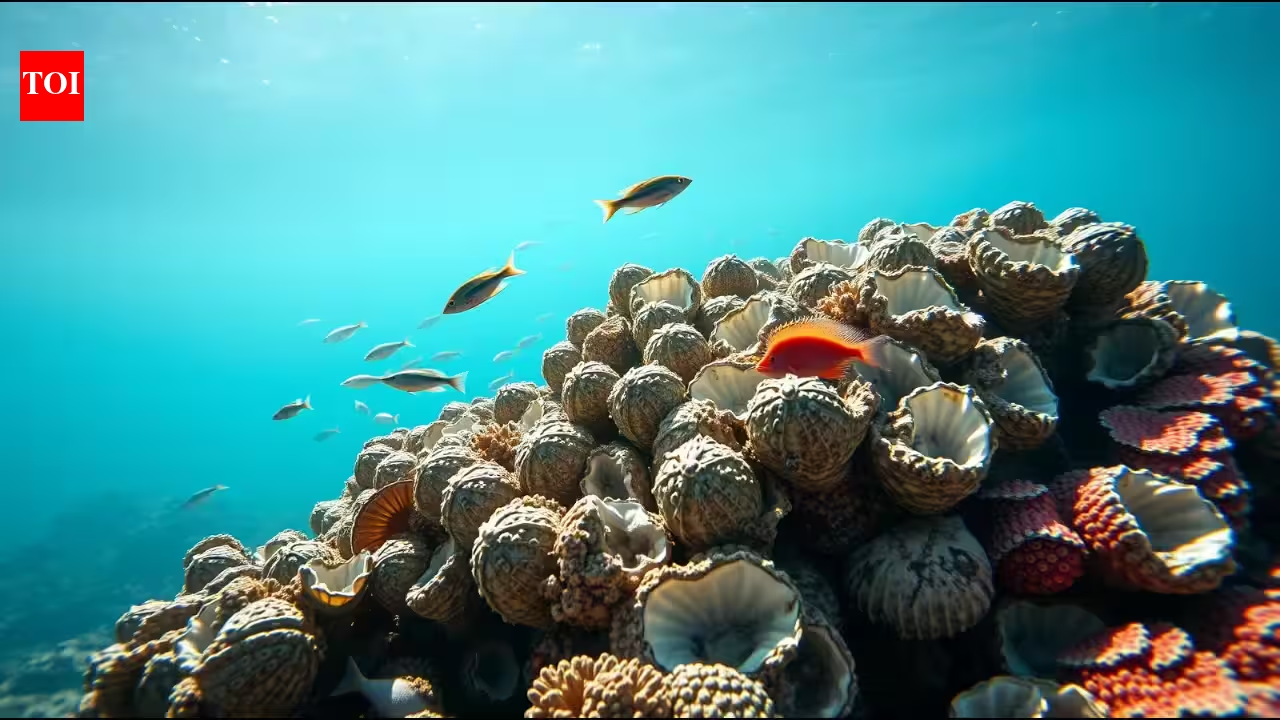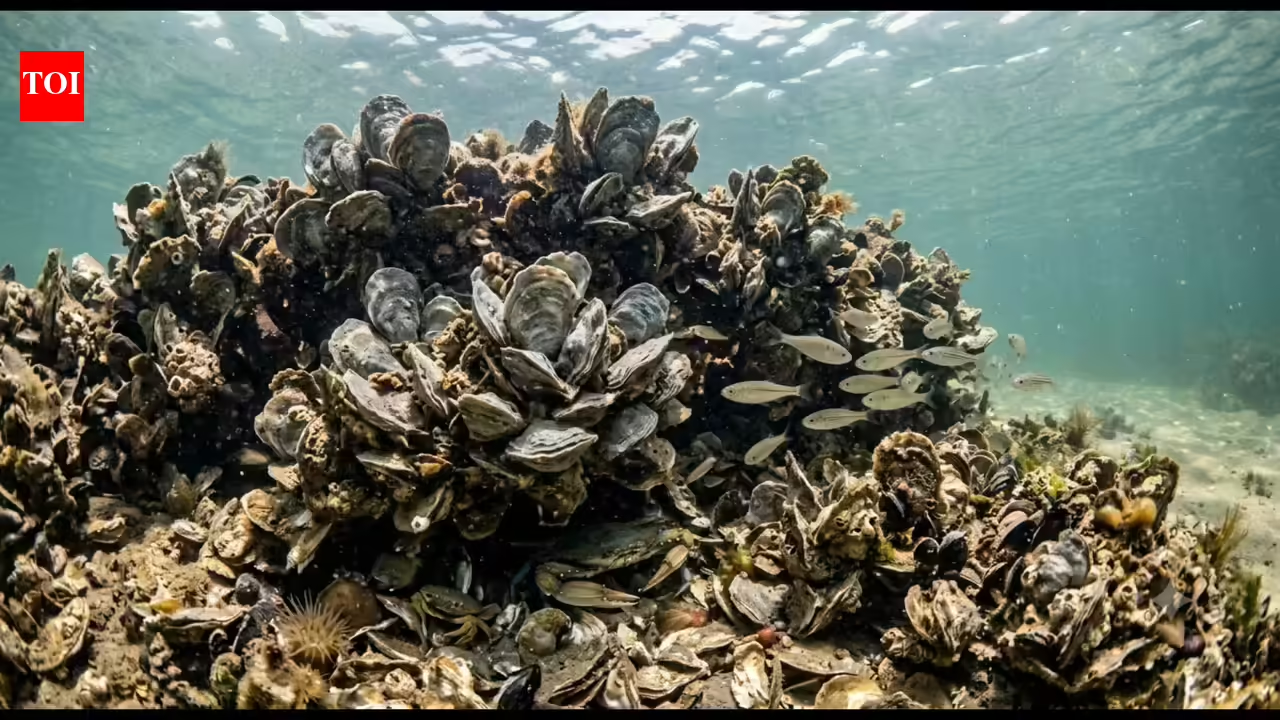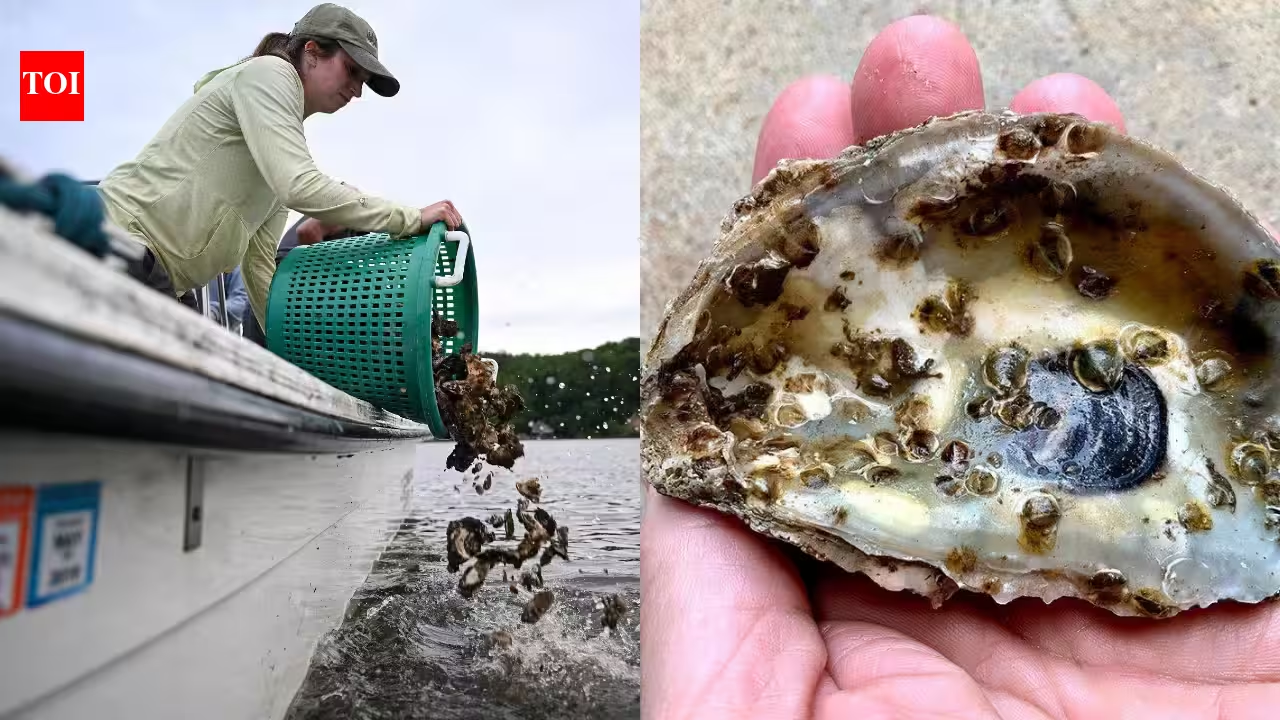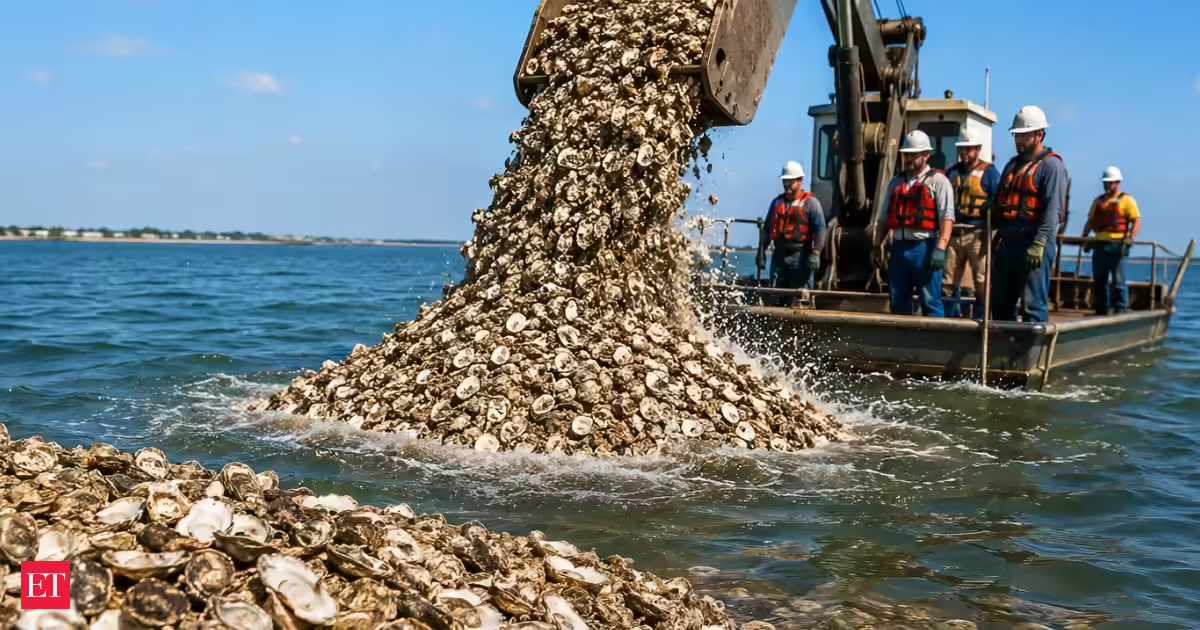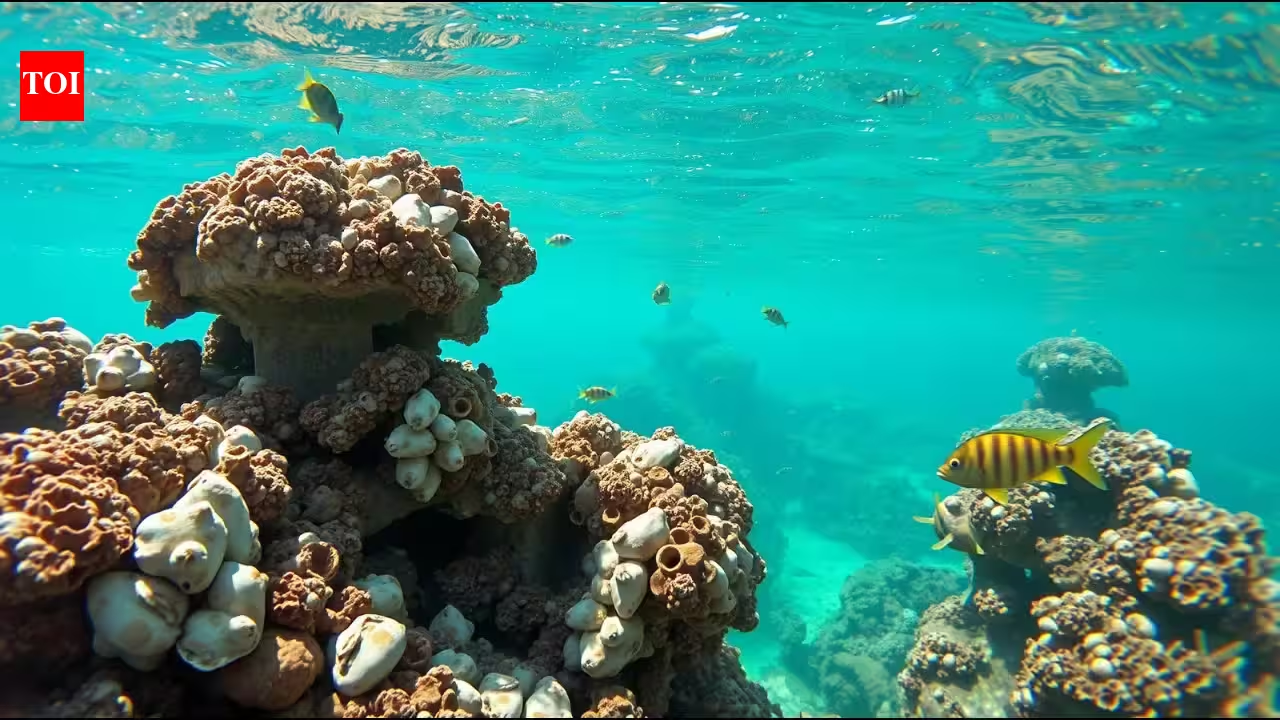
Representative Image of a restored oyster reef in Matagorda Bay with oysters growing on limestone structures (AI-generated image)Half Moon Reef, a once-thriving oyster reef in Texas' Matagorda Bay, had been severely degraded after decades of overharvesting and environmental pressures. In late 2013, The Nature Conservancy and its partners began rebuilding the reef, placing about 100,000 tons of limestone across 54 acres of bay bottom to create hard surfaces where oysters could attach and grow. Construction was completed in spring 2014, turning a largely degraded stretch of bay floor back into suitable oyster habitat. Subsequent monitoring showed that oysters rapidly colonised the restored structure. By 2016, monitoring data showed oysters had attached to about 70% of the rock surface. The restoration was intended to rebuild more than an oyster population: reefs provide complex habitat for marine species and contribute to healthier coastal ecosystems. Half Moon Reef subsequently became an important example of how restoring the physical foundation of a damaged reef can help oysters and other marine life return.Why limestone was used to rebuild Half Moon ReefAccording to The Nature Conservancy, limestone was used to recreate the hard substrate that oysters need to attach to and build upon. The material was placed across the degraded bay bottom, creating surfaces where oyster larvae, known as spat, could settle and develop. Half Moon Reef had once supported a substantial oyster population, but degradation had left much of the site without the hard structure necessary for oysters to rebuild naturally. Restoring that physical foundation was therefore central to the project.What happened after the limestone was placedThe restoration began in late October 2013, with limestone transported to the site by barge. Construction continued into the following year and was completed in spring 2014. Monitoring then documented oysters establishing themselves across the restored structure. By 2016, oysters had attached to approximately 70% of the rock surface, providing clear evidence that the newly created substrate was being colonised. The reef was designated as a non-harvest sanctuary, allowing oysters to grow without being removed. This also provided researchers with an opportunity to monitor how the restored habitat developed over time. As oysters accumulated, the limestone structure became increasingly complex, creating additional surfaces and spaces that could be used by other marine organisms.Why Half Moon Reef became important for oyster restorationHalf Moon Reef demonstrated the potential of rebuilding the physical structure of a degraded oyster reef rather than simply waiting for oyster populations to recover on their own. The project also provided valuable information for subsequent restoration efforts along the Texas coast. By creating hard substrate first and allowing oysters to colonise it, conservationists were able to restore both the oysters and the three-dimensional habitat they create.That distinction matters because oyster reefs serve purposes beyond supporting a commercially important species. Their structures provide shelter and feeding areas for fish, crabs and other marine organisms, while functioning as part of the wider coastal ecosystem. Half Moon Reef therefore became a prominent example of how large-scale habitat restoration can create the conditions for an ecosystem to begin rebuilding itself, even after years of degradation.
In 2014, Texas conservationists built a 54-acre underwater reef from artificial substrate; four years later oysters covered 70% of its surface
Half Moon Reef, a once-thriving oyster reef in Texas' Matagorda Bay, had been severely degraded after decades of overharvesting and environmental pressures. In late 2013, The Nature Conservancy and its partners began rebuilding the reef, placing about 100,000 tons of limestone across 54 acres of bay bottom to create hard surfaces where oysters could attach and grow.
513 words~2 min read