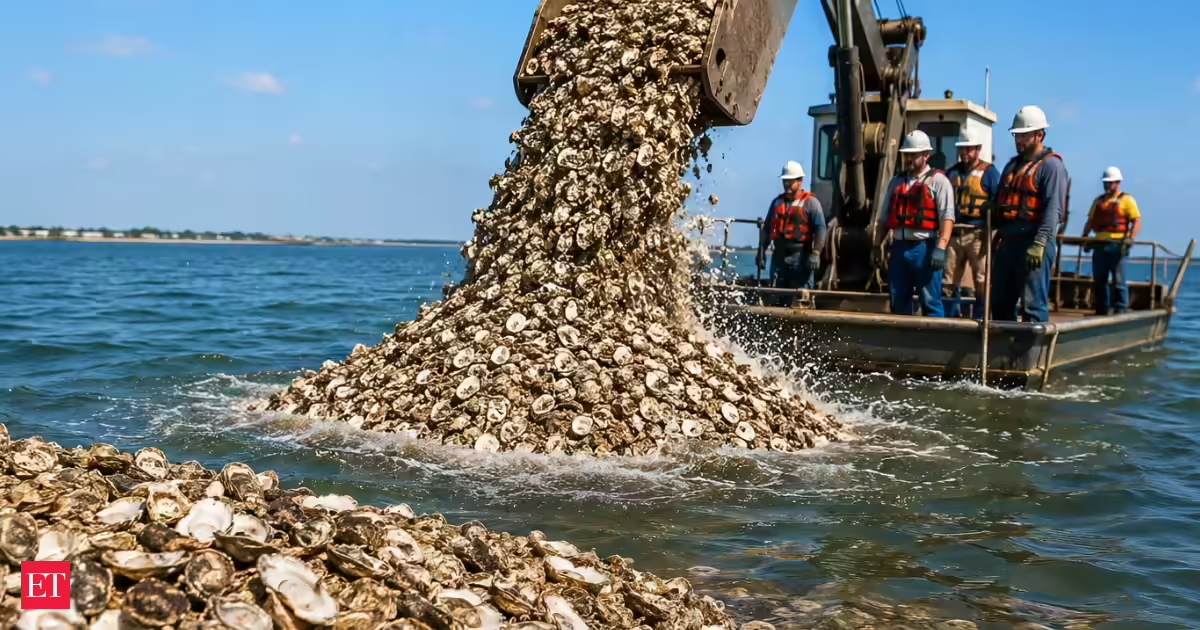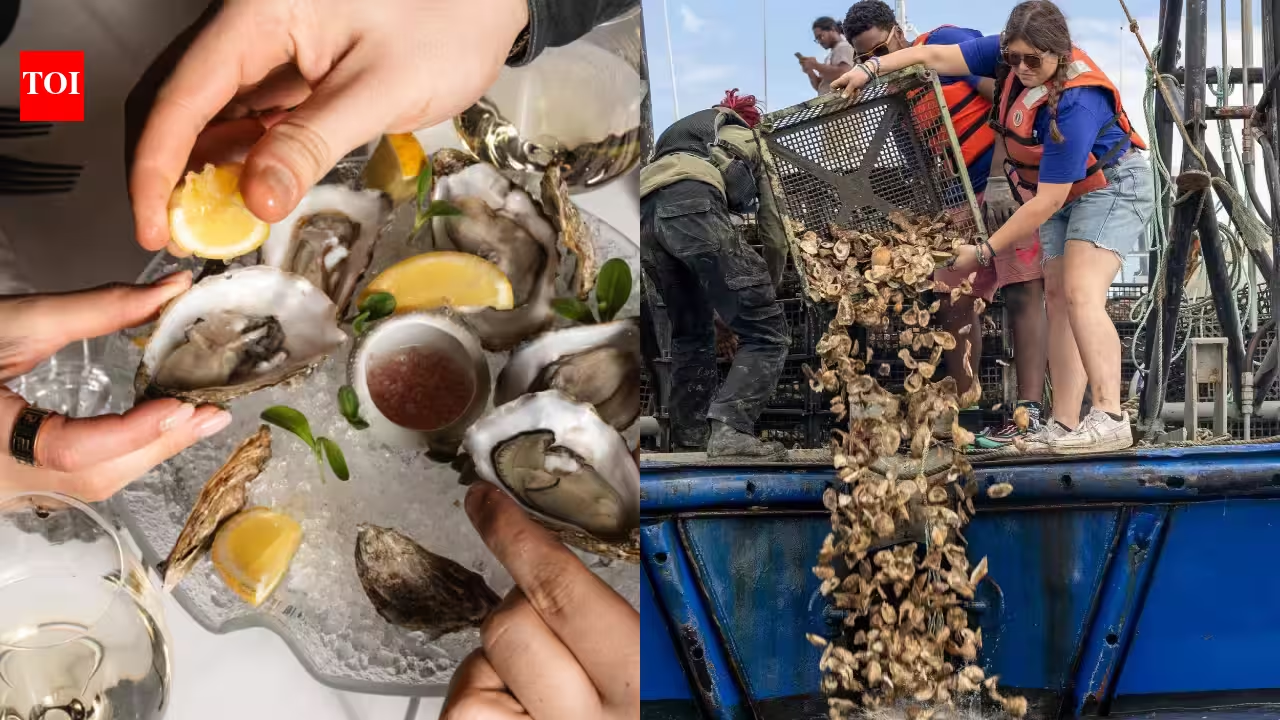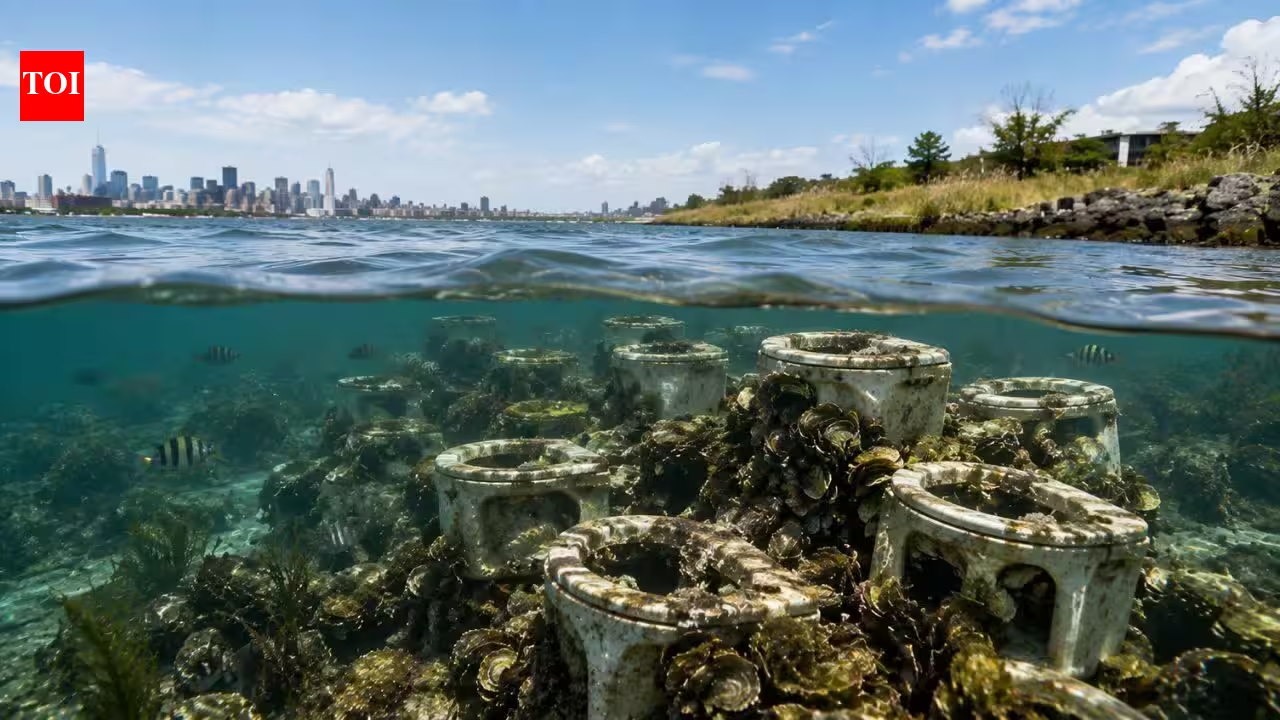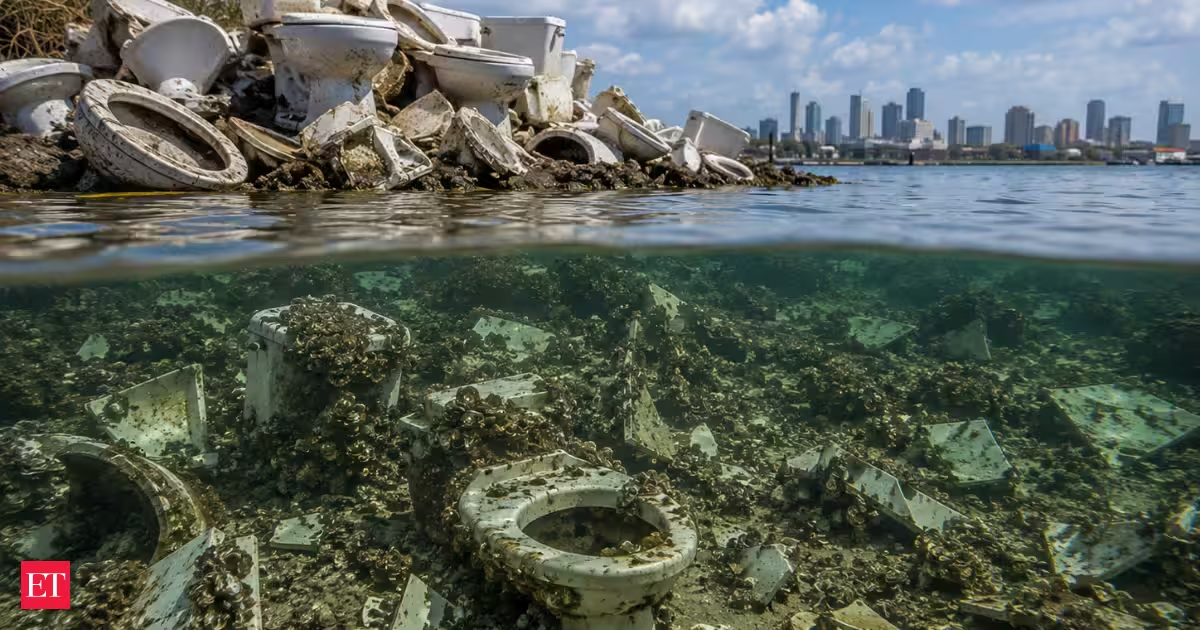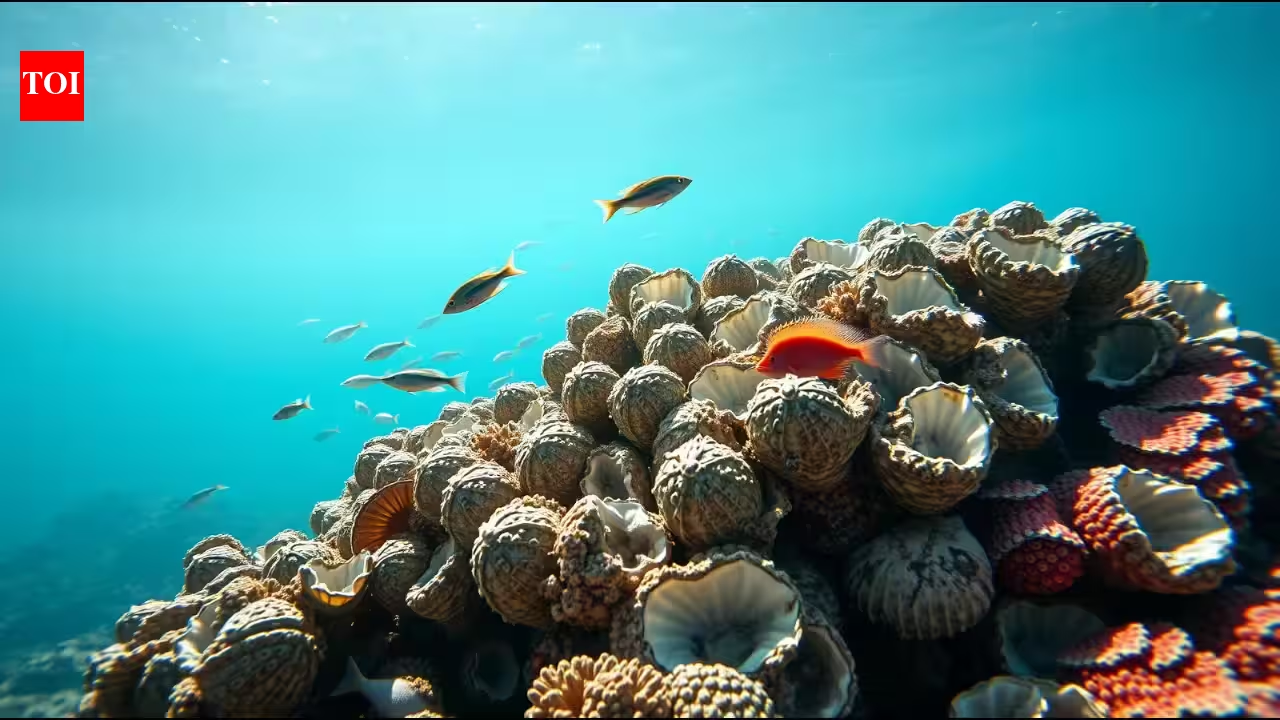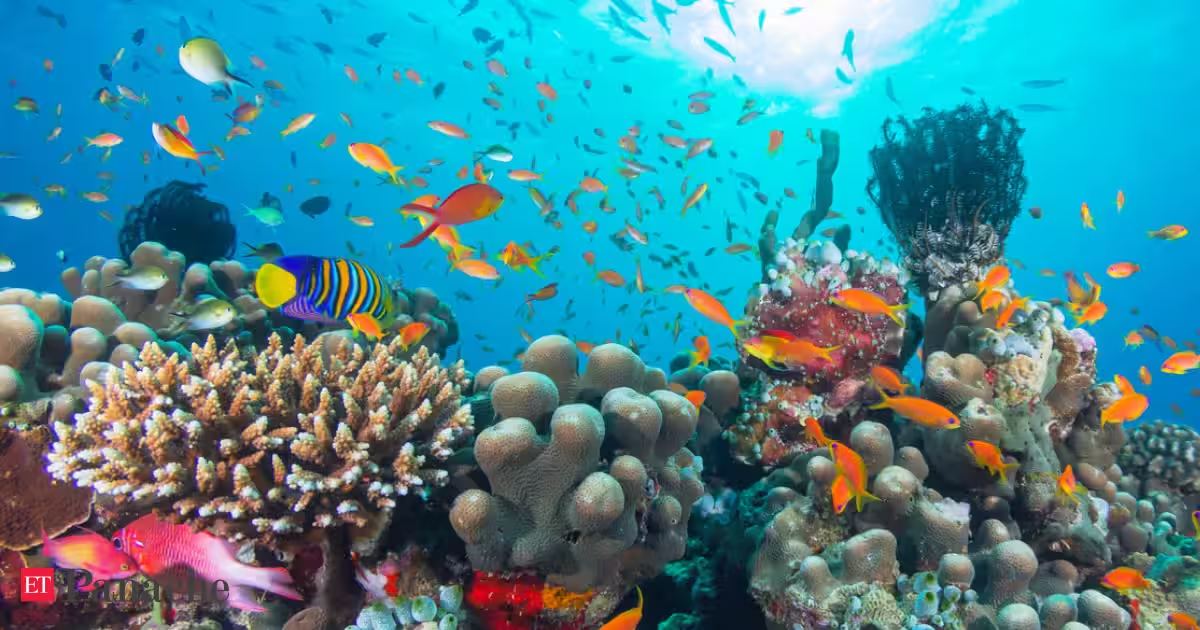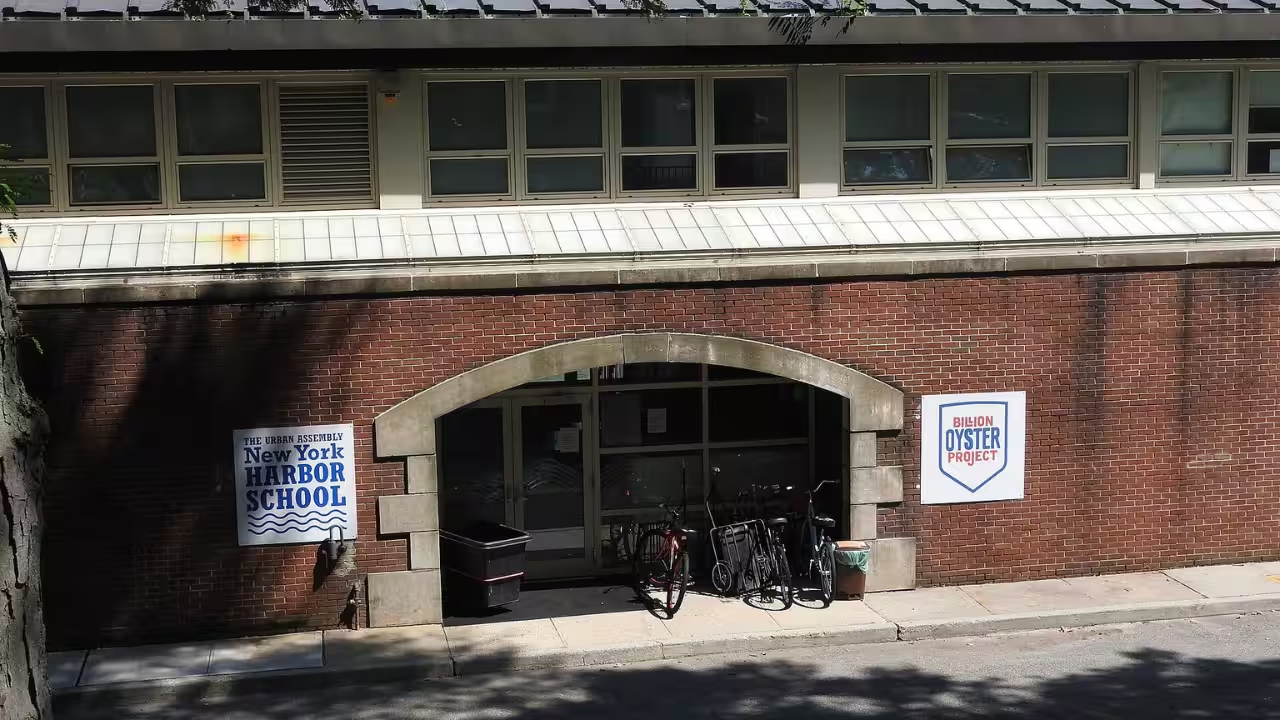
Looking north at Billion Oyster Building | Wikimedia CommonsFor more than a century, New York Harbor lost the species that once defined it. Pollution, dredging, shoreline development and relentless harvesting reduced the harbor’s vast oyster reefs to scattered remnants, stripping away an ecosystem that had filtered water, sheltered marine life and softened waves long before skyscrapers lined Manhattan. Today, that restoration is unfolding shell by shell. The Billion Oyster Project has now restored more than 150 million live oysters across New York Harbor, making it one of the world’s largest urban marine restoration efforts. According to the Billion Oyster Project, the oysters are rebuilding reefs that provide habitat for hundreds of aquatic species while helping protect shorelines from erosion and storm damage. Used oyster shells are collected from eateries across New York City, cleaned and cured before being placed into specially designed cages and seeded with oyster larvae | Wikimedia CommonsFrom discarded restaurant shells to living reefsEvery reef begins with something most restaurants throw away. Used oyster shells are collected from eateries across New York City, cleaned and cured before being placed into specially designed cages and seeded with oyster larvae. Once young oysters attach themselves permanently to the shells, the structures are lowered into restoration sites throughout the harbor, where they gradually grow into living reefs.The restoration has expanded steadily since the project launched in 2014. According to the Billion Oyster Project, more than 3 million pounds of oyster shells have now been recycled, and restoration work is taking place at multiple reef sites involving schools, volunteers, scientists, and community organizations. More than 30,000 New York City students have participated in monitoring oyster growth, biodiversity, and water quality, making education part of the restoration effort rather than treating it as a separate programme. One restored reef grew from thousands of oysters to more than 122 millionThe project’s most striking success has come beneath the Governor Mario M. Cuomo Bridge in the Hudson River Estuary, where researchers have documented an extraordinary increase in oyster numbers. What began with approximately 20,000 introduced oysters eventually developed into an estimated 122 million live oysters, creating one of the largest restored oyster populations in the region.According to the Hudson River Foundation, researchers monitoring the bridge restoration found that the reef exceeded expectations in both oyster survival and habitat creation, supporting growing populations of fish, mussels, barnacles, and other estuarine organisms. The site demonstrated that carefully selected restoration locations can support explosive oyster recruitment once suitable habitat becomes available. Oysters do much more than filter waterAn adult oyster can filter large volumes of water each day by removing suspended particles, algae, and organic matter as it feeds, but filtration is only one part of its ecological role. Oyster reefs also create complex underwater structures that shelter juvenile fish, crabs, and countless invertebrates while reducing wave energy before it reaches vulnerable shorelines.According to the Hudson River Park, restored oyster habitats throughout New York Harbor have become valuable research sites where scientists and volunteers monitor oyster survival, biodiversity, and environmental conditions. Recent habitat enhancement projects have deployed more than 35 million oyster spat on submerged structures within the park, expanding the city’s growing network of restored reefs. Sign at the Soundview ferry terminal, Bronx, New York, United States. Location is the Bronx side of the East River, approximately 1 mile west of the Whitestone Bridge (visible in the background) | Wikimedia CommonsRestoring an ecosystem that once dominated New York HarborLong before New York became a global financial centre, oysters were one of its defining natural resources. Historical estimates indicate that the harbor once supported vast oyster reefs covering hundreds of square miles before industrialisation and overharvesting devastated the population.The Billion Oyster Project ultimately hopes to restore one billion oysters to New York Harbor, but organisers have repeatedly stressed that the goal extends beyond reaching a numerical target. Healthy oyster reefs improve habitat complexity, strengthen coastal resilience and reconnect New Yorkers with an ecosystem that had almost disappeared from the city’s waters. More than 150 million oysters have already returned, and every new reef increases the chances that future generations will inherit a harbor that is healthier, richer in marine life, and better prepared for rising seas.
New York is rebuilding its polluted harbour one dead reef at a time, seeding 150 million oysters to filter the water: One site alone went from 20,000 oysters to 122 million
For more than a century, New York Harbor lost the species that once defined it. Pollution, dredging, shoreline development and relentless harvesting reduced the harbor’s vast oyster reefs to scattered remnants, stripping away an ecosystem that had filtered water, sheltered marine life and softened waves long before skyscrapers lined Manhattan.
699 words~3 min read