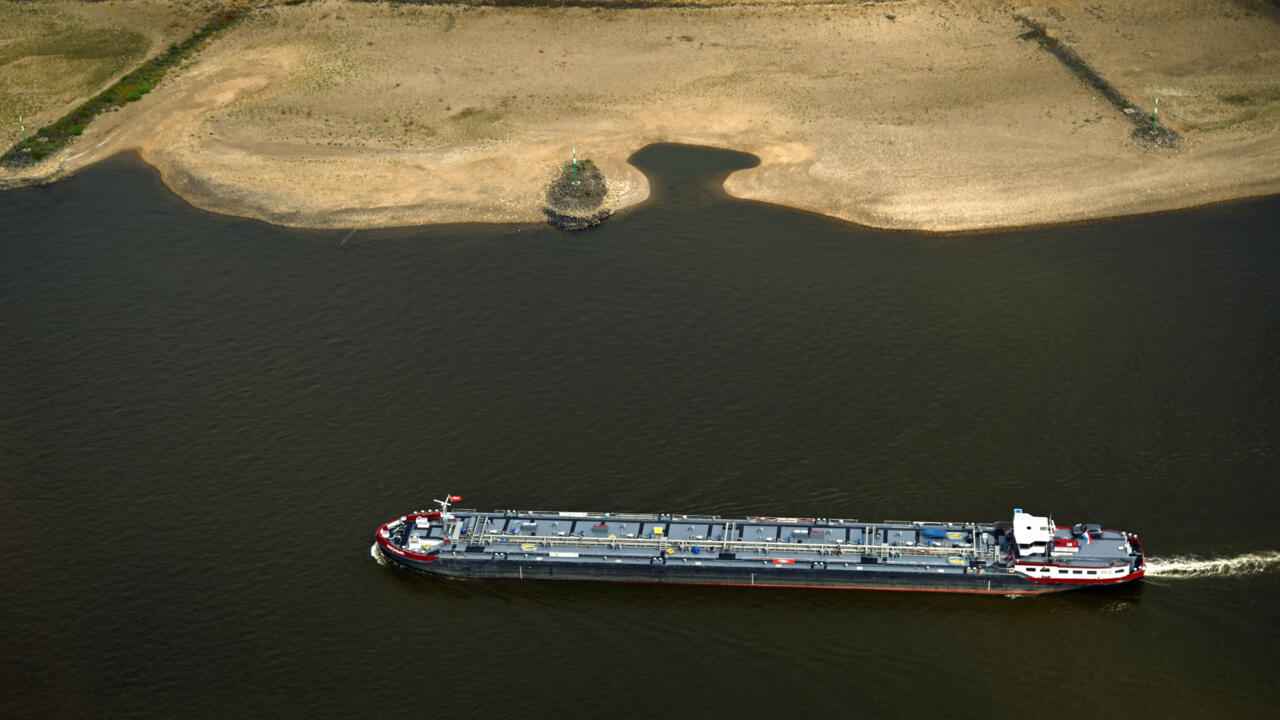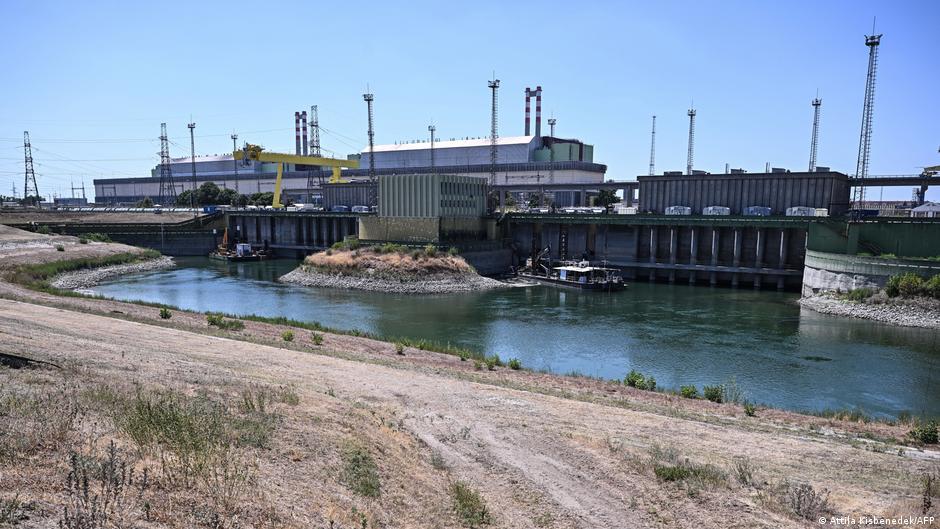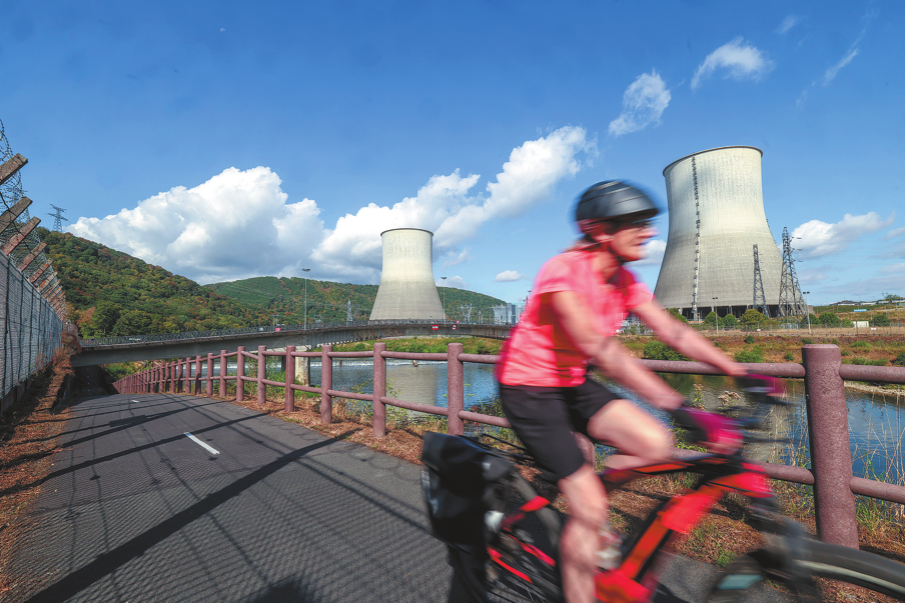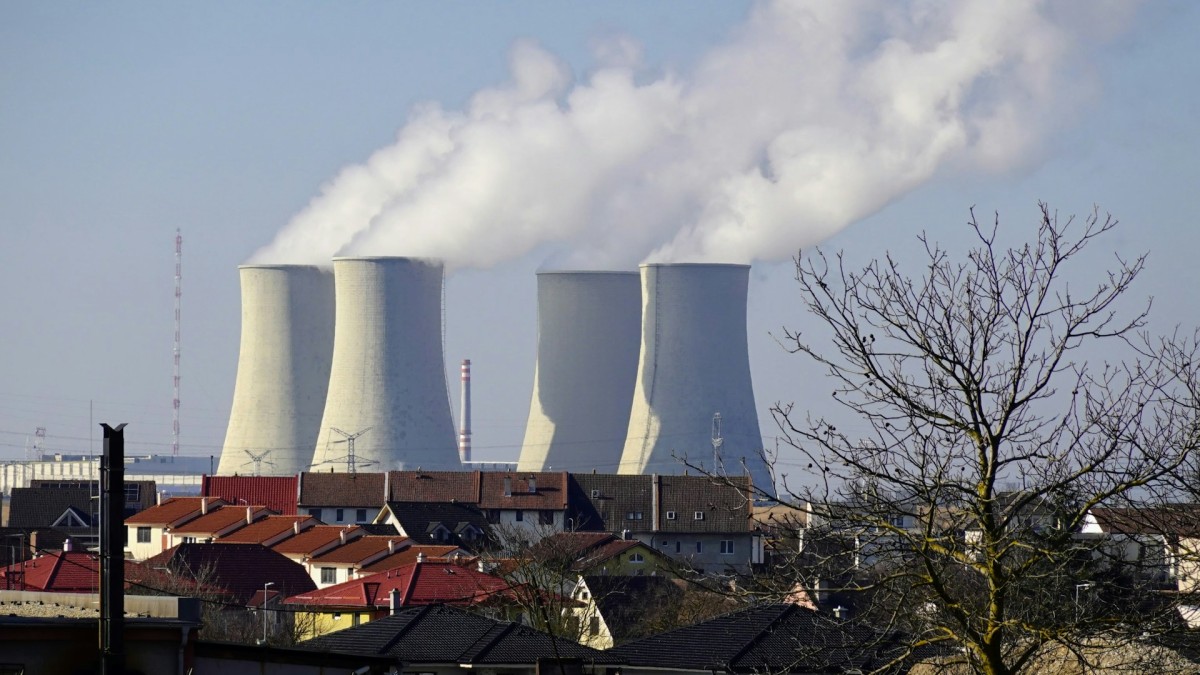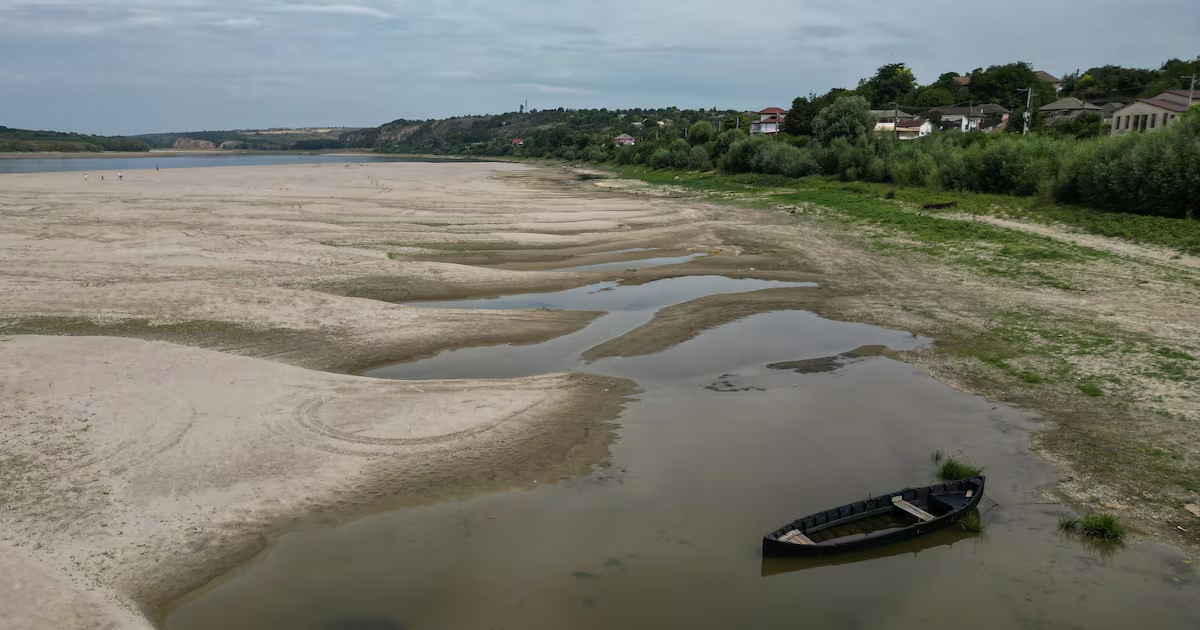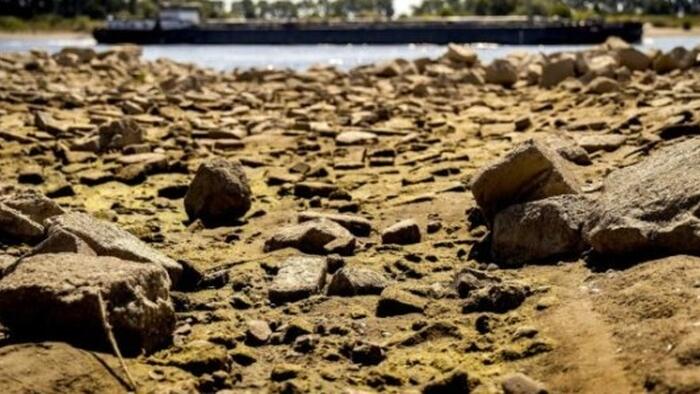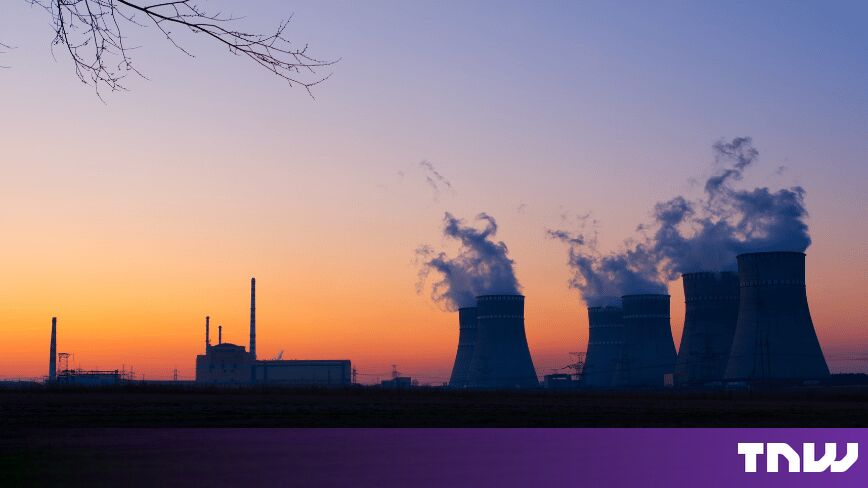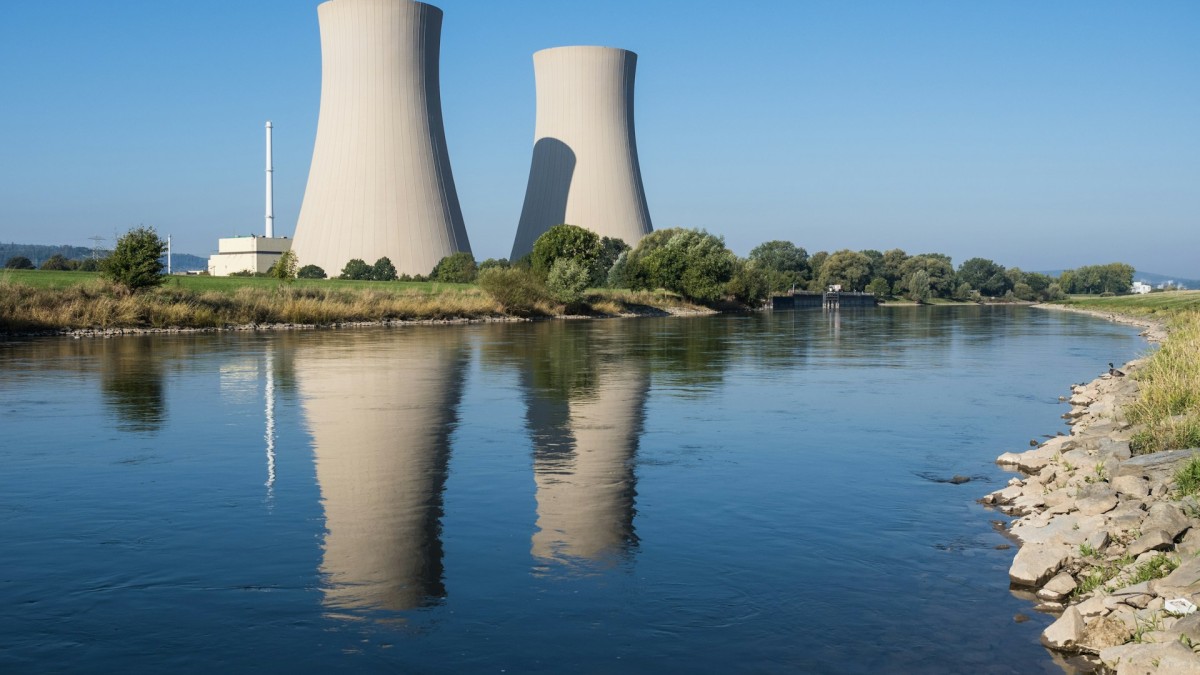
The extreme heat experienced across Europe in recent weeks has caused widespread disruption to nuclear power plants. Governments across the region have been forced to take extraordinary measures to keep nuclear facilities operating, but some are failing to meet their goals, with river levels at record lows. This is expected to have a significant impact on Europe’s GDP, with economic losses in the billions. Europe has endured five heatwaves so far this summer, bringing record temperatures, prolonged drought, and wildfires, with many of these phenomena occurring in areas not typically prone to such severe weather. This has led governments to ration water and issue warnings to reduce the risk of wildfires, as seen recently with the national emergency alert issued in the United Kingdom. The low water levels in many rivers across Europe, due to prolonged drought and temperatures over 30 degrees Celsius, are affecting the operation of the region’s nuclear power plants. Nuclear facilities convert only about one-third of the heat generated in a nuclear reactor into electricity, with the rest released into the environment via a cooling system, primarily into rivers or the sea. However, when rivers have a lower-than-usual water level, the waste heat is distributed across a smaller volume of water, causing the water temperature to increase faster. Set OilPrice.com as a preferred source in Google here.There are legal temperature limits in place to protect aquatic life, as warm water contains less oxygen. This has caused several nuclear operators to reduce output or pause operations entirely in recent weeks to protect the local environment. Several countries closely monitor the bodies of water surrounding nuclear plants during heatwaves to prevent catastrophe and ensure they are prepared to dispatch alternative electricity sources. Power plants with cooling towers use significantly less river water and generally discharge much less heat directly into the water than facilities with open-circuit cooling. However, this does not exempt them entirely from the rules. In Romania, the state-owned nuclear power producer Nuclearelectrica was forced to disconnect its only operating reactor from the power grid in August due to the severely low water levels in the Danube River. This happened even after the Romanian government conducted dredging operations and sunk rock-filled barges to mitigate the risk of closure. Romanian naval forces also conducted a controlled underwater explosion on the riverbed aimed at improving water flow to the cooling systems of its Cernavoda power plant. The two reactors at Cernavoda supply around one-fifth of Romania’s electricity when fully operational. In Hungary, the Paks power plant has only one of its four turbine units operational during peak low-water levels on the Danube. Paks, which typically produces around 40 per cent of the country’s electricity demand, is Hungary’s only nuclear plant. Higher rainfall in recent weeks has raised river levels, allowing operators to start another unit at Paks, but the threat remains. In France, nuclear power contributes over two-thirds of the country’s electricity production. In August, as temperatures soared once again, up to 15 per cent of the country’s nuclear portfolio was expected to be forced offline. EDF was also forced to shut down three reactors at its Gravelines nuclear power plant in northern France earlier in August due to a “massive influx of jellyfish,” which triggered automatic preventive measures. This is the second consecutive year that a jellyfish swarm has caused operations to pause at the plant. An August report from the Dutch bank Triodos found that the adverse effects of Europe’s summer of extreme heat could equate to an economic loss of around $207.7 billion, or around 1 per cent of the European Union’s gross domestic product, largely owing to weaker labour productivity. France is likely to be one of the hardest-hit European economies, with as much as a 1.4 percentage-point reduction in GDP.“The main ways in which heat affects EU GDP are lower agricultural output and higher food prices, constrained energy production and higher electricity prices, transport disruption and increased transportation costs, and reduced labour productivity,” Triodos said in the report.Governments across Europe are discussing possible solutions to the nuclear problem, as plants are currently highly vulnerable to heat waves and low water levels. Some options include constructing nuclear facilities near the sea to have an alternative body of water to support operations, adding or upgrading cooling systems, and scheduling maintenance around periods of extreme heat.At the same time, much of Europe is still battling the fossil fuel shortages created by the closure of the Strait of Hormuz trade corridor connecting Europe and Asia, following the United States-Israeli-led attack on Iran and the ongoing conflict in the Middle East. This has put greater pressure on nuclear facilities and renewable energy operations. As climate change brings more frequent heatwaves and periods of drought, governments and operators must find innovative ways to mitigate the risk of nuclear plant closures or increase the capacity of alternative electricity sources to fill the gap. Meanwhile, as emphasised by the International Energy Agency, it is also key to cut the problem at the source by preventing investment in new oil and gas drilling operations and focusing on greater energy diversification. By Felicity Bradstock for Oilprice.com More Top Reads From Oilprice.comKazakhstan Caught in the Middle of the U.S.-China AI RivalryBeijing Bets on Fossil Fuels Even as It Leads the World in RenewablesHow Solar Panel Prices Fell 90 Percent In 15 Years
Low Rivers, High Stakes: Europe's Nuclear Cooling Crisis | OilPrice.com
Record heat and low river levels are forcing nuclear plants across Europe to cut output, with losses estimated near $208 billion.
888 words~4 min read