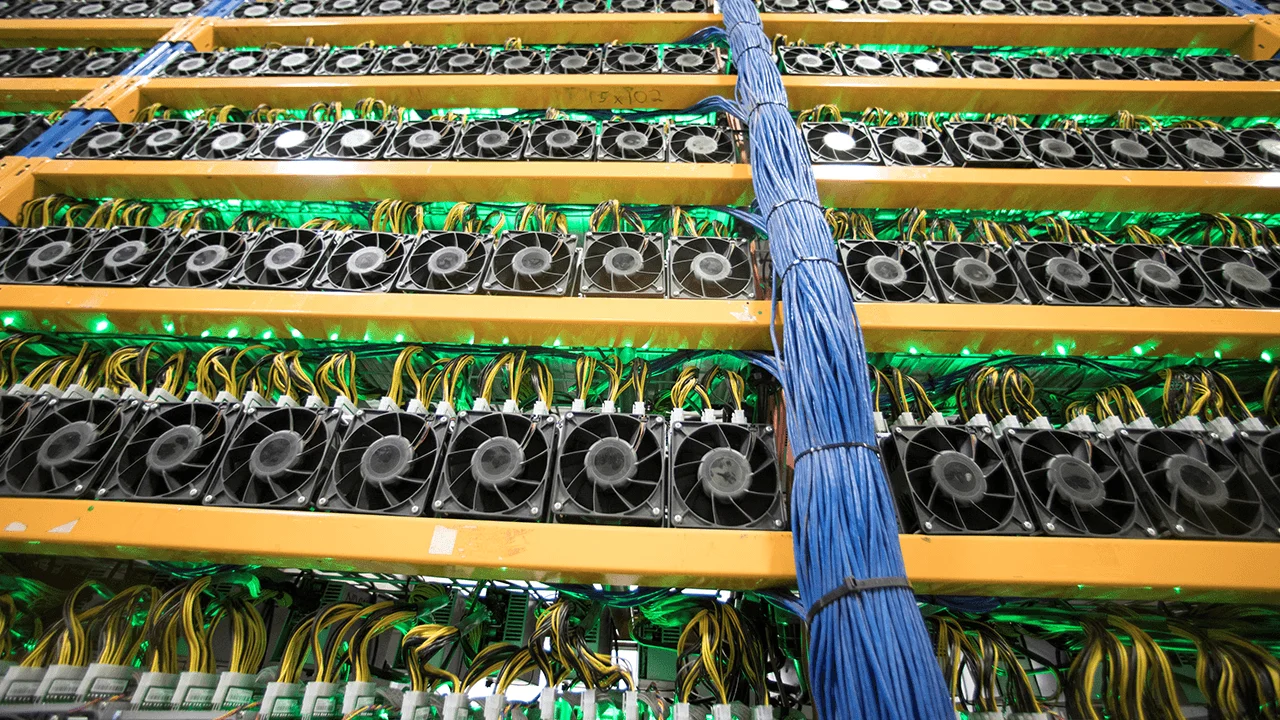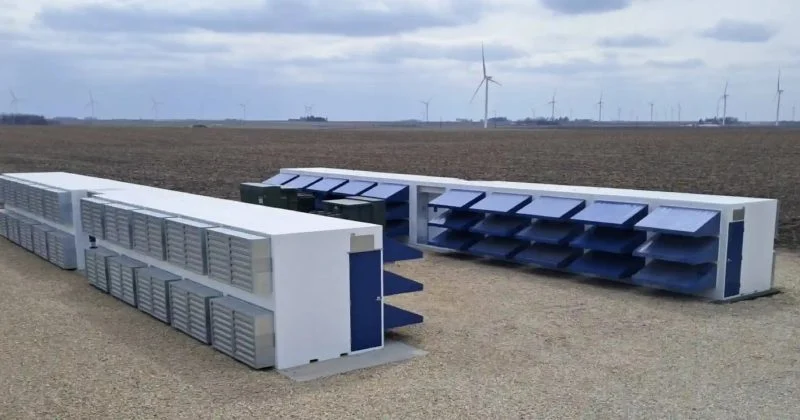
A utility general manager recently disclosed that a Bitcoin mining deal was the difference between stable electricity rates and a 3% hike for customers. The statement, which surfaced on social media, offers a concise but striking data point in the ongoing debate over whether crypto mining helps or hurts the communities where it operates.
The claim is simple: without the revenue generated by hosting a Bitcoin mining operation, the utility would have needed to raise rates by 3% to cover its costs. Instead, customers saw no increase at all.
How mining becomes a utility’s best customer
Bitcoin miners are particularly attractive to utilities because they represent what the industry calls “flexible” or “interruptible” load. Unlike a hospital or a factory that needs power around the clock no matter what, miners can throttle down or shut off entirely during peak demand periods. This means the utility gets a large, steady revenue stream during off-peak hours, when electricity might otherwise go unsold, while retaining the ability to redirect that power to residential and commercial customers when demand spikes.
The other side of the coin