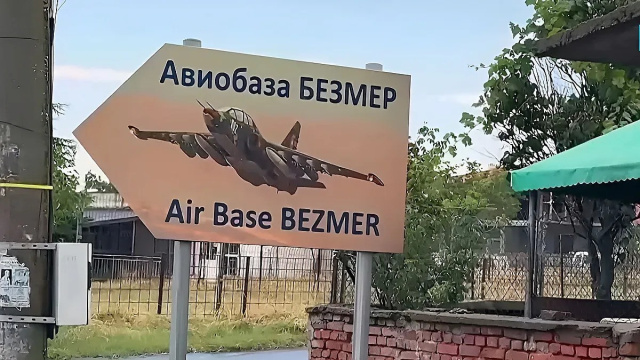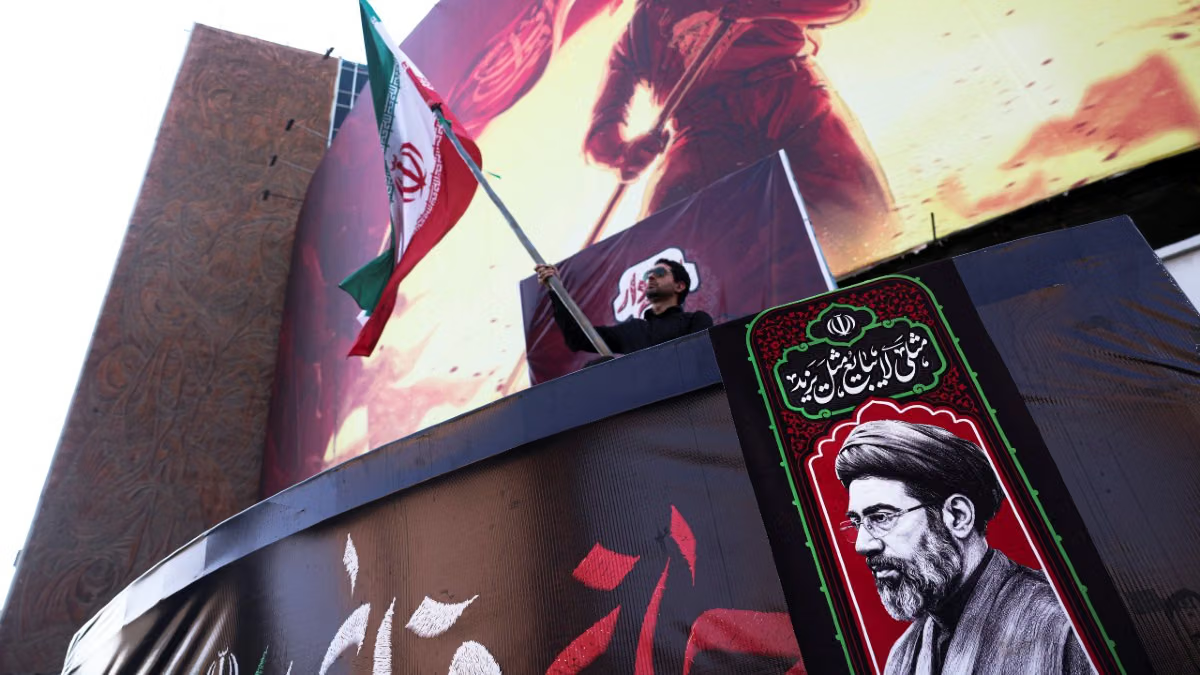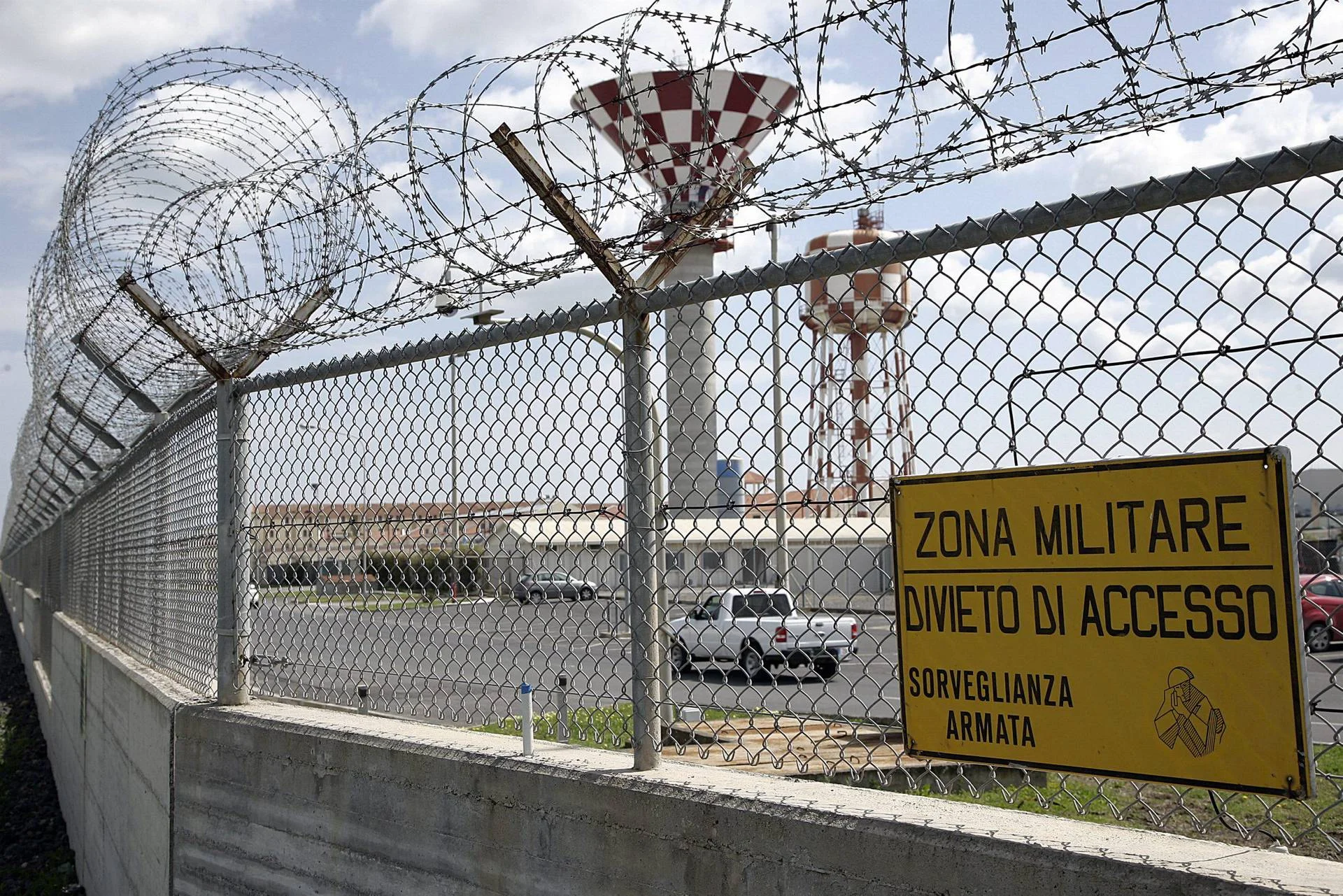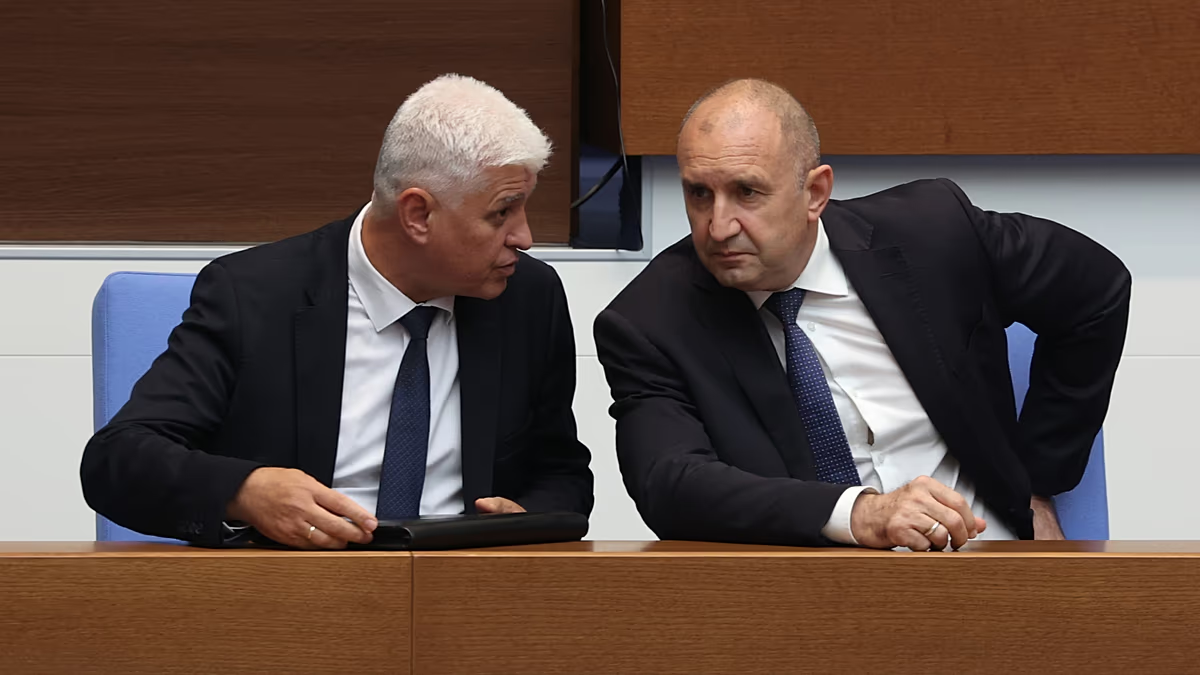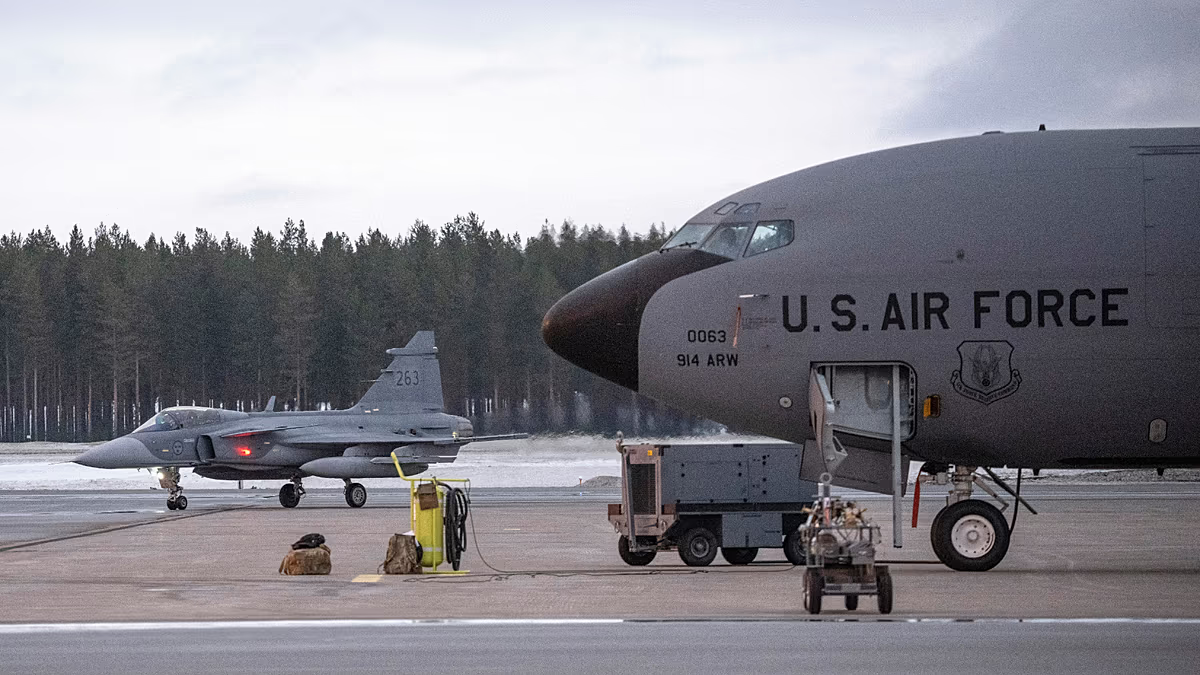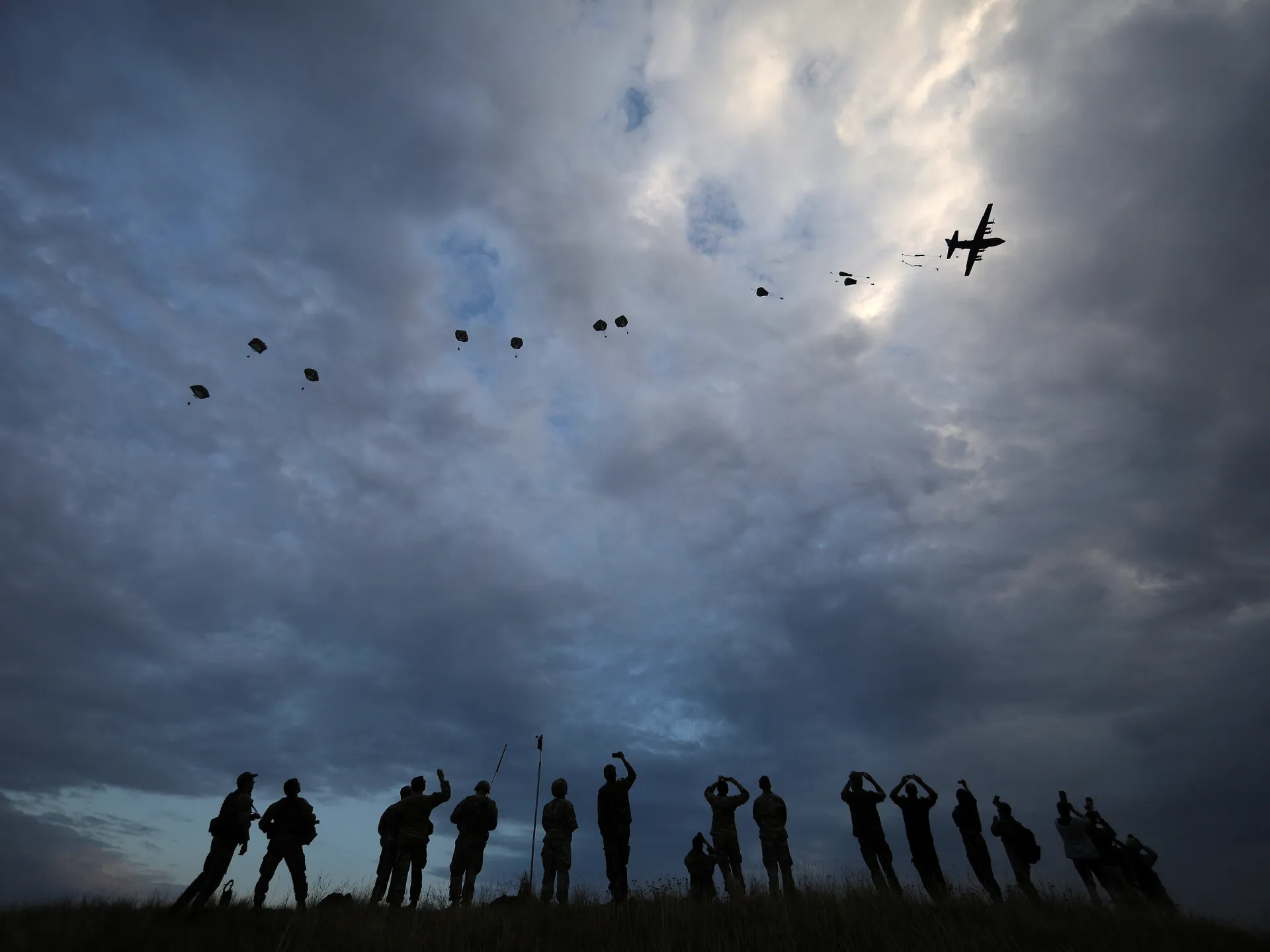
London, United Kingdom – The United States and Israel’s war on Iran was largely unexpected, given the repeated warnings from most US allies, as well as their lack of enthusiasm for a potential conflict.Iran’s retaliation, too, has been unexpected, particularly Iranian missile strikes on several countries not party to the conflict, in the Gulf, and more recently, Jordan.Recommended Stories list of 4 itemslist 1 of 4‘Tremendous costs’: Can Trump stop other countries from trading with Iran?list 2 of 4How China and Russia could hobble Trump’s plans to isolate Iranlist 3 of 4War on Iran: The US could focus on economically isolating Iranlist 4 of 4NATO ‘prepared’ to defend allies amid report of Iranian strike plansend of listBeyond the immediate regional sphere, the Iranian military has reportedly attempted to hit targets as far as the joint US-UK military base on the island of Diego Garcia, 2,350 miles (3,780 kilometres) away from Iran.And Tehran has recently threatened southeastern Europe – in particular, Bulgaria.Bulgaria’s Bezmer airfieldIn July, Bulgaria’s parliament approved the use of its Bezmer Air Base for refuelling US military aircraft, an agreement that functions as a support mechanism for the US military operations in the Middle East and against Iran.Speaking to his Bulgarian counterpart, Iranian Foreign Minister Abbas Araghchi warned that any country aiding US “aggression” against Iran would be considered a legitimate target of retaliatory attack by Tehran.According to a recent report in the Financial Times, citing unnamed Iranian sources, Tehran will consider attacking Europe if Washington escalates the conflict.According to Armida van Rij, a senior fellow at the Centre for European Reform, southeastern Europe could be seen as an attractive target.“[The region] is the soft underbelly of Europe as it is strategically important, hosting a number of NATO bases and key supplies to Ukraine and being on the Black Sea”.In Bulgaria, the Iran war is perceived as something “remote”, Angel Petrov, a Sofia-based journalist who covers southeast Europe and the Middle East for the news website, Dnevnik.bg, told Al Jazeera.Bulgarians do not view the Iran war “as important as Ukraine, and whose implications in terms of oil prices seem bearable, given general inflation”.According to Petrov, Sofia lacks the institutional capacity to defy a brash administration in Washington while managing the war in Ukraine and an increasingly active Russia. So it was not surprising when Bulgarian leaders obliged the Trump administration’s request for the use of the Bezmer Air Base.By firing missiles at Bezmer Air Base, Iran might hope to raise the costs of that cooperation and possibly drive a wedge between Bulgaria and the US. Bulgarians would find themselves under threat from the Iran war, to which they are indifferent, at the behest of a US ally that has shown increasing reluctance to support them in the war in Ukraine that they consider more important.Could Iranian missiles reach Europe?While Iranian missiles could indisputably reach parts of Europe, whether those attacks would further Iranian goals is less clear.Ali Bakir, a senior non-resident fellow at the Middle East Council on Global Affairs, said an Iranian attack on Europe would play into Trump’s hands and intensify Iran’s isolation.In the event of an attack on countries such as Bulgaria, Iran would effectively force an additional front on Europe to a conflict that many European leaders have resisted joining, much to the irritation of the US leader.According to Bakir, engaging Europe in the Iran conflict would likely benefit Russia’s war in Ukraine, aided by further straining Europe militarily, “potentially triggering a much wider and more dangerous war with serious international economic and security consequences”.It may be that, for Tehran, the threat of an attack on a less powerful European country is worth more than missiles actually fired towards Europe.The threat could shape domestic politics in Europe, keeping focus alive on a conflict that is farther than the immediate war in Ukraine and making European leaders and populations more hesitant to give passive support to the US military effort against Iran.Iran’s declared aim is to prise Europe away from the US campaign.However, an actual strike on a member of both the European Union and NATO would turn Europe from a hedging bystander into a belligerent party, trigger Article 4 – which quite possibly results in military retaliation, and hand Washington the European coalition it has so far failed to assemble.For now, a reasonable conclusion is that Iran has held back by calculating that an Iranian missile attack on Europe could hand Washington a strategic victory.However, several factors keep the risk of an attack on Europe above zero.The first is the credibility trap. Having declared that any base used to attack Iranian territory is a legitimate target, Tehran has threatened to extend its retaliation beyond the Middle East if pressed further by the US, but that threat will only remain effective as long as US allies believe Iran is actually willing to do so.Another factor is that Iran would not consider itself to be attacking Europe at all, but US assets that happen to stand on European soil. Tehran has used a similar distinction in missile attacks against other countries in the region, such as GCC countries. Gulf nations have rejected that notion, saying their nations, populations and infrastructure should not be assaulted amid a war they did not launch, but have not thus far retaliated against Iran directly.Lastly, and perhaps more importantly, the cohesion of the command and control mechanisms in Iran matters deeply. If the decision to attack is not made by those who devise political strategy, retaliation could be unpredictable. The desire to respond to renewed US attacks by attacking a perceived weak point could result in disastrous overreach.The longevity of the conflict is arguably a greater threat to Europe than Iranian missile capabilities that NATO defences over Europe could well protect against.As the war drags on, the real danger for Europe is a prolonged US-Iran war that Washington treats as dormant, with financial effects being felt in European streets and support diverted away from Russia and the Ukraine war.
Why Iran is threatening Europe’s ‘strategically important’ southeast
Tehran has threatened Bulgaria, home to a US air base, but how credible is that threat?
997 words~5 min read