Technical source: Token-Bleed R5 release
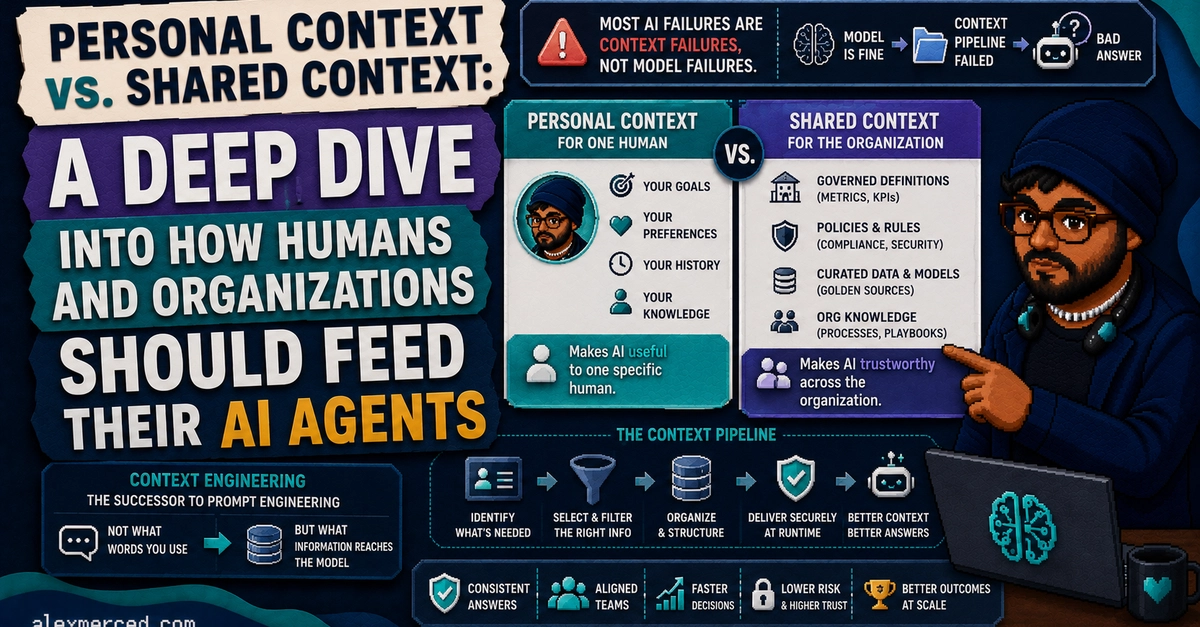
Enterprise AI programs often treat context as a prompt-engineering problem: retrieve more documents, add more records, and let the model sort it out. That is backwards.
The information an agent receives determines what it can infer, combine, and disclose. An agent's effective authority is therefore shaped by both its information scope and its permitted actions: context governs the former; capability controls govern the latter.
Context does not grant permission to dispatch power, change a price, or execute a transaction. It expands what the agent can know, infer, and disclose, and therefore its practical power.
Too little context is not neutral either: omitted constraints, exceptions, or dependencies can make a confident recommendation wrong. The architectural objective is therefore not minimum context, but minimum sufficient context.