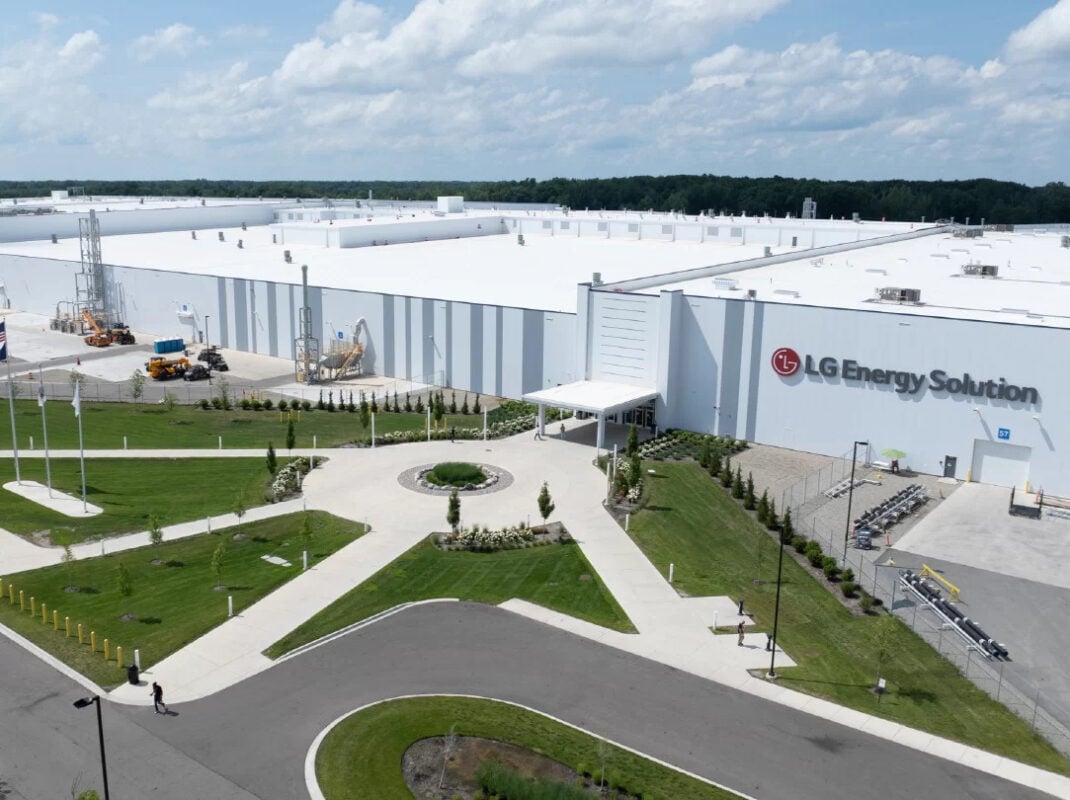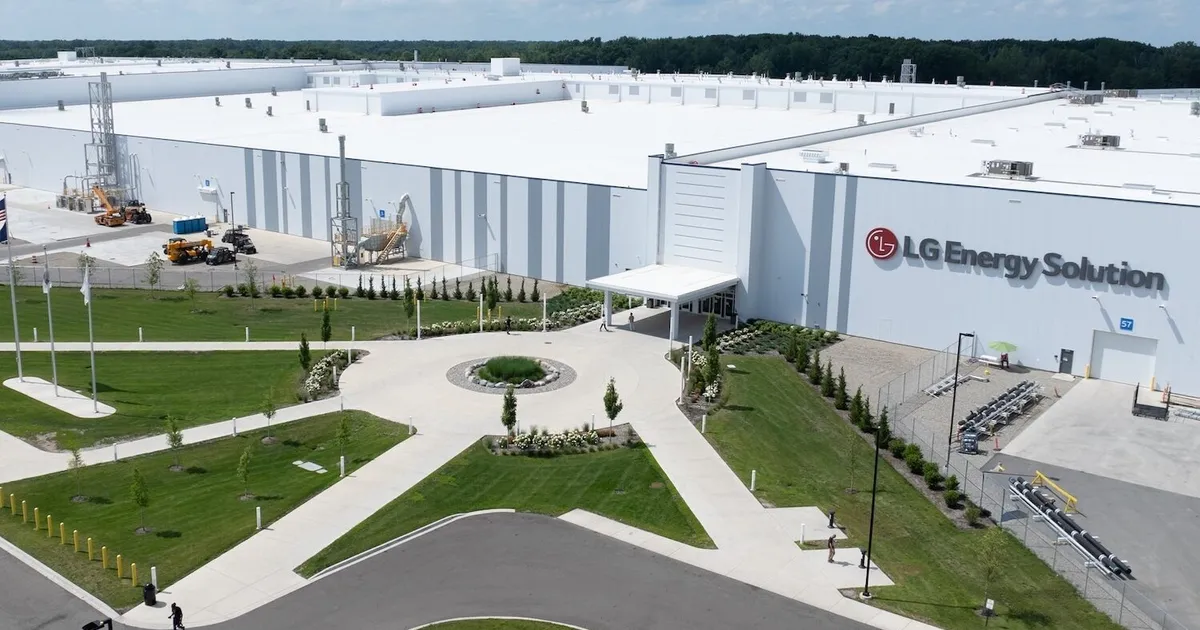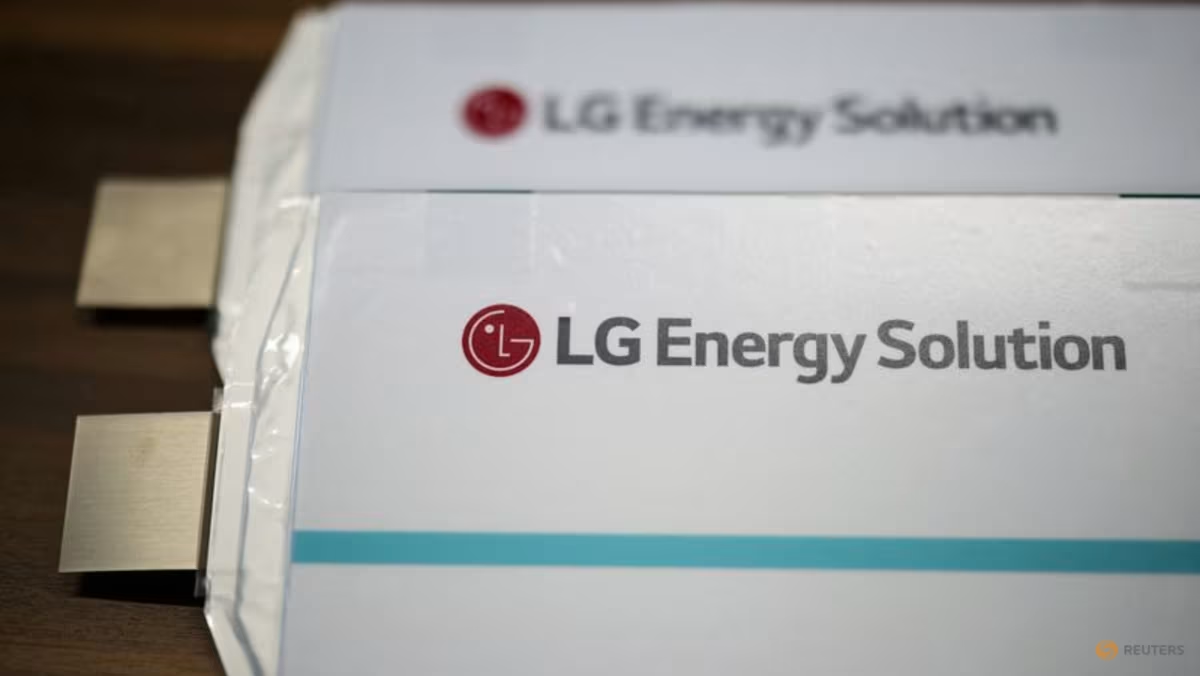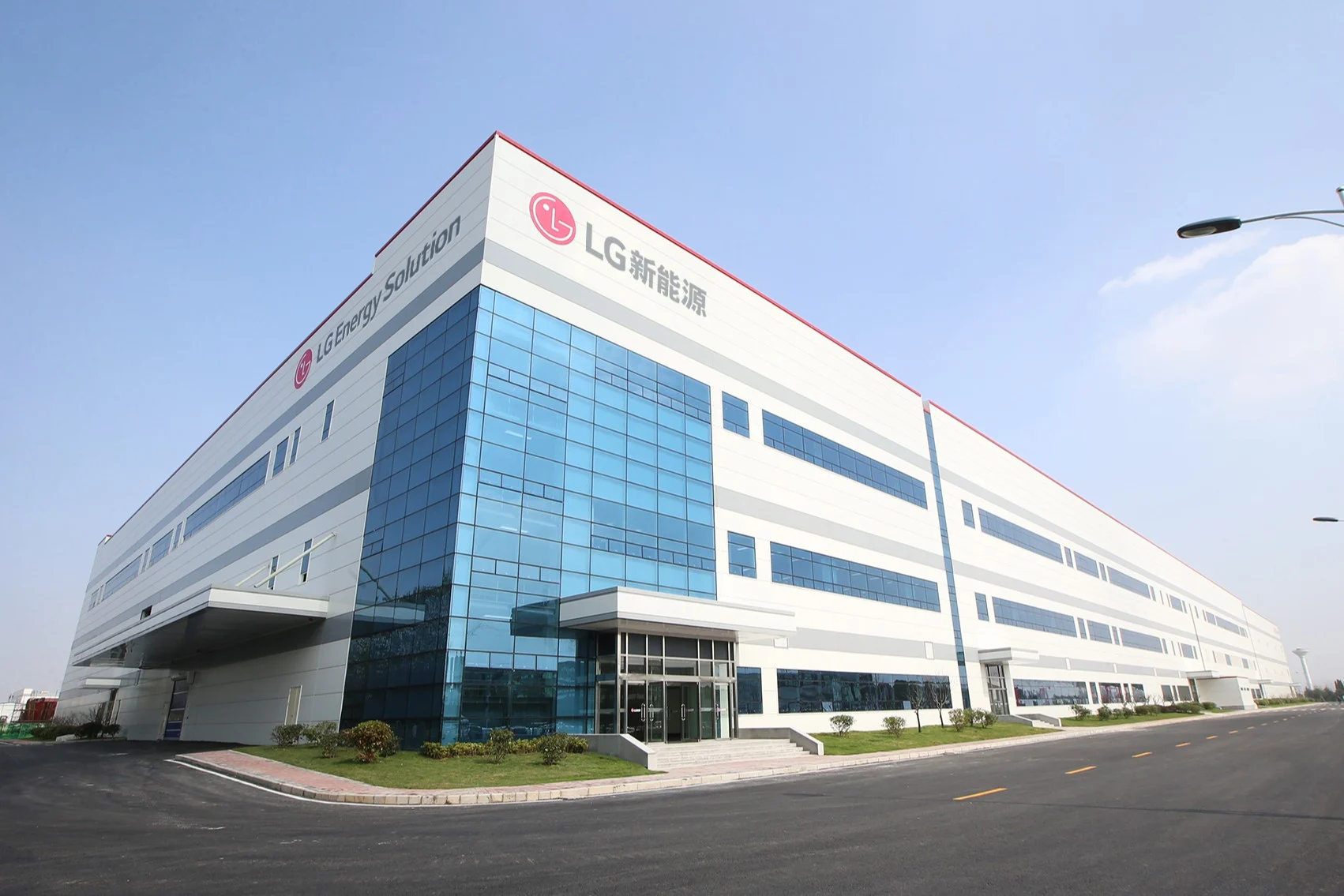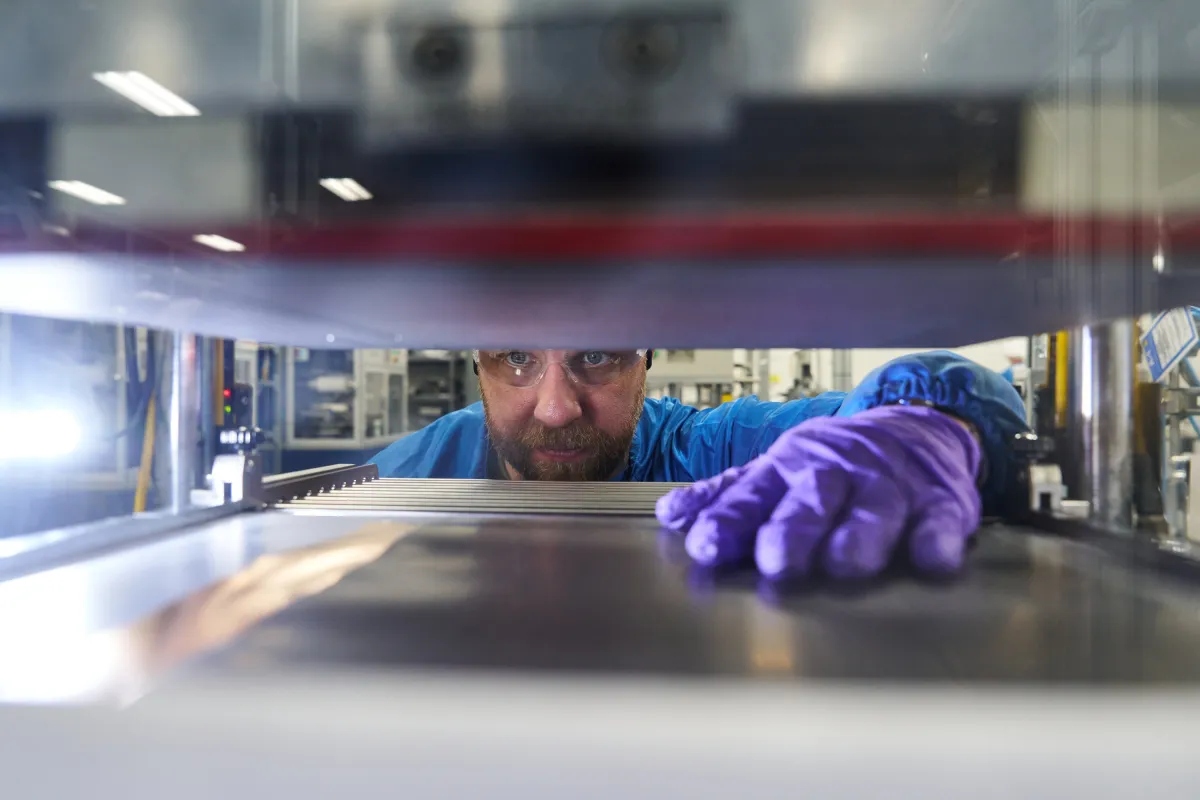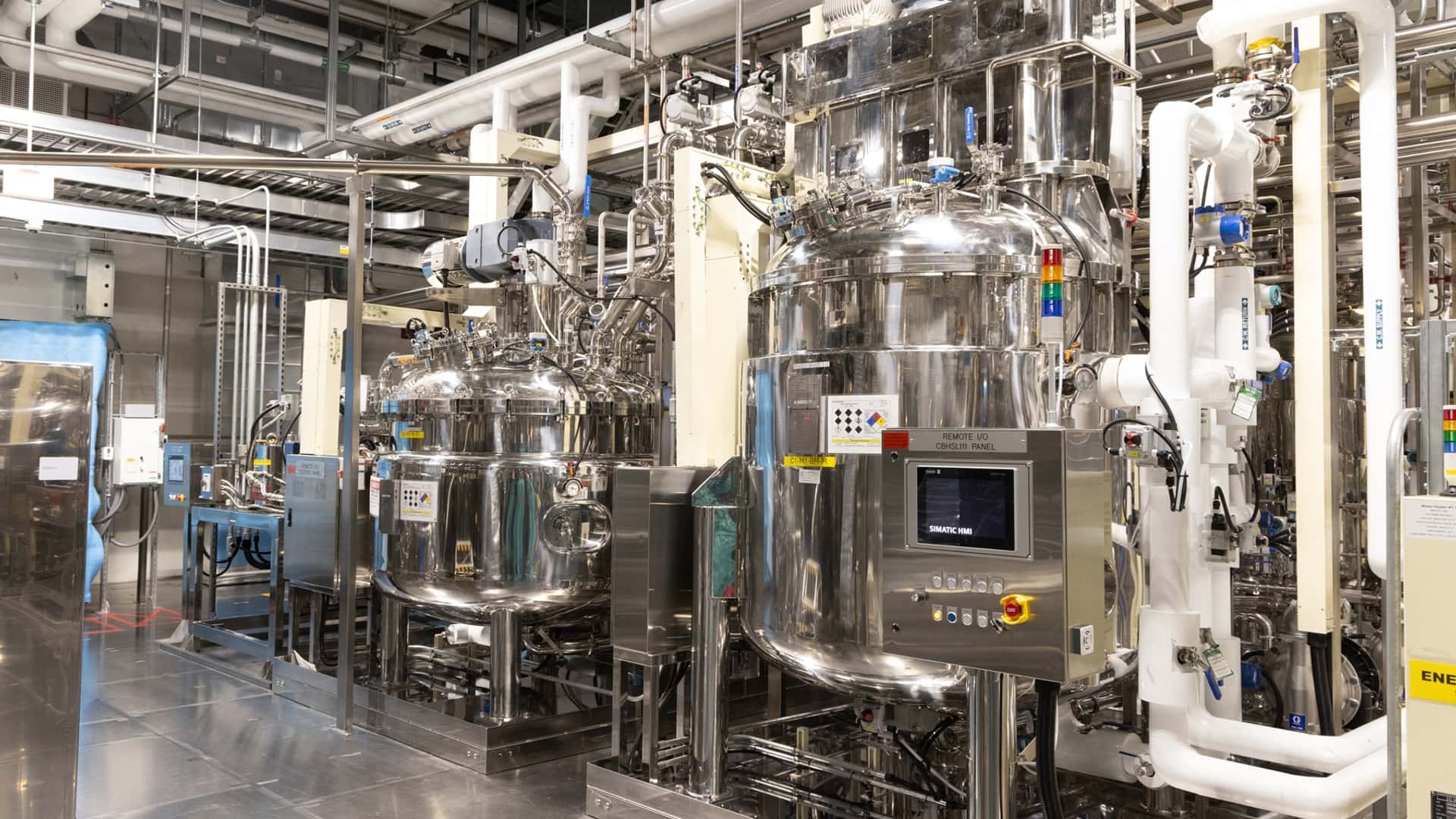
Korean battery giant LG Energy Solution’s gigafactory in Lansing, Michigan, is half a mile long and a quarter mile wide. Inside, the 2.8-million-square-foot facility has hallways illuminated by bright white lights that seem to stretch as far as the eye can see. The atmosphere feels clinical and slightly eerie, with robots doing most of the work, automated guided vehicles (AGVs) transporting raw materials around the plant, and humans supervising it all. They work together at the $2-billion-plus facility, quietly humming toward a cleaner future.
The factory sits on a 226-acre site and was originally planned as an Ultium Cells joint venture between LGES and General Motors to produce EV batteries. But after the end of federal EV tax credits and slower-than-expected EV sales growth, GM sold its stake in the facility last year, leaving LGES as the plant’s sole owner. The dissolution was part of a broader string of joint-venture breakups and restructurings that have rocked America’s EV industry, including those involving Ford and SK On, GM and Samsung SDI, and Stellantis and LGES. The entire industry is reeling from regulatory whiplash in the United States, which has pulled most government support for environmentally friendly projects.