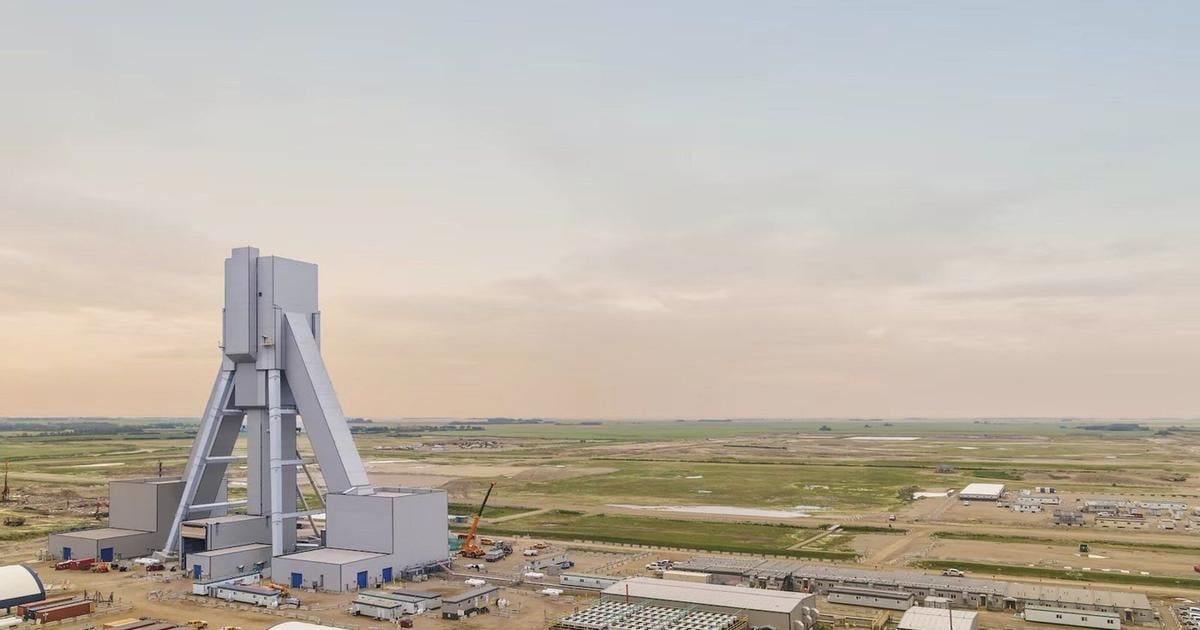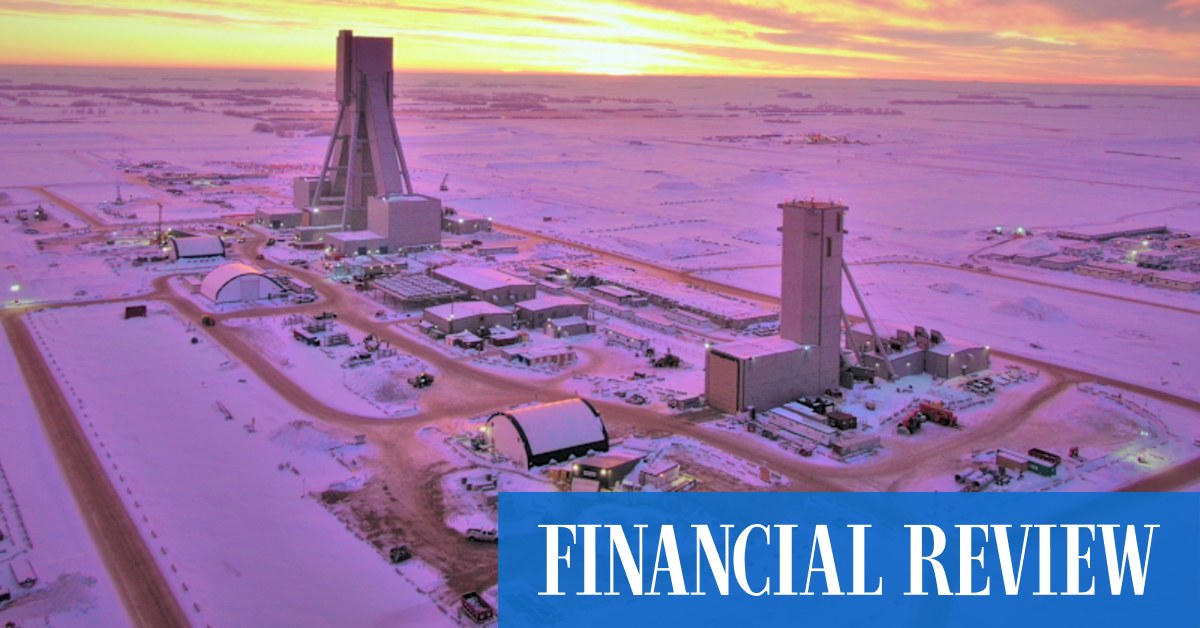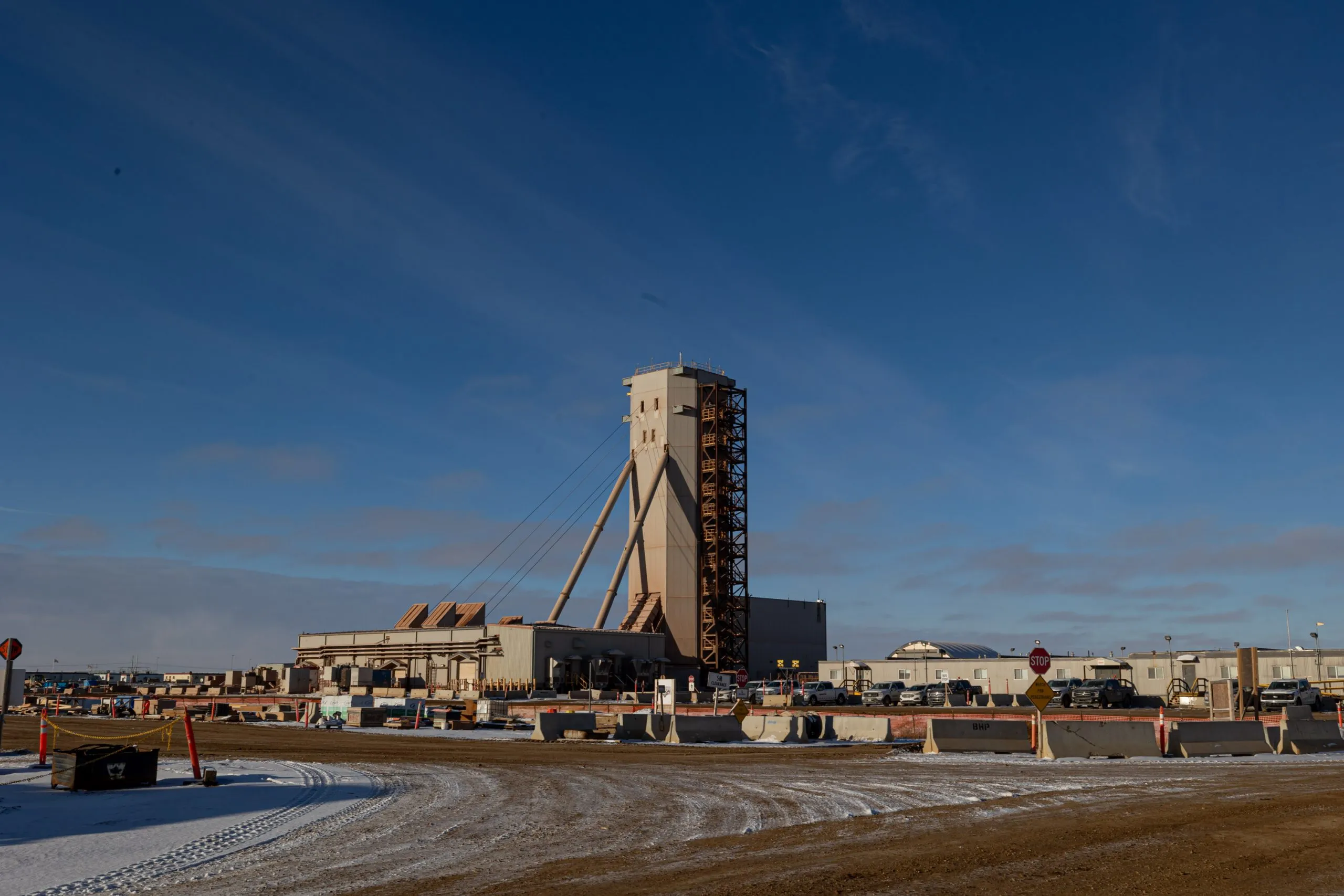
Skip to Content News Archives Economy Energy Oil & Gas Renewables Electric Vehicles Mining Commodities Agriculture Real Estate Mortgages Mortgage Rates Finance Banking Insurance Fintech Cryptocurrency Work Wealth Smart Money Wealth Management Investor Personal Finance Family Finance Retirement Taxes High Net Worth FP Comment Executive Women Puzzmo Newsletters Financial Times Business Essentials More Innovation Information Technology FP500 Podcasts Small Business Lives Told Tails Told Shopping Financial Post Store Obituaries Place a Notice Advertising Advertising With Us Advertising Solutions Postmedia Ad Manager Sponsorship Requests Classifieds Place a Classifieds ad Working Profile Settings My Subscriptions My Offers Newsletters Customer Service FAQ News Economy Energy Mining Real Estate Finance Work Wealth Investor FP Comment Executive Women Puzzmo Newsletters Financial Times Business Essentials HomeAgricultureMiningBHP’s Jansen mine could cost Saskatchewan $84 million in potash royalties, economist saysThe massive new mine could add such volume to global supply as to ‘drag down prices,’ report saysLast updated 42 minutes ago BHP Jansen potash mine project near LeRoy, Sask. Photo by Michelle Berg/Saskatoon StarPhoenixWith BHP Group Ltd.'s Jansen potash mine slated to begin production next year, one expert says this project could mean less potash royalty revenue for Saskatchewan.Subscribe now to read the latest news in your city and across Canada.Exclusive articles from Barbara Shecter, Joe O'Connor, Gabriel Friedman, and others.Daily content from Financial Times, the world's leading global business publication.Unlimited online access to read articles from Financial Post, National Post and 15 news sites across Canada with one account.National Post ePaper, an electronic replica of the print edition to view on any device, share and comment on.Daily puzzles, including the New York Times Crossword.Subscribe now to read the latest news in your city and across Canada.Exclusive articles from Barbara Shecter, Joe O'Connor, Gabriel Friedman and others.Daily content from Financial Times, the world's leading global business publication.Unlimited online access to read articles from Financial Post, National Post and 15 news sites across Canada with one account.National Post ePaper, an electronic replica of the print edition to view on any device, share and comment on.Daily puzzles, including the New York Times Crossword.Create an account or sign in to continue with your reading experience.Access articles from across Canada with one account.Share your thoughts and join the conversation in the comments.Enjoy additional articles per month.Get email updates from your favourite authors.Create an account or sign in to continue with your reading experience.Access articles from across Canada with one accountShare your thoughts and join the conversation in the commentsEnjoy additional articles per monthGet email updates from your favourite authorsSign In or Create an AccountorMillions of tonnes worth of additional potash will slowly filter into the market over the next eight years as the Australian multinational mining giant ramps up production at Jansen, about 140 kilometres east of Saskatoon, over two phases.According to BHP, Jansen will add 8.5 million tonnes to a 75 million tonne global market. That potential 11 per cent of additional global potash supply could bring down prices, and in turn, reduce how much the province makes, according to one economist.SUBSCRIBER EXCLUSIVE: FP West: Energy Insider brings you behind the oilpatch’s closed doors with exclusive insights from insiders every Wednesday morning.By signing up you consent to receive the above newsletter from Postmedia Network Inc.A welcome email is on its way. If you don't see it, please check your junk folder.The next issue of FP West: Energy Insider will soon be in your inbox.We encountered an issue signing you up. Please try againFormer NDP MP Erin Weir is a consulting economist who crunched the numbers on what potash royalties the province collects. In a policy paper for the Johnson Shoyama Graduate School of Public Policy, his “cautious assumptions” detail a scenario where the province loses out on $84 million in revenue.What BHP will eventually contribute to provincial coffers doesn’t offset its price impact, according to Weir.“It's going to drag down prices and payments from other mines while at the same time paying very little itself,” said Weir.It’s not just BHP bringing more fertilizer to farmers everywhere. Russian and Belarusian potash miners are expanding and reviving their operations.BHP will make up one-third of the new supply coming to the global market before 2030, according to fertilizer market analyst Alexander Chreky from London-based pricing agency CRU Group.Chreky anticipates a price impact not far off the baseline assumptions laid out in Weir’s paper.“That combination of a lot of capacity, and a good chunk of this capacity coming from new entrants to the market, will have significant downward pressure on prices,” said Chreky.It could mean shrinking margins for competitors Nutrien Ltd., Mosaic Co., and K+S AG, and less money collected for the public purse.Saskatchewan’s potash royalties are structured on a production tax, a surcharge on sales totals and a profit tax. According to Weir’s modelling, a nearly 14 per cent dip in prices would mean a 23 per cent decrease in royalties.BHP’s US$15.3 billion two-stage Jansen project is its first foray into the potash market. Despite about US$3 billion worth of cost overrun, the company still sees it as a profitable pillar to add to its portfolio.BHP’s chief executive Brandon Craig, who stepped into the role in July, highlighted the significance of the long, 60-year mine life with margins of 60 per cent.“We believe over time this is going to become a very valuable asset for BHP, and we're going to be pleased that we stuck with Jansen,” Craig said during an Aug. 17 earnings call.Chreky said that farmer consumption will likely spur a better price environment.“Eventually, prices will recover,” said Chreky. It may take until mid- to late-2030 for that to happen, he added.During that time, BHP will pay a lower contribution in royalties. It can benefit from Saskatchewan’s three-year royalty holiday of up to $100 million, granted for new mines. It also has the first 10 years' worth of base payments waved by the province as a new operation in production. Weir said this underlines the importance of changing the overall royalty structure to avoid a shortfall in revenue.“The province really needs to reform its royalty and tax structure to ensure that the people of the province are receiving a proper return from this resource,” said Weir.The Saskatoon Star Phoenix has created an Afternoon Headlines newsletter that can be delivered daily to your inbox so you are up to date with the most vital news of the day. Click here to subscribe. With some online platforms blocking access to the journalism upon which you depend, our website is your destination for up-to-the-minute news, so make sure to bookmark thestarphoenix.com and sign up for our newsletters so we can keep you informed. Click here to subscribe. Join the Conversation This website uses cookies to personalize your content (including ads), and allows us to analyze our traffic. Read more about cookies here. By continuing to use our site, you agree to our Terms of Use and Privacy Policy.
BHP’s Jansen mine could cost Saskatchewan $84 million in potash royalties, economist says
The massive new mine could add such volume to global supply as to ‘drag down prices,’ report says
1,143 words~5 min read