Across southern Africa, sitting presidents have faced a wave of turnovers and electoral setbacks in the past few years.
Malawi and Botswana saw opposition victories. In Namibia and South Africa, incumbents were re-elected, but with significantly smaller majorities.
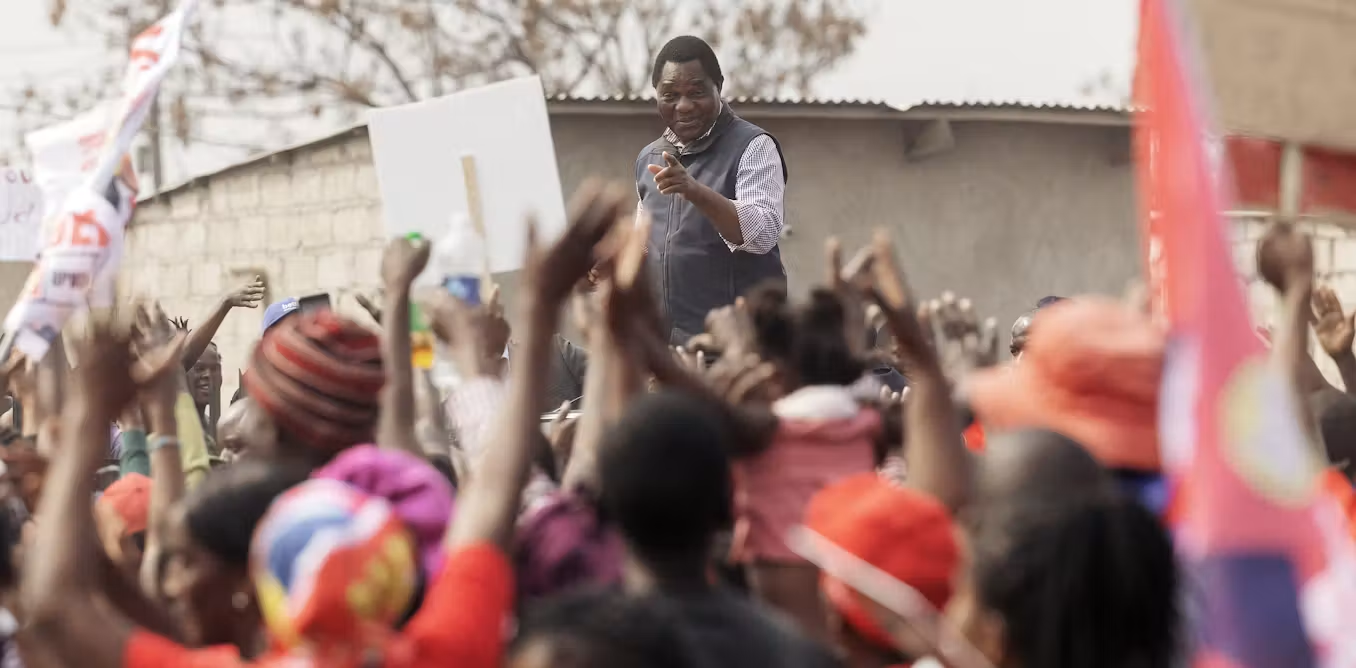
In Zambia, the Patriotic Front suffered a humiliating defeat in 2021 as voters reacted to poor economic performance. This resulted in a new government led by Hakainde Hichilema and his United Party for National Development.
Hichilema’s government has ruled in a time of extreme global economic anxieties. Conflict, supply chain interruptions and aid withdrawal have piled pressure on governments, not least in Africa. In southern Africa, erratic weather conditions have brought droughts, food insecurity and energy shortages, adding to economic woes. In this environment, how did Zambia’s incumbent party secure such a decisive re-election in 2026?
In an impressive showing, Hichilema secured an increased 61% of the vote compared to 38% for the main opposition challenger, Brian Mundubile. However, accusations of fraud and manipulation have tainted the election.