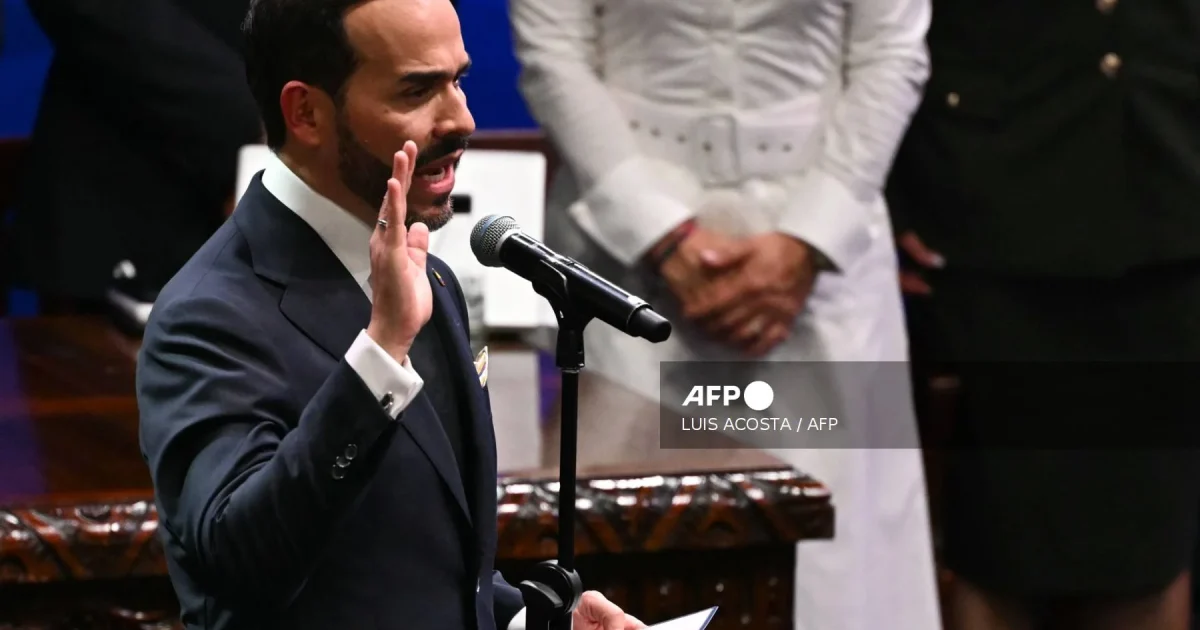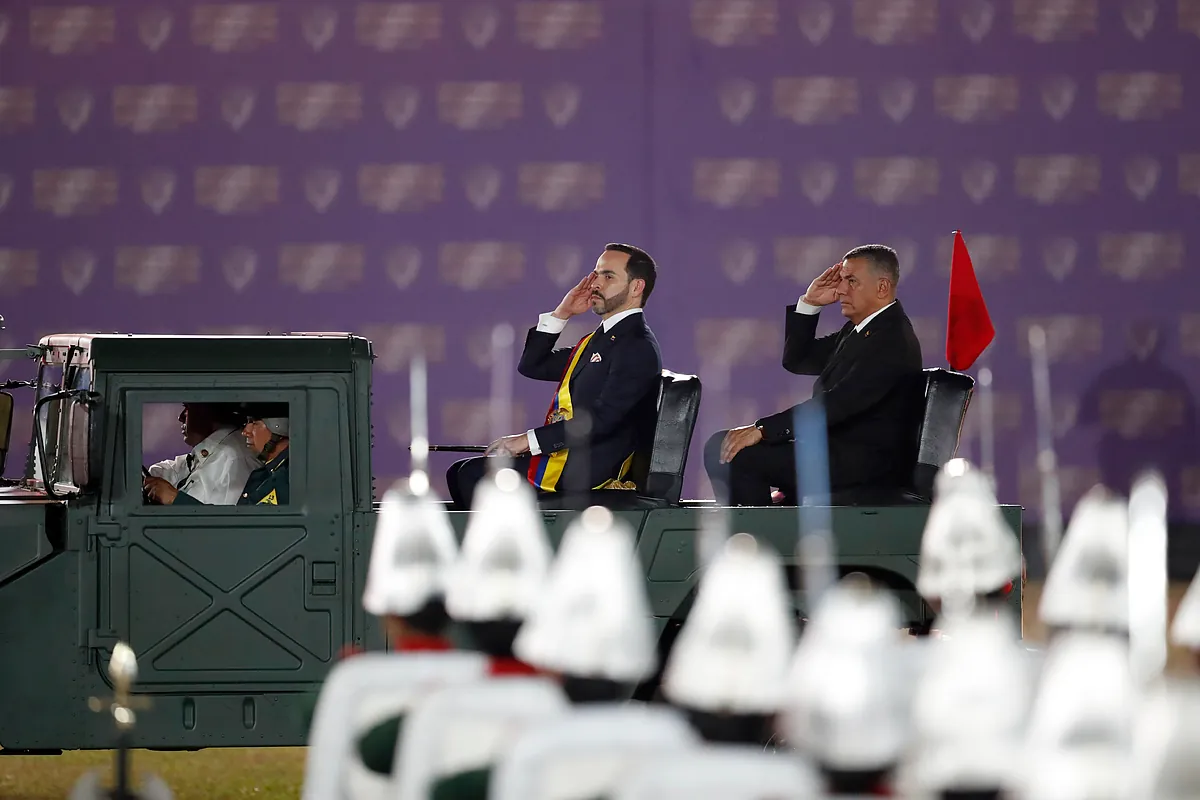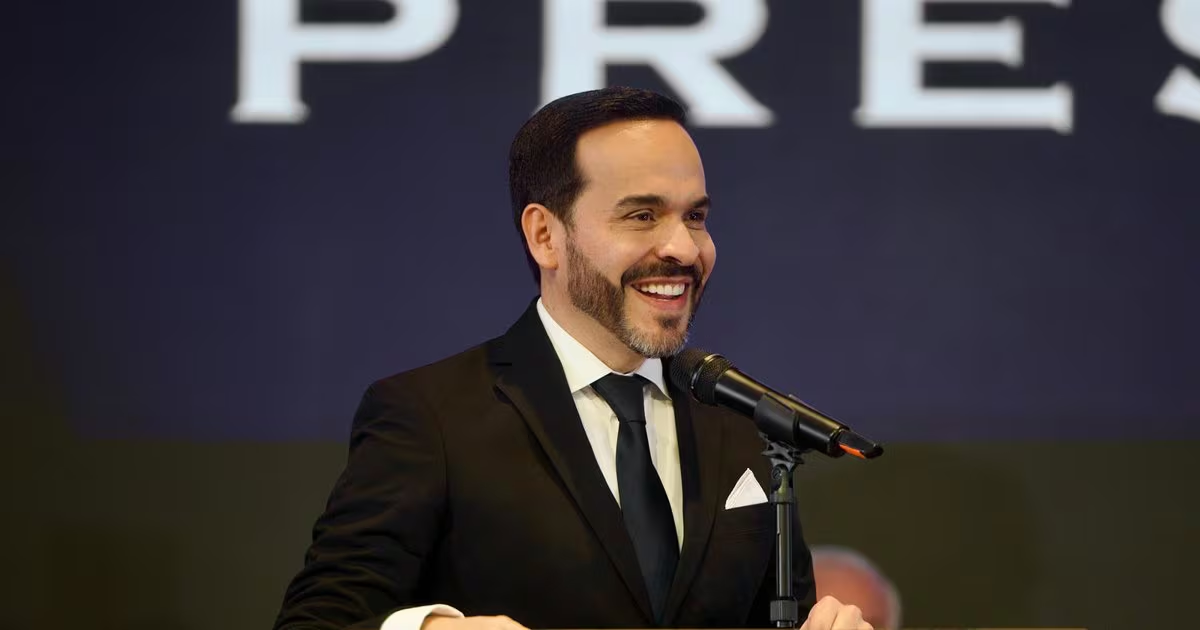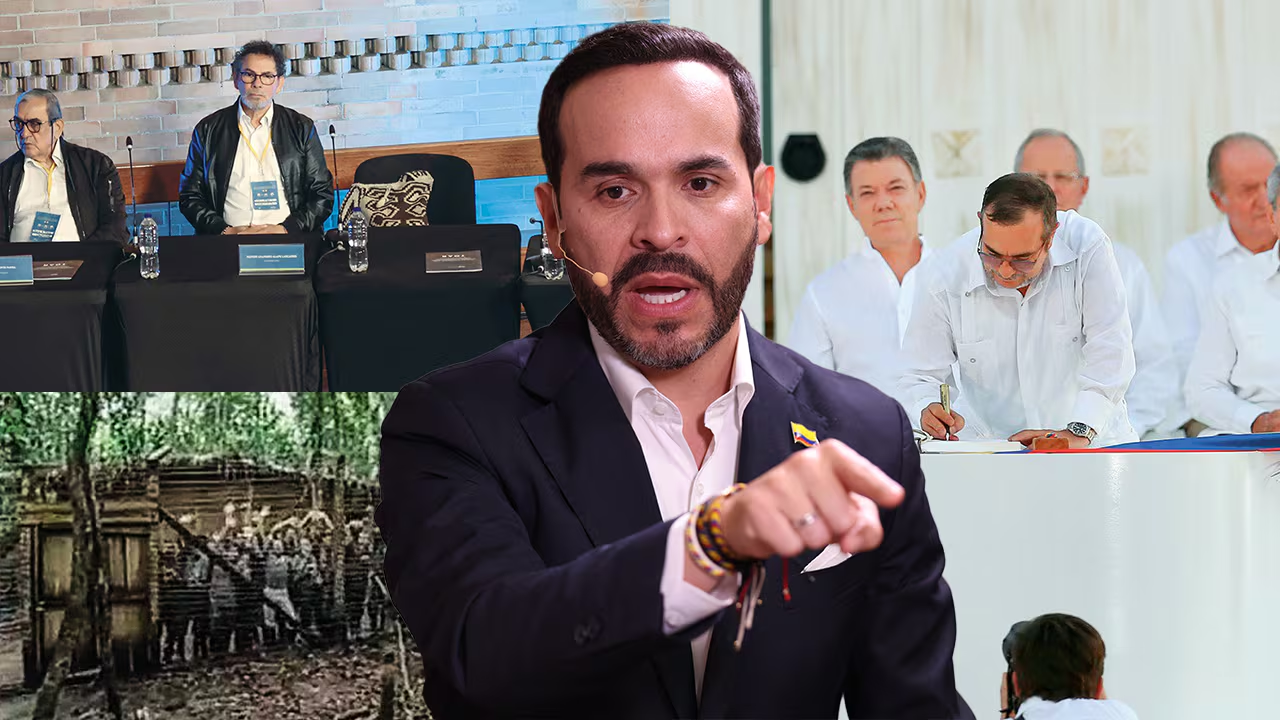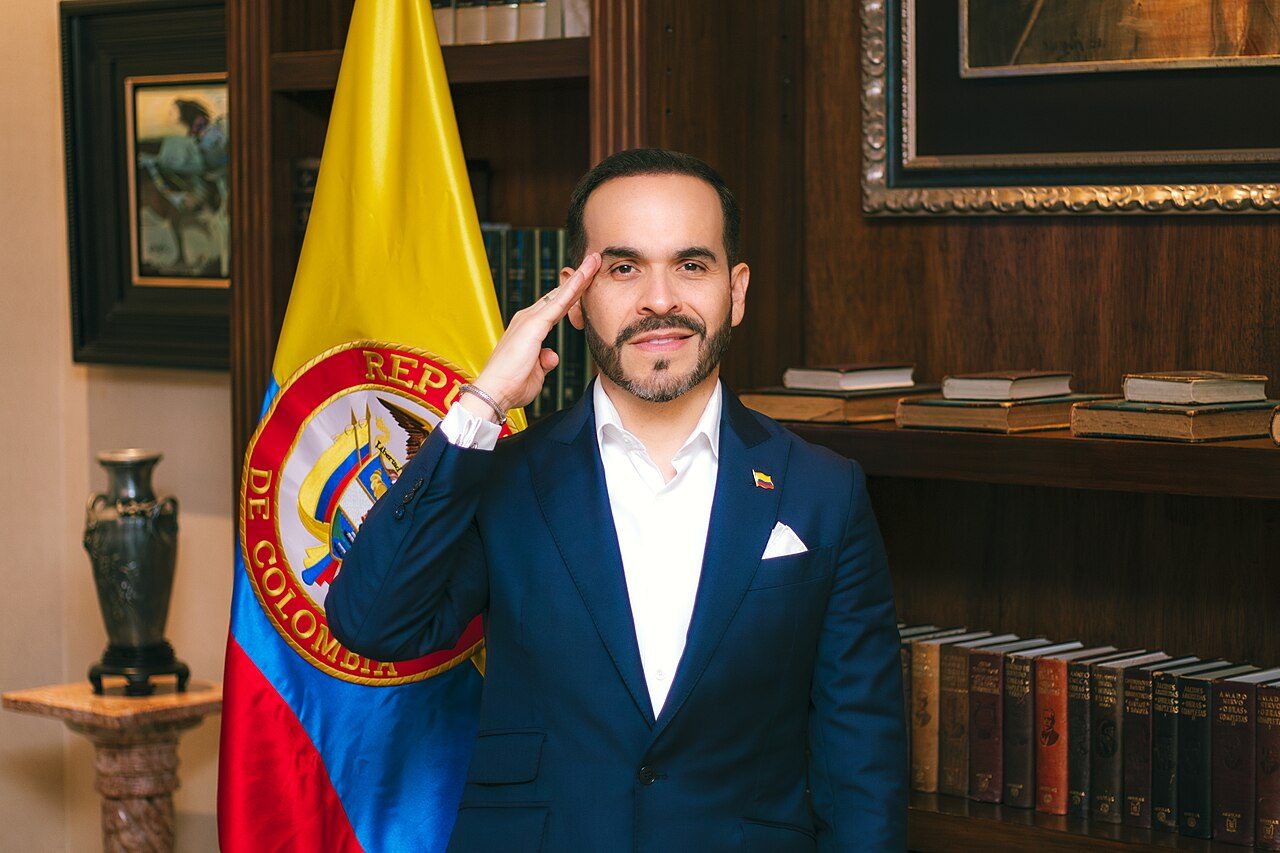
On Aug. 7, Abelardo de la Espriella was sworn in as Colombia’s president. His inauguration speech reiterated campaign promises to unravel Colombia’s transitional justice, decades in the making. His administration will not “accept under any circumstances that justice is converted into a mechanism of indulgence.” “The option of dialogue,” with respect to Colombia’s armed groups, “is exhausted.”This inauguration-day language echoes de la Espriella’s attacks on the 2016 Final Agreement with Fuerzas Armadas Revolucionarias de Colombia-Ejército del Pueblo (FARC-EP)—a deal that set a historical precedent by demobilizing 13,000 guerrillas and creating a robust criminal accountability system. De la Espriella has repeatedly derided the deal as a “false peace” that “tricked” the country. Its centerpiece, the Special Jurisdiction for Peace (JEP), is, to de la Espriella, a fiscal waste and a “political directory disguised as a court.” As early as August 2025, de la Espriella vowed that “all I can do to eliminate that piece of junk, I am going to do.” Nothing has changed: His inauguration speech reaffirmed his “duty” to review the JEP’s “nature and effects.”This rhetoric found fertile ground among Colombians who blame outgoing President Gustavo Petro’s Total Peace strategy for rising violence, associating it with the FARC accord because both prioritize negotiations. While aimed at simultaneous dialogue with as many armed groups as possible, Total Peace instead coincided with waves of violence as groups fractured over whether to participate in talks, resulting in new factions competing for territory and illegal economies. De la Espriella seized on public discontent toward the violence, promising a mano dura approach. This is a reversal for de la Espriella, a defense attorney who previously represented paramilitary members and drug traffickers. In fact, in 2015, he published a book arguing for more lenient transitional justice terms than the 2016 FARC-EP deal provided, proposing that demobilized irregular forces serve sentences at liberty and be treated as political actors.Since his runoff victory, campaign promises have hardened into policy. De la Espriella plans to eliminate 229 government offices, including the High Commissioner for Peace and the Implementation Unit that enforces the FARC-EP accord. As president-elect, he vowed to withdraw from the United Nations and the Organization of American States.But what can de la Espriella actually do to attack transitional justice institutions, and how will his attacks impact peace prospects with active armed groups in the current criminal landscape? On examination, the answer hinges on the domestic approach that made Colombia’s peace process a global model in the first place.Written at Home, Watched From AbroadColombia’s transitional justice “laboratory” stems, in part, from a tension: Strong domestic institutions authored its peace through new legislation, balancing messy national realities against universalist standards monitored by the International Criminal Court (ICC).Unlike its transitional justice contemporaries—such as Cambodia, Uganda, and Sierra Leone, whose frameworks were top-down and exogenous—Colombia’s transition was bottom-up and endogenous. In the afterglow years of the Rome Statute’s 2002 signing, international bodies channeled new inertia to step in and establish special tribunals or directly exercise jurisdiction where domestic institutions were unable or unwilling to combat impunity. The result was a degree of cynicism toward domestic judiciaries and a tendency to promote formulaic notions of justice divorced from the particular needs of the country in transition.By contrast, Colombia did not require top-down intervention because its citizens and state were taking initiative on their own. Colombian institutions possessed the technical capacity to execute trials, and the government actively pursued accountability in dialogue with armed groups. Yet the specter of ICC intervention, present in Colombia following a preliminary investigation opened in 2004, incentivized domestic institutions to “speak international law.” The resulting peace was the “best case scenario” for positive complementarity, the principle that the ICC should encourage, rather than compete with, national proceedings.Colombia’s first legal authority relevant to this discussion is Law 975, the Justice and Peace Law. Passed in 2005 following the Santa Fe de Ralito Agreement with the far-right paramilitary United Self-Defense Forces (AUC), the law established a Justice and Peace Unit within the attorney general’s office. It also launched special chambers within selected district courts to hear gross human rights violations.In 2011, Congress passed Law 1448, creating the most comprehensive victim reparations system worldwide to date—the program registers 15 percent of the population as victims, compared to most peer reparations programs, which register less than 1 percent. The law established implementing bodies: the Victims’ Unit, overseeing a national victim registry and financial and social reparations; the Land Restitution Unit, processing civil claims to private land dispossessed in the armed conflict; and the National Center for Historical Memory. In 2021, Law 1448 was extended past its 10-year expiry into 2031.With the Havana negotiations (2012-2016) on the horizon, Colombia’s Congress embedded transitional justice further into domestic law by amending the constitution to create the Framework for Peace. This amendment, Act No. 1 of 2012, was extraordinary less for what it designed than for what it deferred: Congress bound itself to future legislation enabling “judicial or extra-judicial transitional justice instruments,” without knowing what these bodies would look like, instead leaving their shape to be haggled out in negotiations with combatants.In 2016, the Congress followed through on the Framework for Peace’s vision, passing a batch of laws and constitutional amendments implementing the negotiation’s Final Agreement, which Congress approved directly. Law 1820 extended amnesty, pardon, or special penal treatment to low-level officers of both FARC-EP and the state. Constitutional amendment Act No. 1 of 2017 created the Comprehensive System of Truth, Justice, Reparation and Non-Repetition, encompassing the JEP, a Truth Commission, and the Missing Persons Search Unit. Constitutional amendment Act No. 2 of 2017 bound state institutions to comply in good faith with the deal across the three presidential terms following signing, which would include de la Espriella’s term. The Constitutional Court upheld this amendment, applying the sustitución de la Constitución doctrine to hold that when peace conflicts with other constitutional pillars, it receives “preponderant importance.”
Colombia’s Transitional Justice Was Built to Survive de la Espriella
It is a global model for its domestic, not international, legal origins. Future peace may be the real cost of de la Espriella’s attacks.
2,396 words~11 min read