Listen
/
1.0x
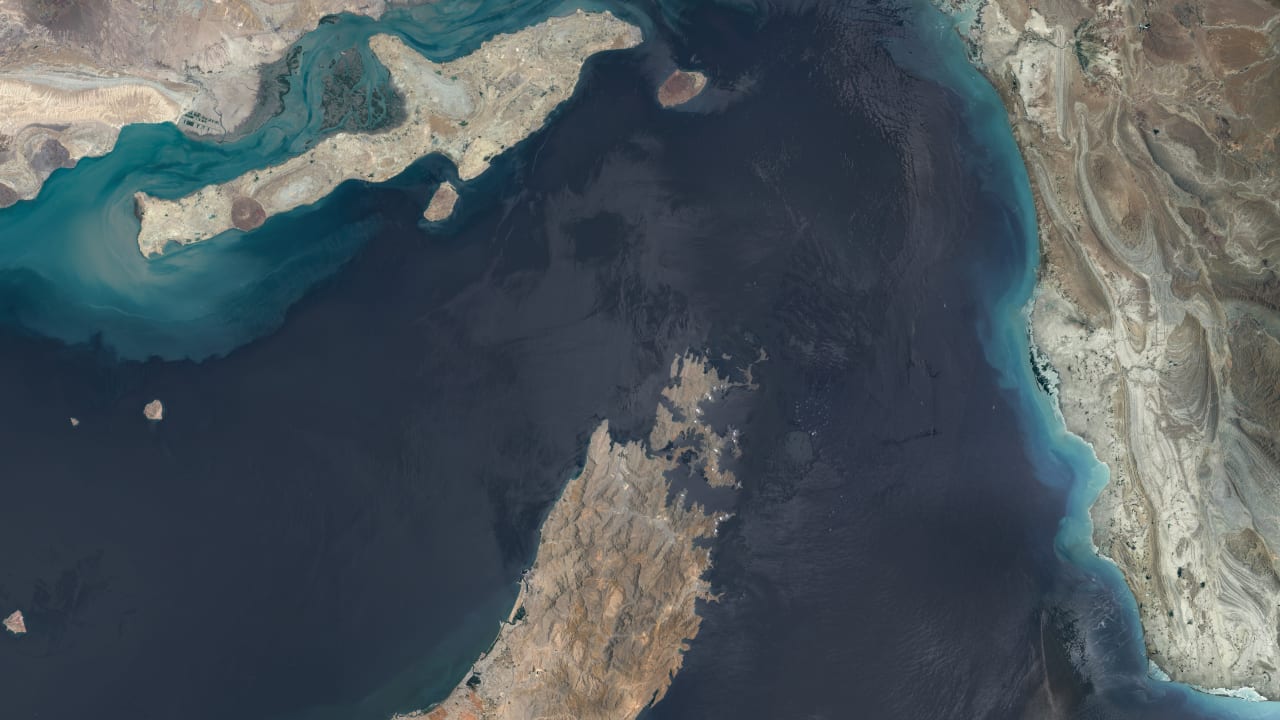
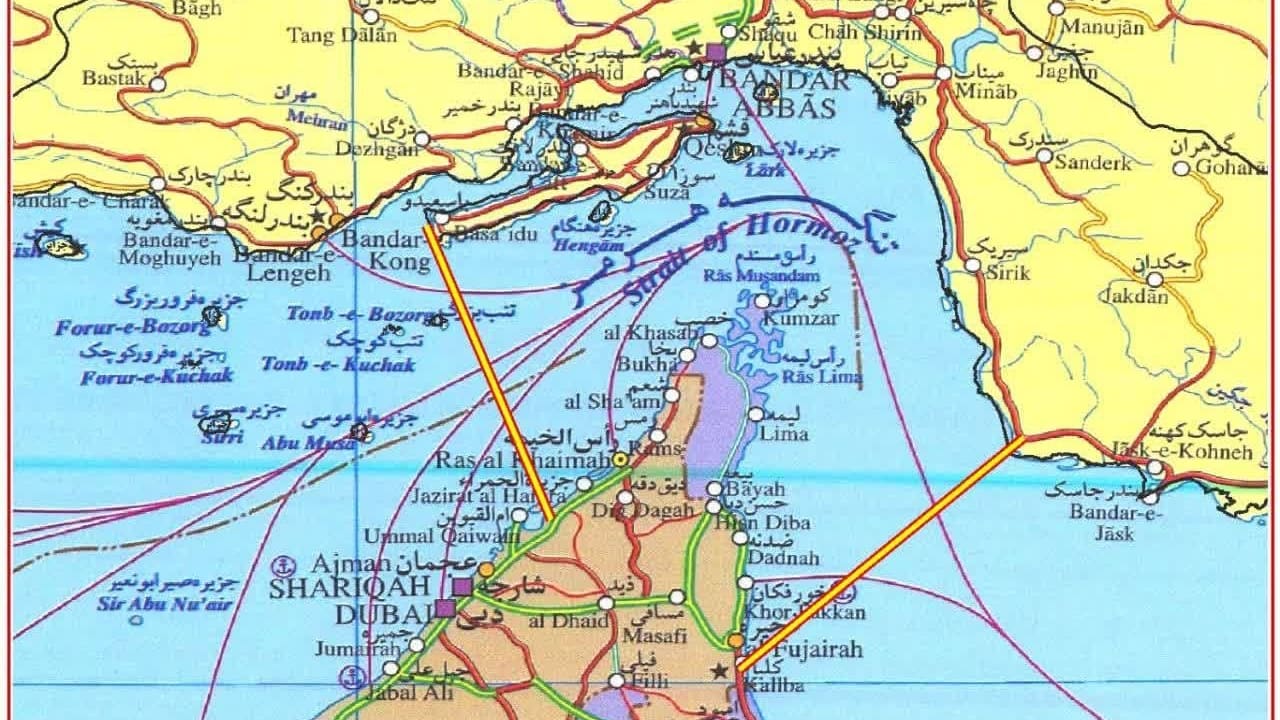
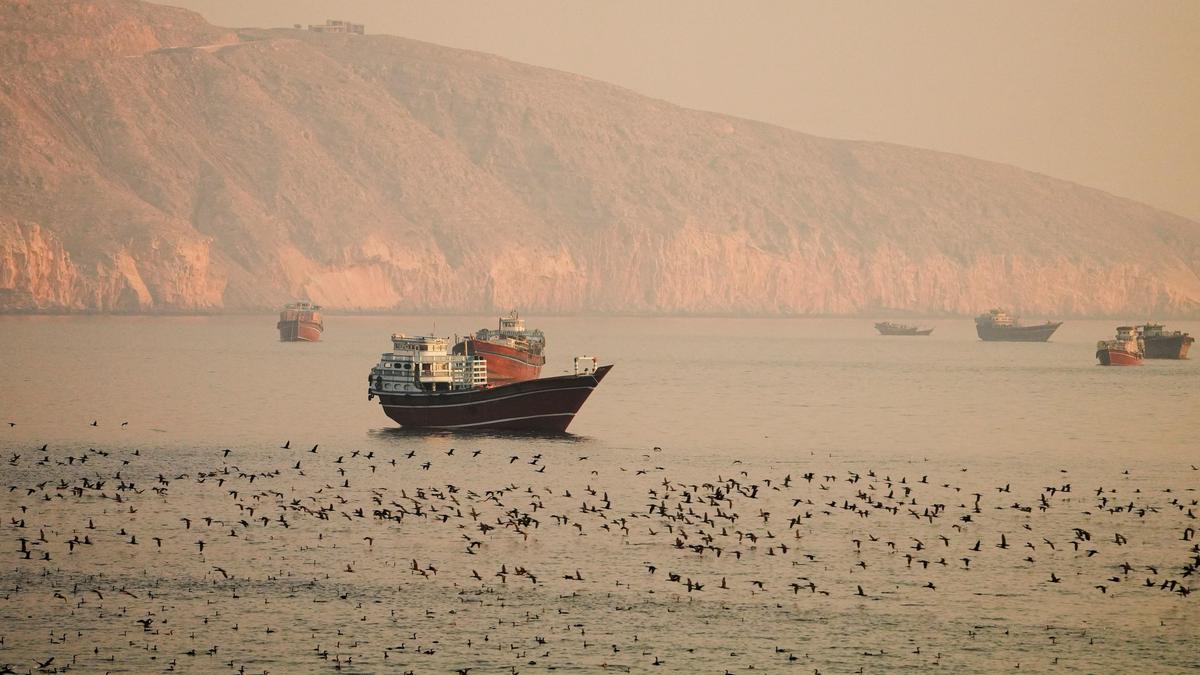
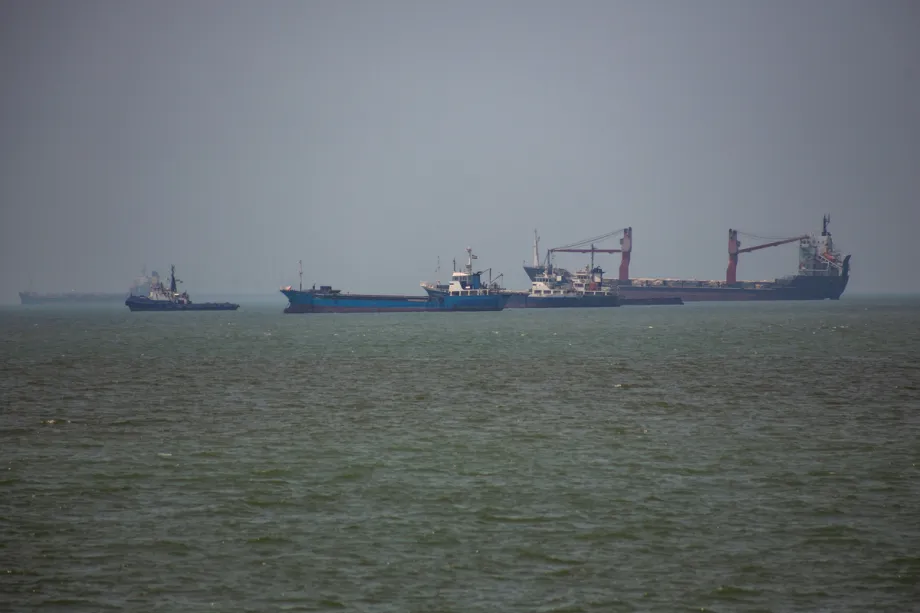
When the United States and Israel opened their war on Iran on 28th February by assassinating Supreme Leader Ali Khamenei, the calculation in Washington was simple: overwhelming force would force capitulation. Nearly six months later, that calculation lies in the waters of the Strait of Hormuz, where a tugboat sits sunk, a dozen seafarers are dead or missing, and a waterway that once carried a quarter of the world’s seaborne oil trade has become the clearest evidence yet that American military dominance does not translate automatically into political victory.
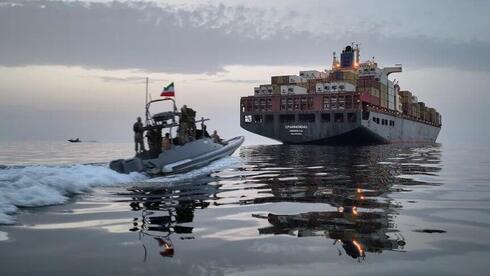
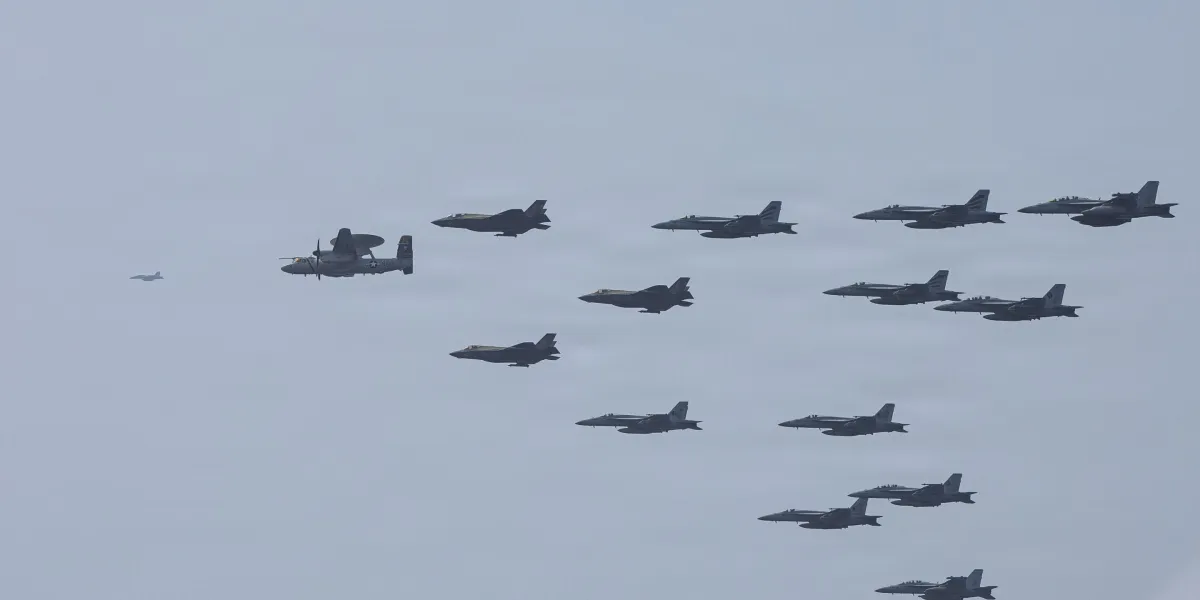
Iran’s response to the assassination of its own supreme leader was not surrender. It was closure. Tehran shut the strait to foreign shipping, and the Islamic Revolutionary Guard Corps declared that any vessel belonging to the United States, Israel, or their allies passing through would be treated as a legitimate target. What followed was not a brief standoff but a war of attrition: US strikes on Iranian ballistic missile infrastructure and drone facilities, Iranian mining operations and drone strikes on commercial vessels, and a naval blockade that has, by turns, been imposed, loosened, and reimposed as diplomacy repeatedly collapsed. By April, US Central Command reported dozens of vessels intercepted and several seized, at a cost to Iran that Washington itself put at roughly $500 million a day — and still the strait did not reopen on American terms.