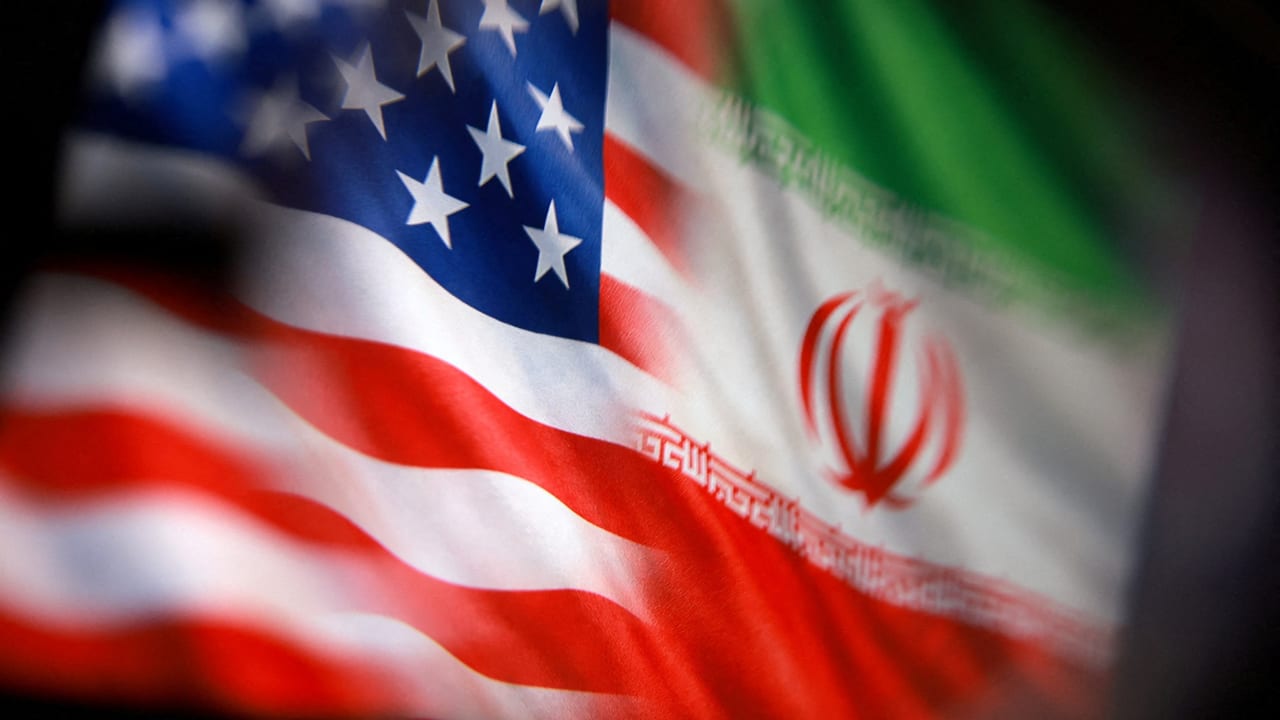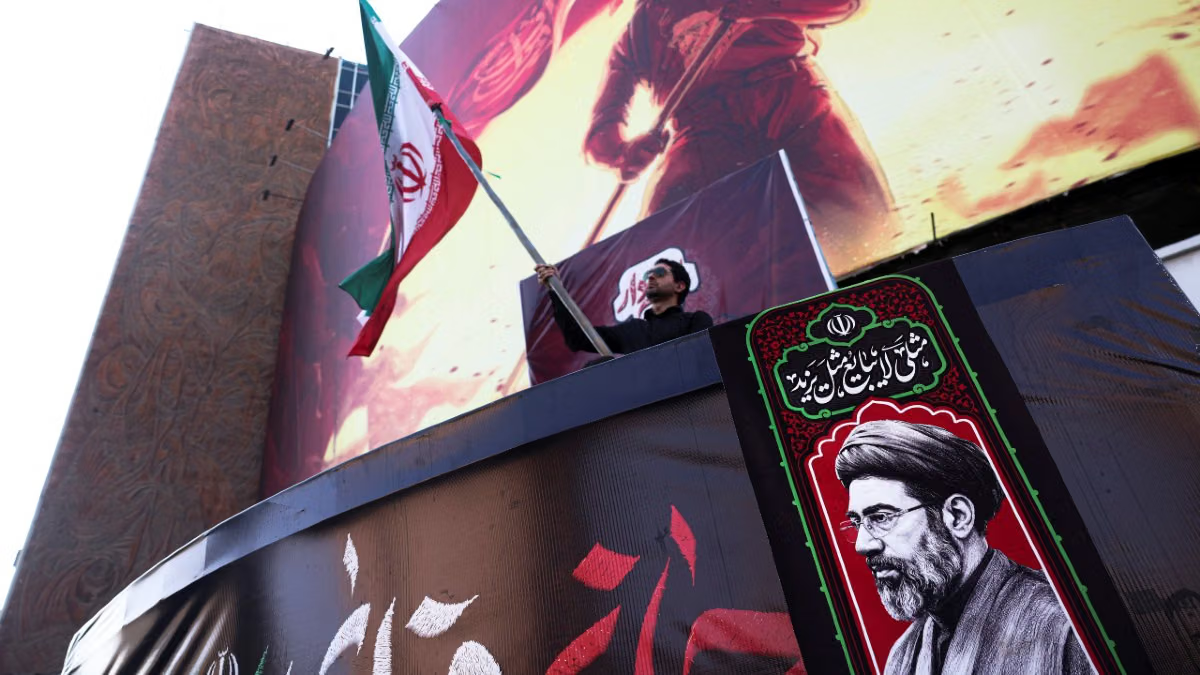
Across ages, scholars of war have returned to a deceptive yet simple question: what does it mean to win? Andrew Mack’s seminal work on asymmetric conflict showed why materially superior powers can lose “small wars” when battlefield dominance fails to produce the desired political outcome; in a later work, Ivan Arreguín-Toft argued that the interaction of strategies, rather than the balance of capabilities alone, often determines who prevails. Mary Kaldor’s formulation of “new wars” complicated the verdict further—contemporary conflict is sustained through dispersed networks, coercive economies and forms of violence that can persist beyond conventional campaigns. Analysed against this literature, the war with Iran has merely changed form and doesn’t offer a verdict on defeat or victory as yet.
While a successful military campaign by the US couldn’t fetch strategic outcomes, the IRGC’s capacity to survive and disrupt does not mean that Iran has escaped an enormous cumulative cost either.The Iran–Iraq War offers Tehran’s own warning. Today, the IRGC’s perseverance in sustaining eight years of bombing without regime change or territorial disintegration is invoked repeatedly. The Revolutionary Guard emerged more powerful and more radicalised, and yet Ayatollah Khomeini described accepting UN Resolution 598 as worse than drinking from a poisoned chalice. Survival and institutional consolidation could not be conflated with strategic success.