In the last few years, lithium has emerged as one of the most crucial metals for the global electric transition.
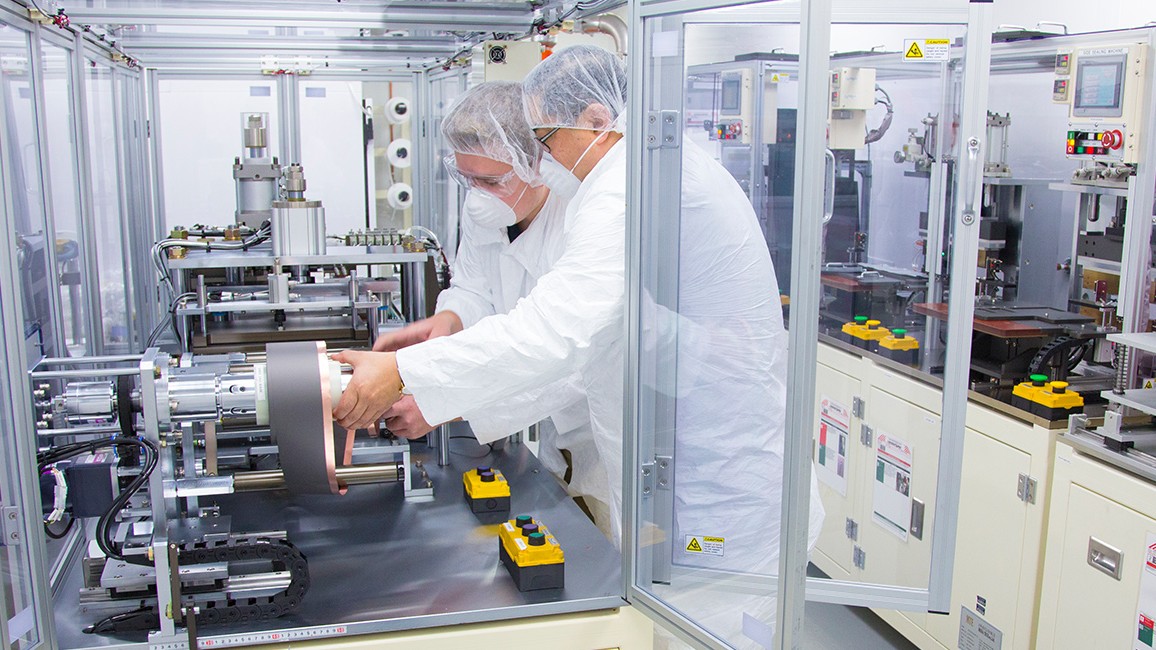
This is mainly due to its widespread usage in electric vehicles (EVs), through lithium-ion batteries. These provide high energy density, a lightweight structure and fast-charging capacity, along with a long cycle life, which supports modern driving range and performance.
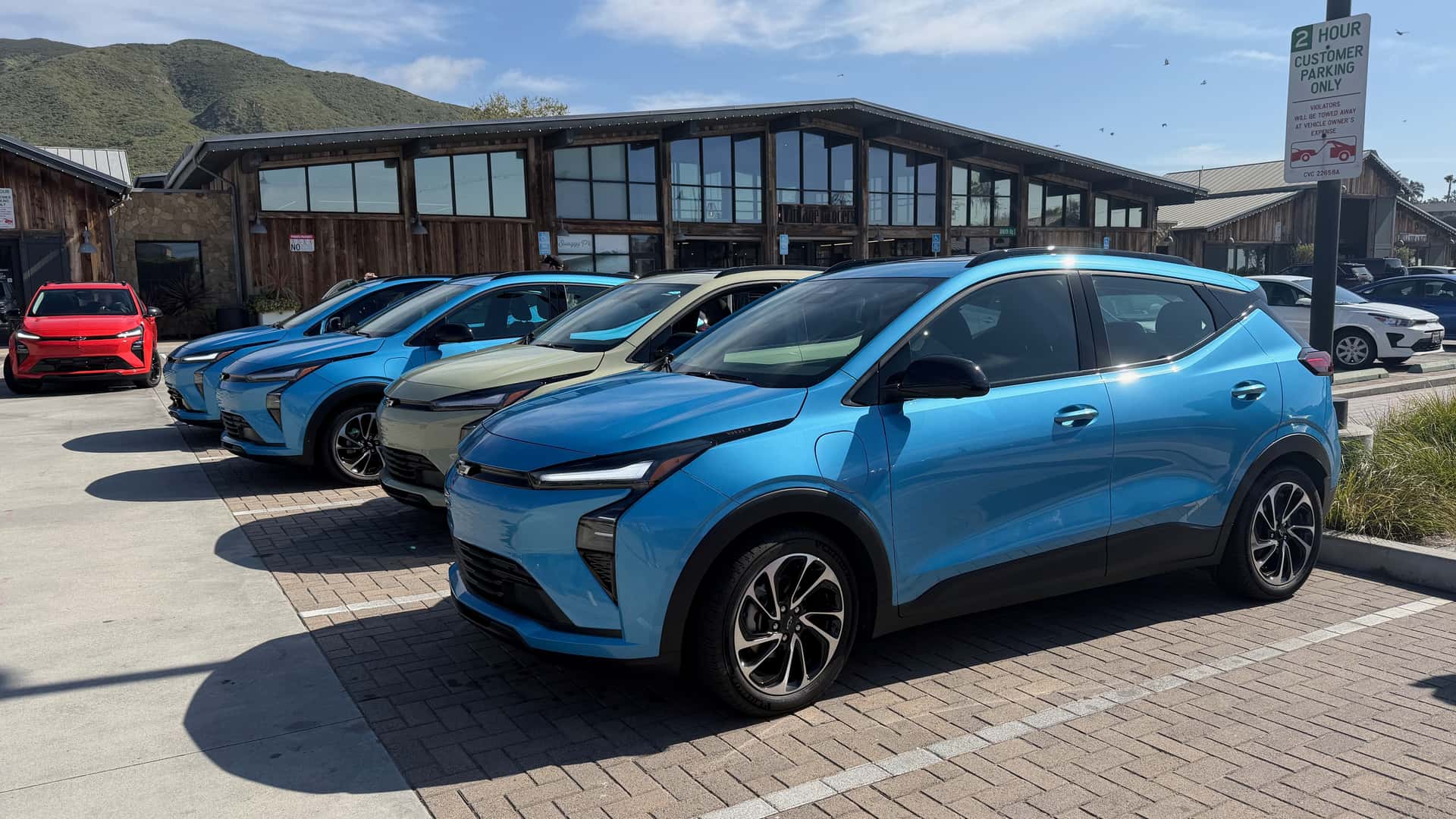
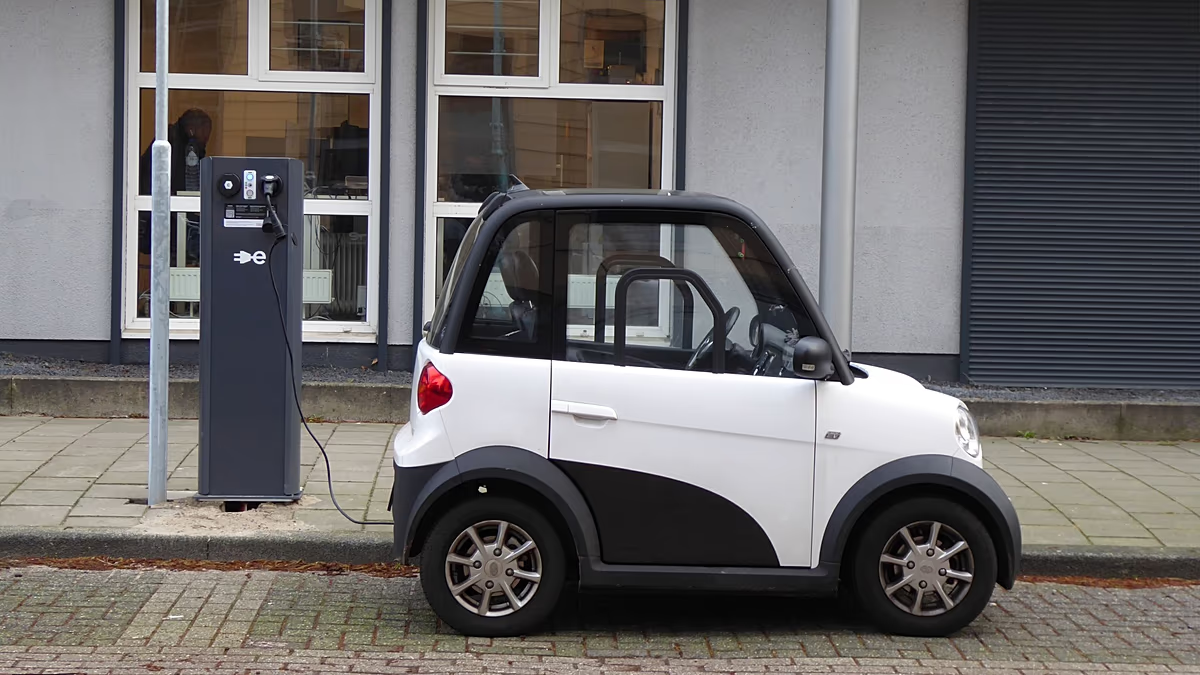
As such, it has become key to achieving widespread, practical advancements in automotive electrification.
However, lithium continues to face vital long-term structural supply challenges, which has led to more EV producers considering other alternatives like manganese and magnesium.
Why magnesium?