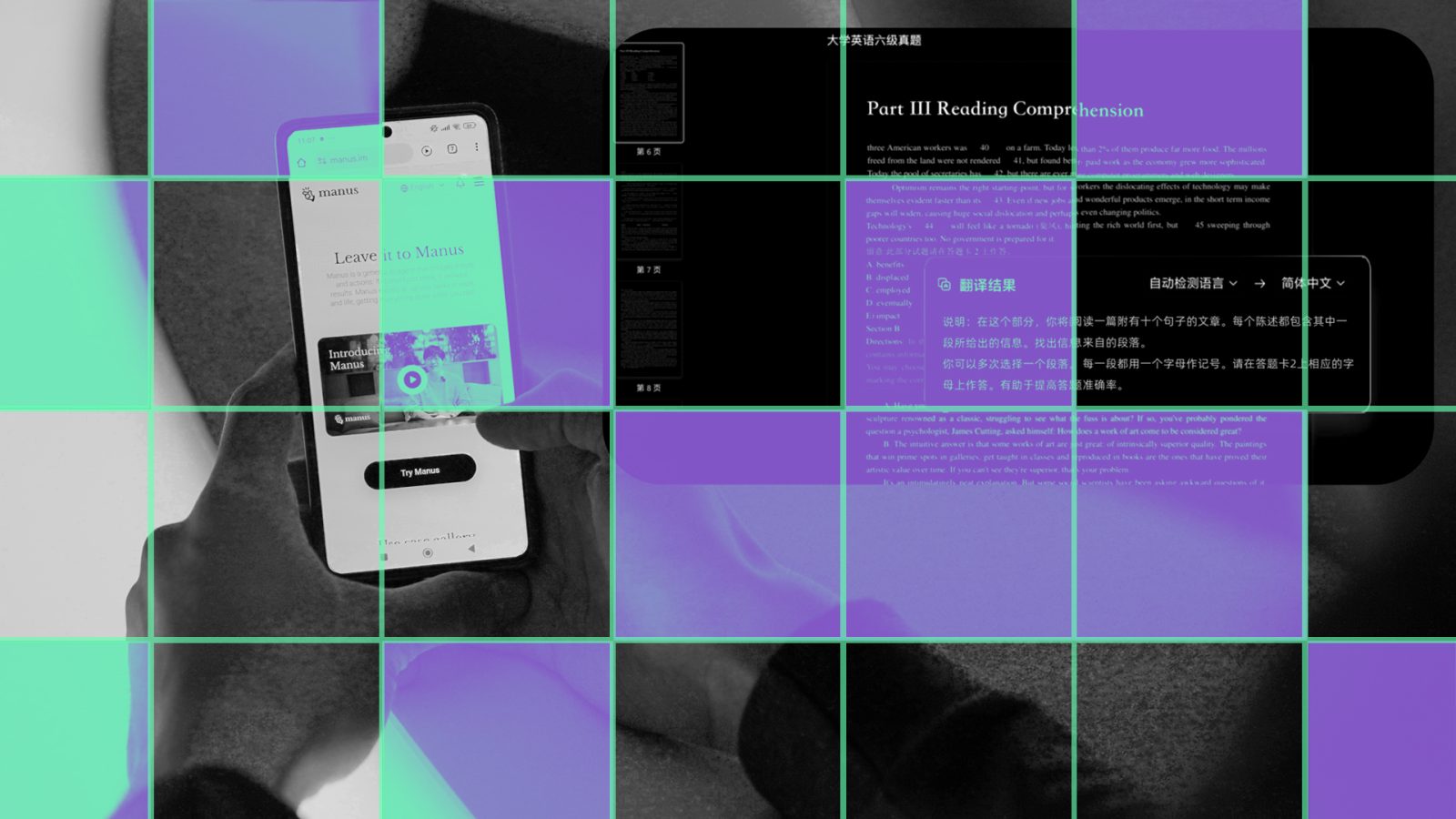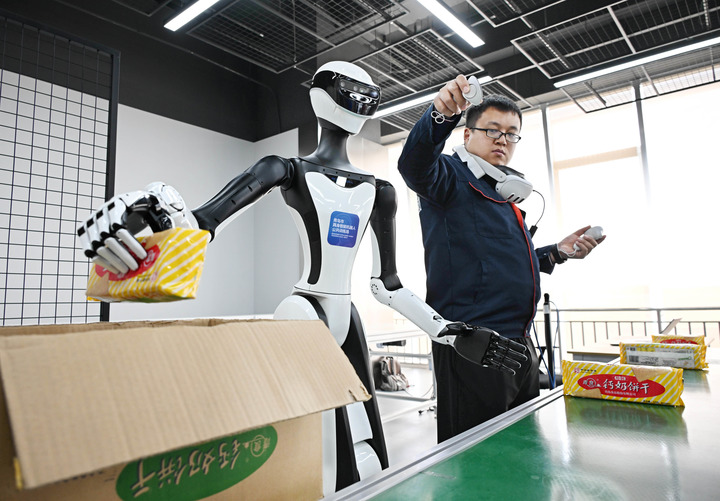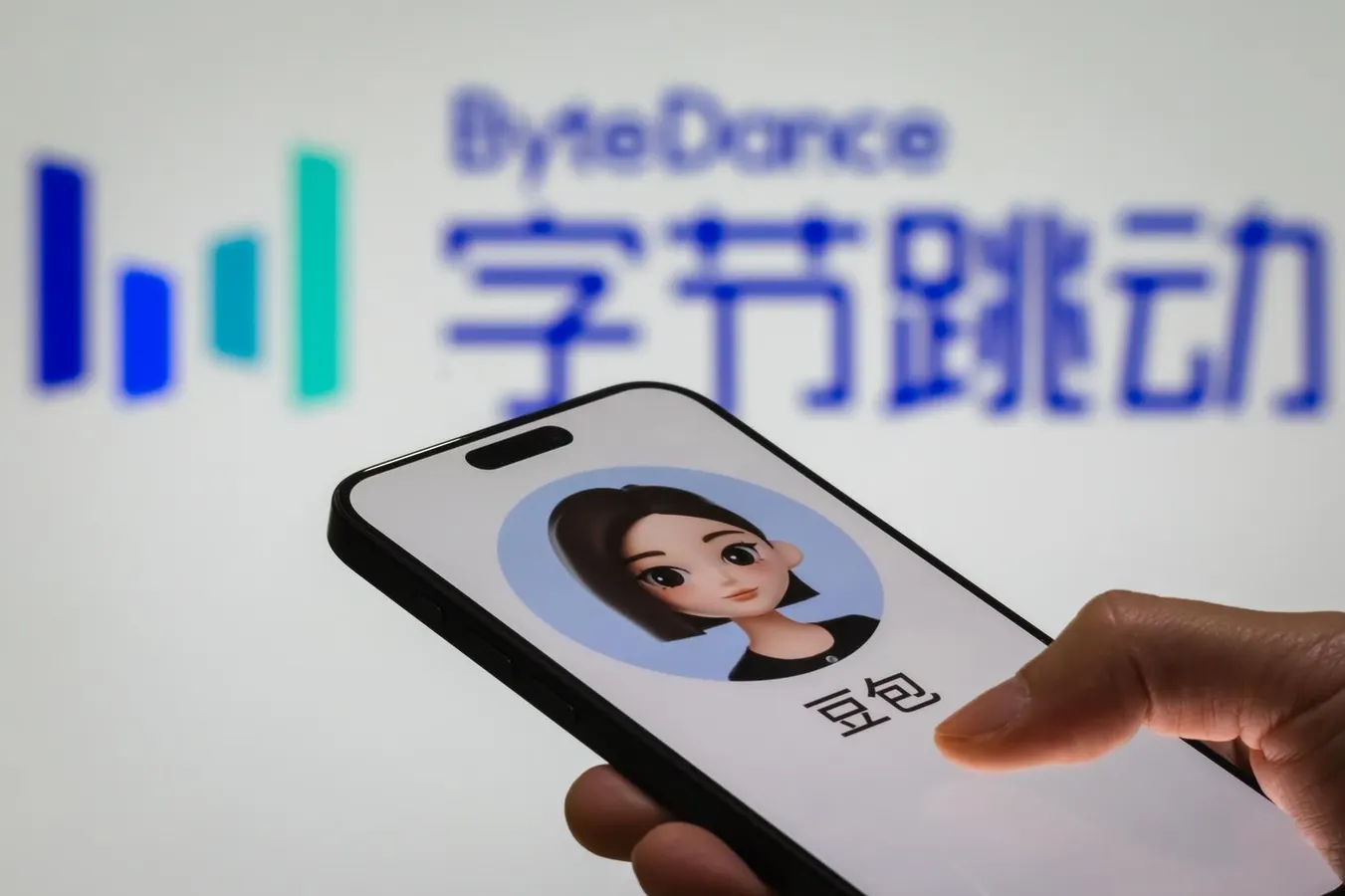
If you have an AI agent, you can tell it to build a website, make a slideshow, or get you a table at a popular dumpling shop in Beijing.
The dumpling shop, called Jinguyuan, has made headlines in China for creating a “skill” that allows users to check out the menu, seek recommendations, or join the queue by talking to their personal AI agents — tools that can automatically carry out tasks on a phone or laptop. Skills are files that teach AI agents specific workflows.
The shop owner, 41-year-old Li Bo, told me he built the AI skill in April, as he witnessed the growing popularity of agentic AI tools. Li began envisioning a world where everybody asks their AI assistant to plan daily work and life, including what to eat. Li wanted his dumpling shop to be part of that future.
“Science and technology are a primary productive force,” Li told me, quoting China’s late leader Deng Xiaoping, who unleashed the historic reforms in 1978 that led to the country’s economic miracle in the following decades. “You always need to surround yourself with the most advanced productive force.”
In many developed countries, AI is primarily associated with job losses, threats to creativity, and sprawling data centers invading rural communities. Outside of the tech industry, relying on AI sometimes evokes a sense of shame similar to cheating. In New York City, where I live, few small businesses advertise how much they use AI, even though on the streets, menus and posters everywhere have the telltale signs of AI-generated imagery and typography.