In other news, Egyptian researchers developed new catalysts for hydrogen production from plastic waste. Asahi Kasei, Perdaman, and Sunfire also advanced electrolysis projects in Japan, Australia, and Germany.
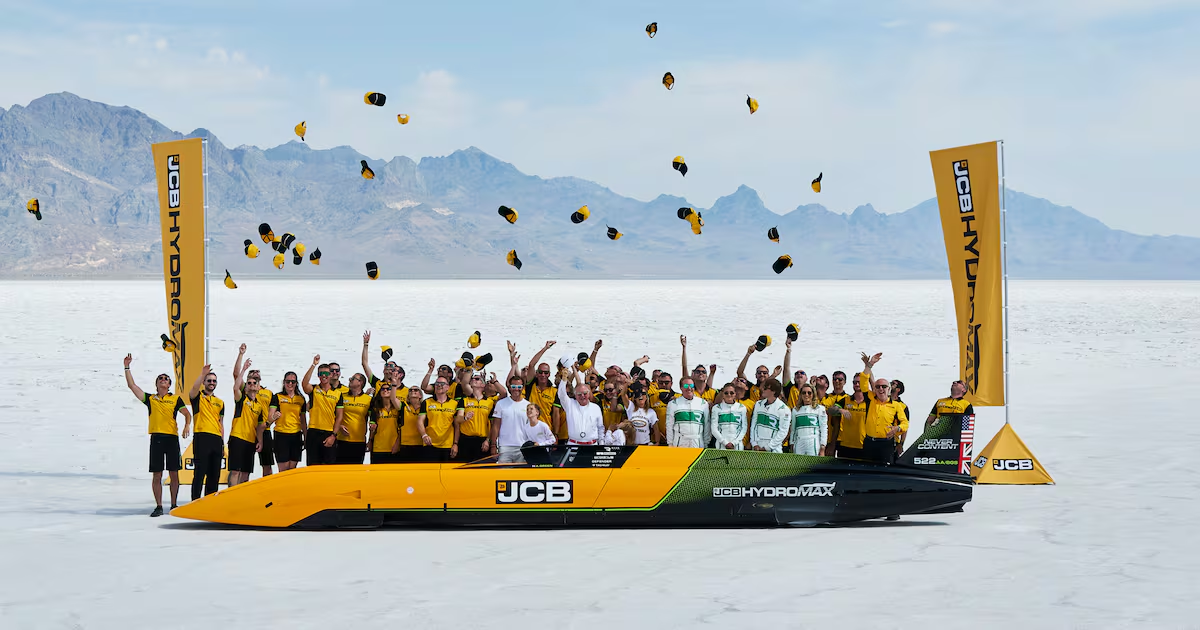
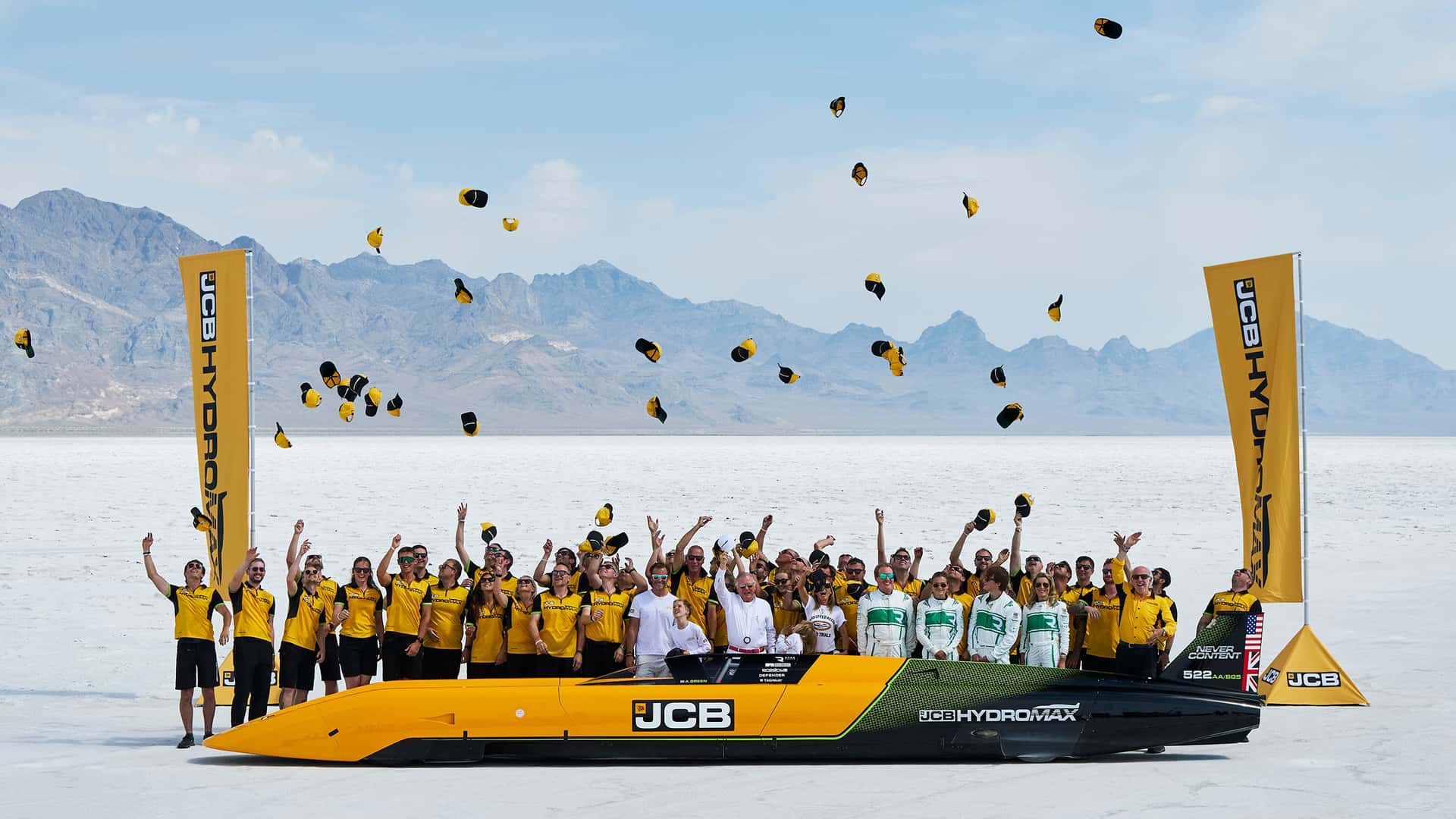
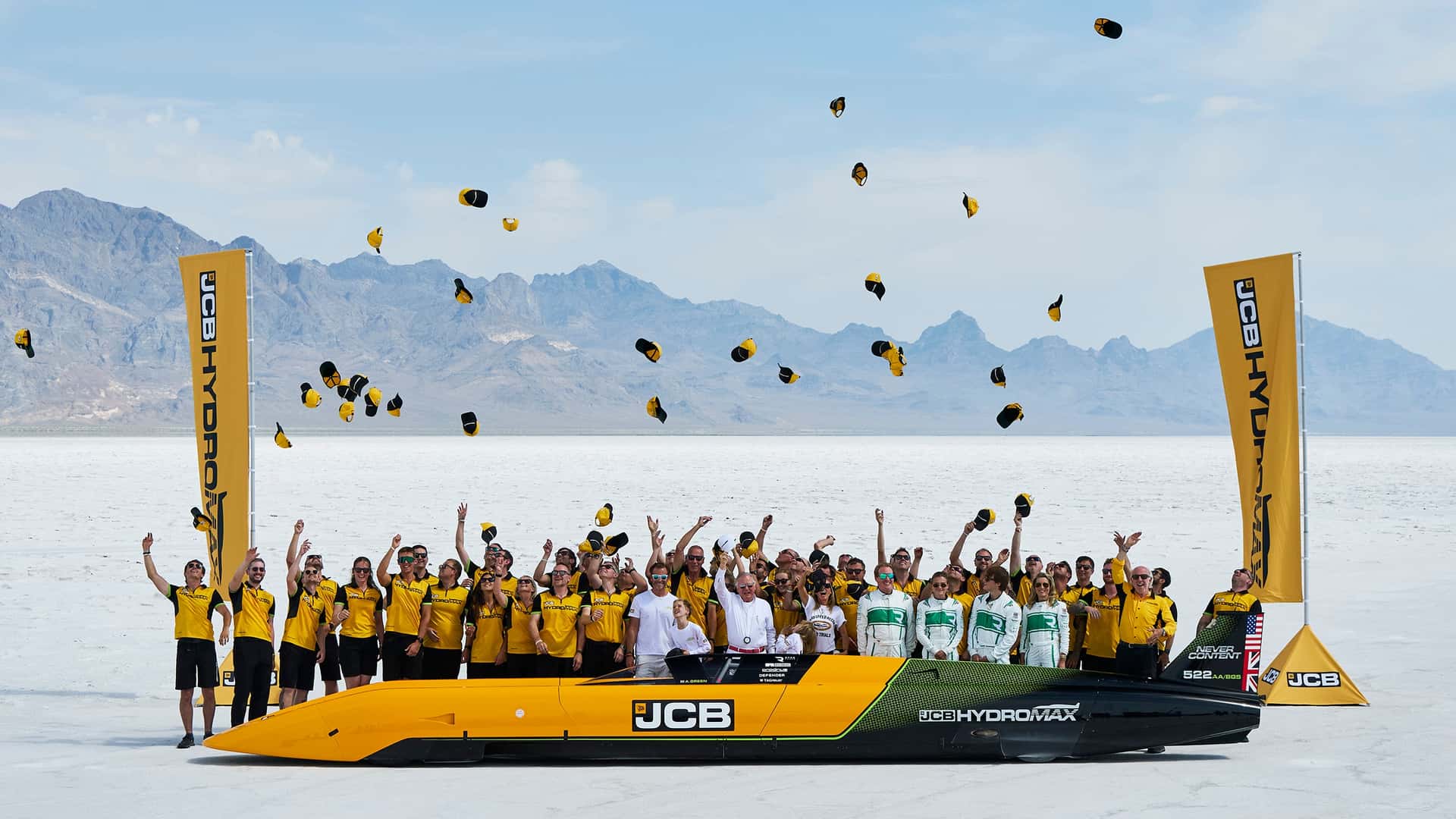
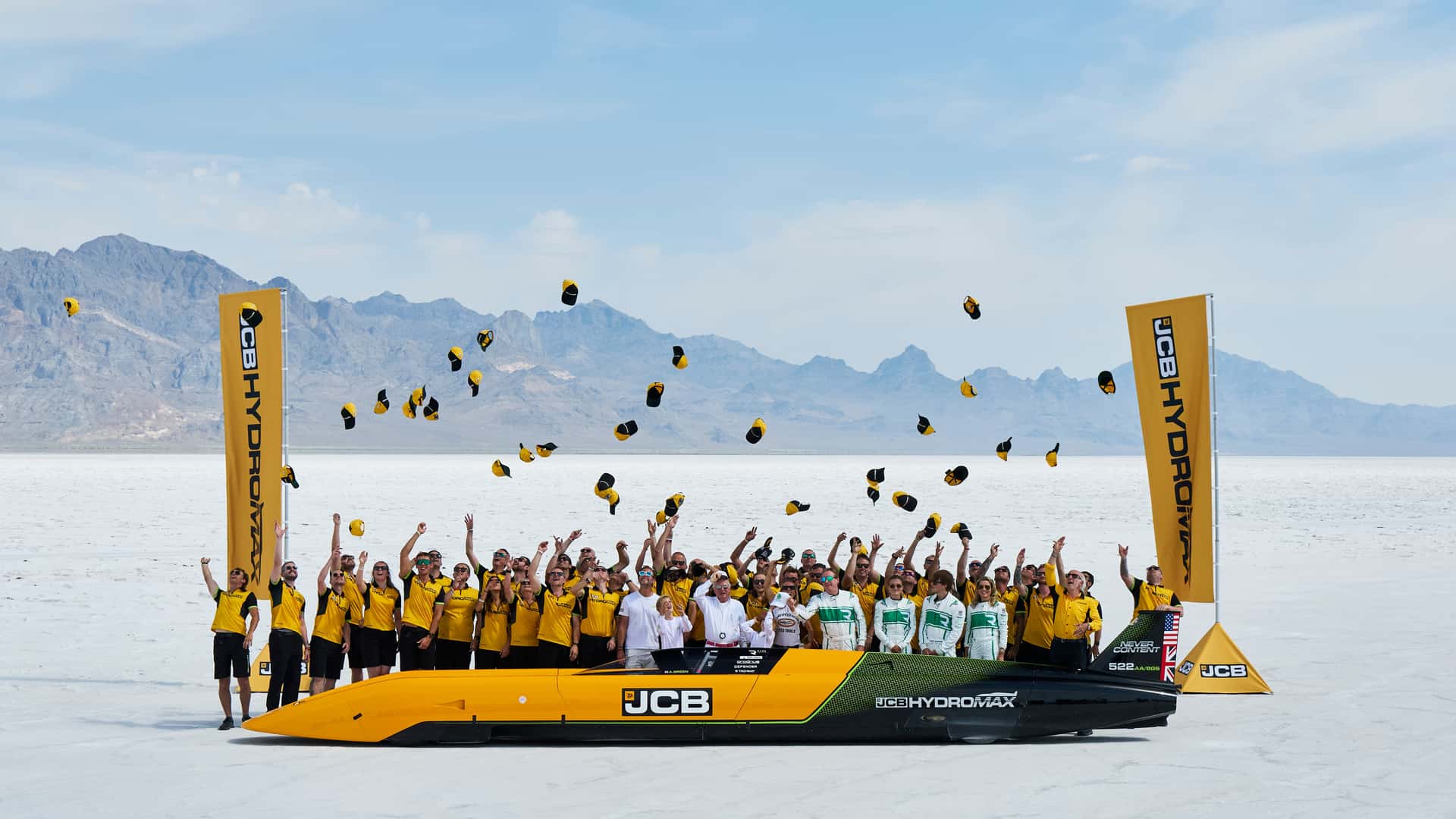
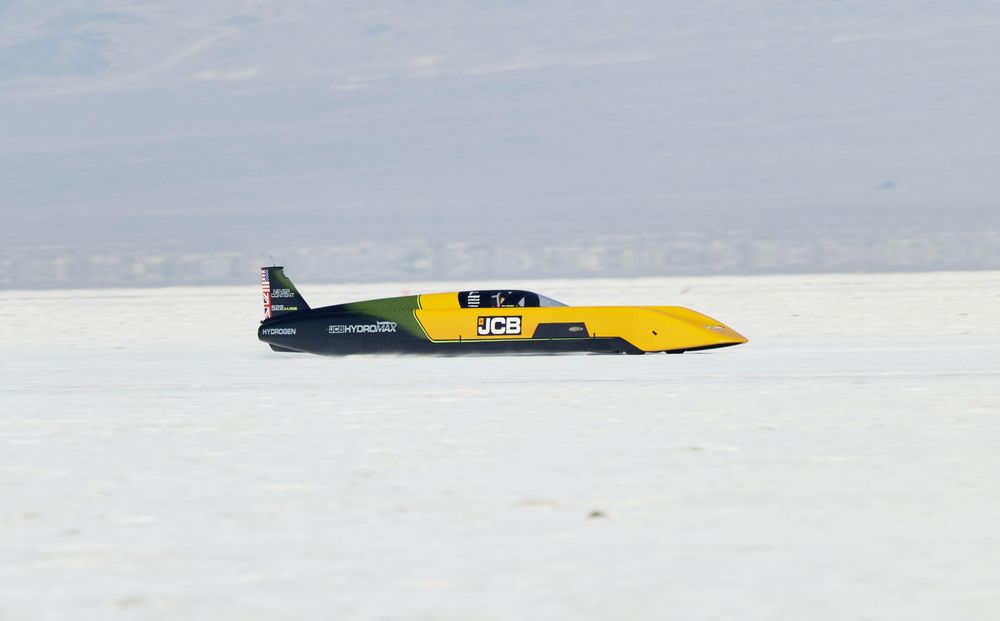
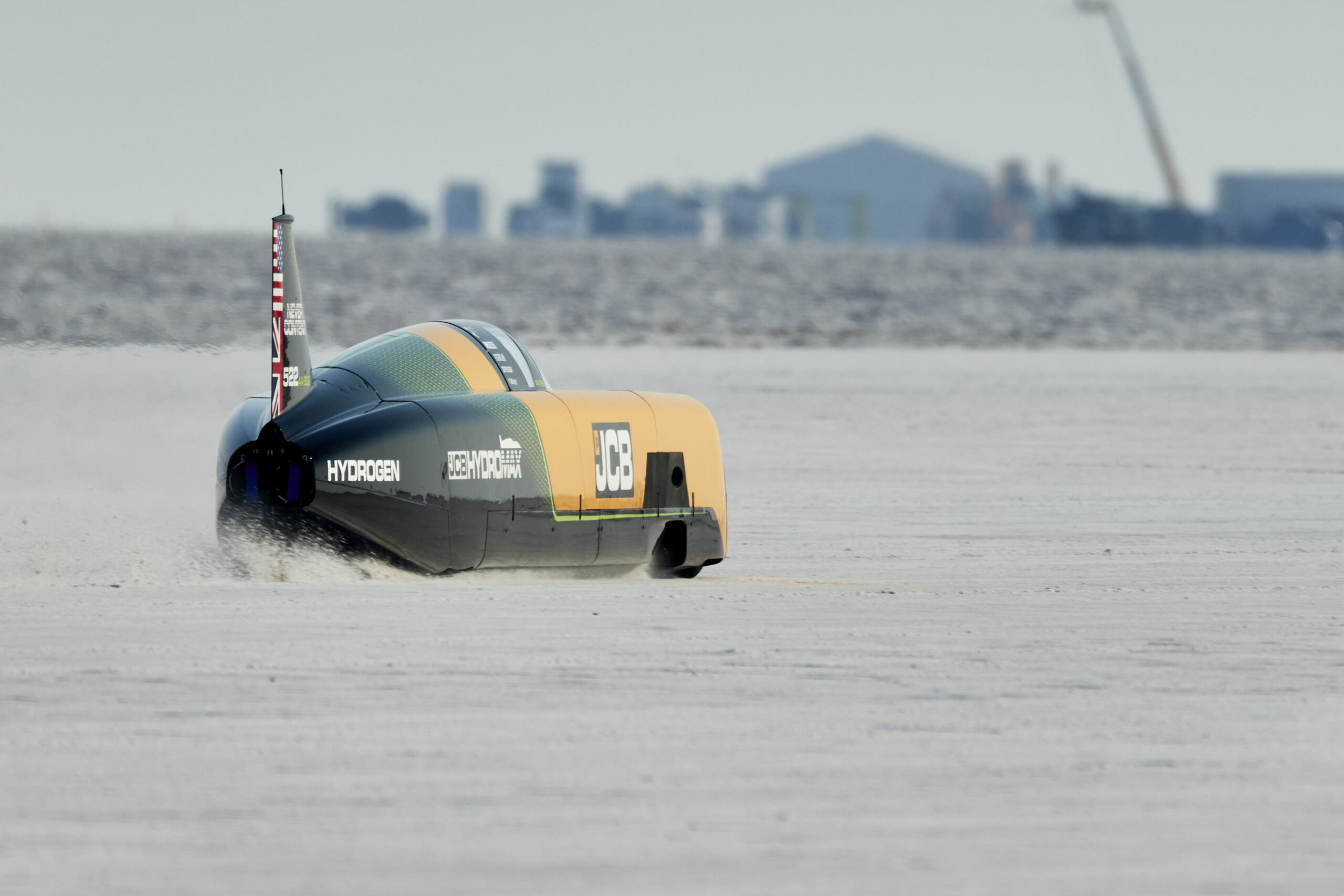
JCB has set a new world land speed record of 406.320 mph (653.90 kilometers per hour) with its hydrogen-powered JCB Hydromax. The car completed two runs across the Bonneville Salt Flats in Utah, the United States. “The twin-engined, 32-foot car completed the two runs required under FIA [International Automobile Federation] rules, comfortably beating the previous FIA-officiated hydrogen internal combustion benchmark of 185.5 mph set by the BMW H2R in 2004,” said the British engineering company. The JCB Hydromax then surpassed the 350.092 mph world diesel land speed record set by JCB Dieselmax in August 2006. “The speed also exceeds the 303 mph hydrogen fuel cell mark, making JCB Hydromax the fastest hydrogen-powered vehicle of any kind in history.” The record is subject to official ratification by the Fédération Internationale de l’Automobile (FIA).
Egyptian researchers synthesized a series of lumina–magnesia (Al₂O₃–MgO) binary oxide supports for catalysts used in methane pyrolysis and hydrogen production from plastic waste. “Among the Al₂O₃–MgO mixed-oxide-supported catalysts, Co–Mo/Al25–Mg75 exhibited the highest hydrogen concentration and produced well-graphitized multi-walled carbon nanotubes (MWCNTs),” the researchers wrote in a paper published in Scientific Reports. Although Co-Mo/MgO exhibited the highest hydrogen concentration overall among the investigated catalysts, Co–Mo/Al25–Mg75 provided the best overall catalytic performance when hydrogen production was considered alongside the yield and graphitization quality of the carbon nanomaterials, the academics wrote in “Dual production of turquoise hydrogen and hybrid carbon nano materials from plastic waste over Co-Mo/Al-Mg catalysts.” According to the researchers, the findings demonstrate that optimizing the Al₂O₃–MgO support can balance hydrogen production and carbon nanomaterial growth during the catalytic conversion of plastic waste.