Read The Diplomat, Know The Asia-Pacific
Political differences do not have to disappear before economic interdependence can deepen.
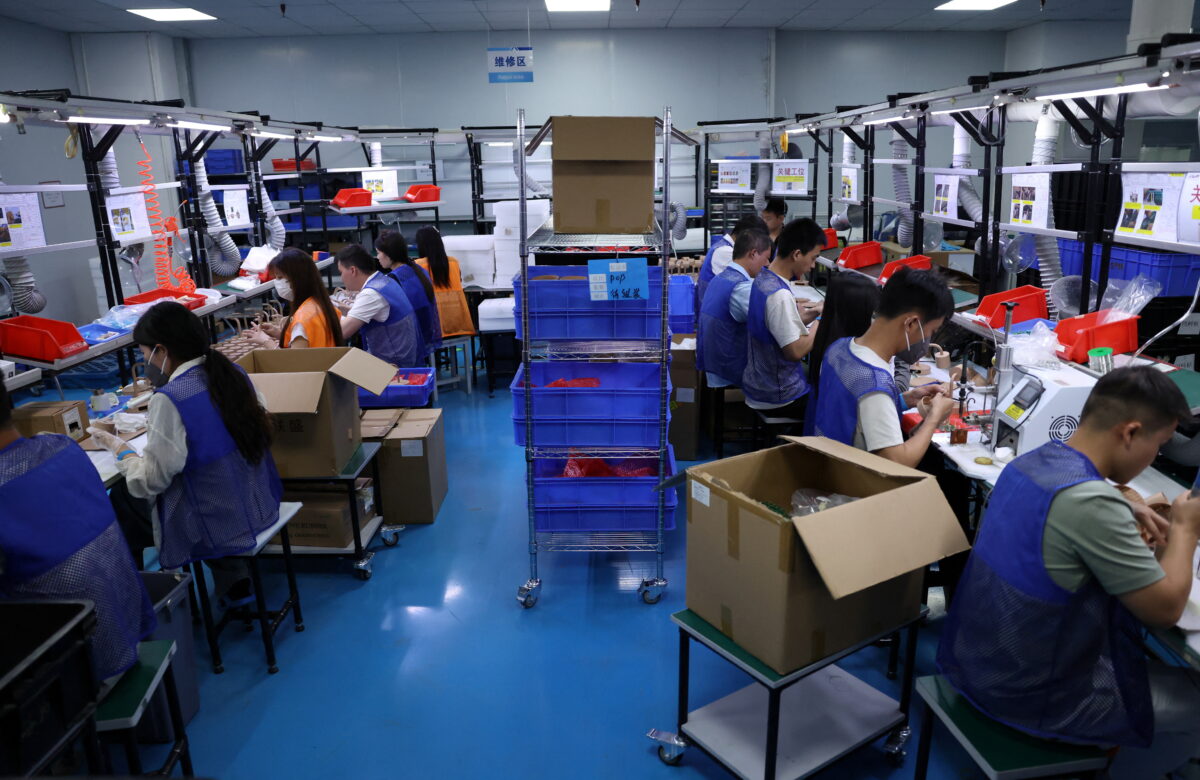
When Asia’s economic transformation is discussed, the focus usually falls on the spectacular numbers: China’s rise to become the world’s manufacturing center, South Korea’s emergence as an industrial and technology powerhouse, or Vietnam’s more recent transformation into a major manufacturing base. Less attention is paid to the infrastructure of interdependence that made this transformation possible. Over several decades, factories, ports, roads, financial institutions and supply chains became connected across national borders, creating an economic geography that was far more integrated than the fragmented political map.
Delving into the question of why is very telling. Asia did not become integrated because its governments necessarily saw eye to eye on regional matters. China and Japan remain, as ever, strategic competitors, India and China continue to face serious tensions, while Southeast Asia more broadly is awash with countries that each hold different strategic interests as top priority, alongside of course, varying political systems. Despite this, economic integration has continued. The Asian Development Bank’s 2026 assessment identified trade as the strongest driver of regional integration, while cross-border investment and production networks continue to deepen economic links across Asia and the Pacific. The ADB also noted that Asia’s trade connections remain predominantly intraregional, reflecting deep and sustained commercial ties.