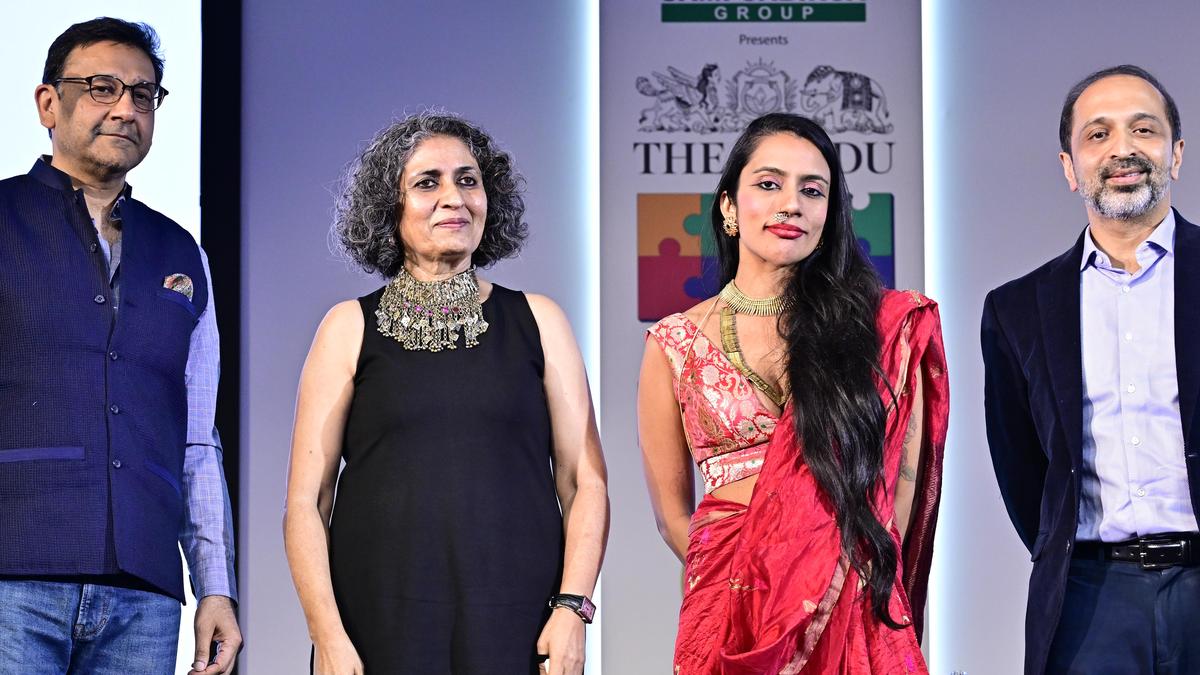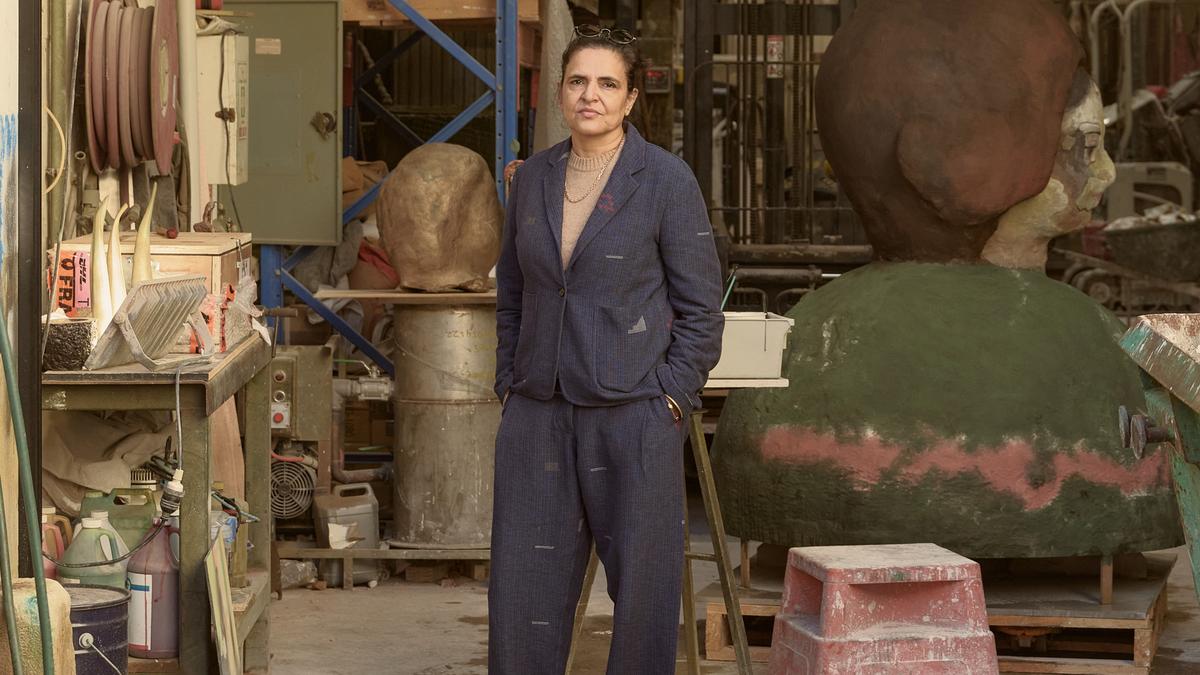
When artist Bharti Kher came to India in 1993, it changed the way she saw and perceived art. Born and raised in London, Bharti’s move to India opened up a new way of looking at identity, culture, material and memory – ideas that would go on to shape some of the most significant works in contemporary art in India and abroad. Bharti has lived in Delhi for close to 30 years now, spending much of her adult life in India, and says the experience of moving between countries has fundamentally shaped her practice. “I am from multiple places, and I think that’s something that comes clearly through my work,” she says. “It’s like your vision is wider in some ways. You’re neither from this place nor from that. You don’t stand with strong identity, ties, allegiances.” For Bharti, that position has eventually become liberating. “I like the expression neither nor,” she says. “I always felt like I’m somewhere sort of in the middle.”
Bharti Kher
| Photo Credit:
Jeetin Sharma
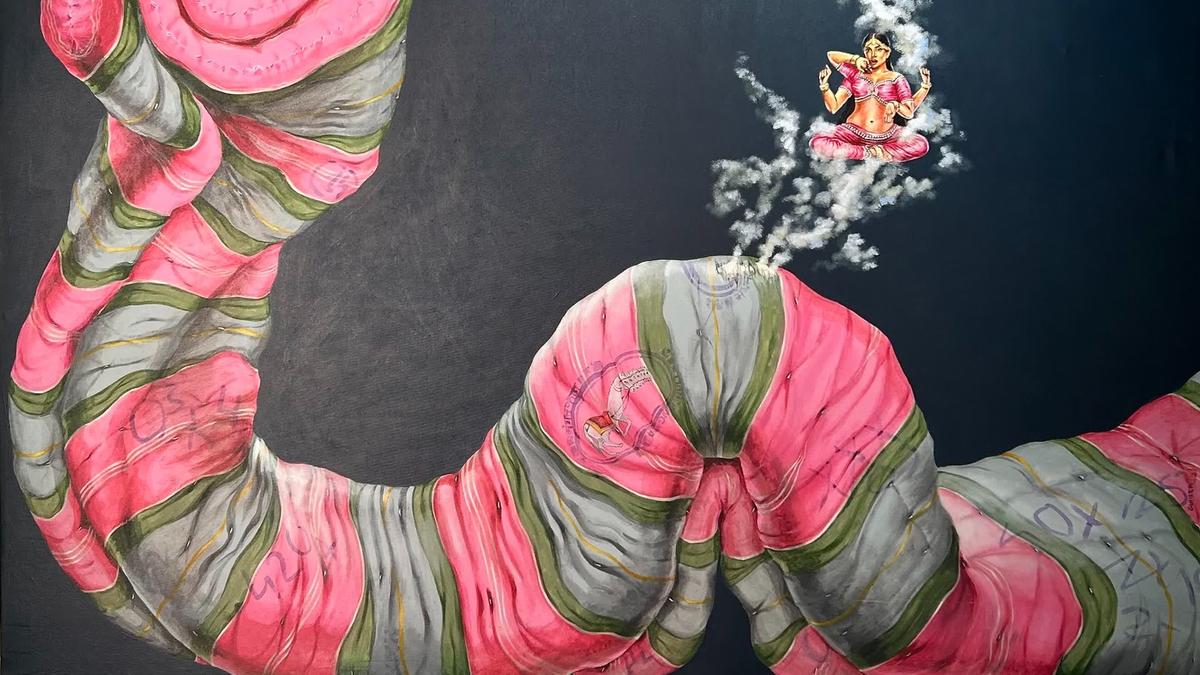
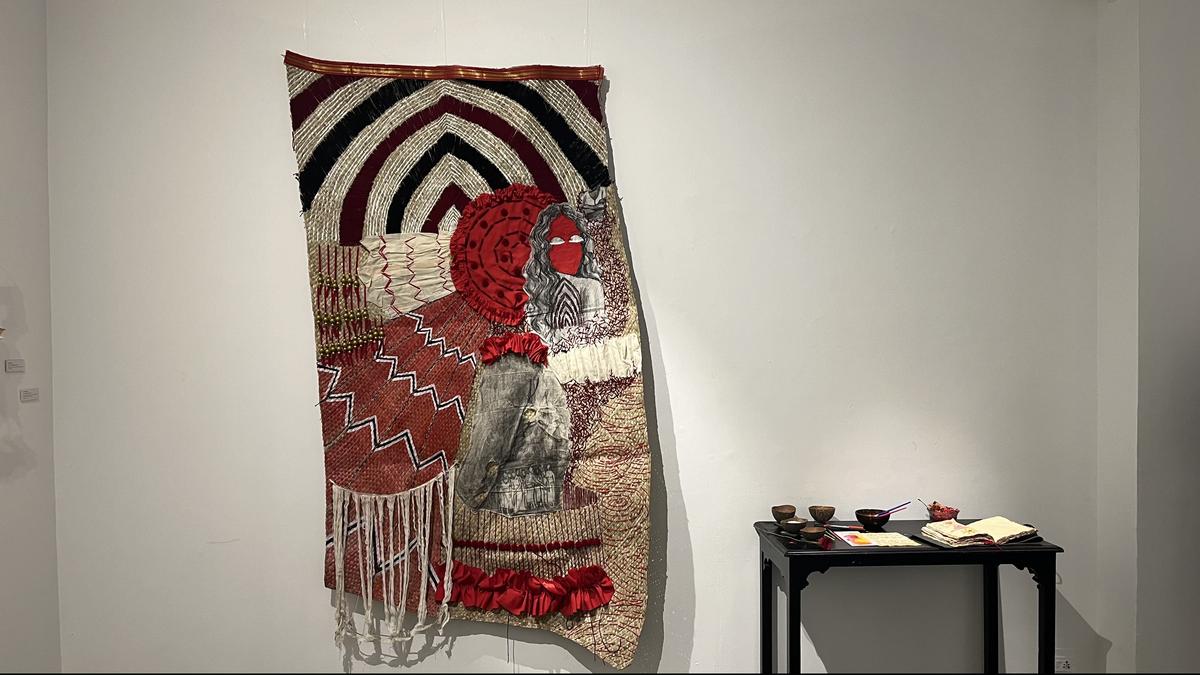
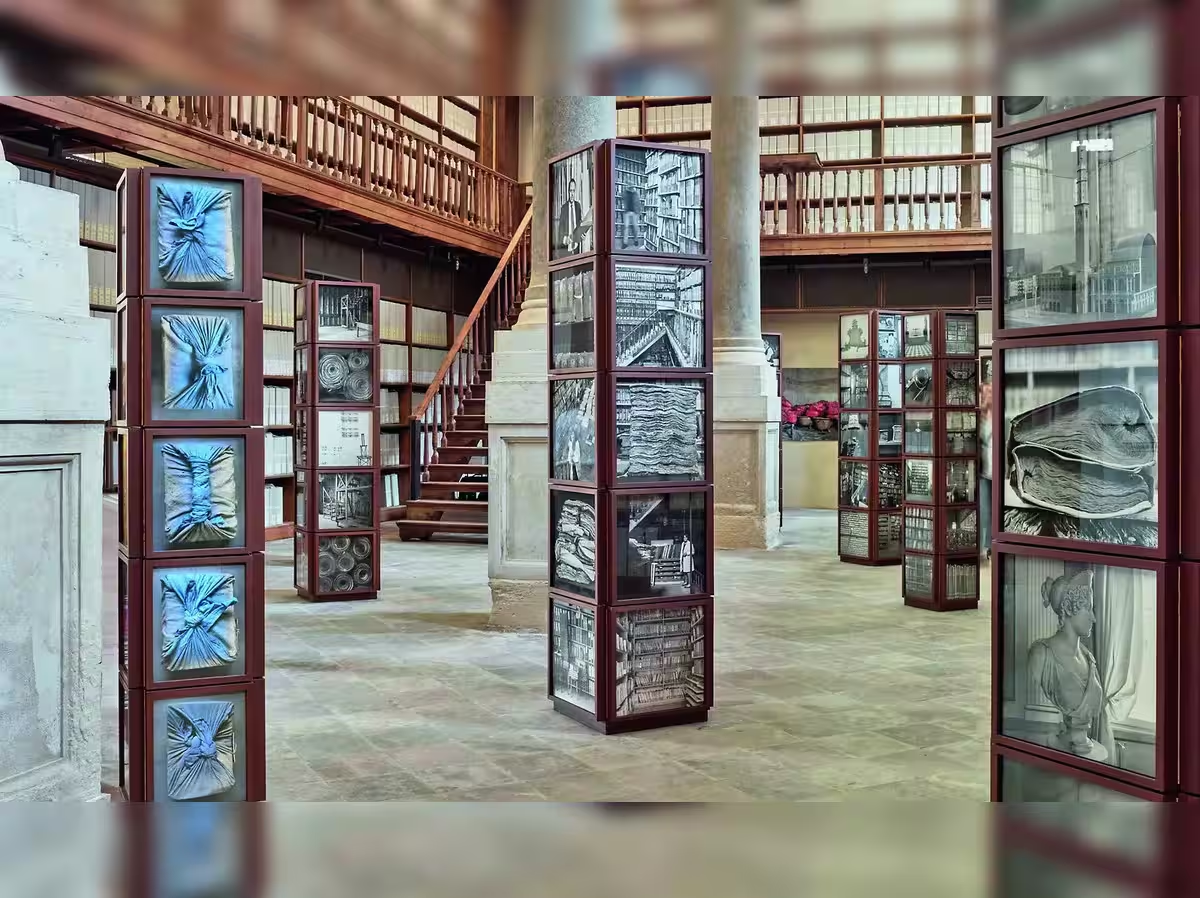
Her experience in India, particularly in Delhi, also taught her to look closely. She describes arriving in a new country as being similar to travelling: you observe, listen and gather clues. “The way to experience a new country is through empathy, closely watching people, listening, and asking questions,” she says. “When you come to a new country, especially if you don’t speak the language, you listen very carefully,” she adds. That attentiveness, she believes, became almost instinctive — “an extra sensory adaptation” that eventually became a way of looking at the world. That openness is central to her approach to materials. Her works often bring together everyday objects, found materials, mythology and surreal elements, objects with lived histories that become something else. “Materiality is central to how I make,” she says. “I believe that objects carry energy and memory and historicity and residue from their experiences being here as much as we do,” she adds.A bindi, a broken object, a fragment of furniture, cloth or even animal forms can enter her studio carrying their own cultural associations. But Bharti is less interested in preserving those meanings than in transforming them. “The transformation is the most important part of my work,” she says. The divine feminine