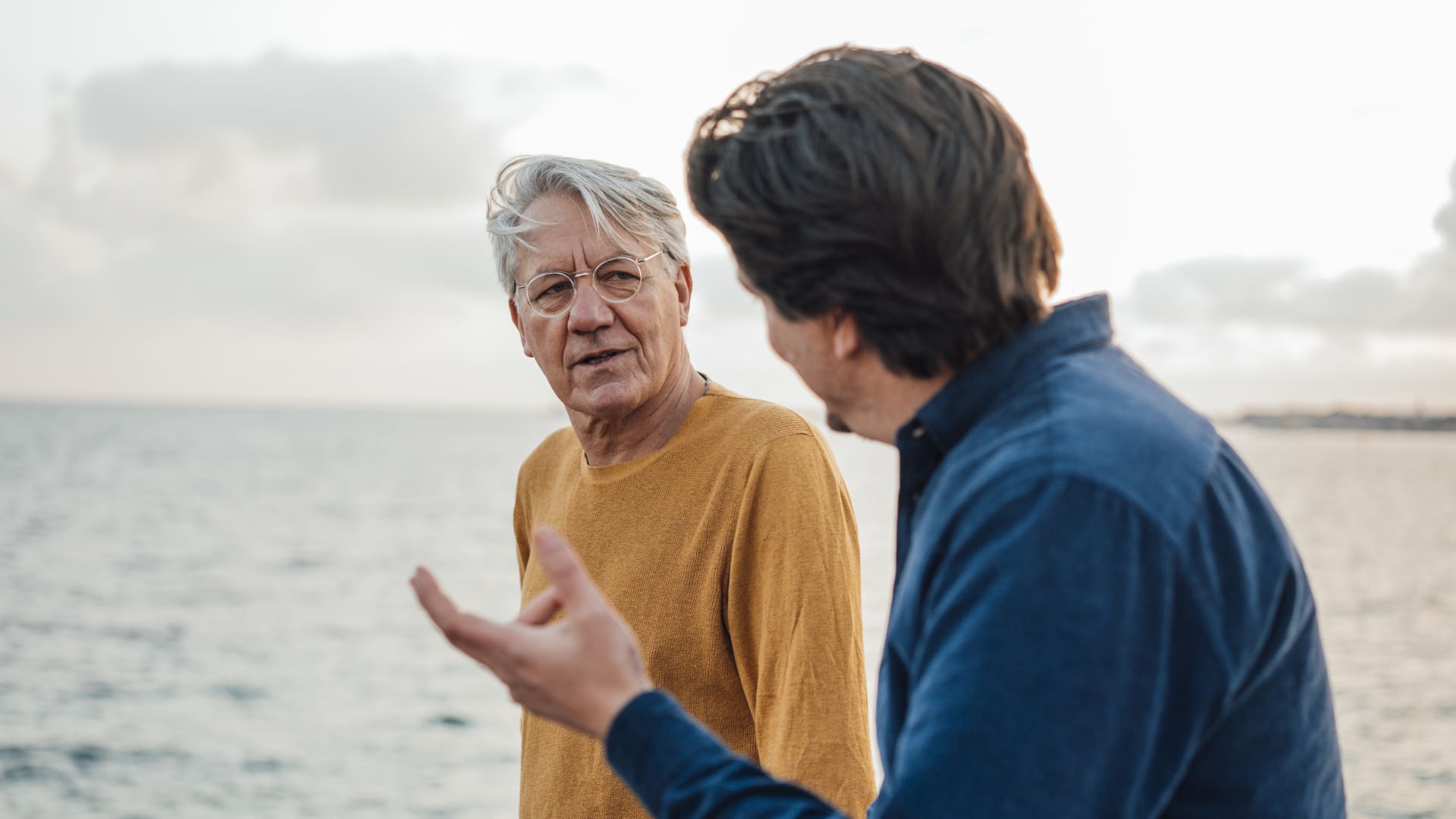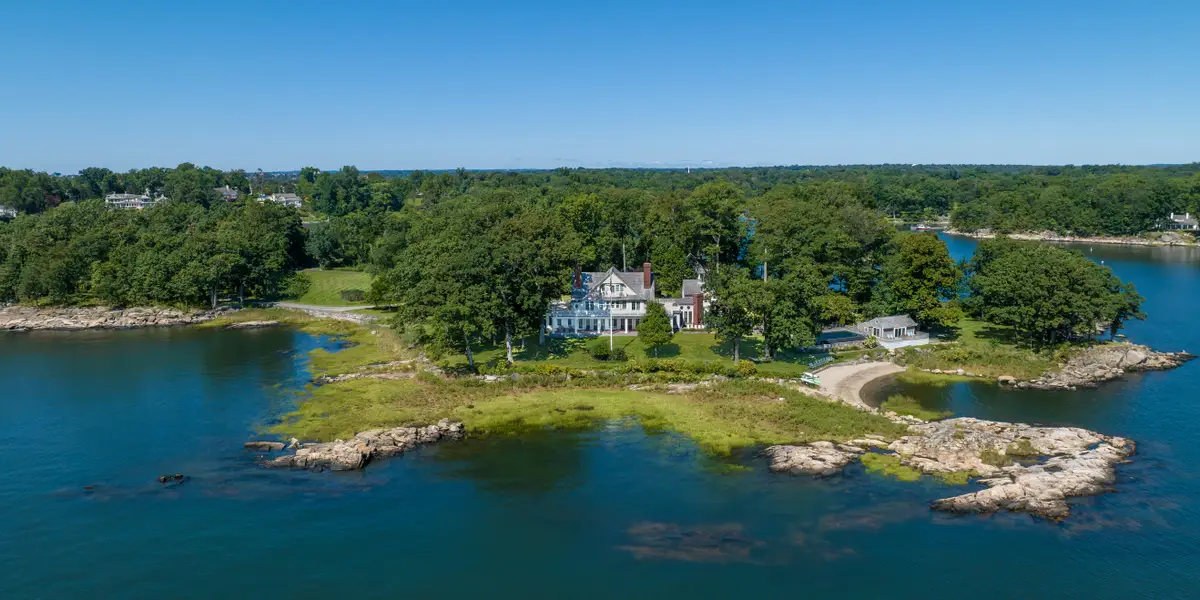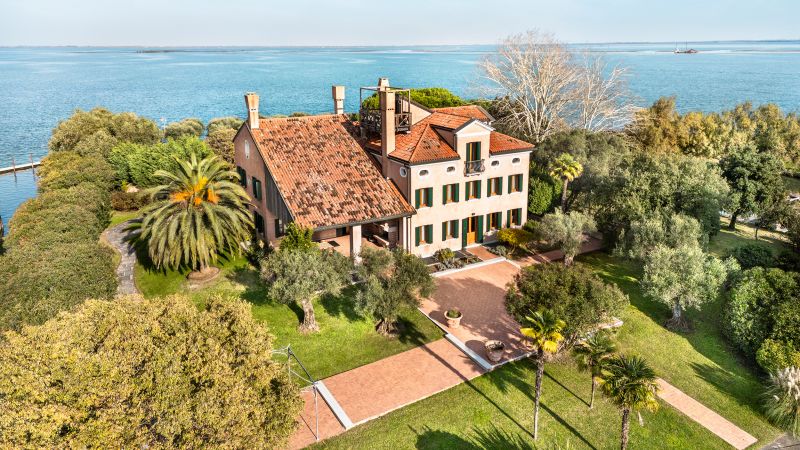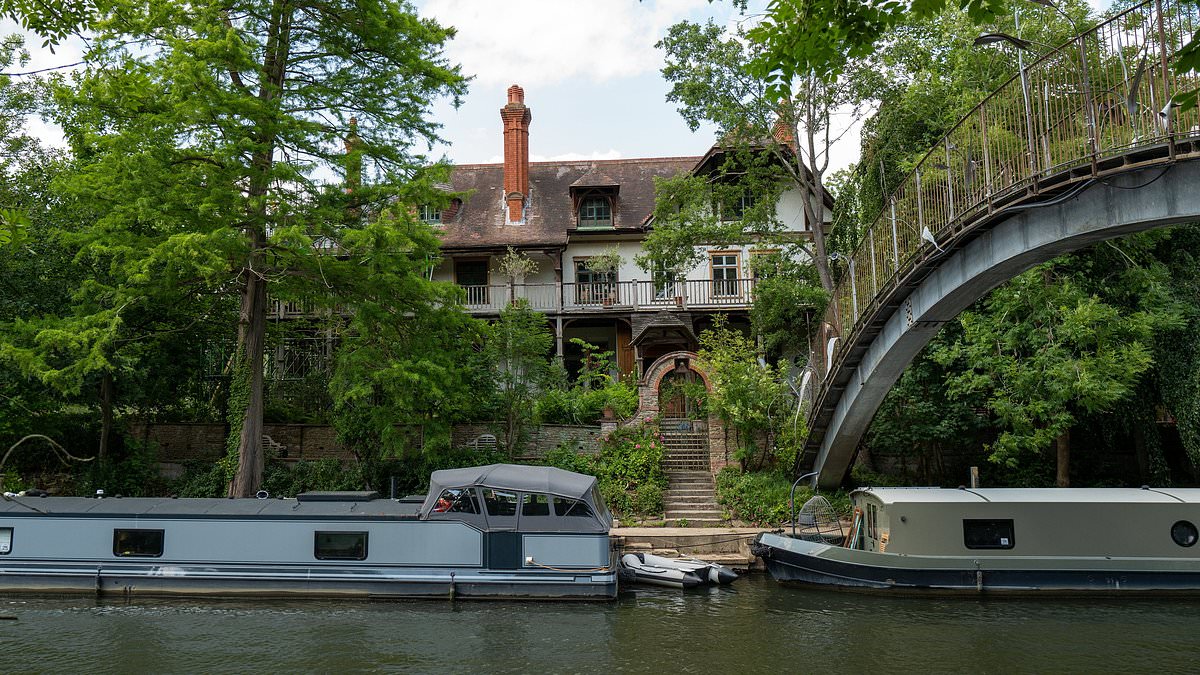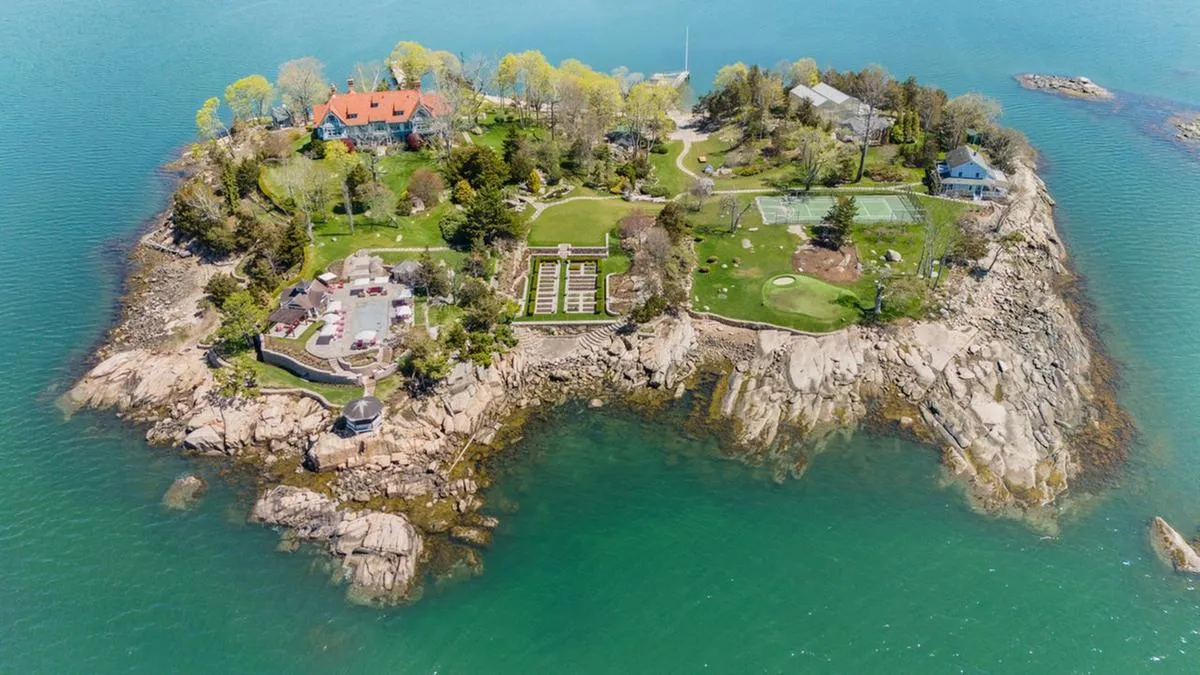
A wave of aging owners is stepping back from the private islands that once anchored their family's summersgettyFor over a hundred years, Hay Island off the Connecticut coast was owned by the Ziegler family, who built their fortune through Royal Baking Powder co-founder William Ziegler Sr. The family first used the 18-acre island as a summer getaway, then made it their home. Several generations spent their childhoods there, enjoying Long Island Sound, two private beaches, a guest house, and a large New England-style house.In November, the family sold Hay Island for $26.5 million. By that time, family members had moved across the country and the island was no longer as important to them. Just two years earlier, the Zieglers had sold Great Island, another family property nearby, to the town of Darien for $85 million. In 2015, Forbes estimated the Ziegler family’s fortune at $2.8 billion.The Zieglers are not the only ones selling private islands. In the Venice lagoon, an Italian island once owned by the late billionaire Gernot Langes-Swarovski is for sale at €24 million. Off Brazil, the family of famous plastic surgeon Ivo Pitanguy is selling his private island for $100 million, the first time it has been on the market in over fifty years. In England, music producer Nigel Frieda is selling Osea Island after owning it for twenty years.Each sale has its own story, but many of these properties share a common thread. Wealthy owners once used their resources and vision to build private retreats that reflected their personalities. Years later, their families have to decide if keeping these places is still the right choice.A few years ago, I noticed a similar trend while reporting on billionaire ranch owners selling off some of America's iconic properties. Even when the land still mattered to the family, younger generations often moved away and were less interested in managing such large properties. Private islands face these same challenges, but everything from hiring staff to handling repairs, utilities, and transportation gets even more complicated when the property is surrounded by water.Wealthy island owners use their islands as extended family retreats often passed down through generations.gettyA Massive Transfer Of WealthThe timing is interesting because a huge amount of property wealth is about to change hands. Coldwell Banker Global Luxury's 2026 Trend Report estimates Gen X and Millennials will inherit about $4.6 trillion in global real estate wealth over the next decade, including $2.4 trillion in the United States. Gen X is expected to receive the largest share soon, while Millennials will become more important as the transfer continues.Meanwhile, younger wealthy buyers seem to value what private islands have always provided: land, privacy, rarity, and control over their environment. According to Coldwell Banker’s 2026 Mid-Year Report, searches for unique properties like private islands went up by 146% compared to last year, and land searches rose by 97%. The company connects some of this demand to a trend it calls “landmaxxing,” where wealthy buyers look for bigger plots or nearby properties to gain more privacy, keep their views, and make space for extended family.When I interviewed Mary Lee Blaylock, President of Coldwell Banker Affiliates, she highlighted a broader shift in how wealthy families view real estate as both an investment and a legacy to pass down between generations.“The Coldwell Banker Global Luxury’s Mid-Year Report 2026 told us that luxury real estate more broadly is increasingly being viewed as a long-term wealth-management and legacy asset,” she said. “We’re seeing affluent families use real estate for geographic diversification, multigenerational living and estate planning, and that they’re placing particular value on attributes that are difficult to replicate, such as land, location, privacy and scarcity.”These four qualities matter a lot when it comes to private islands. They also help explain why a property that one generation lets go can still attract interest from the next.A Swarovski Heir’s Private Island Near Venice Lists for $24 MillionVenice Private IslandIsola Santa Cristina, Venice - €24 MillionFor almost 40 years, Santa Cristina served as Gernot Langes-Swarovski's private getaway in the Venice lagoon. In 1986, the great-grandson of Swarovski founder Daniel Swarovski bought the 72-acre island and spent years bringing it back to life. Rather than just building a lavish vacation home, he focused on restoring its agriculture and ecology.They planted vineyards and orchards, brought back historic fish farming, and worked with Ca' Foscari University on environmental projects. Over time, Santa Cristina turned into a self-sufficient family estate with a nine-bedroom villa, a farmhouse, vegetable gardens, olive trees, an apiary, a private chapel, a swimming pool, boats, and even helicopter access.Langes-Swarovski passed away in 2021, and the family's foundation took over ownership. The island is now for sale at €24 million, its first time on the market in about forty years. Santa Cristina stands out for more than just its connection to the Swarovski family. The island was closely tied to the man who restored it, which can make passing it on more challenging. The next generation of property owners not only inherits history and memories but also assumes the responsibility and costs of maintaining a place shaped by one person's vision.Pitanguy Island: Brazil's Private Island with a James Bond BackstoryBeauchamp EstatesPitanguy Island, Brazil - $100 MillionAmong the islands currently for sale, few make the point as clearly as the retreat created by the famous Brazilian plastic surgeon Dr. Ivo Pitanguy.Pitanguy bought the island in 1973 and spent years making it a private getaway for his family, friends, and guests. For over 50 years, it stayed out of the commercial spotlight and was never run as a typical resort. After Pitanguy passed away in 2016 and his wife Marilu in 2023, the family decided to sell the island for $100 million. This is the first time it has been for sale in more than 50 years.Located off the coast of Rio de Janeiro, the island offers nearly 15,000 square feet of buildings, including six bungalows and nine suites. It also features preserved forest, beaches, an airstrip, a helipad, and a marina pier. The family is presenting it as a private retreat or, with the right approvals, a possible ultra-luxury hospitality property.This shows how these properties can change after they leave the families who built them. Pitanguy’s personal sanctuary could one day become a luxury resort, much like other private estates that are now being used for wellness, conservation, or hospitality.Hay Island's 8,684-square-foot Colonial sits on 18 acres connected to the Connecticut mainland by a causeway. The Ziegler family, which built its fortune on Royal Baking Powder Co., sold the estate for $26.5 million last November.Sothebys International RealtyHay Island, Connecticut - Sold for $26.5 MillionThe Zieglers owned this 18-acre property for over a hundred years. Unlike most private islands, it connects to the mainland by a causeway, so residents have privacy but do not need a boat to get there. In the middle of the island stands a Colonial-style home with 8,684 square feet, plus a guest house, an infinity pool, and two beaches.For many years, the island was a place where the family gathered each year. Over time, though, family members moved away, and it became harder to keep up such a large estate in Connecticut. The family sold Hay Island in November 2025, after already selling nearby Great Island, a 60-acre property that the town of Darien bought for $85 million in 2023.These two sales clearly show how a family compound can lose its practical use, even if the family still feels attached to it. When a property is designed for one family's way of life, it can be hard to keep once future generations stop living or vacationing there.Hamilton Island's 2,800 acres in Australia's Whitsundays now belong to Blackstone, following the Oatley family's roughly A$1.2 billion sale.gettyHamilton Island, Australia - A $1.2 billion saleIn 2003, Australian wine billionaire Bob Oatley bought the 2,800-acre Hamilton Island in Queensland's Whitsundays. Over the next few years, he transformed it into one of Australia’s best-known resort destinations, adding hotels, restaurants, a marina, homes, and even a commercial airport.In late 2025, the Oatley family sold Hamilton Island to Blackstone in a deal reported at roughly A$1.2 billion. I met with Bob's son, Sandy Oatley, during a visit to the island not long after his father passed away in 2016. “When Dad first sailed past here in 1983 as part of a Whitsundays charter, he fell in love with it and eventually built the family estate Balmoral Villa, which had not been used since his death,” he told me.Hamilton Island is different from Santa Cristina or Hay Island because it has grown into a major tourist destination. Still, the main question of succession remains. When one person shapes a property with their vision, the next generation has to decide whether to continue that legacy. In this case, instead of another wealthy family, one of the world’s largest investment firms became the new owner.Rendering of architectural proposals by Nicos Yiatros and Gunnar Groves-Raines of GRAS Architects envision a main residential lodge, a boathouse and jetty on Inchconnachan Island.Sothebys International RealtyInchconnachan Island, Scotland - £2.5 MillionWhen Soho House founder Nick Jones and his wife, broadcaster Kirsty Young, bought Inchconnachan in Scotland’s Loch Lomond in 2020, they intended to create a private family retreat on the 103-acre island. The couple paid £1.55 million and later secured planning permission for a substantial lodge, boathouse and jetty designed to sit carefully within the protected landscape.The plan changed after Jones underwent cancer treatment. Earlier this year, the couple put the island back on the market for £2.5 million, saying they had begun thinking differently about how they wanted to spend their time. Buyers can purchase the island and its approved plans, or pay about £10 million for Jones to oversee completion of the planned retreat.Inchconnachan is particularly relevant to the changing private-island market because this is not an inherited property being passed down through generations. It is an example of how even very wealthy owners can discover that the dream of creating an island retreat changes as their lives do. Jones and Young had already navigated the difficult part, buying the island and securing permission to build, before deciding that the project no longer suited the life they wanted.That leaves the next owner with something increasingly valuable in the private-island world: not simply land and privacy, but an approved path toward turning it into a finished retreat.Osea Island's causeway disappears beneath the tide twice a day, part of what has drawn musicians and celebrities to the Essex retreat.Knight FrankOsea Island, England - £25 MillionOsea Island sits in England's Blackwater Estuary and stands out from other private islands. Music producer Nigel Frieda has owned its 380 acres for about twenty years, turning it into a retreat, hospitality spot, recording studio, and event venue. Osea Island has attracted more celebrity attention than most private estates. Stormzy recorded his album This Is What I Mean there, and artists like Rihanna and Olly Murs have also visited. The island connects to the mainland by a causeway that gets covered by water at high tide, so it is cut off for part of each day.Motu Tane, François Nars' former retreat near Bora Bora, is now marketed as both a private estate and a hospitality property.Private Islands OnlineA New Generation Of Island OwnersMany of today’s wealthy buyers at the top of the market come from backgrounds that are quite different from those of families who dominated luxury real estate 30 or 40 years ago. Some are young technology founders and entrepreneurs, while others work in finance, private equity, or family businesses. More buyers are also inheriting significant wealth in their 30s and 40s. However, having more money does not mean they are less selective.Blaylock explained that today’s affluent buyers pay close attention to the full financial picture when considering a luxury property. “Today’s affluent buyer is discerning across many fronts. Luxury Property Specialists told us that buyers are scrutinizing factors such as insurance costs, inflation, property condition and long-term resale strength more closely. In markets affected by climate events, environmental risk and insurance availability are becoming increasingly important considerations as well.” She also said this careful approach is seen even among the wealthiest buyers: “That selectivity extends even to ultra-high-net-worth buyers. They may have greater freedom to purchase what they want, but our research suggests they are still looking for properties that make sense from both a lifestyle and long-term financial perspective.”That scrutiny matters even more with islands, where infrastructure often taken for granted on the mainland can become a substantial part of the purchase. Farhad Vladi, founder of Vladi Private Islands and one of the world's most experienced private-island brokers, has seen the market broaden beyond the traditional stereotype of oligarchs and billionaires. “Owning a private island is no longer reserved for the ultra-wealthy,” he told me in an interview. “In many cases, it’s comparable to the price of a high-end luxury car.” He also sees clients test the lifestyle before committing. “We’re seeing a clear shift toward experiential luxury. Many clients prefer to rent first, immersing themselves in the island lifestyle before considering a purchase.”Motu Tane near Bora Bora offers a good example of how these personal retreats are being repositioned. The ten-acre former private island of NARS Cosmetics founder François Nars is listed for $37.5 million and includes 22 Polynesian-style structures with interiors by designer Christian Liaigre. It is marketed as both a private family estate and a potential high-end hospitality property. This reflects a broader shift in how buyers think about islands at this level. A property can remain intensely private when the owner wants, while still having the flexibility to generate income or evolve later.Richard Branson turned Necker Island into billionaire culture's best-known retreat, then expanded to neighboring Moskito Island.Virgin LimitedWhy Billionaires Bought IslandsFor decades, private islands have been a status symbol among billionaires, especially entrepreneurs who want more than just another vacation home. In 2012, Larry Ellison bought almost all of Lānaʻi in Hawaii for about $300 million, acquiring most of its homes, businesses, and resorts. Since then, he has used the island for luxury hospitality, wellness, farming, and sustainability projects.Google co-founder Larry Page has chosen a more spread-out strategy. According to reports, he owns at least five islands in the Caribbean and South Pacific. One of them is Cayo Norte near Puerto Rico, which he bought through an LLC in 2018 for about $32 million. Richard Branson made Necker Island in the British Virgin Islands famous as a billionaire retreat. He was just 28 when he bought the 74-acre island in 1978 for $180,000. Nearly three decades later, in 2007, he acquired neighboring 125-acre Moskito Island, which was eventually divided into ten private estates. Branson retained one for his family and sold the others to private owners who share ownership of the island’s common property. Bernard Arnault, meanwhile, owns the 135-acre Indigo Island in the Bahamas. The LVMH chairman purchased it for €4 million in 1999 and reportedly invested about $30 million developing it into a private family retreat, where his extended family gathers for Christmas.These islands are good examples because they show that billionaires are interested in more than just having a private beach. Owning an island lets them control the whole environment, whether they use it for family, hospitality, conservation, or a mix of these purposes.The Real Cost Of Owning A Private IslandThe idea of owning a private island may seem appealing at first, but the reality of ongoing costs can quickly become overwhelming. A 2026 analysis by Private Island Market estimates that a modest, developed island can cost roughly $84,000 to $310,000 a year to operate, while annual expenses on a larger staffed property can exceed $500,000 before major capital projects are considered. Saltwater speeds up rust and wear, plants need regular care, docks face storms and tides, and equipment like generators, solar panels, and desalination systems will eventually need replacing. In remote areas, even basic building materials and heavy machinery often have to be brought in by boat. Insurance can also be costly or hard to get, especially in places prone to hurricanes.Blaylock warned that the asking price is just one part of the equation. “With a property as unique as a private island, value goes well beyond the asking price. Buyers need to consider the full ownership picture, including accessibility, infrastructure, utilities, permitting, staffing and ongoing maintenance, and understand what additional investment may be required to make the property work for their lifestyle. What looks inexpensive on paper can be very different once those factors are taken into account.”These expenses add up whether a family stays on the island for months or just a few weeks. Things can get even more complicated when several children or grandchildren inherit the property. One part of the family might visit every summer, while others hardly come at all, but everyone is still responsible for upkeep. Over time, a place that once felt like a family retreat can turn into a big financial and practical burden.For families who have owned these islands for decades, selling does not always mean giving up their legacy. Sometimes it just means recognizing that the next generation has different ways of living. Meanwhile, younger wealthy buyers are searching for exactly what these islands offer: privacy, space, and a break from the outside world. The islands themselves stay special. The difference is who gets to shape their future.MORE FROM FORBESForbesThe 15 Best Off-Grid Destinations For 2026, Per Lonely PlanetBy Jim DobsonAging families selling private islands
Why Aging Wealthy Families Are Selling Their Iconic Private Islands
From a Swarovski billionaire’s retreat in the Venice lagoon to a Connecticut island owned by a $2.8 billion American dynasty for over a century, some of the world’s rarest family properties are changing hands as a younger generation of wealthy buyers moves in.
2,909 words~13 min read