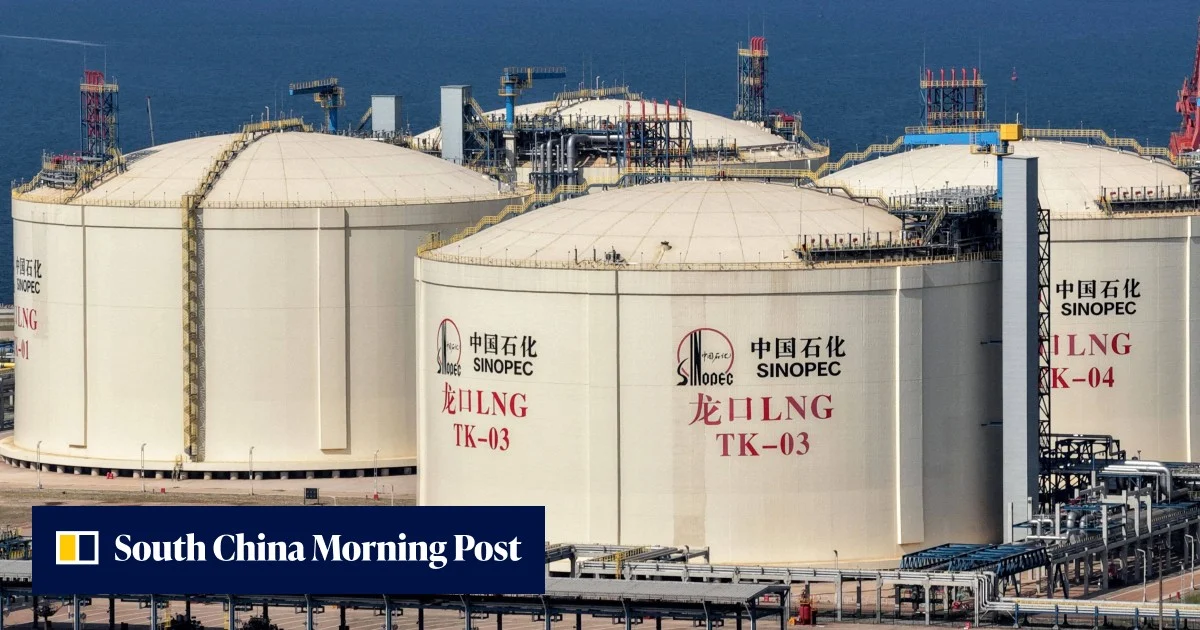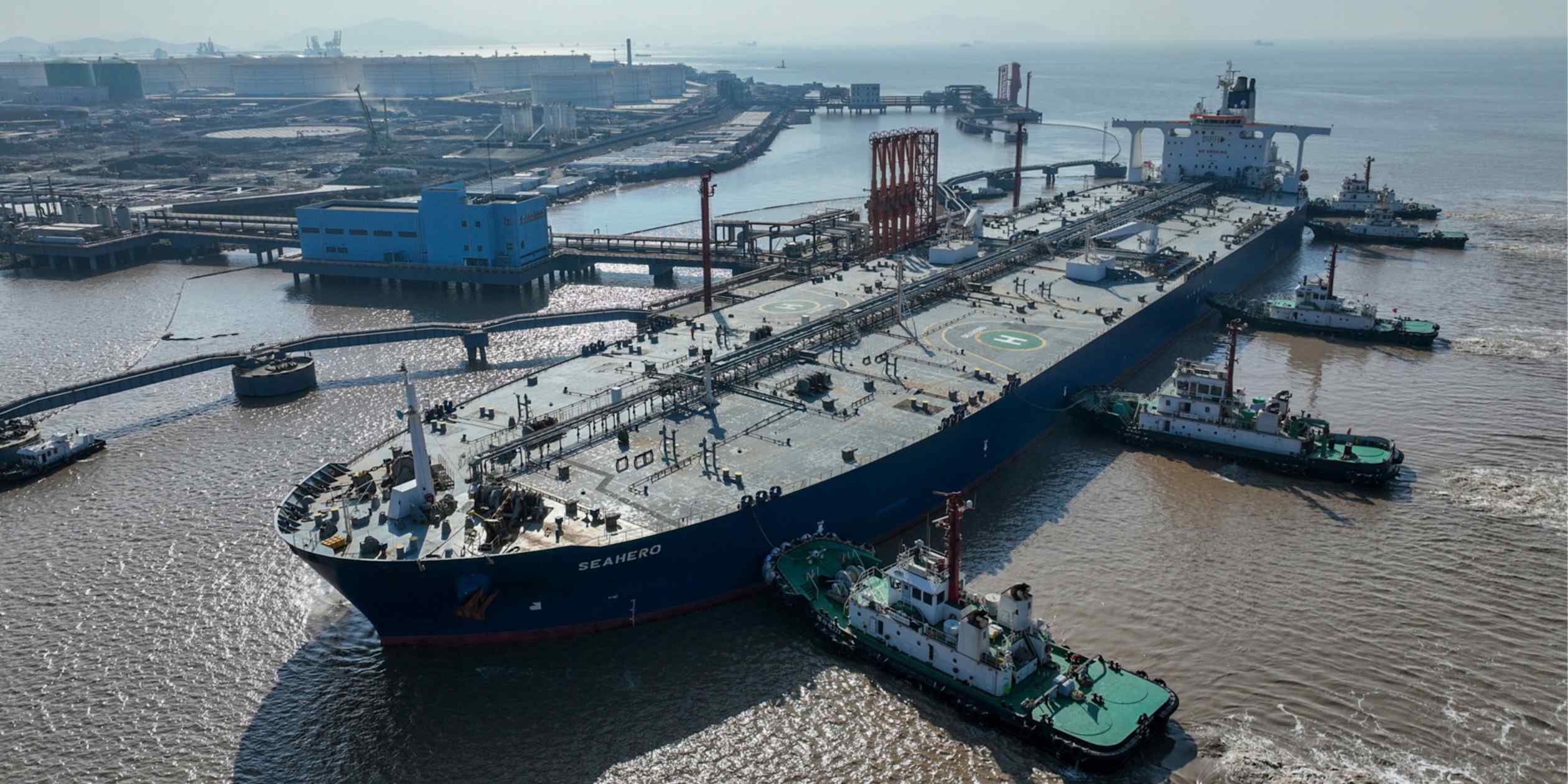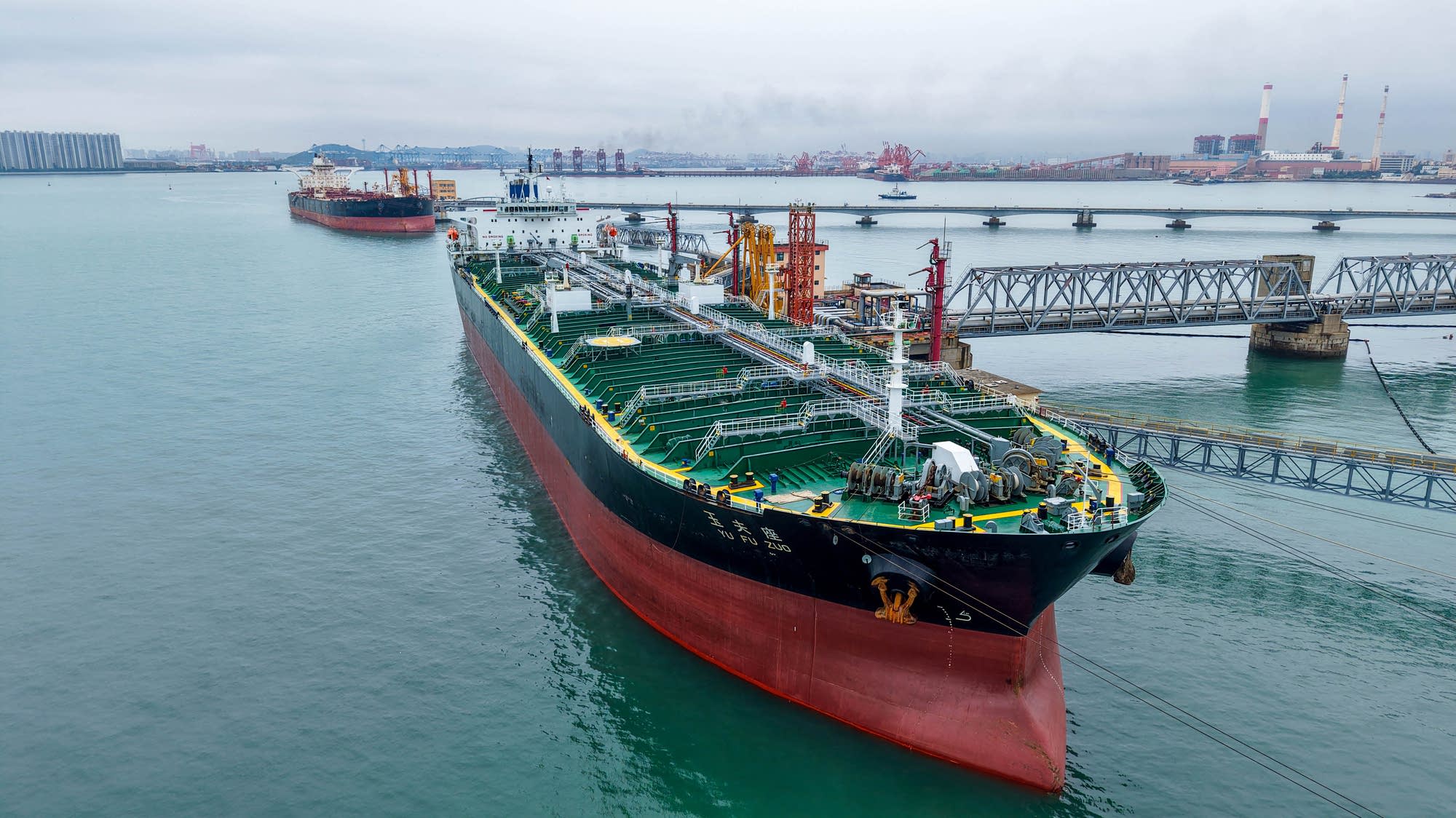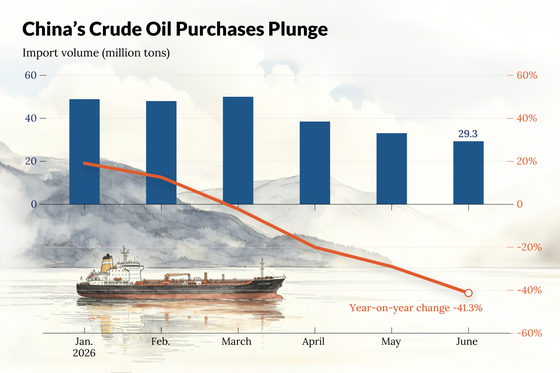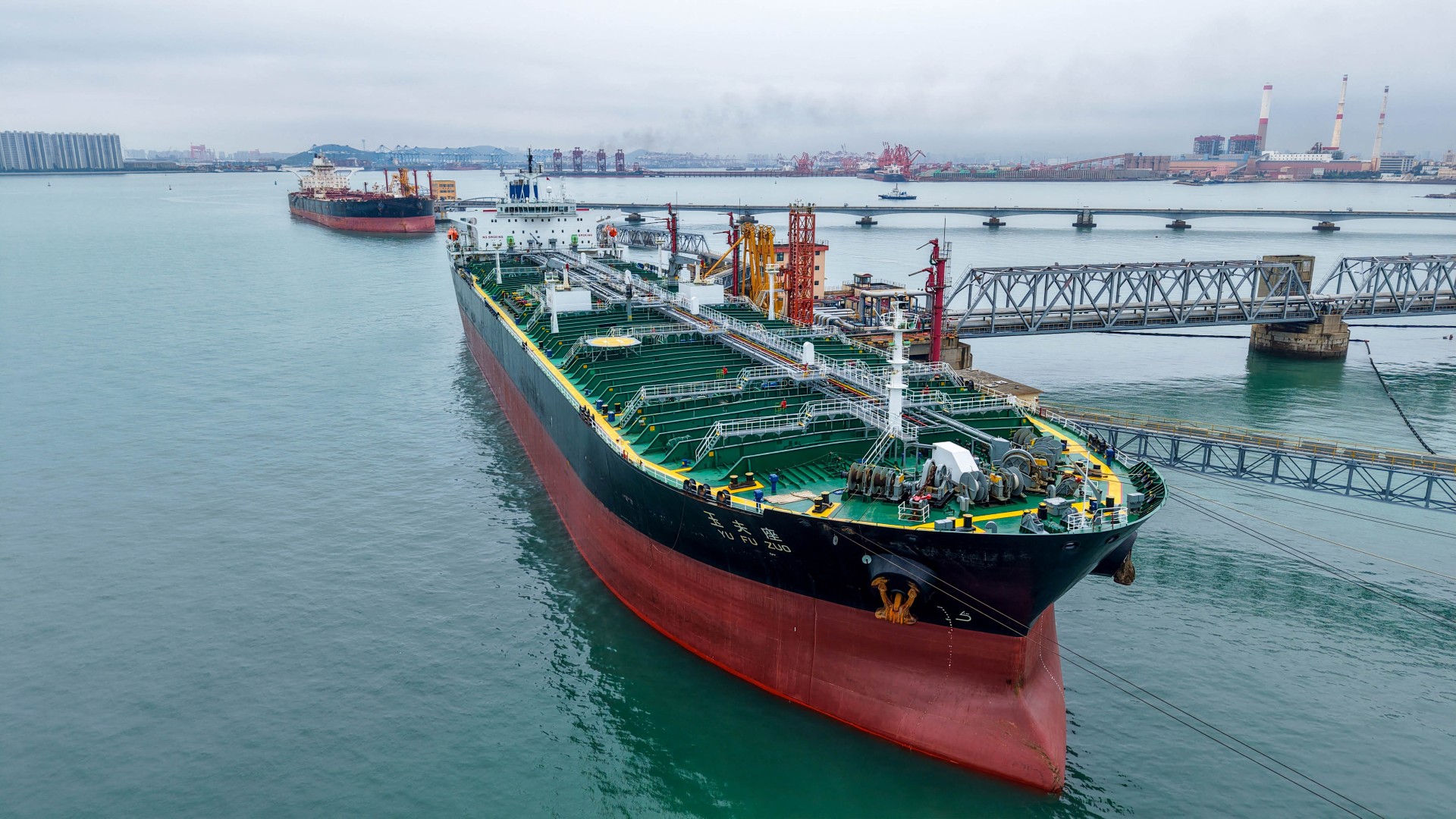
The closure of the Strait of Hormuz should, in principle, have caused a far greater shock to oil markets than it has. This, in large part, is due to China’s policy of using its strategic stockpiles rather than purchasing crude oil at inflated prices due to the war.
Before the war, the strait carried roughly 20 million barrels per day (bpd) – a fifth of global daily oil consumption – with an estimated 10 to 14 percent of global supply remaining inaccessible six months on.
Even so, it has not had the same repercussions as previous comparable Middle East crises.
The 1973 Arab oil embargo, which quadrupled prices, disrupted only seven percent of global supply, while both the 1979 Iranian revolution and 1990 invasion of Kuwait more than doubled prices, each blocking only six to seven percent.
In comparison, current oil prices have risen by “only” around 50 percent, with Brent crude, the international benchmark, stabilising near $85-90 a barrel, up from around $60 at the start of the year.