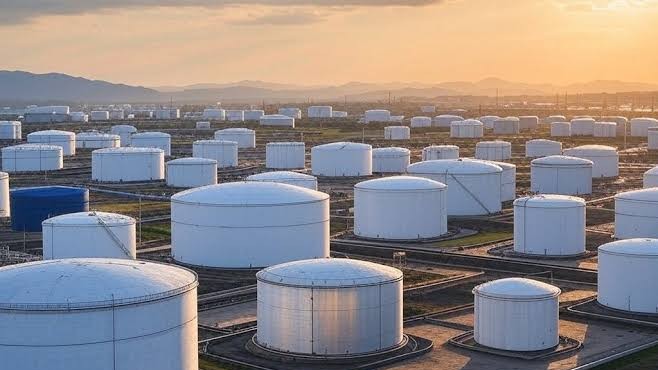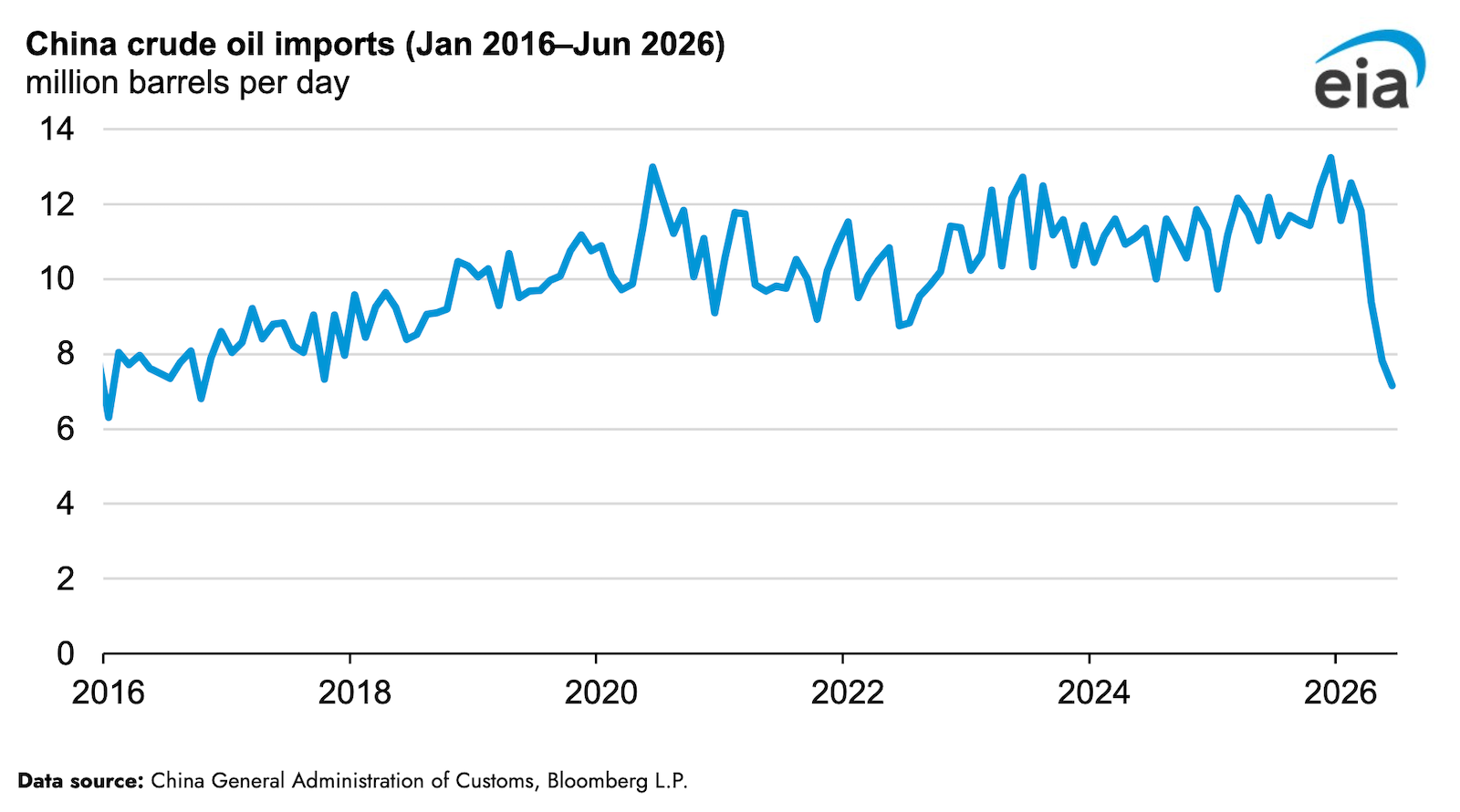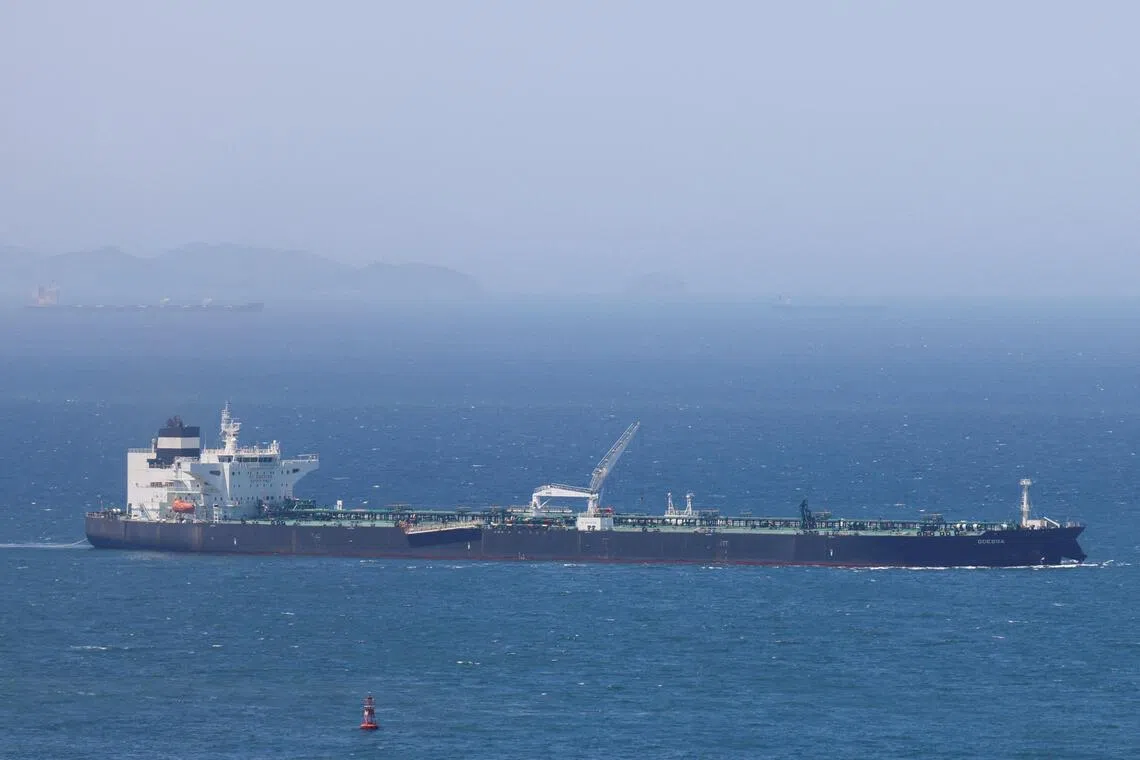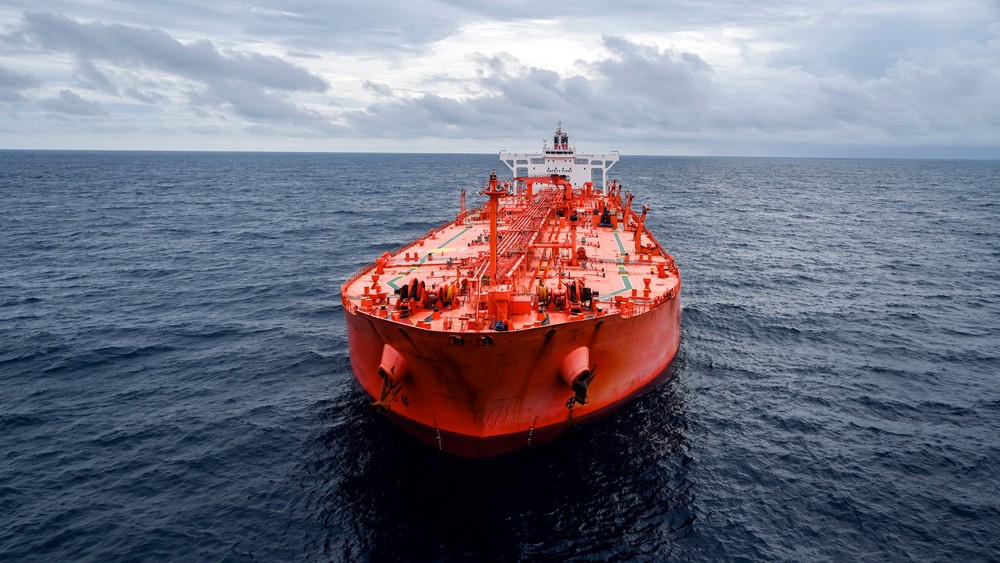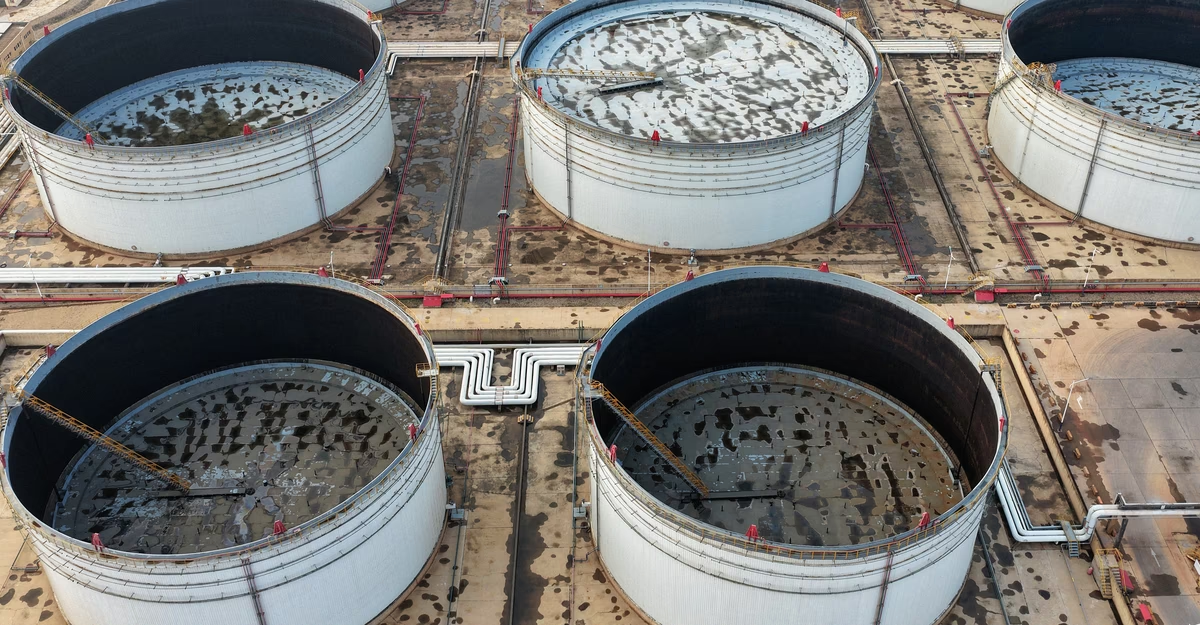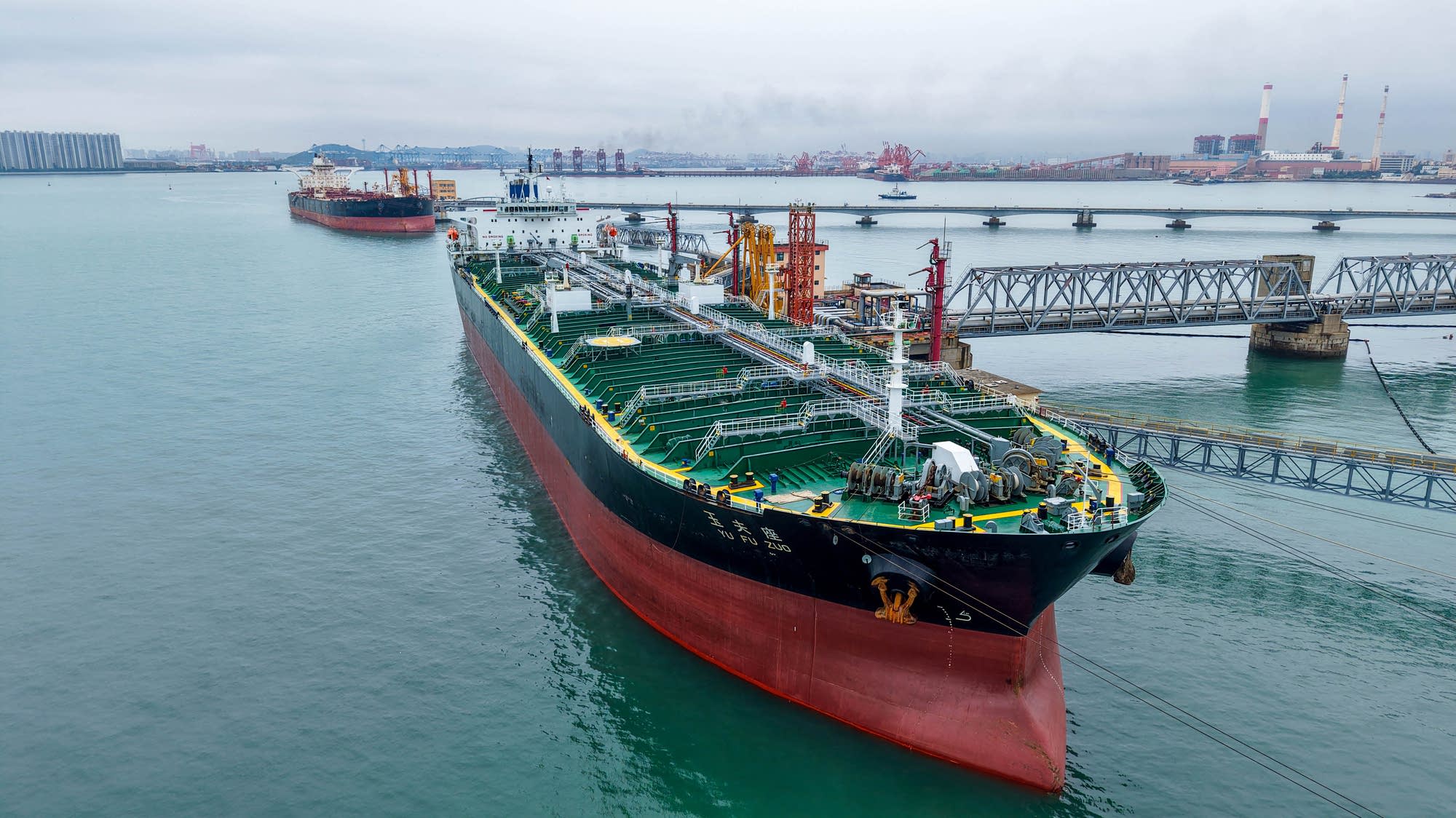
Oil still isn’t cheap, but it could be much, much worse. When the Strait of Hormuz closed, economists were worried that oil prices could hit upwards of $200 per barrel within weeks. However, Brent crude peaked around $118 in April, and West Texas Intermediate topped out at $112, despite the factors that could create soaring oil prices still existing.Economists do have one explanation for why prices stayed lower than expected, though: China.Through June, Chinese oil imports were down over 40% from the previous year, creating less demand and lower prices for oil.However, at the same time, the “why” of it all, along with how China is getting along with such a reduced supply, is something of a mystery.Rogé Karma is a staff writer at The Atlantic and the author of the “Work in Progress” newsletter. He wrote about this subject recently. Karma joined “Marketplace” host Kai Ryssdal to talk about how China is managing to stay afloat with such a reduced oil intake, and what the rationale might be for backing off in the oil market. An edited transcript of their conversation is below.Kai Ryssdal So let's go to the title of the piece: “The Great Chinese Oil Mystery.” What is it, and why is it happening?Rogé Karma: Well, at the outset of the war, virtually every single energy expert out there said that if the Strait of Hormuz remained closed for more than a few weeks, then oil prices would spike to $150, maybe even $200 a barrel. And one thing that happened when the war broke out was that demand didn't stay constant, and the reason it didn't stay constant was that a single country — China — decided to slash its oil imports by almost half compared to pre-war levels. Because China stopped buying those barrels, they were free to go elsewhere, which saved the world from this shock. But the most wild part is, nobody knows why China did this. Nobody even knows how they did it. Beijing hasn't said a word about this. All we do know is that this — according to basically every energy expert I've talked to — is the single biggest reason that oil prices never took off.Ryssdal: All right, I need you to spitball this for me because even though the Chinese aren't saying how they're doing it, you've been reporting it, you've been talking to people. How are they running the world's second biggest economy without importing the oil they did, you know, five, six months ago?Karma: That is the the real question, right? What you would expect if a country slashed its imports by this much is they would just have to reduce their energy consumption. But we don't see that at all right now. And so maybe they're just using different energy sources. China has invested a ton in clean energy and electric vehicles over the past few years, but the country is still very heavily reliant on imported oil. And that leaves one final theory, which is China's oil reserves, but the weird thing about this explanation is that the best estimates we have of China's oil reserves are from these giant outdoor physical storage facilities that we're able to monitor from space, and those haven't given any appearance of changing. So, that has led to a sort of Occam's razor theory among a lot of analysts that the only plausible explanation for how this could be going on is that China is actually tapping into these sort of secret, possibly underground reserves that the world didn't even know about. And when I talk to analysts about this, they say, "Look, I feel like I'm crazy. I feel like I should put on my tinfoil hat when I start talking about this.” But it's basically the only plausible explanation we have at this point.Ryssdal: Let me back up, actually, and point out that Xi Jinping, the Chinese president, does not hide his light under a bushel. He's very nationalist. He's very proud of what China's been able to do. Why is he not crowing about their ability to do this, and also with it, the leverage that obviously now he is demonstrating over the global economy? Because if he decides to start importing oil tomorrow, the the entire global economy just changes.Karma: The explanation that I've sort of arrived at, and that some the analysts I talked to think, is that China is actually doing this for its own economic self interest, but in an indirect way. China's economy is fundamentally dependent on the exporting of a lot of cheap goods all over the world. Well, who are the countries that it depends on to export all those goods? It's the biggest economies in Europe and the biggest economies in Asia. It's the very economies that would be the hardest hit by an oil shock. So, the idea is that China realized when this crisis broke out that if these countries fall into recessions — if they get hit by an oil crisis — it's going to rebound and undermine China's own economic model. If that was the case, that would explain the silence. You wouldn't want to parade to the entire world that actually our economic model is dependent on saving the world from oil shocks. It wouldn't set a very good precedent. So, that's the the best theory that I've at least come across.Ryssdal: Which stands to reason for the moment. But it is, by definition, a finite explanation. Because even if they've got a zillion barrels of oil underground somewhere way out west in China, it is finite, and there will come a time when they're going to have to start importing oil again.Karma: I think that is right, and I think that is both a problem for China and a problem for the rest of the world. The reason that this war has been able to drag on so long, in part, is because the pain has been relatively muted. And so it is a sort of twist of irony that the fate of President Donald Trump and his war are now actually contingent on the U.S.’s biggest rival continuing to do something that everyone to this point thought was unprecedented.Ryssdal: And there's a certain beauty to that, right?Karma: Beauty, irony, disaster. It depends.
Where did China's oil imports go?
After the Strait of Hormuz closed, China slashed its oil imports, seemingly without reducing energy demand or tapping into reserves. How China is doing it — and why — remains a mystery.
1,052 words~5 min read