Nuclear fusion is the reaction that powers the sun: light atoms forced together to release energy, with no carbon dioxide and none of the long-lived radioactive waste that fission, splitting heavy atoms, produces.
Fusion has been expected to arrive "soon" for seventy years now, and the delay has nothing to do with the physics failing.
Laboratories have produced fusion reactions repeatedly.
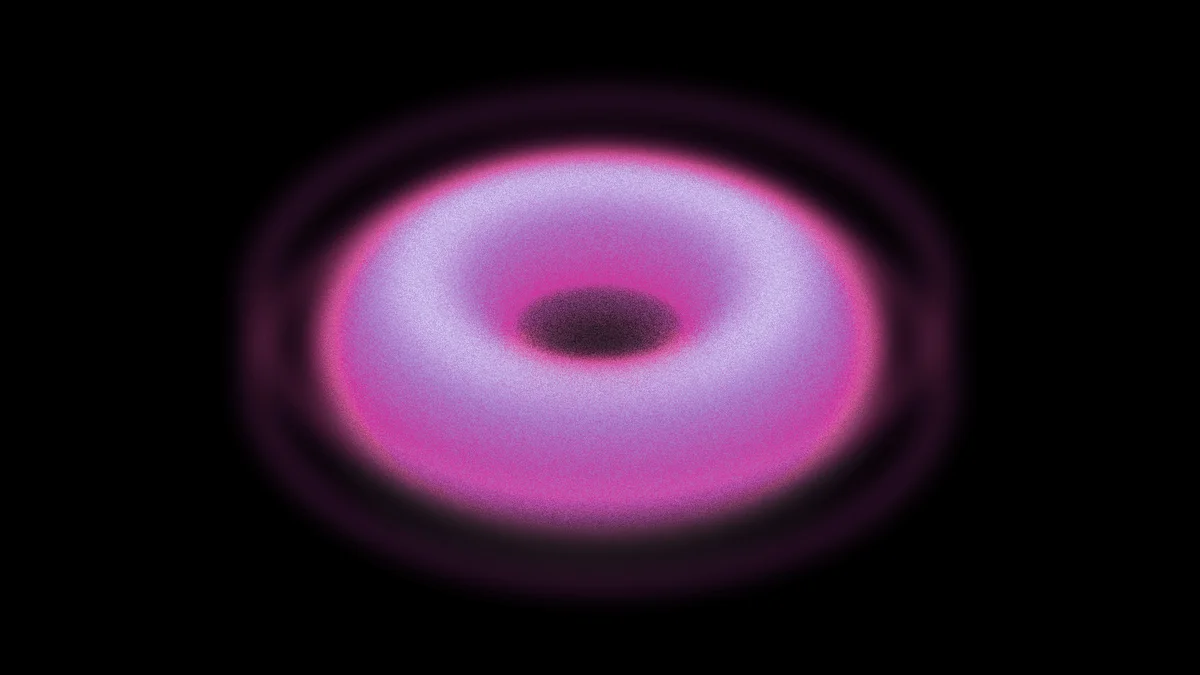
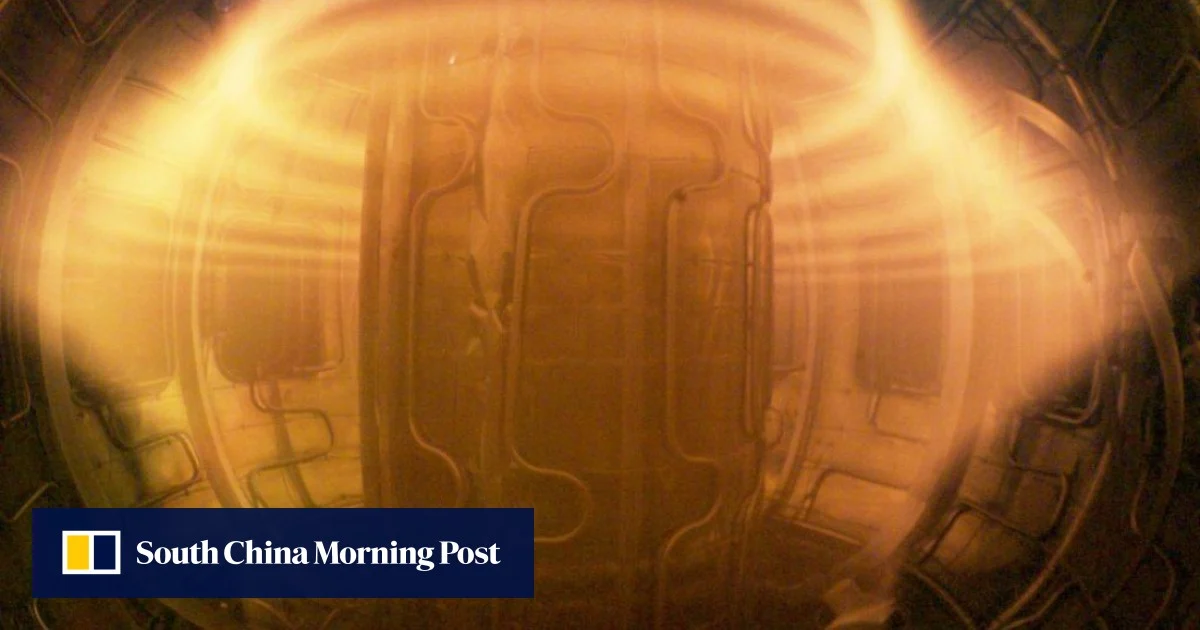
China's tokamak held a plasma for 1,066 seconds, and France's WEST broke that at 1,377 seconds.
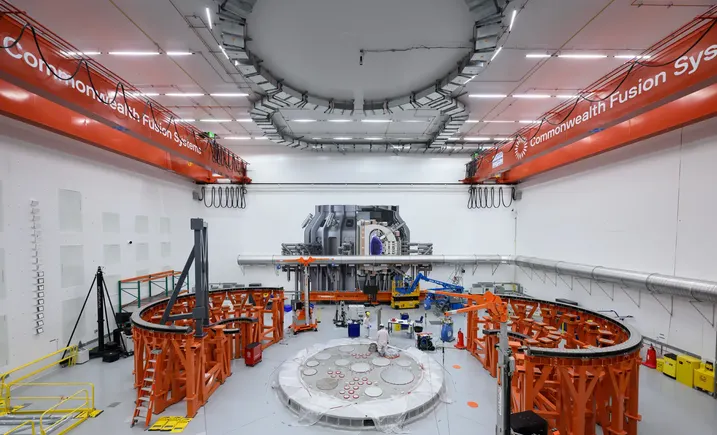
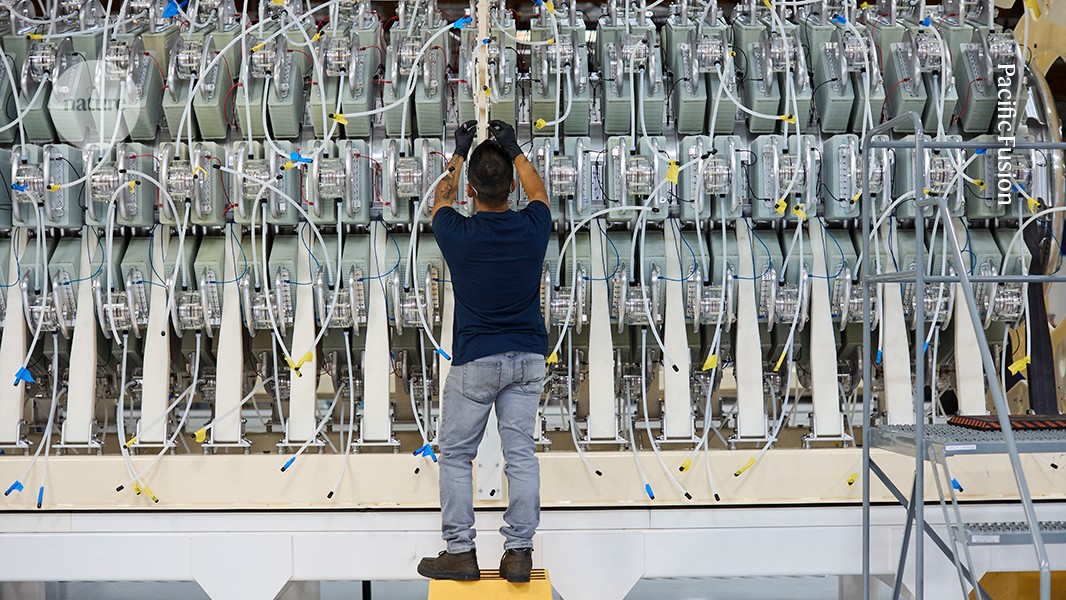
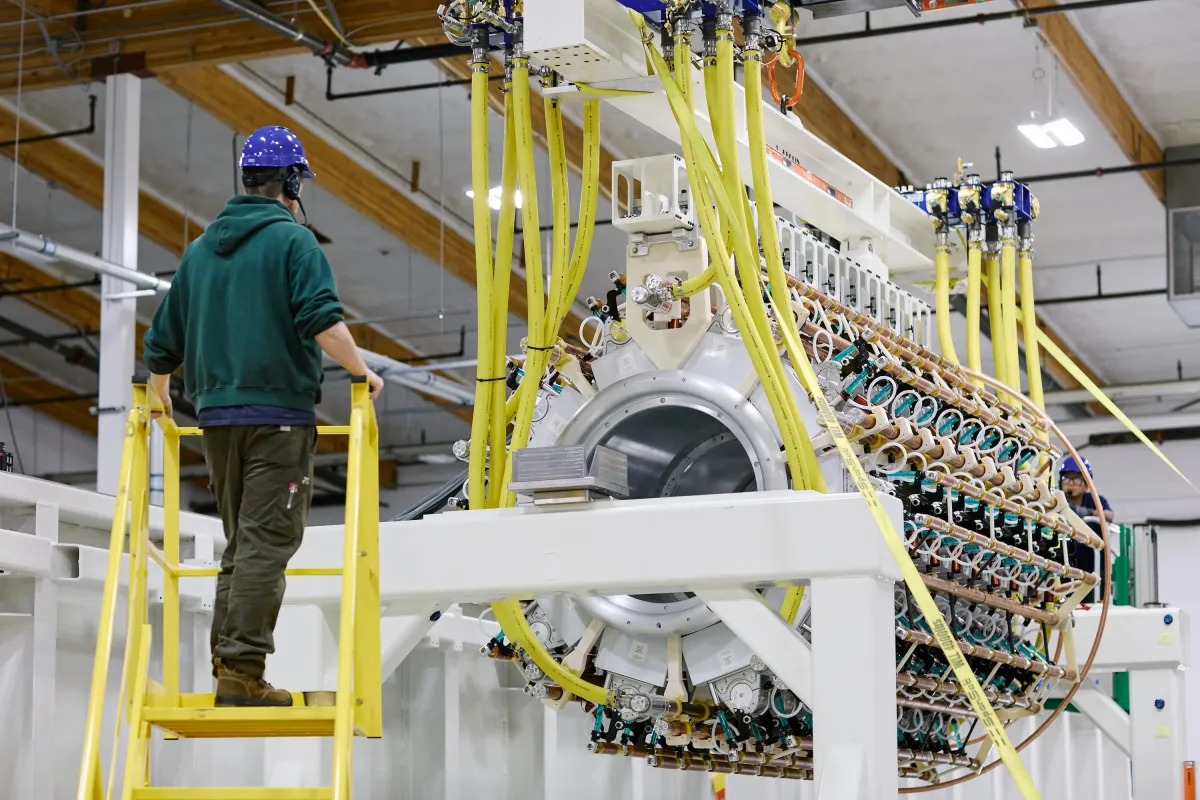
What still seems to be missing is the industrial apparatus around it: the magnets, the control systems, the design tools and the supply chain that would turn an experiment into a power plant.