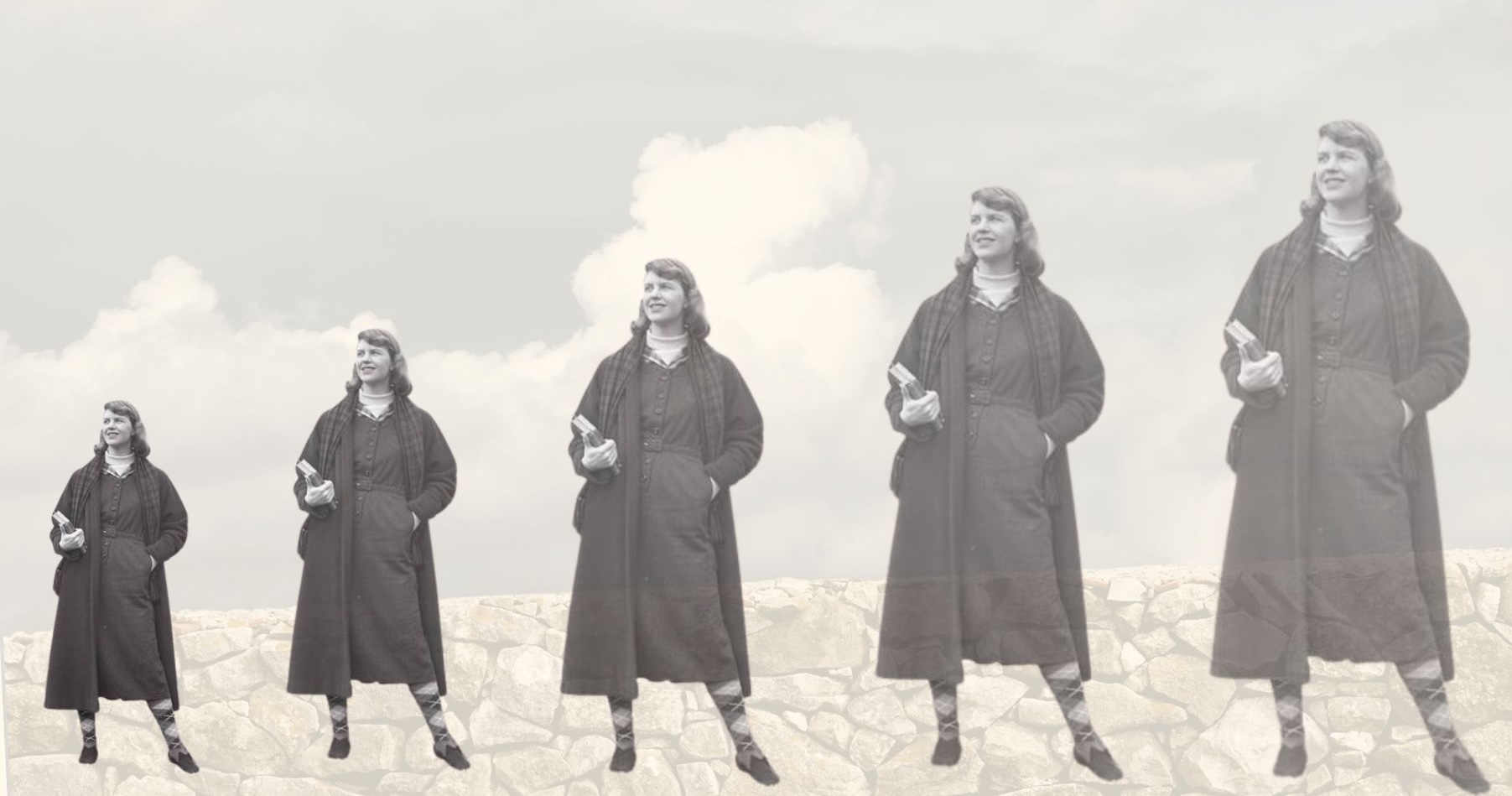
“What haunts us doesn’t need to harm us, but can instead help guide us through what feels too difficult...”
Before the ghost of Sylvia Plath haunted the yellow house on the bluff in my novel White Rabbit, she haunted me. I was a twenty-four-year-old graduate student plagued by the loss of my father’s second wife, a woman who had been a maternal figure for much of my childhood. As I walked the university campus, I felt the ghost of this grief as something tangible—something I could see, something that followed me.Article continues after advertisement
I was just beginning my writing career and found myself involuntarily coming back to echoes of loss and resilience, themes that I continue to excavate. I wouldn’t have been able to articulate it then, but my writing was creating a place for grief to sit, and it was in this space that the ghost of Sylvia Plath first found me.
Plath was no stranger to grief. She learned at a very young age, when her father died, that the world was not always kind. In her work, we see Plath shape loss and death into something that can be understood. In this way, literature creates channels for us to navigate, often imperfectly, through pain. Still, if Plath was a victim of her grief, her words are the ghost she left behind.