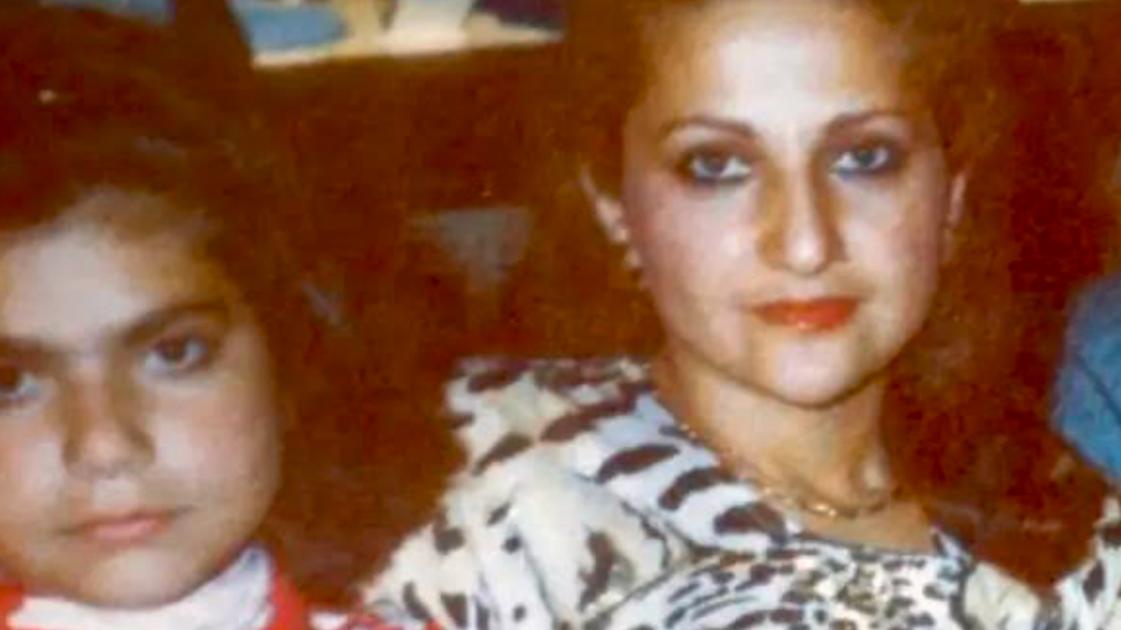
As I removed my dead wife’s favourite novels from the bookshelf, a photo of her fell to the ground and a wave of guilt swamped me.The photo was of my wife with her sister in the 1980s. They were toddlers. My wife’s eyes, wide and bright, and her hair, blond and shaggy, looked just like our four-year-old son. But I felt no joy in seeing her beauty and genes passed on. I felt as though I was suddenly drowning.I couldn’t breathe. My muscles locked. Nausea from panic rose in my stomach, and I almost vomited. In removing her books and discovering her photo, it was as though her ghost had seen me committing a heinous crime. A simple act that, in my grieving mind, demanded I go on trial. That I be held to account before a jury for the terrible, selfish act of moving her books to the far end of the house to make way for my new ones.I’ve talked with other widowers and widows about paralysing guilt. It can be the result of doing small, everyday things to better enjoy life after a spouse has died. Some have told me of crying when grocery shopping alone, or when going on beach holidays by themselves. Of being overwhelmed with emotion on tentative first dates, years after the loss. Or still feeling heartbroken in a new home after moving cities for work.There has been a growing understanding of the ways guilt shapes life after the death of a partner. Studies show that grief is natural and inevitable after significant loss, and it often comes with remorse. Feelings of intense longing for a partner who is gone, a sense of failure, painful emotion and the sense that a part of the bereaved has been lost are common.The guilt’s intensity can fade over time. It can help to try to work through it by finding ways of practising self-forgiveness and being open to talking with mental health professionals. I’ve found the process is not easy or quick. Navigating guilt is unique to each person, too. I do know, however, that recognising the stress that guilt may create and talking about it has been helpful.But there was more to me feeling as though I had broken the law in reorganising my wife’s books. Something that felt much bigger. Pulling out her paperbacks and carrying them with me through the house connected me to something weird and cosmic. Something that came with great awe.I believe the connection was to the fear and wonder from the thousands-year old culture of the printed word: my unexpected, powerful encounter with the endless dance with death on planet Earth through physical books. Because books, in their form as well as focus, foretell with subtle and beautiful skill the death that comes for all humans.Jeff VanderMeer’s science fiction horror books have well imagined the awe that comes from grief and loss for humans and the natural world they inhabit. VanderMeer was one of my and my wife’s favourite novelists. In Absolution, the latest novel from his Southern Reach series, he tells a creepy yet beautiful story about scientists exploring the wetlands of “Area X”. The scientists are haunted by weird alterations of animals and nature, like they were relics from another civilisation, and by a decaying, terrifying future.The relics from the marshes of VanderMeer’s novel felt eerily like the photo of my wife that fell from the bookshelf that day, and her books.I could not stop thinking about Absolution. Not just the way the book explores grief, terror and beauty amid environmental destruction. But also for how his novel suggested to me the degrading physicality of all things and their allure, including stories printed – the fading ink of their pages, the washed-out colours of their images. That despite books degrading, they still fascinated readers, who imbued them with such power over the present. And possible futures.My son and I read books together often – old and new, torn and well preserved. Most reading we do comes without sadness or guilt from grief as we go on living without his mum. He enjoys books about dinosaurs and monster trucks, but particularly those about Halloween, ghosts and cats and witches like from Meg and Mog.I like to think we have fun reading this way for the rollercoaster of emotion we go on together: the pleasure from their dark and beautiful colours; the jump scares from funny skeletons and zombies; the humour of ridiculously large pumpkins; and the enchantment of strange potions. It amazes me that I still laugh with him at stories we’ve read time and again.Reading with my son, I am reminded of the world of books my wife and I shared. I don’t feel overwhelmed by guilt, though. Or as though I’m on trial for enjoying life without her. I’m just amazed that books can be relics that offer such vivid connections between the past and present. Through books, falling apart with time – like us reading them – we find joy, fear, laughter and comfort.My guilt swells much less now but I suspect it will take time to complete the reorganisation of my book collection. Perhaps some of my books will never find permanent placement. But I was able to store my wife’s books in a safe place at the end of the corridor in our house, along with her photo, not far from my son’s bedroom.Her books are there for when he is ready, and me too, to discover more about his mum’s story. To learn more of what she loved about the world rendered through literature. Which authors inspired her. The strange horrors of language she encountered. To know better a memory of her brought to life through the fear and wonder of the printed word.
Keeping my dead wife’s books safe for our son helped me let go of guilt | Ben O'Mara
Reading with him, I am reminded of the world of words his mother and I shared. I no longer feel so overwhelmed
962 words~4 min read